Raised Bed Vegetables: Pro Gardener’s Guide
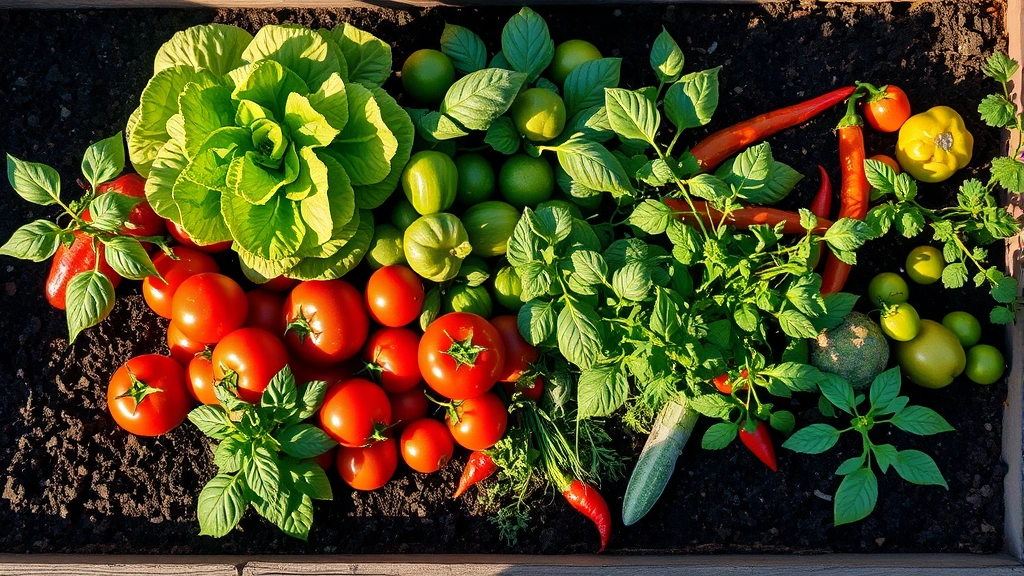
Growing vegetables in raised garden beds has revolutionized home gardening for countless growers seeking better yields, easier maintenance, and superior growing conditions. Raised beds offer distinct advantages over traditional in-ground gardens—improved drainage, warmer soil temperatures, reduced pest pressure, and the ability to customize your growing medium precisely. Whether you’re a seasoned gardener or just beginning your vegetable journey, understanding how to optimize raised bed cultivation will transform your harvest potential.
The beauty of raised bed gardening lies in its accessibility and efficiency. By elevating your growing space, you gain better control over soil quality, moisture retention, and nutrient composition. This comprehensive guide explores everything professional gardeners know about selecting, preparing, and maintaining productive raised beds throughout the growing season. From choosing the right vegetables to implementing proven spacing techniques, you’ll discover actionable strategies that deliver consistent, abundant harvests year after year.
Selecting the Perfect Raised Bed Location
Location determines success more than any other single factor when growing vegetables in raised garden beds. Most vegetable crops require minimum six to eight hours of direct sunlight daily, with heat-loving plants like tomatoes, peppers, and eggplants preferring eight to ten hours. Observe your yard throughout the day, noting which areas receive consistent, unobstructed sun exposure. Morning sun is particularly valuable as it dries dew quickly, reducing fungal disease pressure.
Beyond sunlight, consider proximity to water sources and accessibility for maintenance. Your raised beds should be positioned near a garden hose or irrigation system to facilitate regular watering without excessive effort. Additionally, place beds where you can easily reach them without straining or stepping over adjacent plants. Many gardeners position beds in north-south orientation to maximize sun exposure and minimize shading between rows.
Avoid locating raised beds beneath large trees or near structures that create afternoon shade. Check for wind exposure as well—strong winds can desiccate young seedlings and damage tall crops. Sheltered locations with gentle air circulation provide optimal growing conditions. If your yard slopes significantly, position beds on level ground or construct the downhill side slightly taller to ensure even water distribution and consistent soil moisture.

Building Your Raised Bed Foundation
Before filling your raised bed with soil, you’ll need a sturdy structure. The process of building a raised garden bed requires selecting appropriate materials and construction methods suited to your climate and budget. Cedar and composite materials offer excellent longevity, resisting rot and insect damage for 10-15 years or longer. Untreated wood is affordable but may require replacement after 3-5 years as it naturally decomposes.
Standard raised bed dimensions measure 4 feet by 8 feet by 12 inches deep, though sizes vary based on space and preference. Deeper beds (18-24 inches) accommodate root vegetables and provide superior drainage for heavy soils. For accessibility, ensure beds aren’t wider than three feet—you should reach the center comfortably without stepping inside. Height considerations matter too; taller beds (24+ inches) reduce bending and prove ideal for elderly gardeners or those with mobility limitations.
Consider adding hardware cloth or mesh to the bottom of your raised bed to exclude burrowing pests like moles and voles. This simple step prevents underground damage to root vegetables and provides long-term protection. Secure the mesh firmly to prevent animals from working underneath. If rodent pressure isn’t significant in your area, you can skip this step, but installation during initial construction is far easier than retrofitting later.
Soil Composition and Preparation
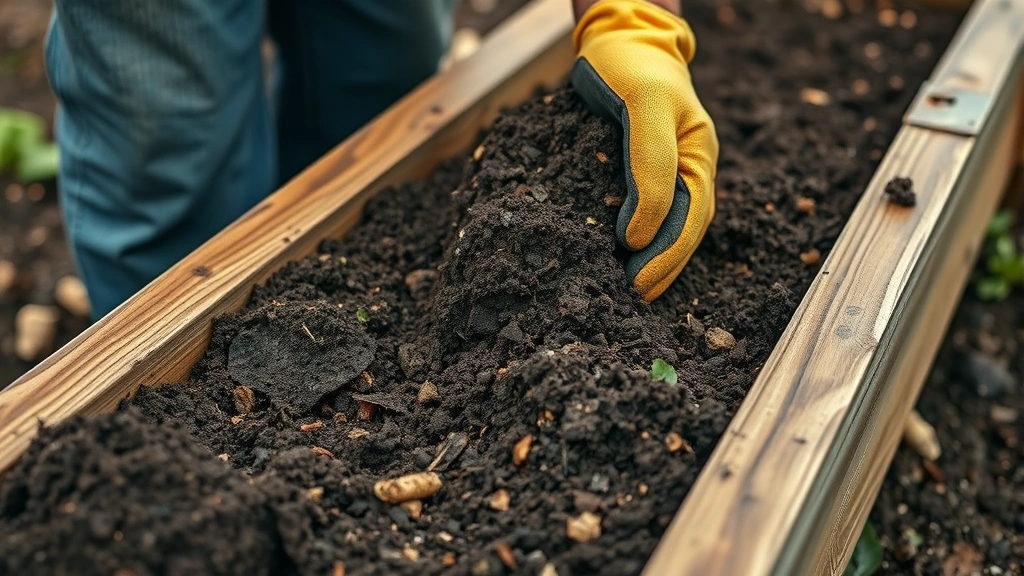
The foundation of productive raised bed vegetable gardening is excellent soil. Unlike traditional gardens where soil composition varies unpredictably, raised beds allow you to create an ideal growing medium tailored to your specific vegetables. Professional gardeners typically use the “Mel’s Mix” formula developed by Square Foot Gardening pioneer Mel Bartholomew: one-third compost, one-third peat moss or coconut coir, and one-third vermiculite or perlite.
This combination provides excellent drainage while retaining adequate moisture and nutrients. The compost component supplies organic matter and beneficial microorganisms. Peat moss or coconut coir improves water-holding capacity without compacting. Vermiculite or perlite ensures proper aeration around roots, preventing waterlogging and root rot. For a 4x8x12 inch bed, you’ll need approximately 32 cubic feet of soil—roughly 1.2 cubic yards or about 40 bags of bagged soil amendments.
Quality compost is essential. Source finished compost from reputable suppliers or create your own by composting kitchen scraps, yard waste, and grass clippings. Coffee grounds in garden beds add nitrogen and improve soil structure while recycling kitchen waste. Layer coffee grounds with other organic materials to create balanced compost that feeds your vegetables throughout the season.
Before planting, thoroughly mix soil components together. Some gardeners prefer purchasing pre-mixed raised bed soil, which eliminates the labor of combining ingredients but costs more per cubic foot. Regardless of method, ensure your soil is loose and crumbly, not compacted or dense. Loose soil facilitates root penetration, water infiltration, and air circulation—all critical for healthy vegetable growth.
Best Vegetables for Raised Beds
Certain vegetables thrive exceptionally well in raised beds due to improved soil conditions and drainage. Leafy greens including lettuce, spinach, kale, and arugula are perfect for raised beds, producing tender, pest-resistant harvests. These cool-season crops grow quickly and occupy minimal vertical space, making them ideal for succession planting throughout spring and fall. Their shallow root systems (6-12 inches) don’t require excessive depth.
Root vegetables like carrots, beets, radishes, and turnips flourish in raised beds with loose, well-draining soil. The controlled environment prevents the hard, compacted soils that often stunt root development in traditional gardens. Ensure adequate depth—at least 12 inches for carrots and 18 inches for longer varieties. Tomatoes, peppers, and eggplants are heat-loving crops that benefit from the warmer soil temperatures raised beds provide. Plant these after frost danger passes and soil has warmed thoroughly.
Beans and peas grow vigorously in raised beds, appreciating the excellent drainage and loose soil. Bush varieties require minimal space, while pole varieties benefit from trellising systems that maximize production in limited areas. Squash, zucchini, and cucumber plants sprawl considerably, so allocate adequate space or train them vertically using sturdy supports. Herbs complement vegetable gardens beautifully—explore our herb garden guide for integrating culinary herbs into your raised beds.
Avoid overcrowding by selecting vegetables suited to your bed size and growing season length. Small-space gardeners should prioritize high-value crops like tomatoes, peppers, and herbs rather than sprawling plants like watermelons. Calculate mature plant size at harvest and space accordingly to prevent competition for nutrients, water, and light.
Spacing and Planting Strategies
Proper spacing is crucial for disease prevention and maximum yields in raised beds. Crowded plants compete for resources, promoting fungal diseases and reducing productivity. Square Foot Gardening divides beds into grid sections, with spacing determined by mature plant size. Large plants like tomatoes and peppers require one per square foot. Medium plants like lettuce and chard need four per square foot. Small plants like radishes and beets tolerate sixteen per square foot.
Follow seed packet recommendations religiously—they reflect research into optimal spacing for each variety. If seed packets suggest 12-inch spacing, that’s based on the plant’s mature width and nutrient requirements. Reducing spacing to squeeze in extra plants inevitably reduces individual plant vigor and overall harvest. Quality over quantity yields superior results and healthier plants with fewer disease problems.
Vertical growing maximizes production in limited spaces. Install trellises for tomatoes, cucumbers, beans, and peas at planting time—retrofitting trellises later damages established roots. Determinate tomato varieties work well in raised beds, staying more compact than indeterminate types. Train vining crops upward to improve air circulation, reduce disease pressure, and simplify harvesting. Vertical growing also improves light penetration to lower leaves, enhancing photosynthesis and fruit production.
Succession planting extends harvests throughout the season. Plant cool-season crops like lettuce and peas in early spring, again in midsummer for fall harvest. As spring crops finish, replant that space with summer vegetables. In late summer, replant with fall-winter crops. This continuous planting strategy ensures nearly year-round harvests from the same raised bed. Keep detailed records of planting dates and crop performance to refine your succession planting schedule annually.
Watering and Drainage Management
Raised beds drain faster than in-ground gardens, requiring more frequent watering during hot weather. The loose soil composition and elevated structure allow water to percolate quickly, which prevents waterlogging but demands consistent moisture replenishment. Most vegetables need 1-2 inches of water weekly, depending on temperature, humidity, and rainfall. Sandy soils require more frequent watering than loamy soils with higher organic matter content.
Water early morning before temperatures peak. Morning watering reduces disease pressure by allowing foliage to dry quickly, preventing fungal spore germination. Water soil directly at the base of plants rather than overhead watering, which promotes foliar diseases. Soaker hoses or drip irrigation systems deliver water efficiently directly to roots while minimizing waste. These systems also facilitate vacation watering—set timers to maintain consistent moisture even during extended absences.
Check soil moisture regularly by inserting your finger two inches into the soil. If soil feels dry at that depth, irrigation is needed. Most vegetables prefer consistently moist (not waterlogged) soil. Fluctuating moisture causes problems like blossom end rot in tomatoes and splitting in root vegetables. Mulching with 2-3 inches of organic material like straw or shredded leaves moderates soil temperature, reduces water loss through evaporation, and suppresses weeds.
During establishment, water newly planted seedlings more frequently than established plants. Shallow roots dry quickly, requiring daily watering during hot weather. As root systems develop, gradually reduce watering frequency while increasing application depth to encourage deep rooting and drought resilience. This progressive approach builds stronger, more self-sufficient plants.
Seasonal Planting Calendar
Success with vegetables in raised garden beds requires understanding your local climate and frost dates. Cool-season crops tolerate light frost and prefer temperatures below 70°F. Plant these in early spring (6-8 weeks before last frost) and again in late summer for fall harvest. Lettuce, spinach, peas, broccoli, cabbage, and kale thrive in cool conditions, producing tender growth before heat causes bolting and bitterness.
Warm-season crops require soil temperatures above 60°F and air temperatures consistently above 50°F at night. Plant these after frost danger passes and soil has warmed—typically 2-3 weeks after last frost date. Tomatoes, peppers, eggplants, beans, squash, and cucumbers need warmth for germination and growth. Starting seeds indoors 6-8 weeks before transplanting allows you to get a head start on the season while protecting delicate seedlings from late frosts.
Learn your local USDA Plant Hardiness Zone to determine appropriate crop timing. Contact your local cooperative extension office for region-specific planting calendars and frost date information. These resources provide invaluable guidance tailored to your specific location, eliminating guesswork from seasonal planting decisions.
Pest and Disease Prevention
Raised beds offer inherent pest management advantages—elevated soil reduces slug and snail pressure while improved drainage prevents many soil-borne diseases. However, vigilance remains essential. Scout plants regularly for pest damage, checking both leaf surfaces and undersides where many insects hide. Early detection enables intervention before infestations spiral out of control.
Companion planting provides natural pest deterrence. Marigolds repel many insects while attracting beneficial pollinators. Basil deters flies and mosquitoes. Nasturtiums serve as trap crops, attracting aphids away from vegetables. Integrated Pest Management (IPM) emphasizes prevention through cultural practices, biological controls, and targeted chemical interventions only when necessary. Remove diseased plant material immediately, disinfect tools between plants, and avoid working in wet beds (which spreads fungal spores).
Common raised bed pests include aphids, spider mites, cucumber beetles, and squash bugs. Hand-picking larger pests like beetles and caterpillars proves effective on small infestations. Insecticidal soap controls soft-bodied insects organically. Neem oil addresses various pests and fungal diseases when applied according to label directions. Bacillus thuringiensis (Bt) specifically targets caterpillars without harming beneficial insects.
Powdery mildew, damping off, and early blight represent common fungal diseases in vegetable gardens. Prevent these through proper spacing, adequate air circulation, overhead irrigation avoidance, and removing infected leaves promptly. Sulfur dust and copper fungicides provide organic disease management options. Resistant varieties—indicated by letters like PM (powdery mildew resistant) on seed packets—offer the most reliable disease prevention.
Maximizing Your Harvest
Professional gardeners employ several proven techniques to maximize vegetable yields from raised beds. Regular harvesting encourages continued production—most vegetables produce more prolifically when picked frequently rather than allowed to mature fully. Harvest tomatoes when they reach full color but before overripening. Pick beans and peas when pods are full but still tender. Collect lettuce and herbs in the morning when moisture content peaks.
Fertilizing supplements soil nutrients depleted by continuous harvesting. While quality compost provides initial nutrition, supplemental feeding accelerates growth and maintains productivity. Fish emulsion, seaweed extract, and balanced organic fertilizers (10-10-10 NPK) work well for vegetables. Side-dress plants with compost monthly or apply liquid fertilizers every 2-3 weeks according to product instructions. Avoid over-fertilizing, which promotes excessive foliage at the expense of fruit production.
Understanding how to propagate plants enables you to extend seasons and increase yields. Save seeds from exceptional plants to replant next year. Start seeds indoors for transplants rather than relying solely on direct seeding. Propagate herbs and perennial vegetables vegetatively for faster establishment and consistent genetics.
Keep detailed gardening records documenting planting dates, varieties, spacing, weather conditions, pest problems, and harvest dates. Over seasons, patterns emerge revealing which varieties perform best in your conditions, optimal planting times, and effective pest management strategies. This accumulated knowledge transforms your raised bed garden from productive to exceptional, delivering reliable harvests year after year.
Rotate crops annually to maintain soil health and prevent pest and disease buildup. Avoid planting the same vegetable family in identical locations consecutively. Tomatoes, peppers, and eggplants (nightshades) should rotate to different beds each year. Legumes (beans and peas) improve soil nitrogen, making them excellent rotation crops before heavy feeders like tomatoes. Root vegetables like carrots follow leafy greens well. Strategic rotation sustains soil fertility while naturally managing pest populations.
FAQ
How deep should raised beds be for growing vegetables?
Standard depth is 12 inches, adequate for most leafy greens and shallow-rooted crops. Root vegetables like carrots benefit from 18-24 inches of depth. Tomatoes, peppers, and other deep-rooted vegetables perform best with at least 18 inches. Deeper beds also improve drainage and provide better insulation in cold climates.
Can I reuse soil from raised beds year after year?
Yes, but refresh soil annually by adding 2-3 inches of finished compost to replenish depleted nutrients and organic matter. Over time, soil compacts and nutrient concentrations decline. Top-dressing with compost restores fertility and structure without requiring complete soil replacement. Every 3-4 years, consider replacing 25-50% of the soil if it becomes heavily compacted or depleted.
What’s the best time to start a raised bed garden?
Spring is ideal for most regions, allowing you to establish beds and grow cool-season crops immediately. However, fall bed construction works well too, enabling spring planting in newly settled soil. Regardless of season, ensure adequate drainage and proper soil composition before planting. Avoid planting during the hottest summer months when transplants struggle to establish.
How often should I water raised bed vegetables?
Most vegetables need 1-2 inches of water weekly. In hot weather or sandy soils, daily watering may be necessary. Check soil moisture two inches deep—if dry, water thoroughly until water drains from the bottom. Consistent moisture prevents stress-related problems like blossom end rot and bolting. Soaker hoses or drip irrigation deliver water efficiently and maintain uniform moisture.
Can I grow vegetables in raised beds year-round?
In mild climates, year-round gardening is possible with appropriate crop selection and cold protection. Cool-season crops grow throughout fall and winter in many regions. Spring and summer support warm-season crops. In harsh climates, extend seasons with row covers, cold frames, or low tunnels protecting cold-hardy crops from freezing temperatures. Your local extension service provides region-specific guidance for season extension.
What vegetables are easiest for beginners in raised beds?
Lettuce, spinach, beans, zucchini, and cherry tomatoes are forgiving crops tolerating beginner mistakes. These vegetables germinate reliably, grow quickly, and produce abundantly with basic care. Herbs like basil, parsley, and chives thrive in raised beds alongside vegetables. Start with these easy crops to build confidence and experience before attempting more finicky varieties.


