Sunbrella Garden Furniture Care: Pro Tips for Longevity
Sunbrella fabric has revolutionized outdoor living by offering superior fade resistance, water repellency, and durability compared to traditional outdoor textiles. Whether you’ve invested in a complete patio seating set or individual cushions and umbrellas, understanding how to properly care for your Sunbrella garden furniture ensures your outdoor spaces remain beautiful and functional for years to come. This fabric, made from solution-dyed acrylic fibers, is engineered to withstand harsh UV rays, moisture, and everyday wear—but proper maintenance is essential to maximize its lifespan and appearance.
Your garden furniture serves as both a functional gathering space and a design statement for your outdoor environment. Just as you would care for plants in a raised garden bed, your outdoor furnishings deserve consistent attention and seasonal preparation. By implementing the right care strategies, you’ll protect your investment and maintain the aesthetic appeal of your patio or deck throughout every season.

Understanding Sunbrella Fabric Composition
Sunbrella fabric represents a significant advancement in outdoor textile technology. Unlike traditional outdoor fabrics that are woven from synthetic fibers and then treated with protective coatings, Sunbrella uses a solution-dyed process where color is integrated directly into the acrylic fibers before weaving. This fundamental difference means the color won’t fade, peel, or wash away over time, even with aggressive cleaning methods.
The fabric’s composition includes UV-protective properties that safeguard against sun damage, while its tight weave resists water penetration and mildew growth. This makes Sunbrella an excellent choice for garden furniture that will be exposed to variable weather conditions. The fabric typically maintains its water-repellent properties for several years with proper care, though occasionally you may need to reapply water-resistant treatments to restore its original performance.
Understanding these characteristics helps you appreciate why certain care methods work better than others. The durability of Sunbrella means you can be more aggressive with cleaning compared to standard outdoor fabrics, which is both a benefit and a responsibility for maintaining your furniture’s appearance.
Regular Cleaning and Maintenance Schedule
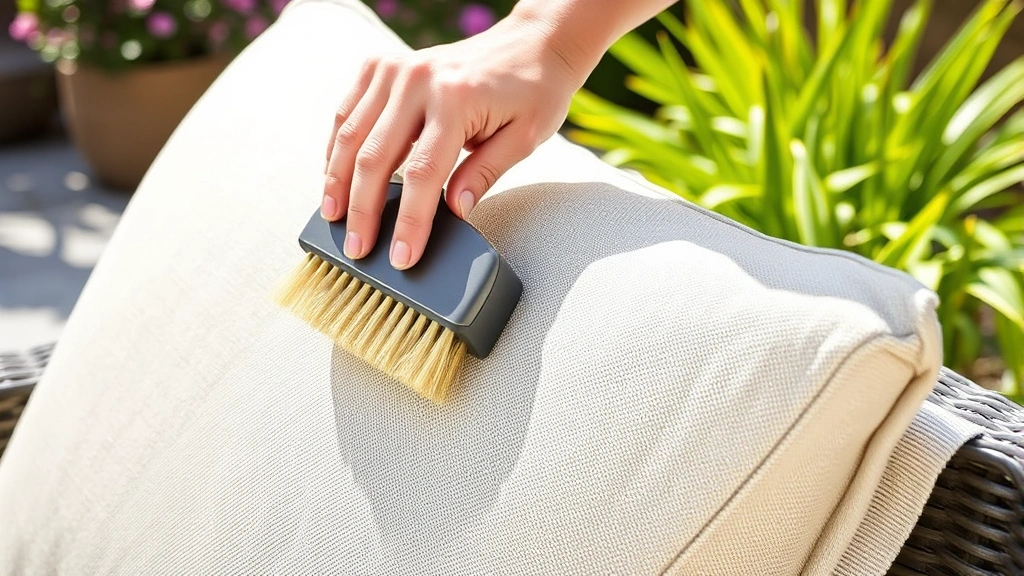
Establishing a consistent cleaning routine is the foundation of Sunbrella furniture longevity. Weekly light cleaning during heavy-use seasons prevents dirt accumulation and keeps your furniture looking fresh. Use a soft-bristled brush or vacuum with an upholstery attachment to remove loose debris, dust, and pollen from cushions and seat surfaces. This simple step prevents particles from settling into the fabric weave where they can trap moisture and promote mildew.
Monthly deeper cleaning should involve mild soap and water. Mix a solution using a few drops of dish soap in lukewarm water, then apply it with a soft brush or cloth. Work in circular motions and rinse thoroughly with clean water from a garden hose. For optimal results, use a low-pressure setting to avoid forcing water into seams or frame crevices. Allow furniture to air dry completely before using or storing.
The beauty of Sunbrella fabric is that it’s remarkably forgiving with cleaning methods. According to Sunbrella’s official care guidelines, you can even use mild bleach solutions (one part bleach to ten parts water) for stubborn stains, which demonstrates the fabric’s exceptional durability. However, always test any cleaning solution on an inconspicuous area first.
Keep a maintenance log noting when you clean your furniture and any treatments you apply. This helps you identify seasonal patterns and plan ahead for intensive care during transition periods. Consider your garden’s specific environment—coastal properties may need more frequent rinsing to remove salt spray, while wooded areas require extra attention to mildew prevention due to increased moisture and shade.
Seasonal Care and Storage Strategies
Spring preparation sets the tone for the entire outdoor season. As you’re planning your garden layout and planting schedule, dedicate time to inspecting your furniture for any winter damage. Check for mold or mildew that may have developed during storage, and perform a thorough cleaning before regular use begins. This is an ideal time to inspect furniture frames for rust, wood rot, or structural issues that need addressing before the season intensifies.
Summer maintenance focuses on protection and regular cleaning. If your furniture sits in direct sun most of the day, consider using shade solutions like pergolas or umbrellas to reduce UV exposure, even though Sunbrella resists fading. Increase your cleaning frequency during summer months when pollen, dust, and organic matter accumulate more rapidly. After entertaining guests or during rainy periods, ensure cushions dry completely to prevent mildew development.
Fall care involves preparing for storage and addressing seasonal debris. Falling leaves and plant material can trap moisture against fabric surfaces. Clean your furniture thoroughly before storing it, and inspect all zippers, seams, and connections for wear. Apply water-resistant treatments if the fabric no longer beads water effectively. This preventative approach eliminates problems before they develop during winter storage.
Winter storage requires proper preparation regardless of your climate. Even in mild climates, storing furniture protects it from unnecessary exposure. Clean all surfaces completely before storage, allow everything to dry thoroughly, and store cushions separately in breathable storage containers rather than plastic bags, which trap moisture. Store furniture in a dry location away from extreme temperature fluctuations. If you must leave furniture outside during winter, use fitted covers designed for outdoor use—breathable covers prevent moisture accumulation unlike plastic tarps.
Protecting Against Environmental Damage
Environmental factors present the greatest threats to outdoor furniture longevity. UV exposure, while less damaging to Sunbrella than other fabrics, still contributes to general wear over time. Strategic placement using natural shade from trees, structures, or installed shade solutions extends fabric life significantly. When positioning furniture, consider sun angles throughout the day and seasons—morning sun may be preferable to intense afternoon exposure.
Just as you would protect delicate plants with appropriate garden border edging and mulch, your furniture benefits from protective barriers. Wind presents another significant challenge, especially for lightweight cushions and removable components. Secure cushions with ties during windy periods, and consider storing loose items like pillows indoors when strong winds are forecasted.
Moisture management is critical for preventing mildew and mold growth. Ensure proper drainage around your furniture area by maintaining adequate slope and clearing debris that might trap water. After rain or watering—particularly if you’re using a quality expandable garden hose near your seating areas—allow furniture to air dry completely. Improve air circulation around furniture by avoiding placement in corners or against walls where moisture can accumulate.
Salt spray in coastal environments requires special attention. Rinse furniture more frequently with fresh water to remove salt deposits that can corrode metal frames and degrade fabric. Consider applying additional protective coatings designed for coastal environments if you live near the ocean.
Temperature fluctuations can stress furniture materials and connections. Avoid placing furniture near heat sources or in locations subject to extreme temperature variations. Metal frames expand and contract with temperature changes, potentially loosening fasteners and stressing fabric attachments over time.
Stain Removal and Deep Cleaning Techniques
Despite best efforts, stains happen. The good news is that Sunbrella’s solution-dyed composition makes most stains removable without permanent damage. Fresh stains respond best to immediate attention. Blot spills with a clean cloth rather than rubbing, which spreads the stain deeper into the fabric. For organic stains like food or beverages, rinse with water first, then apply mild soap solution.
Stubborn stains may require stronger treatments. Create a cleaning solution using one part white vinegar to three parts water, or use a commercial outdoor fabric cleaner designed for solution-dyed acrylics. Apply the solution, let it sit for 10-15 minutes, then scrub gently with a soft brush and rinse thoroughly. For particularly difficult stains, Sunbrella can tolerate bleach solutions (one part bleach to ten parts water), though this should be your last resort.
Mildew and mold require immediate attention to prevent health issues and permanent fabric damage. Mix one part white vinegar with three parts water, or use a dilute bleach solution. Apply to affected areas, let sit briefly, then scrub and rinse thoroughly. Ensure complete drying afterward. Prevention through proper drainage and air circulation is far more effective than treating established mildew.
Tar, sap, or adhesive residues respond well to rubbing alcohol applied on a cloth. Work from the outside edges of the stain toward the center to avoid spreading. Never use harsh solvents or acetone-based products that can damage the fabric weave.
For best results, consult the official Sunbrella care and cleaning guide for specific stain types. The company provides detailed instructions for treating various substances, and their recommendations are based on extensive fabric testing.
Extending Furniture Frame Lifespan
While Sunbrella fabric is remarkably durable, the furniture frames supporting that fabric require equal attention. Metal frames need regular inspection for rust, particularly in coastal or humid environments. Powder-coated aluminum frames resist corrosion well but can be damaged by scratches that expose underlying metal. Touch up any chips or scratches with appropriate paint or protective coatings. For steel frames, apply rust-preventative treatments annually. Stainless steel frames offer superior corrosion resistance but still benefit from occasional cleaning and protective care.
Fasteners and hardware connections loosen over time due to temperature fluctuations, vibration from wind, and normal use. Check bolts, screws, and rivets monthly during the active season. Tighten any loose fasteners immediately to prevent further loosening and potential structural failure. Keep a small toolkit specifically for furniture maintenance, including appropriate wrenches, screwdrivers, and replacement hardware.
Wood frames require different care strategies. Apply weather-resistant sealants annually to protect against moisture penetration and UV damage. Teak and cedar naturally resist rot better than other woods but still benefit from protective treatments. Inspect wood regularly for splintering, cracks, or soft spots indicating rot. Replace damaged wood components promptly to prevent structural compromise.
Upholstery connections where fabric attaches to frames deserve special attention. Check stitching regularly for signs of wear or loosening. Reinforce connections showing stress before they fail completely. Some furniture designs allow fabric replacement—if your Sunbrella cushions or slings are no longer repairable, replacement fabric maintains the original furniture investment while restoring appearance.
Troubleshooting Common Issues
Despite excellent care, certain issues may develop. Water pooling on cushions or slings indicates that water-repellent properties have diminished. This typically occurs after several years of use. Reapply water-repellent treatments designed for Sunbrella fabric according to product instructions. Most treatments require clean, dry fabric and several hours of drying time after application.
Discoloration that appears uniform across the furniture often indicates mildew rather than permanent staining. Address with appropriate cleaning methods as discussed earlier. True fading is rare with Sunbrella, so significant color changes usually indicate dirt accumulation or mildew rather than UV damage.
Seam separation or fabric pulling away from frame edges suggests structural stress or improper care. Check that furniture isn’t being stretched or strained during use. If seams are separating, professional repair may be necessary to restore structural integrity. Attempting to repair seams yourself can cause further damage if not done correctly.
Zipper issues on removable cushion covers frustrate many furniture owners. Keep zippers clean and dry—dirt and moisture cause sticking. Apply a small amount of silicone-based lubricant to stuck zippers, working it in gently. Never force zippers, as this causes permanent damage. If a zipper fails completely, replacement zippers designed for outdoor use can often be installed by upholstery professionals.
Frame wobbling or instability indicates loose fasteners or frame damage. Inspect all connection points and tighten fasteners as needed. If wobbling persists after tightening, the frame itself may be bent or damaged and require professional repair or replacement.
FAQ
Can I use a pressure washer on Sunbrella furniture?
Avoid high-pressure washers that can force water into seams and damage fabric weave. If using a pressure washer, keep it on the lowest setting and maintain distance from the furniture. Hand washing with a soft brush and mild soap is safer and equally effective for most cleaning needs.
How often should I reapply water-repellent treatments?
Most water-repellent treatments last 1-3 years depending on climate and usage. Reapply when you notice water no longer beading on the fabric surface. Typically, annual application in harsh climates or every 2-3 years in mild climates maintains optimal performance.
Is Sunbrella fabric truly fade-proof?
Yes, Sunbrella’s solution-dyed acrylic composition resists fading dramatically better than traditional outdoor fabrics. While extremely long-term exposure (10+ years) may result in very slight color changes, this is minimal compared to untreated fabrics. The fabric won’t fade, peel, or wash away.
Can I leave Sunbrella furniture outside year-round?
While Sunbrella withstands year-round outdoor exposure better than most fabrics, storing furniture during off-seasons extends overall lifespan. In mild climates, leaving furniture outside is acceptable with proper protective covers. In harsh climates with snow, ice, or extreme temperature swings, storage is recommended.
What’s the best way to remove bird droppings?
Remove solid matter first with a soft cloth. Create a mild soap and water solution, apply it to the affected area, and let sit briefly. Scrub gently and rinse thoroughly. Bird droppings are acidic and can damage fabric if left too long, so prompt attention is important.
How do I prevent mildew in humid climates?
Maximize air circulation around furniture by avoiding corners and enclosed spaces. Ensure water drains away from seating areas. Allow furniture to dry completely after rain or watering. Store cushions separately in breathable containers during off-seasons. Consider applying mildew-preventative treatments in particularly humid environments.
Can damaged Sunbrella fabric be repaired?
Small tears or holes can be patched using fabric patches designed for outdoor use. Larger damage may require professional upholstery repair or fabric replacement. For valuable pieces, professional repair often makes economic sense compared to replacement.
Should I cover my furniture when not in use?
Breathable covers protect furniture from dust and debris while allowing moisture to escape. Avoid plastic tarps that trap moisture and promote mildew. Quality outdoor furniture covers designed for Sunbrella products offer optimal protection without the downsides of plastic coverings.


