Prevent Rot in Gardens: Expert Solutions for Healthy Plants
Garden rot stands as one of the most destructive threats to thriving plant collections, affecting everything from delicate seedlings to mature fruit trees. Whether you’re dealing with root rot, stem rot, or fruit decay, understanding the underlying causes and implementing preventative strategies can transform your garden from a disease hotspot into a flourishing sanctuary. Rot mutations and fungal infections don’t develop overnight—they result from specific environmental conditions that create perfect breeding grounds for destructive pathogens.
This comprehensive guide explores proven expert solutions to prevent rot in your garden, covering everything from soil preparation to drainage optimization and seasonal maintenance practices. By implementing these strategies, you’ll protect your investment in plants while significantly reducing the need for chemical interventions.
Understanding Garden Rot: Types and Causes
Garden rot encompasses several distinct conditions, each with unique characteristics and preferred growing environments. Root rot represents the most insidious form, attacking plants beneath the soil surface where damage often goes unnoticed until significant harm has occurred. Pythium, Phytophthora, and Rhizoctonia species thrive in consistently moist, poorly drained soil environments, gradually destroying the root system’s ability to absorb water and nutrients.
Stem rot and crown rot affect the plant’s central support structure, typically developing where stems meet soil level or where moisture accumulates. Soft rot bacteria (Erwinia species) and various fungi exploit weakened plant tissues, particularly in cool, wet conditions. Fruit and vegetable rot occurs on the plant’s edible portions, with diseases like early blight on tomatoes and powdery mildew on squash causing significant crop losses.
The underlying cause of most rot problems boils down to excessive moisture combined with poor air circulation. Fungal and bacterial pathogens require specific humidity levels and warmth to proliferate. When soil remains saturated, roots cannot access oxygen, leading to anaerobic conditions that weaken plant immunity and create pathways for opportunistic infections.
Soil Preparation: The Foundation of Rot Prevention
Proper soil preparation for a thriving garden begins with understanding your soil’s composition and drainage characteristics. Dense clay soils naturally retain excessive moisture, creating ideal conditions for rot pathogens. Testing your soil’s texture through the simple jar test reveals whether you’re working with sand, silt, or clay-dominant soil.
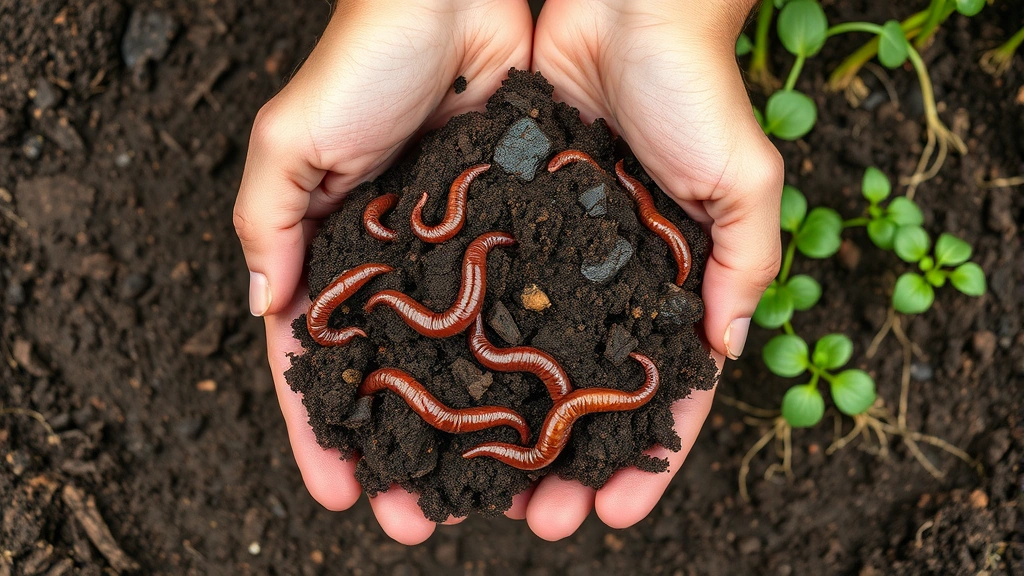
Amending your garden beds with organic matter significantly improves drainage while maintaining adequate moisture retention. Incorporate 3-4 inches of well-aged compost, aged bark, or coconut coir into the top 8-12 inches of existing soil. This amendment increases porosity, allowing water to drain through while improving the soil’s ability to hold nutrients and beneficial microorganisms that compete with pathogenic species.
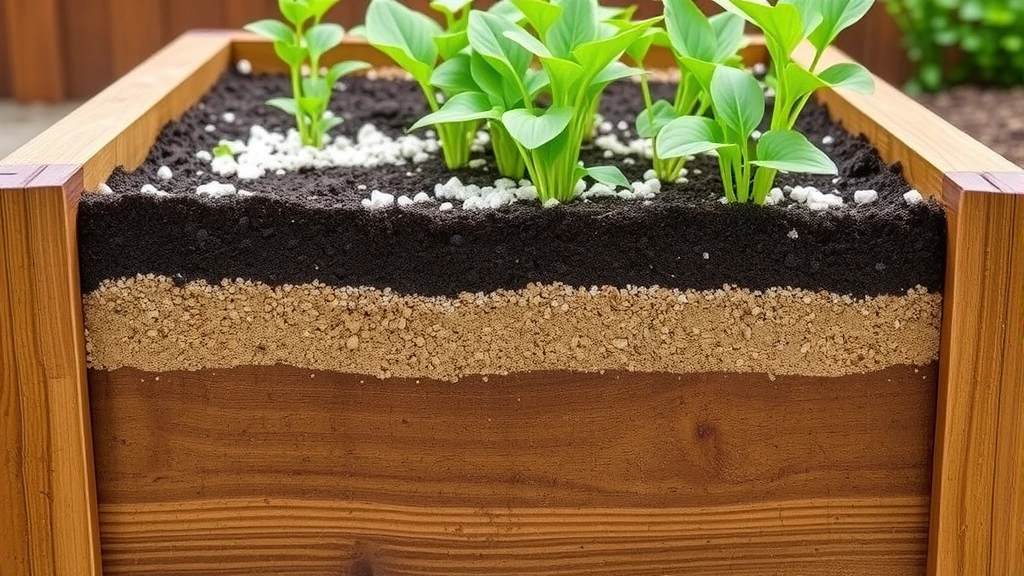
Raised beds offer an excellent solution for gardens with inherently poor drainage. By creating elevated planting areas filled with quality soil mixes, you gain complete control over drainage characteristics. A typical rot-prevention soil mix combines equal parts compost, coarse perlite or pumice, and aged bark, creating an environment where water drains freely while roots access necessary moisture.
pH management also influences rot susceptibility. Most beneficial soil organisms and plant roots prefer slightly acidic to neutral conditions (pH 6.0-7.0). Testing soil pH annually and adjusting accordingly through lime application (to raise pH) or sulfur application (to lower pH) creates an inhospitable environment for many rot pathogens while supporting beneficial microbes.
Incorporating mycorrhizal fungi and beneficial bacteria during soil preparation strengthens plant immunity from the ground up. These microorganisms colonize root systems, enhancing nutrient uptake and producing compounds that suppress pathogenic fungi. Products containing Trichoderma, Bacillus, and Mycorrhiza species provide cost-effective biological protection.
Drainage Solutions for Waterlogged Gardens
Even perfectly prepared soil cannot overcome poor site drainage. Standing water and waterlogged conditions represent the primary culprit in most garden rot scenarios. Creating a rain garden redirects excess water away from planting areas while filtering runoff through native plantings that tolerate wet conditions.
French drains provide effective subsurface drainage solutions for chronically wet areas. These systems consist of perforated pipes buried in gravel-filled trenches, directing water away from problem zones toward designated drainage areas or dry wells. Installing French drains requires minimal technical expertise and delivers dramatic improvements in soil moisture management.
Swales and berms reshape landscape topography to encourage proper water movement. A swale—a shallow, vegetated depression—captures and redirects runoff while filtering sediment. Building berms (raised ridges) around planting areas elevates beds above surrounding water accumulation zones, providing immediate relief in low-lying gardens.
For container gardens, ensuring proper drainage holes in all pots prevents water from pooling around roots. Elevation on feet or pot risers allows air circulation beneath containers, preventing moisture from accumulating on outdoor surfaces. Selecting garden pots and hanging baskets with adequate drainage capacity directly correlates with rot prevention success.
Subsurface irrigation systems deliver water directly to root zones, minimizing leaf wetness that promotes fungal disease. Drip irrigation lines and soaker hoses reduce water waste while maintaining consistent soil moisture without creating waterlogged conditions. These systems prove particularly valuable in humid climates where overhead watering exacerbates fungal problems.
Air Circulation and Spacing Strategies
Stagnant air creates humidity pockets where fungal spores germinate and spread rapidly. Proper plant spacing ensures air movement through foliage, reducing leaf wetness duration and creating conditions hostile to rot pathogens. Refer to mature plant dimensions rather than transplant size when determining spacing, avoiding the temptation to plant densely.
Pruning removes lower leaves and interior branches, improving air penetration through plant canopies. Remove any branches touching soil, as these contact points facilitate pathogen transfer from soil to foliage. Thinning dense growth opens the canopy, allowing breezes to dry foliage quickly after rain or irrigation.
Strategic garden placement maximizes natural air circulation. Avoid planting susceptible species in sheltered corners or against walls where air stagnates. Orienting rows north-south in vegetable gardens ensures morning sun exposure that dries dew and reduces fungal germination. Windbreaks placed downwind of gardens funnel breezes through plantings without creating turbulent dead zones.
Trellising and vertical growing techniques reduce disease pressure by elevating foliage above soil-level moisture and improving air access. Growing bitter melon and other vining crops vertically on sturdy supports increases productivity while minimizing rot risk. Determinate tomatoes trained to single or double stems suffer far fewer fungal infections than unpruned plants.
Companion planting strategically positions species to enhance air movement. Taller plants placed north of shorter varieties create wind channels that dry foliage and soil surfaces. Avoiding dense polycultures in favor of loosely arranged mixed plantings preserves air circulation benefits while maintaining aesthetic appeal.
Watering Techniques to Prevent Fungal Disease
Timing and method of water application dramatically influence rot development. Overhead watering—while convenient—creates prolonged leaf wetness that encourages fungal spore germination. Watering early morning allows foliage to dry as temperatures rise and sun exposure increases, minimizing disease risk. Never water in evening when plants cannot dry before nightfall.
Soil-level irrigation delivers moisture directly to root zones, keeping foliage dry. Drip lines, soaker hoses, and ollas (buried clay pots that slowly release water) provide consistent moisture without wetting leaves. For hand-watering, direct water to soil at the plant base, avoiding foliage contact entirely.
Consistency in watering prevents stress-induced disease susceptibility. Fluctuating between drought and waterlogging weakens plants, increasing rot pathogen invasion. Establishing deep, infrequent watering schedules encourages robust root development. Applying 1-1.5 inches weekly through slow, deep irrigation creates ideal growing conditions while discouraging surface fungal infections.
Mulching conserves soil moisture while regulating temperature and reducing pathogen splash from soil to foliage. Apply 2-3 inches of aged compost, shredded leaves, or wood chips around plants, maintaining a 4-6 inch clearance from stems to prevent stem rot. Mulch creates a barrier that reduces direct soil-to-plant contact, limiting pathogen transmission.
Rainwater collection systems provide disease-free irrigation water. Chlorinated municipal water can suppress beneficial soil organisms, while collected rainwater supports microbial diversity. Installing rain barrels with screening prevents mosquito breeding while capturing free water for consistent garden hydration.
Container Gardening and Rot Prevention
Container gardens offer superior control over rot prevention variables. Selecting high-quality potting mixes specifically formulated for drainage prevents waterlogging that plagues in-ground gardens. Commercial potting mixes typically contain perlite, vermiculite, or bark components that ensure rapid water movement.
Pot selection influences rot risk significantly. Terracotta breathes, allowing soil to dry between waterings, while plastic retains moisture longer. Glazed ceramic provides moderate drainage retention. For rot-prone plants like succulents and orchids, terracotta pots with multiple drainage holes prove most suitable.
Elevated container placement on pot feet allows air circulation beneath pots, preventing water pooling on outdoor surfaces. This elevation also discourages pests from accessing containers while improving drainage efficiency.
Container size matters tremendously. Oversized pots hold excessive moisture around limited root systems, creating anaerobic conditions. Selecting containers only slightly larger than root balls (typically 1-2 inches additional diameter) ensures moisture is utilized by plant roots rather than creating stagnant pockets.
Seasonal container management prevents rot development. In spring, refresh potting mix partially by removing and replacing the top 2-3 inches with fresh material. This practice removes accumulated pathogens and salts while rejuvenating the growing medium. Annual complete repotting every 2-3 years maintains soil health in long-term container plantings.
Seasonal Rot Prevention Practices
Spring gardening requires aggressive preventative measures before warm, moist conditions activate rot pathogens. Apply dormant oil sprays to woody plants before growth begins, smothering overwintering fungal spores. Clean up all plant debris from previous seasons, removing potential pathogen reservoirs. Disinfect garden tools with 10% bleach solution to prevent pathogen transmission between plants.
Summer heat accelerates fungal reproduction in humid conditions. Increase air circulation through strategic pruning and spacing adjustments. Monitor plants closely for early disease signs, removing affected leaves immediately. Reduce nitrogen fertilization in summer, as excessive tender growth invites fungal colonization. Maintain consistent watering to prevent stress-induced susceptibility.
Fall management sets the stage for spring success. Remove fallen leaves and plant debris that harbor overwintering fungal structures. Plant cool-season crops in well-draining raised beds to avoid late-season root rot. Reduce watering frequency as temperatures drop and plant growth slows, preventing waterlogged conditions during dormancy.
Winter preparation in cold climates involves protecting perennials through proper mulching without smothering crowns. Ensure drainage around trees and shrubs so snowmelt doesn’t create ice dams that promote rot. In mild climates, winter represents peak disease season due to cool, moist conditions—maintain vigilant spacing and air circulation practices.
Year-round sanitation prevents rot accumulation. Remove diseased plant material immediately, disposing of it in trash rather than compost. Never compost diseased foliage, roots, or fruits that might harbor viable pathogens. Maintain clean garden beds free of debris that creates humid microclimates favoring fungal growth.
FAQ
What are the first signs of root rot in plants?
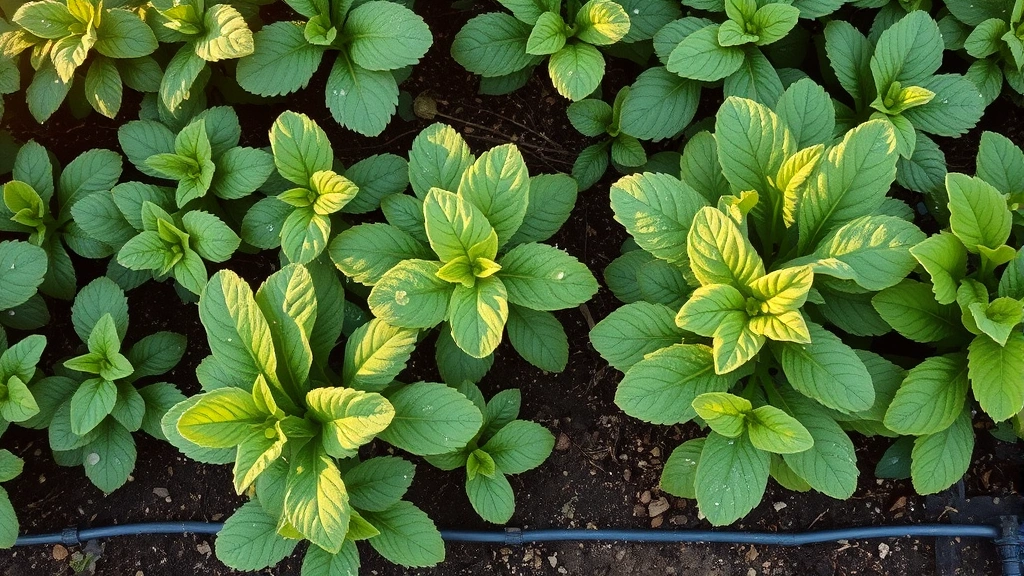
Early root rot symptoms include yellowing leaves, wilting despite moist soil, stunted growth, and mushy roots visible when removed from soil. Plants may emit sour or rotten odors from the soil. Detecting root rot early dramatically improves treatment success rates through improved drainage and reduced watering.
Can I save a plant with severe rot?
Severe rot is often irreversible, but attempting rescue by repotting into fresh, well-draining soil may succeed if some healthy roots remain. Remove all visibly rotted tissue, allow cut surfaces to air-dry briefly, then pot into sterile medium. Reduce watering dramatically and provide bright, indirect light during recovery.
Is there a natural fungicide for garden rot prevention?
Sulfur dust, neem oil, and copper fungicides provide organic rot prevention when applied preventatively. Bacillus subtilis products offer biological fungal suppression. However, prevention through proper drainage, spacing, and watering proves far more effective than any fungicide application.
How often should I water to prevent rot?
Watering frequency depends on soil type, climate, and plant species. Generally, soil should dry slightly between waterings. Most plants prefer 1-1.5 inches weekly delivered slowly through drip irrigation rather than frequent shallow watering that maintains surface wetness.
Does garden border edging help prevent rot?
Proper edging defines planting areas and improves drainage patterns by preventing water from pooling at bed edges. Metal or stone edging also reduces slug and snail populations that transmit fungal spores while creating clear separation between beds and lawn areas.


