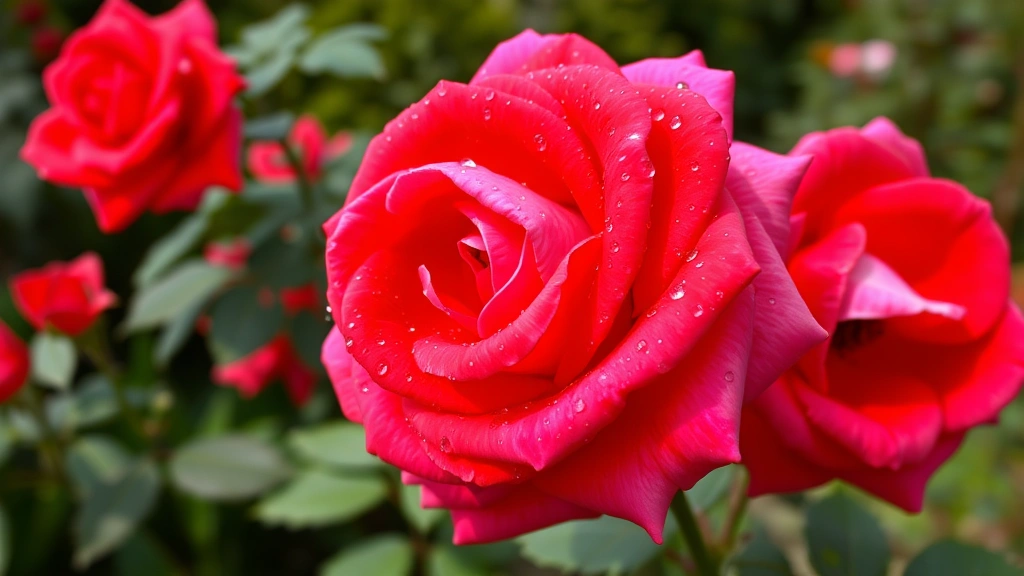
Portland Rose Garden Events: Your Local Enthusiast Guide
Portland, Oregon has earned its reputation as the Rose City, and for good reason. The region’s mild climate, abundant rainfall, and passionate gardening community create the perfect environment for rose cultivation and celebration. Whether you’re a seasoned rose gardener or a curious newcomer, Portland offers year-round events and venues dedicated to these magnificent flowers. From the iconic International Rose Test Garden to intimate community gatherings, there’s always something blooming in Portland’s rose calendar.
This guide will help you navigate the best rose garden events Portland has to offer, connect with local enthusiasts, and discover opportunities to deepen your knowledge of these classic beauties. We’ll explore seasonal events, permanent gardens you can visit, and practical tips for getting the most out of your rose-focused adventures in the Pacific Northwest.
International Rose Test Garden & Year-Round Visits
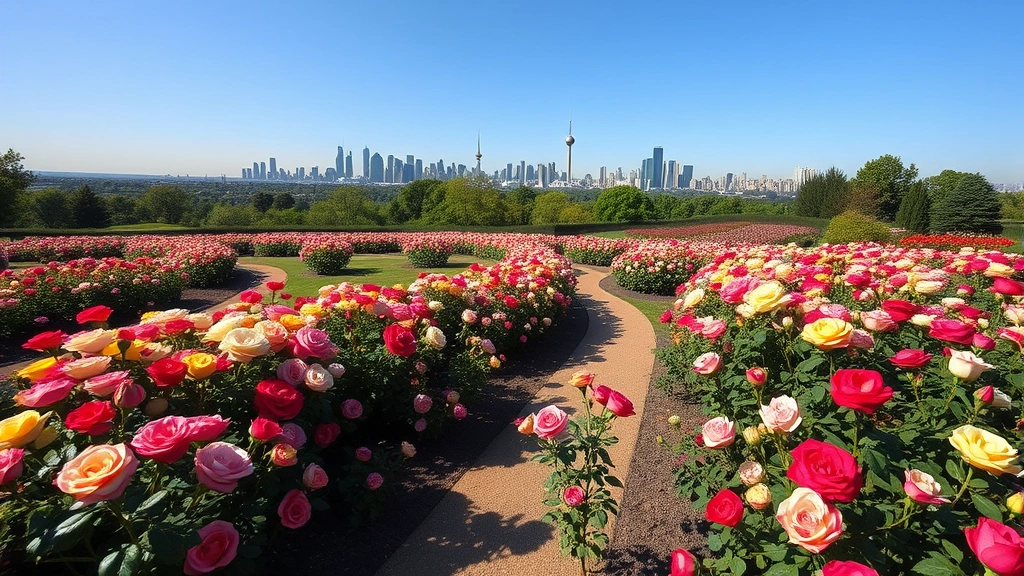
The International Rose Test Garden in Washington Park stands as Portland’s crown jewel for rose enthusiasts. Open year-round and free to visit, this 5.2-acre garden contains over 10,000 rose plants representing more than 650 varieties. The garden’s location on a hillside provides stunning views of downtown Portland and Mount Hood, making it an ideal destination for both serious gardeners and casual visitors.
The test garden operates on a unique mission: evaluating new rose varieties from breeders worldwide and awarding gold medals to exceptional performers. Each year, approximately 50 new rose varieties are tested in the All-America Rose Selections (AARS) program. This means you’re essentially witnessing horticultural innovation in real-time, observing roses before they become commercially available.
Spring visits (April through May) offer the first major bloom period, with flowers appearing as temperatures warm. Summer brings the most prolific flowering, while fall often produces a second flush of blooms. Winter visitors appreciate the garden’s structural beauty and the opportunity to observe bare canes and plant architecture. The garden provides excellent opportunities to learn about rose care and observe how different varieties perform in Portland’s climate.
When visiting, bring a notebook to record your favorite varieties and growing conditions. The garden’s layout allows you to study roses by classification, color, and breeding lines. Many visitors use these visits to plan their own garden layouts at home, adapting the professional design principles they observe.
Spring Rose Events & Garden Tours
Spring marks the beginning of Portland’s rose event season, typically starting in April. The Rose City Garden Club and other local organizations host guided tours through public and private gardens, offering insider perspectives on rose cultivation in our region. These tours provide invaluable networking opportunities with experienced growers who share their secrets for success.
Many spring events focus on preparing for the main bloom season. Workshops cover topics like pruning techniques, disease prevention, and fertilization schedules tailored to Portland’s growing conditions. Local nurseries and garden centers often host spring seminars featuring master gardeners and rose society members who discuss variety selection and installation methods.
The Portland Rose Society typically schedules spring meetings and garden walks during May, coinciding with peak early bloom. These gatherings often include plant sales where you can purchase award-winning varieties recommended by local experts. Spring is also when many gardeners construct or expand their rose beds, making it an excellent time to learn about building raised garden beds specifically designed for roses.
Consider visiting during the International Rose Test Garden’s spring bloom peak to see newly awarded varieties in full flower. Many events include educational talks about the AARS selection process and what makes certain roses excel in Portland’s climate.
Summer Celebrations & Peak Bloom Season
June through July represents peak rose season in Portland, with the International Rose Test Garden at maximum bloom. The garden often hosts special events during this period, including the annual Rose Festival parade and related activities throughout the city. These celebrations attract rose lovers from around the world and include rose shows where exhibitors display their finest blooms.
Rose shows during summer months follow strict judging standards, with entries evaluated for form, color, fragrance, and overall quality. Attending a rose show provides education about what constitutes excellence in rose cultivation and exposure to premium varieties you might not encounter elsewhere. Many shows include educational seminars about pest management, disease identification, and advanced cultivation techniques.
Summer events often feature flower arranging tips and demonstrations, showing how to create stunning bouquets from garden roses. These sessions are invaluable for understanding which varieties work best for cutting and arranging, and how to maximize vase life for homegrown blooms.
The warm, dry summers in Portland (typically June through August) create ideal conditions for roses, though supplemental watering becomes essential. Many events include discussions about irrigation systems and efficient watering methods. Learning about proper garden hose selection ensures you have the right tools for maintaining roses during dry spells.
Summer is also peak season for visiting private gardens during organized garden tours. These exclusive access events allow you to see how accomplished gardeners have designed and maintained their collections, providing inspiration and practical solutions for common challenges.
Fall Festivals & Autumn Rose Shows
September and October bring a second wave of rose enthusiasm as gardens produce fresh blooms during cooler temperatures. The fall rose show season features some of the year’s finest exhibition roses, as many varieties produce superior flowers in autumn conditions. The cooler nights and moderate days extend bloom duration and intensify petal colors.
Fall events often include educational sessions on preparing roses for winter dormancy and planning next year’s garden. Experienced growers share strategies for protecting roses during Portland’s wet winters and managing fungal diseases that can develop during damp months. These practical sessions help ensure your roses survive the winter and return vigorous in spring.
Many fall festivals feature heritage rose sales and discussions about old garden roses, which often perform exceptionally well in Portland’s climate. These heirloom varieties offer disease resistance and reliability, making them excellent choices for gardeners seeking low-maintenance options. Fall events provide opportunities to purchase well-established plants that can be installed before winter.
September through October is also ideal for planting new roses, as cool weather and fall rains reduce transplant stress. Many events include installation workshops demonstrating proper planting depth, soil preparation, and amendment techniques. Understanding vertical garden options helps you maximize space if you’re designing a new rose area.
Local Rose Societies & Community Groups
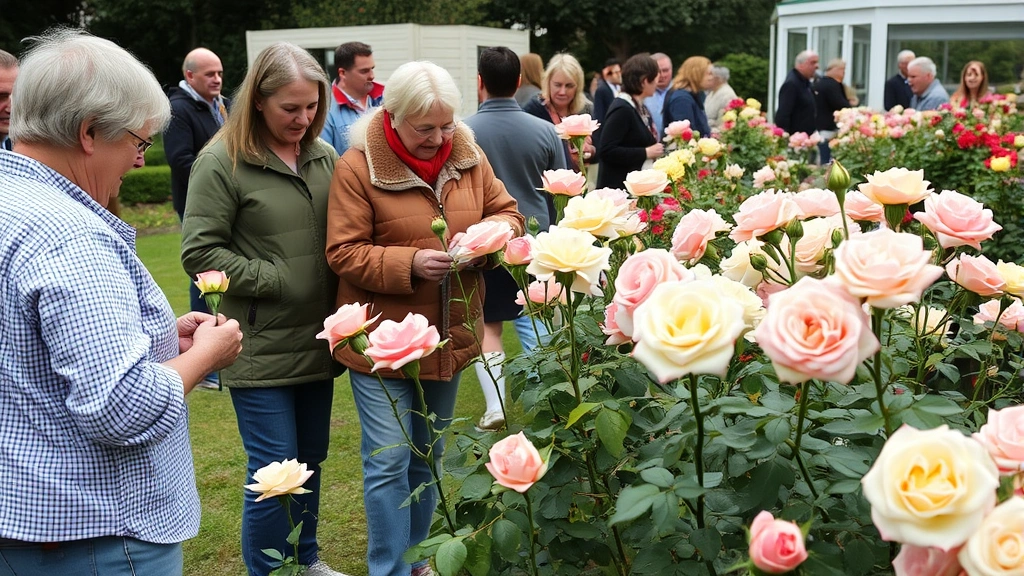
The Portland Rose Society stands as the primary organization for rose enthusiasts in the region, offering monthly meetings, garden tours, plant sales, and educational opportunities. Membership provides access to expert advice, networking with experienced growers, and invitations to exclusive events and private garden tours. The society maintains relationships with the International Rose Test Garden and coordinates many of the region’s premier rose events.
The Rose City Garden Club and numerous neighborhood garden clubs throughout the Portland area host rose-focused activities and educational programs. These organizations range from formal groups meeting monthly to informal neighborhood gatherings, providing various levels of engagement depending on your interests and schedule.
Many Portland-area parks and botanical institutions host rose-related programs and events. The Oregon Garden in nearby Silverton features extensive rose collections and regularly hosts rose seminars and events. The Hoover Botanical Gardens and other regional institutions provide additional venues for rose education and appreciation.
Joining these communities provides mentorship from experienced rose gardeners who understand Portland’s specific climate challenges and opportunities. Members often share propagation materials, recommend pest management solutions, and provide encouragement during challenging growing seasons. These connections prove invaluable for developing your rose gardening skills and discovering new varieties worth growing.
Planning Your Rose Garden at Home
Attending Portland rose events provides inspiration and knowledge for creating your own rose garden. Understanding the climate, soil conditions, and variety selection that succeed locally allows you to plan effectively. Most rose gardens benefit from dedicated beds with excellent drainage and air circulation, preventing the fungal diseases common in Portland’s wet climate.
Site selection proves critical for rose success. Roses require minimum 6-8 hours of direct sunlight daily, though afternoon shade can actually benefit them during extremely hot periods. Good air circulation around plants reduces disease pressure, making open locations preferable to areas crowded with competing plants.
Soil preparation deserves significant attention in Portland gardens. While our region receives abundant rainfall, this can lead to poor drainage in heavy clay soils. Incorporating compost, peat moss, and other organic amendments improves drainage while building soil structure. Raised beds provide excellent solutions for gardeners with problematic native soil, allowing you to control the growing medium completely.
Variety selection should prioritize roses that perform well in our region. Event attendees and society members consistently recommend disease-resistant varieties suited to Portland’s climate. The International Rose Test Garden’s award winners provide an excellent starting point, as these varieties have been evaluated in our exact conditions.
Planning your layout around garden benches and seating areas creates inviting spaces where you can enjoy your roses while observing plant performance. Many Portland rose gardens incorporate water features, pathways, and complementary plantings that create beautiful, functional spaces for relaxation and entertaining.
Seasonal Care Tips for Portland Roses
Spring (March-May): Prune roses in early spring as new growth emerges, typically mid-March. Remove dead canes, thin crowded growth, and shape plants for the coming season. Apply dormant oil and sulfur sprays before new growth appears to manage overwintering pests and diseases. As temperatures warm, begin regular feeding programs and monitor for emerging pests.
Summer (June-August): Maintain consistent watering, providing deep soakings rather than frequent light sprinklings. Deadhead spent blooms regularly to encourage continuous flowering. Monitor for aphids, spider mites, and powdery mildew, addressing issues promptly. Apply fungicides preventatively during humid periods, particularly in July and August when disease pressure increases. Many experienced growers reduce fertilizer applications in late summer to harden plants before fall.
Fall (September-November): Continue deadheading through September to encourage fall blooms, then stop in October to allow hips to form, signaling plants to enter dormancy. Reduce watering as rainfall increases naturally. Avoid heavy nitrogen fertilization that would stimulate tender new growth vulnerable to frost damage. Clear fallen leaves and debris to reduce disease inoculum for next season. Plant new roses in September and October when soil temperatures remain warm but air temperatures have cooled.
Winter (December-February): Roses enter dormancy and require minimal care. Avoid pruning during winter, as frost damage to fresh cuts can harm canes. In severe winters, mound soil or mulch around cane bases to protect graft unions. Many Portland gardeners apply thick mulch layers in December, removing them gradually as spring approaches. Monitor for winter rain damage and remove any dead or diseased wood.
Portland’s maritime climate creates unique challenges and opportunities for rose growing. Our mild winters mean roses rarely experience the harsh dormancy of colder regions, while our wet springs can promote fungal diseases. Understanding these conditions allows you to select appropriate varieties and implement preventive management strategies that keep roses healthy and vigorous.
FAQ
When is the best time to visit the International Rose Test Garden?
June through July offers peak bloom and the most spectacular displays. However, spring (May) and fall (September-October) provide excellent viewing with smaller crowds. Winter visits showcase garden structure and design. The garden is free and open year-round, so visit whenever your schedule allows.
How do I join the Portland Rose Society?
Contact the Portland Rose Society through the International Rose Test Garden or search for current membership information online. The society meets monthly and welcomes rose enthusiasts of all experience levels. Membership includes access to meetings, tours, plant sales, and educational resources.
What roses grow best in Portland’s climate?
Disease-resistant varieties suited to maritime climates perform best. Award-winning varieties from the International Rose Test Garden provide excellent starting points. Heritage roses and old garden roses often thrive in Portland conditions. Local rose society members can recommend specific varieties for your growing conditions.
How often should I water roses in Portland?
During dry summers (June-August), roses need deep watering 1-2 times weekly, depending on soil and weather. Spring and fall typically provide adequate rainfall. Winter rarely requires supplemental watering. Monitor soil moisture rather than following a fixed schedule, as conditions vary seasonally.
Are there rose events during winter?
While major events concentrate in spring, summer, and fall, the Portland Rose Society typically meets year-round. Winter meetings often focus on planning, variety selection, and indoor activities. The International Rose Test Garden remains open and offers quiet winter visiting opportunities.
Can I visit private rose gardens in Portland?
Yes, organized garden tour events throughout the year provide access to private collections. The Portland Rose Society and local garden clubs coordinate these exclusive access opportunities. Spring and summer tours are most common, though fall tours also occur.


