
Raised Garden Beds: Breeze Blocks DIY Guide
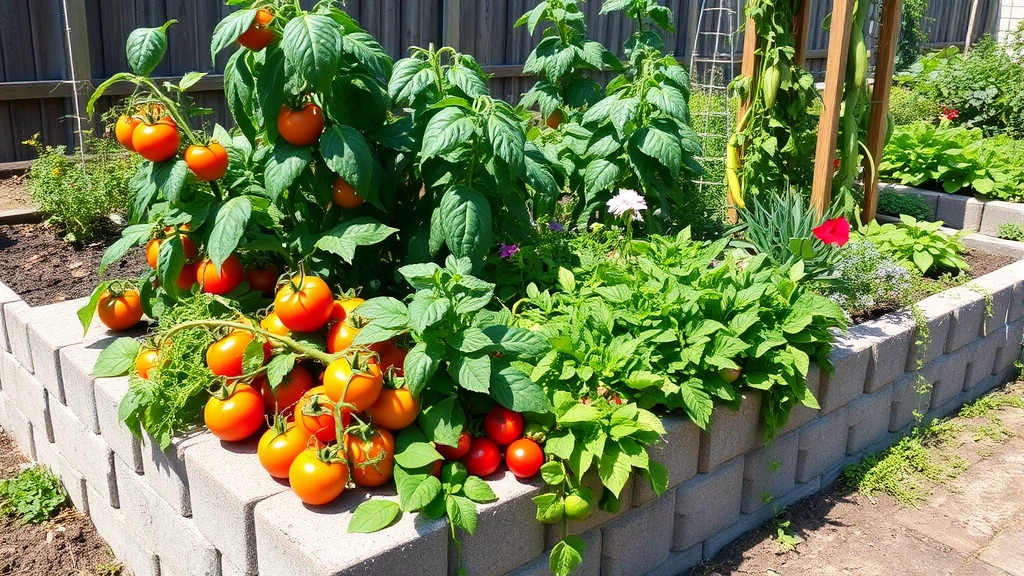
Breeze blocks offer an affordable, durable, and visually interesting solution for creating DIY raised garden beds that elevate your gardening experience. These hollow concrete blocks, also called cinder blocks or concrete masonry units, provide excellent structural support while allowing water drainage and air circulation around your plants. Whether you’re a beginner looking to start your first vegetable garden or an experienced gardener seeking to expand your growing space, breeze block raised beds deliver practical benefits without requiring specialized construction skills or expensive materials.
The beauty of using breeze blocks lies in their versatility and accessibility. You can find them at any home improvement store, stack them to your desired height, and begin planting within hours. This guide walks you through everything you need to know about constructing, filling, and maintaining breeze block raised beds for optimal plant growth and garden aesthetics.

Why Choose Breeze Blocks for Raised Beds
Breeze blocks stand out as one of the most practical materials for raised garden bed construction. Unlike wood, which can rot and require chemical treatments, breeze blocks remain stable for decades with minimal maintenance. They resist pest damage, won’t splinter or deteriorate, and provide consistent structural integrity regardless of weather conditions. The hollow cores of breeze blocks also create natural drainage channels that prevent waterlogging while maintaining adequate moisture retention for plant roots.
Another significant advantage involves cost-effectiveness. Breeze blocks typically cost between $1-3 each, making them substantially cheaper than composite materials or cedar lumber. For a standard 4×8 foot bed with two layers of blocks, you’ll spend roughly $40-60 on materials. This affordability allows gardeners to create multiple beds or expand existing gardens without breaking their budgets. Additionally, breeze blocks are environmentally friendly since they’re recycled from industrial waste and can be reused or recycled again at the end of their life cycle.
The aesthetic appeal of breeze block beds shouldn’t be overlooked either. Modern gardeners appreciate the industrial-modern look these blocks provide, especially when arranged in creative patterns or stacked at varying heights. You can paint breeze blocks to match your landscape design, creating cohesive garden spaces that enhance your property’s curb appeal. Many gardeners integrate garden art elements around their breeze block structures to create stunning focal points in their outdoor spaces.
Materials and Tools You’ll Need
Before beginning your breeze block raised bed project, gather all necessary materials and tools. For a basic 4×8 foot bed standing 12-16 inches tall, you’ll need 16-24 breeze blocks (depending on your desired height and whether you want single or double-layer construction). Purchase blocks that measure the standard 8x8x16 inches, which stack easily and create consistent proportions.
Essential Materials:
- Breeze blocks (quantity depends on bed dimensions)
- Landscape fabric or cardboard for weed barrier
- Garden soil or potting mix
- Compost or aged manure for enrichment
- Mulch for top dressing
- Optional: wood or metal corner braces for added stability
Tools Required:
- Level (essential for ensuring proper drainage)
- Measuring tape
- Shovel and spade
- Work gloves
- Safety glasses
- Optional: power drill for corner anchoring
- Optional: paint and paintbrushes if customizing appearance
You may also want to gather landscape edging or metal corner brackets to reinforce corners and prevent blocks from shifting over time. While not absolutely necessary for small beds, these additions significantly improve structural integrity for larger installations or beds that will contain heavy, moisture-saturated soil.
Step-by-Step Construction Guide
Begin by selecting an appropriate location that receives adequate sunlight for your intended plants. Most vegetables require 6-8 hours of direct sun daily, while shade-tolerant plants benefit from afternoon protection. Clear the area of grass, weeds, and debris. You don’t need to remove existing sod entirely, but level the ground as much as possible to ensure your blocks sit evenly.
Step 1: Prepare the Foundation
Lay out your breeze blocks in the desired configuration without mortar or adhesive. Use your level frequently to check that the ground slopes evenly in all directions. Make minor adjustments by removing soil from high spots or adding soil to low areas. The foundation should be relatively level; slight slopes are acceptable but major variations will cause water to pool unevenly and compromise plant health.
Step 2: Stack Your Blocks
Place your first layer of breeze blocks with the hollow cores facing up. For a single-layer bed, stack blocks to your desired height (typically 12-24 inches). For double-layer beds, place the second layer directly atop the first, offsetting the joints similar to brick laying patterns. This offset arrangement provides greater structural stability and distributes weight more evenly. Use your level constantly to ensure blocks remain plumb and level as you stack.
Step 3: Secure Corners
While breeze blocks can stand without additional fastening, securing corners prevents shifting. Install metal L-brackets at interior corners, drilling through blocks into the brackets for maximum stability. Alternatively, use wooden corner posts positioned inside the bed and secured with lag bolts through the blocks. These reinforcements become increasingly important for larger beds or areas with significant soil pressure.
Step 4: Install Landscape Fabric
Line the interior bottom with landscape fabric or cardboard to suppress weeds while allowing water drainage. This barrier prevents soil from falling through the hollow cores and keeps the area beneath your bed cleaner. Overlap fabric sections by 6 inches and extend it up the interior walls by 3-4 inches to prevent soil erosion at the base.
Soil Preparation and Filling
Proper soil composition determines your garden’s success. Create a balanced mixture combining three components: topsoil, compost, and aged manure or leaf mold. A proven formula uses equal parts of each, though you can adjust ratios based on your specific plants and local soil conditions. This mixture provides excellent drainage, nutrient availability, and water retention.
Calculate soil volume needed by multiplying length × width × depth (all in feet), then dividing by 27 to convert cubic feet to cubic yards. A 4×8 foot bed 12 inches deep requires approximately 1.2 cubic yards of soil. Most suppliers sell soil by the cubic yard, making this calculation essential for accurate ordering.
Fill your bed gradually, watering each layer as you add it to promote settling and eliminate air pockets. Overfilling initially is acceptable since soil settles significantly over the first few weeks. Top off your bed once settling occurs, aiming for final soil levels 1-2 inches below the block tops to prevent overflow during watering.
Consider incorporating slow-release fertilizers, mycorrhizal fungi, or beneficial bacteria into your soil mix. These additions establish a healthy soil ecosystem that supports robust plant growth throughout the season. If you’re planning to grow herbs like sage or other Mediterranean plants, amend your soil with additional perlite or sand to improve drainage.
Best Plants for Breeze Block Beds
Raised beds with breeze blocks accommodate virtually any garden plant, but certain varieties thrive particularly well in these elevated environments. Vegetables grow exceptionally well since the controlled soil environment eliminates many soil-borne diseases and pests while providing excellent drainage and root development space.
Excellent Vegetable Choices:
- Tomatoes and peppers (benefit from deep root space)
- Leafy greens (lettuce, spinach, kale)
- Root vegetables (carrots, beets, radishes)
- Beans and peas (nitrogen-fixing benefits)
- Cucumbers and squash (trailing varieties work wonderfully)
- Herbs for culinary use and aromatics
Breeze block beds also excel for flower gardening, supporting perennials, annuals, and bulbs beautifully. The elevated position offers excellent visibility and accessibility for deadheading, watering, and pest management. Many gardeners incorporate native plants into breeze block beds, creating pollinator-friendly spaces that support local ecosystems.
Consider creating specialized beds for different plant families. Dedicate one bed to nightshades (tomatoes, peppers, eggplant), another to brassicas (cabbage, broccoli, kale), and a third to legumes (beans, peas). This crop rotation strategy naturally reduces disease pressure and pest infestations while improving soil health through nitrogen fixation.
For shaded areas, breeze block beds work wonderfully for ferns, hostas, and shade-tolerant perennials. You can even use shade cloth over beds during intense summer heat to protect sensitive plants and extend growing seasons for cool-weather crops.
Maintenance and Seasonal Care
Breeze block beds require minimal maintenance compared to traditional in-ground gardens. During the growing season, focus on consistent watering, weeding, and monitoring for pests. The elevated position provides better air circulation, naturally reducing fungal diseases that plague ground-level gardens.
Water deeply and less frequently rather than shallow daily watering. This encourages deeper root development and stronger plants. Check soil moisture by inserting your finger 2-3 inches into the soil; if it feels dry at that depth, water thoroughly until moisture drains from the bottom.
In fall, remove spent plants and add a layer of compost (2-3 inches) to replenish nutrients consumed during the growing season. This addition improves soil structure and provides organic matter for next year’s plants. If you’re creating a cottage garden style, allow some plants to self-seed or leave ornamental grasses standing for winter interest.
Winter care varies by climate. In cold regions, consider covering beds with burlap to protect blocks from frost damage, though this is rarely necessary since breeze blocks withstand freezing well. In mild climates, you can grow cool-season crops throughout winter, extending your harvest season significantly.
Spring maintenance involves refreshing the soil surface, adding new compost, and preparing beds for warm-season planting. Check block integrity and repair any damage before the growing season begins. This is also an excellent time to repaint blocks if you’ve chosen to customize their appearance.
Design Ideas and Layouts
Breeze block raised beds offer tremendous design flexibility. Create geometric patterns by arranging beds in grids, spirals, or free-form configurations. Stagger bed heights by using single layers in some areas and double layers in others, creating visual interest and varying microclimates for different plant types.
Paint breeze blocks in complementary colors to match your landscape design scheme. Soft earth tones (terracotta, sage green, warm gray) create sophisticated garden spaces, while bold colors make striking focal points. Use weatherproof exterior paint and apply sealant for longevity.
Integrate vertical elements within and around breeze block beds. Install trellises for climbing beans, peas, or cucumbers. Add wooden or metal arbors over beds to create shade structures that support vining plants while providing cooling benefits. These additions transform simple raised beds into three-dimensional garden features that maximize growing space.
Consider accessibility when designing layouts. Space beds at least 3 feet apart to allow comfortable walking and garden maintenance. If you have mobility concerns, position beds at heights (20-24 inches) that eliminate excessive bending. Create pathways with mulch or stepping stones between beds for safe, attractive navigation.
Group beds thematically to create functional garden zones. Dedicate one area to edibles, another to ornamentals, and a third to medicinal or culinary herbs. This organization simplifies maintenance routines and helps visitors understand your garden’s purpose and design.
FAQ
How long do breeze block raised beds last?
Well-constructed breeze block beds typically last 20-30 years or longer. The blocks themselves are extremely durable, and minimal maintenance keeps them in excellent condition. Landscape fabric may need replacement every 5-7 years, but this involves simple removal and reinstallation without affecting the blocks themselves.
Do I need to seal breeze blocks?
Sealing is optional and primarily aesthetic. Breeze blocks naturally withstand weather exposure and don’t require sealant for structural integrity. However, applying masonry sealer protects painted finishes and can slightly extend the blocks’ lifespan. Choose food-safe sealers if growing edibles.
Can I use recycled or reclaimed breeze blocks?
Absolutely. Reclaimed breeze blocks often cost less and add character through varied coloring and patina. Inspect blocks for structural damage or contamination before use. Salvaged blocks from industrial or commercial demolition should be tested if you’re growing edibles, as they may contain harmful substances.
What’s the best soil depth for different plants?
Most vegetables require 12-18 inches of soil depth. Root vegetables like carrots and parsnips prefer 12-15 inches minimum, while tomatoes and peppers thrive with 18-24 inches. Shallow-rooted plants like lettuce and herbs grow well in 8-12 inches. Adjust your breeze block height accordingly for your intended plants.
How often should I replace soil in breeze block beds?
Complete soil replacement isn’t necessary if you maintain beds properly. Annually add 2-3 inches of compost to replenish nutrients and organic matter. After 3-5 years, you may want to remove and replace the top 6-8 inches of soil if it becomes compacted or depleted. Full replacement becomes necessary only if disease or pest contamination occurs.
Can breeze block beds be used in winter?
Yes. In cold climates, breeze blocks actually provide some insulation, protecting roots from extreme temperature fluctuations. You can grow cool-season crops throughout winter in mild areas. In harsh climates, cover beds with burlap or row covers to extend growing seasons and protect plants from freeze damage.
Are breeze blocks safe for growing food?
Modern breeze blocks are safe for vegetable and herb gardening. They don’t leach harmful chemicals into soil. However, if using very old or salvaged blocks, verify their source. Blocks from industrial sites may contain contaminants. When in doubt, line beds with landscape fabric as a precautionary barrier between soil and blocks.


