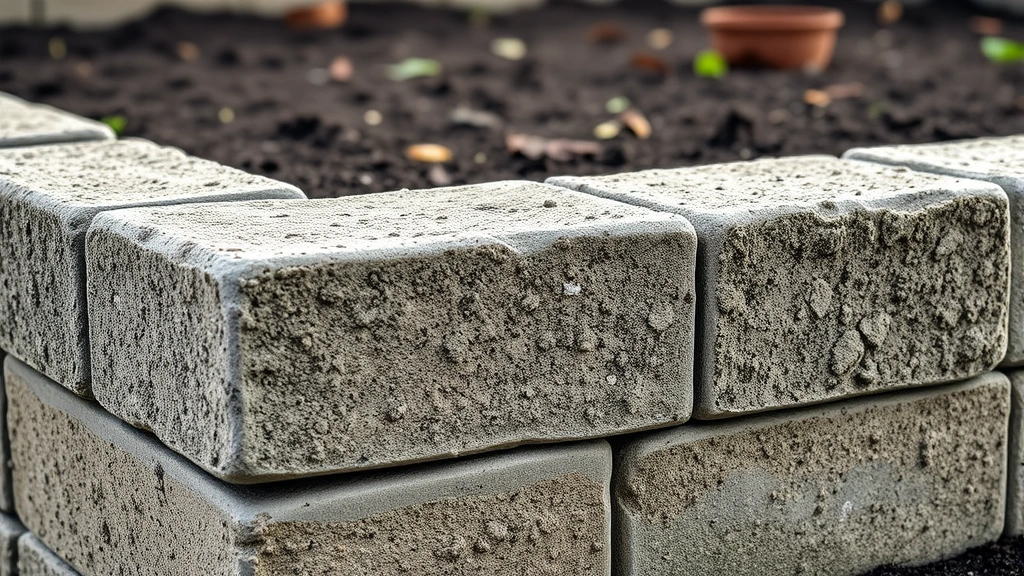
Are Cinder Blocks Safe for Raised Beds? Expert Insight
Cinder blocks have become a popular choice for gardeners building raised garden beds due to their affordability, accessibility, and ease of construction. However, many gardeners wonder whether these humble concrete blocks are truly safe for growing vegetables, herbs, and ornamental plants. The answer is more nuanced than a simple yes or no, depending on the type of cinder blocks used, soil composition, and what you’re planning to grow.
Understanding the potential risks and benefits of cinder blocks in raised bed gardening helps you make informed decisions about your garden infrastructure. This comprehensive guide explores the safety concerns, best practices, and alternatives to help you create a thriving and healthy growing environment for your plants.
Understanding Cinder Block Composition
Cinder blocks, also called concrete blocks or cinder cinder blocks, are manufactured from Portland cement, sand, gravel, and water. The manufacturing process creates hollow rectangular blocks that are lightweight yet durable. However, not all cinder blocks are created equal, and understanding their composition is crucial for determining their safety in a raised bed garden.
Traditional cinder blocks contain fly ash, a byproduct of coal combustion. Modern concrete blocks may use slag, recycled materials, or pure Portland cement. The specific ingredients affect the block’s chemical composition and potential for leaching harmful substances into your soil. Fly ash cinder blocks, once common, contained trace amounts of heavy metals including arsenic, cadmium, and lead.
Concrete blocks manufactured in recent decades typically meet stricter environmental standards than older blocks. If you’re sourcing cinder blocks from a demolition site or salvage yard, the blocks may be decades old and potentially contain higher concentrations of problematic materials. Always inquire about the age and manufacturing date of blocks before using them in a food-growing garden.
Chemical Leaching Concerns
The primary concern with using cinder blocks for raised beds centers on chemical leaching. When moisture from soil and watering comes into contact with the cinder block material, minerals and trace compounds can gradually dissolve and migrate into the surrounding soil. The extent of leaching depends on several factors:
- Block age and manufacturing standards: Newer blocks manufactured under modern environmental regulations pose less risk than vintage blocks.
- Soil pH: Acidic soils accelerate leaching more than neutral or alkaline soils. Acidic conditions dissolve concrete faster.
- Moisture levels: Consistently wet environments increase the rate of chemical migration from the blocks.
- Block type: Decorative or recycled cinder blocks may contain additives not present in standard concrete blocks.
- Plant type: Root vegetables and leafy greens absorb more minerals from soil than fruiting plants.
Research from various horticultural institutions suggests that the risk of harmful chemical accumulation in vegetables grown in cinder block beds is relatively low when modern blocks are used properly. However, the risk isn’t zero, particularly for long-term use in the same bed with root crops.
Heavy metals like lead can accumulate in the edible portions of certain plants, particularly leafy greens like lettuce and spinach. Young children are especially vulnerable to lead exposure, making this consideration important for family gardens. Testing your soil annually, particularly if you’re growing vegetables for consumption, provides concrete data about any chemical accumulation.
Types of Cinder Blocks for Garden Use
Not all cinder blocks are suitable for raised bed gardening. Understanding the different types helps you select the safest option:
Standard Concrete Blocks: These are the most common type found at building supply stores. Made primarily from Portland cement, sand, and gravel, they’re generally considered safe for gardens when manufactured recently. Look for blocks produced within the last 10-15 years for optimal safety.
Fly Ash Cinder Blocks: These blocks incorporate fly ash from coal power plants. While regulations now limit harmful additives, older fly ash blocks may contain elevated levels of heavy metals. Avoid these if possible, especially for vegetable gardens.
Recycled Content Blocks: Some manufacturers create blocks from recycled concrete and other materials. While environmentally friendly, these may contain unknown contaminants. Verify the source and composition before purchasing.
Decorative or Colored Blocks: Blocks with added dyes or decorative coatings may contain additional chemicals. These are generally not recommended for food-growing gardens, though they’re acceptable for ornamental plantings.
Interlocking Blocks: Specifically designed landscape blocks sometimes offer advantages over standard cinder blocks, including better water drainage and reduced leaching potential. These represent a middle ground between standard blocks and premium alternatives.

Soil Barriers and Protective Measures
One of the most effective strategies for minimizing chemical leaching from cinder blocks is installing a physical barrier between the blocks and your soil. Several barrier options provide excellent protection:
Landscape Fabric Liners: A high-quality landscape fabric creates a permeable barrier that allows water drainage while blocking direct contact between soil and concrete. Install the fabric along the interior walls of your cinder block bed before adding soil. This simple step significantly reduces leaching potential and is inexpensive to implement.
Plastic Sheeting: Heavy-duty plastic liners offer superior protection but may impede water drainage if not properly perforated. If using plastic, drill or punch holes every 6-12 inches to maintain adequate drainage while providing a protective barrier.
Cardboard Lining: Biodegradable cardboard provides temporary protection while breaking down over 1-2 seasons. This option works well for gardeners wanting a natural, compostable barrier that eventually becomes part of your soil ecosystem.
Wood Barriers: Installing untreated cedar or composite wood strips along the interior of cinder blocks creates an additional protective layer. This approach combines the affordability of cinder blocks with reduced chemical contact, though it requires more material investment.
For building a raised garden bed, combining cinder blocks with a quality liner provides maximum safety for vegetable production. This hybrid approach balances cost-effectiveness with health considerations, making it an excellent choice for conscientious gardeners.
Best Practices for Cinder Block Beds
If you decide to use cinder blocks for your raised bed, following these best practices maximizes safety and longevity:
Select New Blocks: Purchase cinder blocks manufactured within the last 5-10 years from reputable building supply companies. Ask the supplier about manufacturing dates and whether the blocks contain fly ash.
Install a Soil Barrier: Always line your cinder block bed with landscape fabric, plastic, or cardboard. This single step dramatically reduces chemical leaching concerns.
Test Your Soil: Conduct a soil test through your local extension service before planting and annually thereafter. Testing reveals any heavy metal accumulation and allows you to make informed decisions about what to grow.
Manage Soil pH: Maintain slightly alkaline to neutral soil pH (7.0-7.5) rather than acidic conditions. Higher pH reduces the rate of chemical leaching from concrete. Add lime or other pH-raising amendments as needed.
Use Quality Soil: Fill your bed with high-quality garden soil or compost rather than reusing old soil. Fresh soil provides a clean growing medium and dilutes any potential contaminants from the blocks.
Rotate Crops: Practice crop rotation to minimize accumulation of any chemicals in the same soil location. Rotate heavy feeders and root crops to different beds each season.
Prioritize Surface Vegetables: Grow fruiting crops like tomatoes, peppers, and beans rather than root vegetables or leafy greens in cinder block beds. These plants absorb fewer minerals from soil.
Refresh Soil Periodically: Every 2-3 years, replace the top 6-12 inches of soil with fresh compost or garden soil. This practice removes any accumulated materials and revitalizes your growing medium.
Monitor Plant Health: Watch for unusual discoloration, stunted growth, or other signs of nutrient imbalances. These symptoms may indicate chemical accumulation requiring soil testing or bed renovation.
Alternative Raised Bed Materials
If you have concerns about cinder blocks, several alternatives offer enhanced safety and aesthetics for your raised garden bed construction:
Untreated Cedar or Composite Wood: Cedar naturally resists decay and doesn’t leach harmful chemicals. Composite materials made from recycled plastic and wood offer longevity without chemical concerns. These options cost more than cinder blocks but provide peace of mind for long-term vegetable production.
Galvanized Steel: Metal raised beds offer durability and chemical safety. Hot-dipped galvanized steel resists rust and doesn’t leach harmful substances into soil. These beds are more expensive initially but last 15-20 years with minimal maintenance.
Composite Boards: Engineered composite materials combine wood fiber with recycled plastic, creating durable, chemical-free raised beds that resist rot and insect damage. These represent an excellent middle ground between cost and safety.
Recycled Plastic Lumber: Made entirely from post-consumer plastic waste, these boards eliminate chemical leaching concerns while supporting environmental sustainability. They’re lighter than wood and require no finishing or maintenance.
Stacked Stone or Pavers: Natural stone provides an attractive, chemically inert option for raised beds. While more labor-intensive to construct, stone beds offer permanence and aesthetic appeal that complements any garden design.
Consider your budget, timeline, and long-term gardening goals when selecting materials. Cinder blocks remain a viable option when used with proper precautions, but premium alternatives may offer superior safety and durability for serious vegetable gardeners.
FAQ
Are cinder blocks safe for growing vegetables?
Cinder blocks are generally safe for growing vegetables when modern blocks are used, a soil barrier is installed, and soil is tested regularly. The risk of harmful chemical accumulation is relatively low but not zero. Using a landscape fabric liner significantly improves safety.
What’s the difference between cinder blocks and concrete blocks?
Cinder blocks traditionally contain fly ash (coal byproduct), while concrete blocks are made primarily from Portland cement. Modern manufacturing has blurred these distinctions, but concrete blocks manufactured recently are generally considered safer for gardens than older fly ash blocks.
How do I prevent chemical leaching from cinder blocks?
Install a landscape fabric, plastic, or cardboard barrier between the blocks and soil. Maintain neutral to slightly alkaline soil pH, use quality fresh soil, and test your soil annually. These measures collectively minimize leaching risk.
Can I use old cinder blocks from a demolition site?
Old blocks may contain higher concentrations of heavy metals and other contaminants. It’s best to use new or relatively recent blocks (less than 15 years old) from reputable suppliers for food-growing gardens.
Should I grow root vegetables in cinder block beds?
Root vegetables and leafy greens absorb more minerals from soil than fruiting crops. If using cinder blocks, prioritize growing tomatoes, peppers, beans, and other fruiting plants rather than carrots, beets, or spinach.
How often should I test soil in a cinder block bed?
Test soil annually, particularly in the first 3-5 years of use. After establishing a baseline and confirming no problematic accumulation, testing every 2-3 years is sufficient. Contact your local extension service for testing recommendations.
What’s the lifespan of a cinder block raised bed?
Properly constructed cinder block beds last 10-15 years before weathering and deterioration become noticeable. The blocks themselves remain structurally sound longer, but soil barriers may need replacement after 5-7 years.
Can I paint cinder blocks to improve appearance and safety?
Paint or sealant can reduce leaching by sealing the block surface. Use food-safe, non-toxic sealers specifically designed for garden use. Avoid standard paints or sealers that may contain harmful chemicals.
For additional expert guidance on raised bed gardening and soil safety, consult your local Oregon State Extension Service, the American Horticultural Society, or your state’s Master Gardener program. These organizations provide region-specific recommendations and soil testing services to support your gardening success.
Whether you choose cinder blocks or alternative materials for your raised bed, the most important factors are installing proper soil barriers, testing regularly, and maintaining healthy soil practices. With appropriate precautions, cinder block raised beds can support productive vegetable gardens for many seasons while keeping your family safe and healthy.


