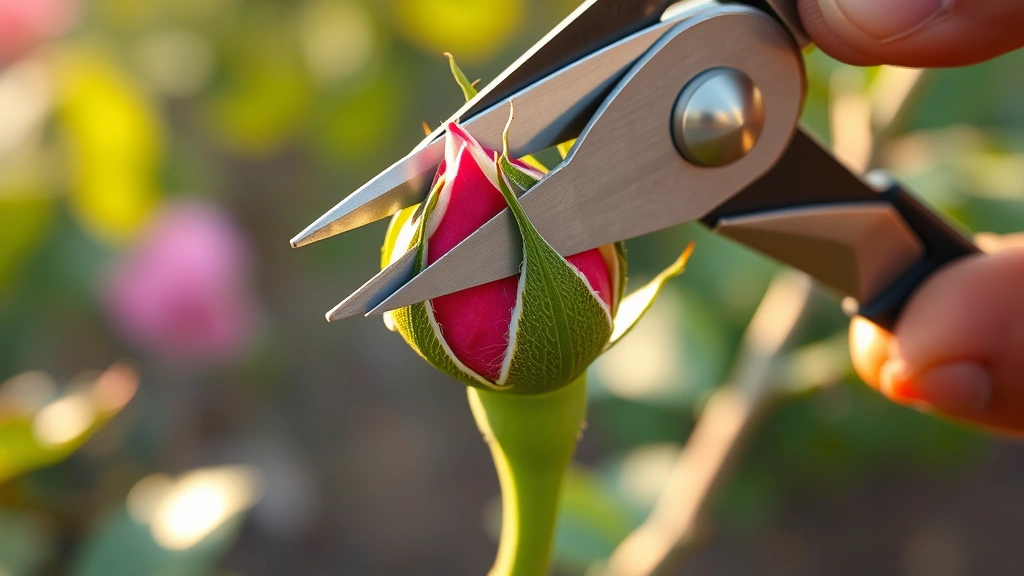
How to Prune Roses? Gardener’s Proven Advice
Rose pruning is both an art and a science that separates thriving rose gardens from struggling ones. Whether you’re cultivating hybrid teas, floribundas, or climbing roses, understanding proper pruning techniques will dramatically improve bloom production, plant health, and overall garden aesthetics. This comprehensive guide walks you through every aspect of rose pruning, from timing and tools to specific techniques for different rose varieties.
Many gardeners feel intimidated by rose pruning, fearing they’ll damage their prized plants. The truth is that roses are remarkably resilient and actually thrive with proper cutting. In fact, regular pruning encourages bushier growth, more abundant flowering, and better disease resistance. By following these proven methods, you’ll transform your rose garden into a showcase of vibrant blooms.
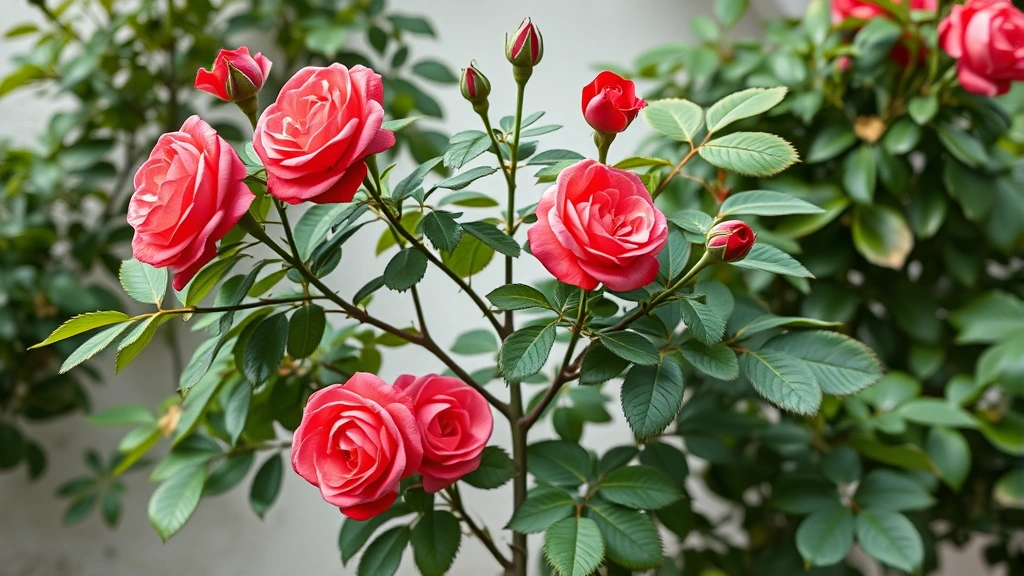
Why Prune Roses
Pruning roses serves multiple critical functions in maintaining plant vigor and productivity. When you remove dead, diseased, or damaged wood, you prevent fungal infections and pest infestations from spreading throughout the plant. Roses are susceptible to various diseases like black spot and powdery mildew, which thrive in dense, poorly-circulating foliage. Strategic pruning opens the plant’s interior to air flow, significantly reducing disease pressure.
Beyond disease management, pruning directs the plant’s energy toward producing larger, more vibrant blooms. Without pruning, roses develop tangled growth patterns with diminishing flower size and quantity. Each cut you make stimulates new growth from lateral buds below the cut point, allowing you to shape the plant’s architecture and encourage branching in desired directions.
Regular pruning also rejuvenates aging rose plants, preventing them from becoming woody and unproductive. Older canes that no longer produce quality blooms get removed, allowing vigorous new growth to take their place. This renewal process keeps your roses performing at peak levels for decades.
Best Time to Prune
Timing is absolutely critical for successful rose pruning. The optimal time varies by climate and rose type, but general guidelines apply across most regions. In temperate climates, spring pruning occurs when forsythia blooms or buds begin to break on your roses—typically March through April. This timing ensures new growth won’t be damaged by late frosts.
For most regions, late winter to early spring represents the primary pruning window. At this point, the worst cold is behind you, but the growing season hasn’t fully commenced. You’ll see swelling buds on the canes, which helps you identify live wood versus dead material.
Summer requires maintenance pruning for flower garden enthusiasts, focusing on deadheading spent blooms and removing any diseased growth. Fall pruning should be minimal in cold climates, as it stimulates tender new growth vulnerable to frost damage. However, in mild climates, you can perform moderate pruning in fall to encourage winter and early spring blooming.
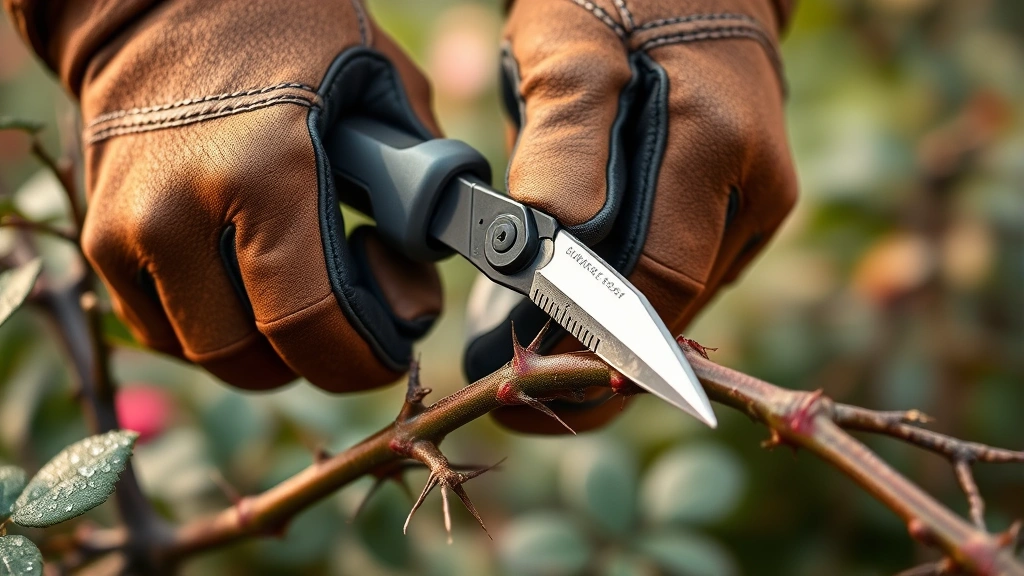
Understanding your garden gloves will help protect you during these seasonal tasks. The best pruning gloves offer thorn protection while maintaining dexterity for precise cuts.
Essential Pruning Tools
Having the right tools makes pruning safer, easier, and more effective. Sharp tools create clean cuts that heal quickly, while dull tools crush canes and create entry points for disease. Invest in quality equipment that you’ll maintain properly throughout the growing season.
Hand pruners (secateurs) are your primary tool for canes up to three-quarter inch diameter. Bypass pruners, which work like scissors with a sharp blade passing by an anvil, provide cleaner cuts than anvil-style pruners. Look for ergonomic designs that reduce hand fatigue during extended pruning sessions.
Loppers handle thicker canes between three-quarter inch and two inches in diameter. Long handles provide leverage for cutting thick wood without straining your hands. For canes thicker than two inches, a pruning saw becomes necessary. Folding saws are portable and effective, though bow saws provide more cutting power for extremely thick wood.
Don’t forget pruning gloves for protection against thorns. Heavy-duty leather gloves with extended cuffs prevent scratches while allowing sufficient dexterity. Keep a cloth nearby for cleaning sap from tools, and maintain a container of rubbing alcohol for disinfecting tools between cuts when dealing with diseased wood.
Spring Pruning Techniques
Spring pruning represents your main opportunity to shape roses and encourage vigorous new growth. Begin by removing all dead wood—canes that appear brown, black, or shriveled. Cut these back to healthy green tissue, making your cuts just above outward-facing buds. Dead wood removal prevents disease and improves plant appearance immediately.
Next, identify crossing or rubbing canes that create wounds as they move in the wind. Remove the weaker of the two canes, opening the plant’s center to improve air circulation. This step is crucial for disease prevention and allows sunlight to reach inner canes and promote blooming.
For hybrid tea roses and floribundas, remove approximately one-third of the plant’s height during spring pruning. Make cuts at a 45-degree angle, one-quarter inch above outward-facing buds. This angle sheds water away from the bud, preventing rot. Always cut above a bud pointing in the direction you want new growth to develop.
Shrub roses and landscape roses require less severe pruning—typically removing one-quarter to one-third of their height. Climbing roses need different approaches; remove only dead wood and weak growth, maintaining their framework while encouraging long canes. Propagating roses from pruned cuttings is an excellent way to expand your collection.
When pruning, always step back frequently to assess the plant’s shape and ensure balanced development. Avoid creating a flat-topped or lollipop shape, instead aiming for an open vase-like form with the center higher than the outer edges.
Summer Maintenance Pruning
Summer pruning focuses on deadheading and maintaining plant health rather than major structural work. Deadheading—removing spent blooms—encourages continuous flowering throughout the season. Cut just above the first five-leaflet leaf when removing faded flowers. This technique directs energy into new bloom production rather than seed development.
During summer, monitor your roses vigilently for signs of disease. Black spot appears as dark lesions with yellow halos on leaves, while powdery mildew creates a white coating on foliage. Remove affected leaves immediately, cutting several inches below visible symptoms. Disinfect your pruners between cuts using rubbing alcohol or bleach solution to prevent spreading disease.
Summer is also when you might notice crossing canes or branches that have grown awkwardly. Make corrective cuts to maintain open plant structure and remove any weak or spindly growth. These maintenance cuts keep your roses looking their best while promoting air circulation essential for disease prevention.
If you’re planning a raised garden bed specifically for roses, proper spacing during planting ensures adequate air flow from the start, reducing the need for extensive summer pruning.
Fall and Winter Considerations
Fall pruning practices depend heavily on your climate zone. In regions with harsh winters (zones 5 and colder), avoid major pruning in fall, as it stimulates tender new growth that won’t survive freezing temperatures. Instead, limit fall work to removing diseased foliage and dead wood.
In mild winter climates (zones 8 and warmer), moderate fall pruning after the hottest weather passes can encourage flowering during mild winter months. This timing takes advantage of cool-season growth without the frost damage risk present in cold climates.
Winter itself requires minimal pruning except in regions with extended growing seasons. In cold climates, leave dead foliage on plants for winter protection—it provides insulation that prevents freeze-thaw cycles from damaging the graft union. Remove this protective foliage during spring cleanup.
If heavy snow or ice damages canes during winter, wait until spring to make corrective pruning cuts. Cutting in winter exposes fresh wounds to freezing temperatures and drying winds, which prevents proper healing.
Pruning Different Rose Types
Hybrid Tea Roses: These classic roses require the most aggressive pruning. Cut back to 12-18 inches tall in spring, removing approximately two-thirds of the previous year’s growth. This severe pruning encourages large, exhibition-quality blooms on long stems.
Floribunda Roses: Prune floribundas to 18-24 inches tall, removing about one-third of their height. This moderate approach maintains their bushy form while encouraging abundant cluster blooms.
Shrub and Landscape Roses: These tough roses tolerate minimal pruning. Remove only dead wood and weak growth, maintaining their natural shape. Cut back by one-quarter to one-third maximum.
Climbing Roses: Climbers require special handling since they produce blooms on lateral shoots along main canes. Establish a framework by training main canes horizontally along a support structure. In spring, prune lateral shoots back to two or three buds, but leave the main canes intact. This technique maximizes flowering along the entire climber.
English and Old Garden Roses: These varieties need moderate pruning—remove one-third of height and thin crowded growth. Many old garden roses produce fragrant blooms on older wood, so avoid severe cutting that removes blooming canes.
Miniature Roses: Treat miniatures like miniature versions of hybrid teas. Prune them to 6-10 inches tall, removing approximately one-third of growth. Their small size makes hand pruners sufficient for all cutting.
Common Pruning Mistakes
One of the most frequent errors is pruning at the wrong time, particularly in fall when gardeners hope to tidy plants before winter. Fall pruning stimulates tender growth that freezes, damaging the plant. Resist the urge to prune except for removing obviously dead material.
Many gardeners cut too high above buds, leaving stubs that die back and create entry points for disease. The proper angle and height—one-quarter inch above the bud at 45 degrees—ensure rapid healing and proper bud development.
Failing to disinfect tools between cuts when disease is present spreads pathogens throughout your rose garden. When removing diseased wood, clean your pruners with rubbing alcohol or a 10% bleach solution between each cut.
Over-pruning weakens roses and reduces blooming. While roses are tough plants, removing more than one-third of their growth at once stresses them unnecessarily. If you inherit severely overgrown roses, spread heavy pruning over two or three years rather than attempting complete renovation in one season.
Using dull tools crushes canes instead of cutting cleanly, creating ragged wounds that heal slowly and invite disease. Sharpen your pruners and saws regularly, or replace them when they become too dull to maintain an edge.
Another common mistake involves cutting too close to the base. Always leave at least 12-18 inches of cane height when pruning—cutting roses to the ground weakens them significantly. The exception is when removing completely dead canes, which you can cut at ground level.
Finally, many gardeners neglect to consider the bud’s direction when making cuts. Always cut just above buds pointing outward from the plant’s center. Cutting above inward-facing buds creates crossing canes and poor structure.
FAQ
When should I prune roses in my climate?
Spring pruning timing depends on your location. Prune when forsythia blooms or when you see bud break on your roses. In cold climates (zones 5-6), this typically occurs in March-April. In warmer regions (zones 8+), prune in February. Check with your local extension service for specific recommendations for your area.
Can I prune roses in summer?
Yes, but summer pruning is limited to deadheading spent blooms and removing diseased growth. Avoid major structural pruning in summer, as it can stress plants during hot weather and stimulate tender new growth. Focus on removing the top one-third inch of stem with the spent flower.
How much should I cut back roses?
Remove approximately one-third of the plant’s height during spring pruning. Hybrid teas can be cut back more severely (to 12-18 inches), while shrub roses need only light pruning. Never remove more than one-third of growth at once unless dealing with dead wood.
What if I prune roses at the wrong time?
If you accidentally prune in fall, don’t panic. The new growth may be damaged by frost, but the plant will recover. Avoid repeating the mistake next year. If frost damages new spring growth, simply wait for the next flush of blooms.
Should I use wound dressing on pruning cuts?
Modern research suggests wound dressing isn’t necessary and may actually trap moisture that promotes disease. Instead, focus on making clean cuts that heal naturally. Sharp tools and proper cutting angles create wounds that seal quickly without treatment.
How do I know if a cane is dead?
Scratch the cane’s surface with your fingernail or pruner. If the tissue underneath is green, the cane is alive. If it’s brown or black throughout, it’s dead and should be removed entirely. Dead canes appear gray or blackened on the outside.
Can I use the same pruners for diseased and healthy roses?
No, always disinfect your tools between cuts when dealing with disease. Use rubbing alcohol, a 10% bleach solution, or commercial tool disinfectant. This prevents spreading pathogens like rose rosette virus or black spot fungus throughout your garden.
What angle should I cut rose canes?
Cut at a 45-degree angle, sloping away from the bud. This angle sheds water away from the bud, preventing rot and disease. Make the cut one-quarter inch above the bud, never flush against it.
Is it too late to prune my roses this year?
If you missed spring pruning, you can still prune in early summer with some modifications. Cut less severely than you would in spring—remove only one-quarter of growth rather than one-third. Late summer or fall pruning should be avoided in cold climates.
What’s the difference between deadheading and pruning?
Deadheading removes only spent flowers to encourage reblooming, while pruning involves removing entire canes or large sections to shape the plant and remove dead or diseased wood. Deadheading is maintenance; pruning is structural work.


