How to Design a Ming’s Garden: Pro Tips Inside
A Ming’s garden represents one of the most sophisticated and philosophically rich garden design traditions in the world. Originating during China’s Ming Dynasty (1368-1644), this distinctive style emphasizes harmony between humans and nature, creating serene spaces that balance aesthetic beauty with spiritual contemplation. Whether you’re designing a full-scale garden or adapting these principles to a smaller space, understanding the core elements of Ming garden design will help you create an authentic and tranquil outdoor sanctuary.
Ming gardens are characterized by their careful composition of water features, rocks, plants, and architectural elements arranged to create multiple focal points and encourage exploration. Unlike formal Western gardens that rely on symmetry and geometric precision, Ming gardens embrace asymmetry and natural-looking arrangements that actually require meticulous planning and deep horticultural knowledge. This guide will walk you through the essential principles and practical steps to design your own Ming’s garden.
Understanding Ming Garden Philosophy
The foundation of any authentic Ming’s garden lies in understanding its underlying philosophy. Ming gardens are built on the principle of borrowed scenery, where the garden designer incorporates views from surrounding landscapes to create a sense of infinite space within finite boundaries. This concept teaches us that a garden isn’t isolated but rather part of the broader natural world.
Central to Ming garden design is the concept of balance between yin and yang. Hard elements like rocks and architecture represent yang energy, while soft elements like water, plants, and open spaces represent yin. The interplay between these opposing forces creates visual harmony and spiritual equilibrium. Additionally, Ming gardens emphasize the importance of empty space—the void is as significant as the filled areas, allowing the eye to rest and the mind to contemplate.
The garden should tell a story and encourage wandering. Rather than revealing the entire garden at once, Ming design principles dictate that you create hidden corners, winding paths, and surprise elements that reward exploration. This philosophy transforms a garden into a narrative experience where each turn presents new perspectives and discoveries.
Essential Elements and Features
Every Ming’s garden incorporates five fundamental elements: water, rocks, plants, architecture, and open space. Understanding how these elements work together is crucial for successful design.
Water serves as the lifeblood of Ming gardens, symbolizing fluidity, life force, and connection. Water might appear as still ponds, flowing streams, or even symbolically through the arrangement of other materials.
Rocks and stones represent mountains and permanence, providing structural interest and creating focal points throughout the garden. The selection and placement of garden stones requires careful consideration of shape, texture, and color.
Plants are chosen not just for beauty but for symbolic meaning. Bamboo represents resilience, plum blossoms symbolize perseverance, orchids denote refinement, and chrysanthemums represent longevity.
Architecture includes pavilions, bridges, walls, and viewing platforms that provide shelter, frame views, and create intimate spaces for reflection.
Open space provides visual breathing room and allows other elements to stand out more prominently.
Water Features and Ponds
Water is perhaps the most transformative element in a Ming’s garden. A well-designed pond becomes the focal point that draws visitors in and creates a sense of tranquility. When planning your water feature, consider both its functional and symbolic roles.
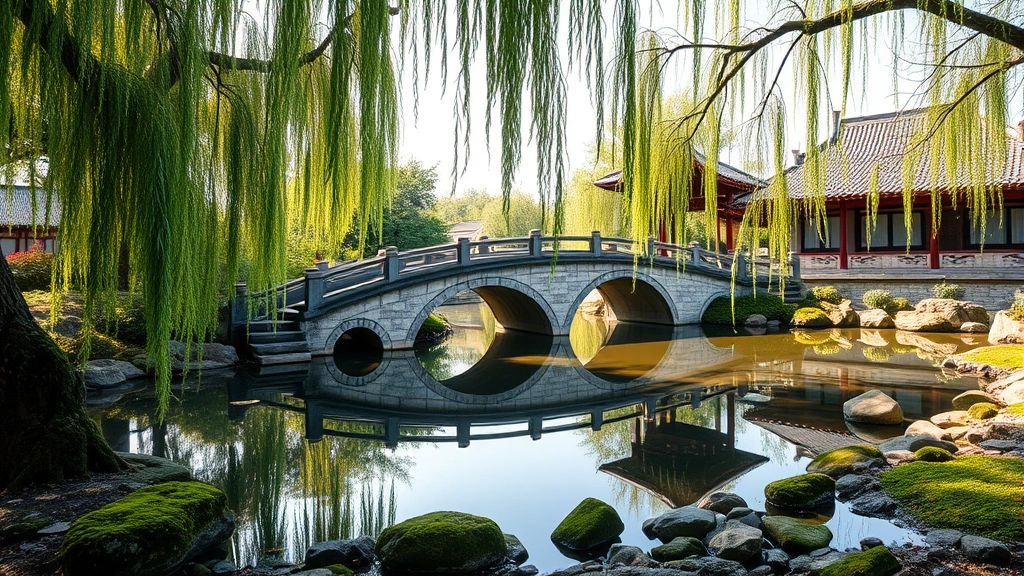
The shape of your pond should appear natural and irregular rather than geometric. Curved edges with varied depths create more visual interest than uniform shapes. Ideally, the pond should have areas of different depths—shallow margins for marginal plants and deeper sections for fish and aquatic life. The water surface should reflect surrounding plants and architecture, creating a sense of expansion and connection.
Position your water feature to capture views from your primary viewing areas. A pond placed at the lowest point of your garden naturally draws the eye and creates a focal point. If space is limited, even a small water feature or a symbolic water channel can fulfill this role. Consider adding a small waterfall or stream that feeds into the pond, introducing the element of movement and sound.
For water feature placement, incorporate garden stones around the margins to create natural-looking shorelines. Large rocks partially submerged in water create visual interest and provide perching spots for wildlife. The water’s edge should feel organic, with some areas featuring dense plantings and others remaining open.
Selecting and Placing Rocks and Stones
Rocks are the skeleton of a Ming’s garden, and their selection and placement requires genuine artistry. In Ming garden traditions, rocks are chosen for their unique shapes, textures, and colors. Look for stones with interesting weathering patterns, unusual silhouettes, and natural beauty that doesn’t require modification.
Rocks should be grouped in odd numbers—typically three, five, or seven stones together. Avoid perfectly balanced or symmetrical arrangements; instead, create compositions where one dominant rock anchors the grouping while smaller stones support and complement it. Large rocks might represent mountains, while smaller stones suggest foothills or distant peaks.
The placement of rocks serves multiple purposes. They can define spaces, create visual interest, frame views, and provide seating areas. Consider the sight lines from your main viewing points and paths. Rocks should be positioned to guide the eye and encourage movement through the garden.
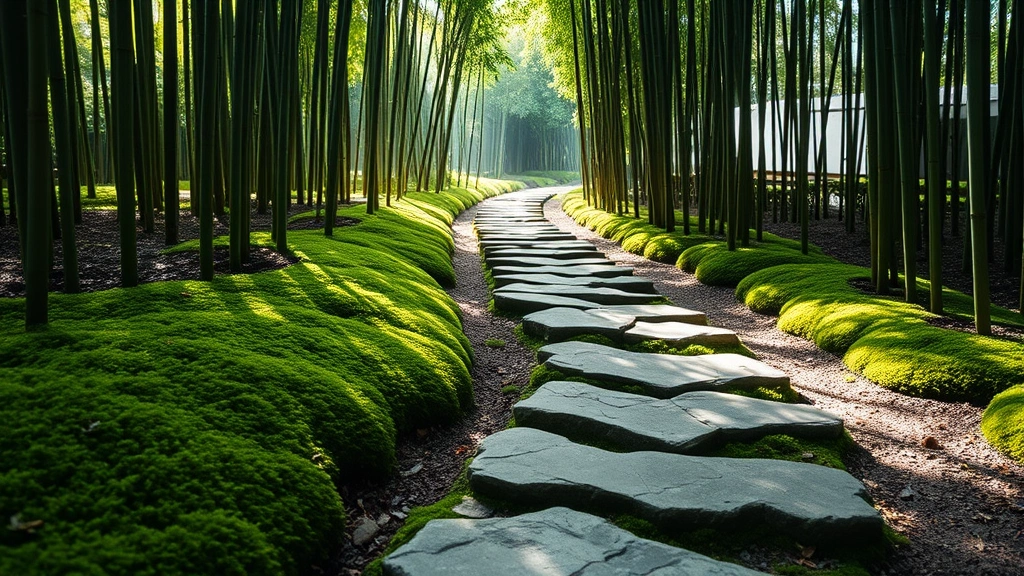
When using garden stones in pathways and seating areas, choose materials that complement your overall design. Stepping stones should be spaced for comfortable walking while encouraging a slower, more contemplative pace. Larger flat stones can create platforms for benches or viewing areas where visitors can pause and absorb the garden’s beauty.
Consider the seasonal appearance of your stone selections. Some materials develop attractive moss and lichen over time, adding character and age to your garden. This natural patina is valued in Ming gardens as it demonstrates the passage of time and harmony with nature.
Plant Selection and Arrangement
Plant selection in a Ming’s garden goes beyond aesthetics to include cultural significance and seasonal interest. The Four Gentlemen of Chinese art—plum blossoms, orchids, bamboo, and chrysanthemums—should feature prominently in your design.
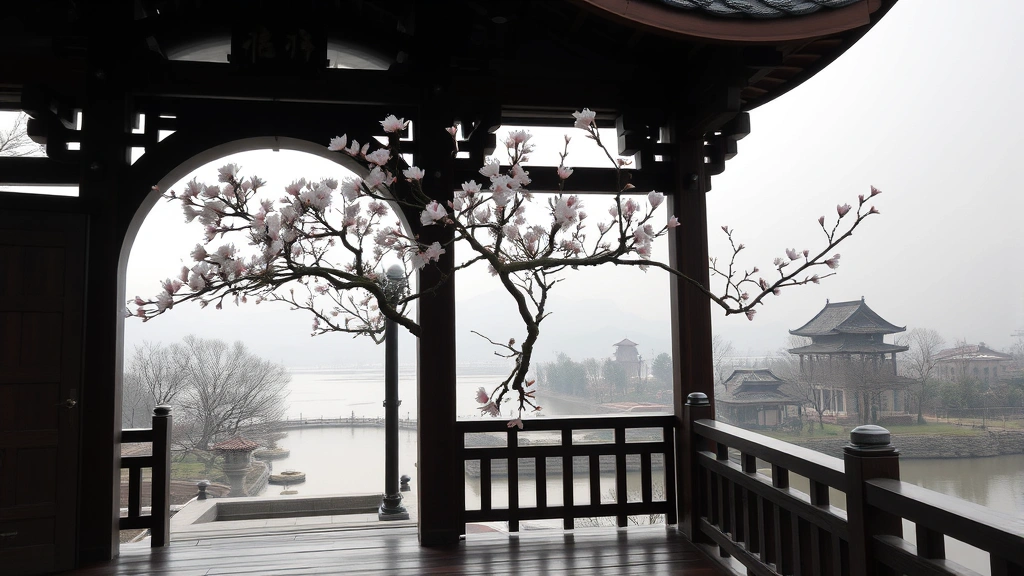
Plum blossoms bloom early in spring, symbolizing resilience and beauty emerging from hardship. These elegant trees provide fragrant flowers and graceful branching structure even in winter.
Bamboo offers year-round visual interest with its vertical lines and rustling foliage. Different bamboo varieties provide varying heights and textures. Plant bamboo in contained areas or use barriers to prevent invasive spread, as some varieties can become problematic without proper containment.
Orchids represent refinement and are often displayed in containers near pavilions or viewing areas. They can be integrated into the garden’s shaded corners or grown in dedicated orchid houses.
Chrysanthemums bloom in autumn, providing late-season color and symbolizing longevity. These flowers work well in borders and containers throughout the garden.
Beyond the Four Gentlemen, incorporate other plants for seasonal variety and visual texture. Evergreen shrubs provide structure and year-round interest. Flowering plants should be distributed throughout the garden to create focal points in different seasons. Consider bloom times carefully to ensure your garden offers beauty across all seasons.
When arranging plants, think in layers. Background plants provide screening and frame views, mid-story plants add structure and interest, and foreground plants invite closer inspection. Create depth by placing taller plants toward the back and shorter specimens toward viewing areas.
If you’re interested in expanding your plant collection, learning how to propagate plants will allow you to develop new specimens from existing ones. This sustainable approach aligns perfectly with Ming garden principles of harmony and natural growth.
Consider incorporating vertical gardens or wall-mounted plantings to maximize space and create visual interest on architectural surfaces. Climbing vines and trained espaliers can soften hard structures while adding living texture.
Creating Pathways and Viewing Points
Pathways in a Ming’s garden serve both practical and philosophical purposes. They guide visitors through the space while encouraging contemplation and discovery. Rather than straight, direct routes, paths should wind and curve, revealing new vistas at each turn.
Stepping stone paths are quintessential to Ming garden design. Space stones at comfortable walking intervals, varying the pace by adjusting distances. Curved paths feel more natural than straight ones and encourage visitors to slow down and observe details along the way.
Create multiple viewing platforms or pauses along pathways. These might be small stone seating areas, raised pavilions, or simply wider sections of path where visitors naturally stop to admire the surrounding landscape. Position these viewing points strategically to frame important focal points—a blooming tree, a water feature, or a distant borrowed view.
The path material itself contributes to the overall aesthetic. Gravel paths have a traditional appearance and create pleasant crunching sounds underfoot. Stone paths feel more formal and permanent. Grass paths soften the landscape but require more maintenance. Mix materials to create visual interest while maintaining overall coherence.
When selecting garden tools and maintaining pathways, choose implements that allow for gentle, careful work. The Japanese-style hand tools often used in Asian gardens minimize soil compaction and allow for precise maintenance.
Architectural Structures
Pavilions, bridges, walls, and gates are integral to Ming garden design. These structures serve as focal points, frame views, provide shelter, and create intimate spaces for contemplation.
Pavilions are open-sided structures that provide shelter while maintaining visual connection to the garden. They often feature distinctive roof styles and decorative elements that reflect traditional Ming architecture. A pavilion positioned overlooking a water feature or key focal point becomes a natural gathering and viewing point.
Bridges do more than cross water—they symbolize transition and connection between different garden areas. Arched bridges create elegant lines and frame reflections in water below. Simple wooden bridges feel more natural than elaborate stone structures, though both have their place.
Walls define garden spaces and provide backdrops for plant displays. Rather than solid barriers, walls often feature decorative openings or moon gates that frame views and create visual interest. Walls can be constructed from stone, brick, or wood, each material contributing different character.
Gates mark transitions between garden areas and the outside world. They symbolize passage and new beginnings. A moon gate—a circular opening in a wall—is particularly characteristic of Ming gardens and creates a stunning frame for views beyond.
All architectural elements should be constructed from materials that weather gracefully and complement the natural elements. Avoid synthetic or overly modern materials that clash with the garden’s aesthetic.
Seasonal Considerations
A well-designed Ming’s garden provides interest across all four seasons. Spring brings cherry blossoms, plum flowers, and fresh new growth. Summer offers lush foliage, water features in full glory, and cool shadows for refuge. Autumn displays chrysanthemums, changing leaf colors, and the garden’s preparation for dormancy. Winter reveals the garden’s structural bones—bare branching patterns, evergreen foliage, and the stark beauty of snow on rocks and pavilions.
Plan your plant palette to ensure each season offers distinct character. Include spring bulbs that emerge before trees leaf out. Select trees and shrubs with interesting bark and branching patterns visible in winter. Choose plants with persistent fruits or seed heads that provide winter interest.
Water features behave differently across seasons. In spring and early summer, they overflow with rain and runoff. By late summer, water levels may drop, revealing more of the shoreline. In winter, frozen water creates new visual effects. Design your water features to look beautiful at all levels and conditions.
Maintenance tasks vary seasonally. Spring pruning encourages new growth, summer watering sustains plants through heat, autumn cleanup prepares the garden for winter, and winter is the season for major structural work and planning. Using proper garden tools appropriate to each task ensures efficient, effective maintenance.
Some gardeners use organic amendments like coffee grounds in gardens to enrich soil sustainably. This practice aligns with Ming garden philosophy of working in harmony with natural processes.
Seasonal flower arranging tips can help you display cut flowers from your garden in traditional Ming style, bringing the garden’s beauty indoors during different seasons.
FAQ
What’s the minimum space needed for a Ming’s garden?
Ming garden principles can be adapted to spaces as small as a courtyard or even a container garden. The key is thoughtful composition of elements rather than square footage. A small space with one focal point, carefully selected plants, and a few strategic rocks can embody Ming garden philosophy.
Can I incorporate modern elements into a traditional Ming’s garden?
While maintaining traditional aesthetic principles is important, subtle modern elements like low-voltage lighting or water recirculation systems can be incorporated discreetly. The key is ensuring they don’t visually dominate or distract from the garden’s traditional character.
How long does it take to establish a Ming’s garden?
Many Ming gardens develop their character over decades as plants mature, rocks weather, and moss and lichen establish. You can create a functional garden in one to two years, but the most beautiful gardens continue evolving for many years. This ongoing development is part of the philosophy.
What plants work best in different climate zones?
Adapt your plant selections to your local climate. In cold regions, substitute hardy alternatives for tender species. Consult local extension services for recommendations on plants that embody Ming garden principles while thriving in your specific zone.
Do I need professional help designing a Ming’s garden?
While professional designers can be valuable, many gardeners successfully create Ming gardens through careful study and thoughtful implementation. Start with a clear plan, understand the underlying principles, and be willing to adjust as the garden develops.
How should I maintain water quality in my pond?
Natural balance with aquatic plants and fish creates self-sustaining ecosystems. Avoid chemicals when possible. Regular removal of excess algae and fallen leaves, combined with adequate aeration, maintains water clarity and health.


