Maymont Garden Glow: Insider’s Review & Tips
Maymont Garden Glow stands as one of Richmond, Virginia’s most enchanting seasonal attractions, transforming the historic Maymont estate into a luminous wonderland each holiday season. This annual event combines horticultural excellence with innovative lighting design, creating an immersive experience that celebrates both botanical beauty and artistic vision. Whether you’re a seasoned gardener seeking inspiration or a casual visitor looking for festive entertainment, understanding what makes this event special—and how to experience it fully—enhances your visit significantly.
The Maymont estate itself represents over a century of sophisticated garden design, featuring Italian and Japanese gardens that showcase diverse plant collections and landscape principles. When Garden Glow activates these spaces with carefully orchestrated lighting, the result is a magical transformation that reveals new dimensions of the gardens’ architecture and plantings. This review draws on insider knowledge of the event’s layout, best times to visit, and practical tips for maximizing your experience while learning valuable lessons about garden design, seasonal plant care, and creating visual impact in outdoor spaces.
What Is Maymont Garden Glow?
Maymont Garden Glow is an annual holiday-season event that illuminates the 100-acre Maymont estate with thousands of lights, transforming the grounds into an immersive light show experience. Typically running from late November through early January, the event celebrates the intersection of horticulture and creative lighting design. The Maymont organization meticulously plans each year’s installation, ensuring that lighting complements rather than overwhelms the natural beauty of the landscape.
The event represents a significant undertaking, involving landscape architects, electricians, and lighting designers who work collaboratively to honor the estate’s historical significance while introducing contemporary artistic elements. Unlike typical holiday light displays that prioritize spectacle, Garden Glow maintains the botanical integrity of Maymont’s gardens, using lighting to enhance plant textures, architectural features, and seasonal plantings. This approach demonstrates how thoughtful illumination can extend the visual appeal of gardens into evening hours—a principle valuable for any gardener considering landscape lighting for their own properties.
The experience encompasses walking paths through multiple garden zones, each offering distinct visual themes and plant collections. Visitors encounter everything from the geometric precision of Italian gardens to the naturalistic serenity of Japanese gardens, all reimagined through strategic lighting. The event typically includes interactive elements, seasonal refreshments, and educational components that connect visitors to Maymont’s horticultural mission.
Event Layout and Navigation
Understanding Maymont’s physical layout enhances your visit significantly. The estate sits on a hillside overlooking Richmond, with the mansion at the highest point and the gardens cascading downward in multiple directions. During Garden Glow, the main entrance typically directs visitors through specific pathways designed to create a logical flow while showcasing lighting installations strategically throughout the property.
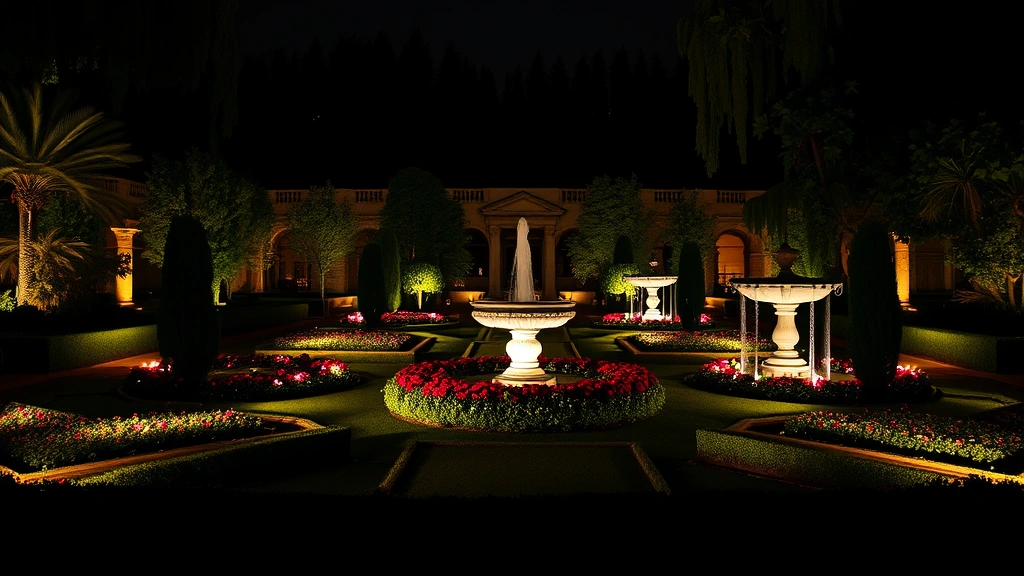
The Italian Garden occupies the formal upper areas, featuring geometric beds, fountains, and classical architectural elements. This section benefits dramatically from uplighting that emphasizes symmetry and stonework. The Japanese Garden, located in a more secluded valley area, employs softer, more subtle lighting that respects the contemplative aesthetic of this garden style. Between these major sections, visitors encounter transitional spaces, seasonal plantings, and smaller garden rooms, each with unique lighting treatments.
The walking paths are clearly marked, though the terrain includes both level sections and gentle slopes. Most visitors complete the circuit in 1.5 to 2 hours, though you can spend considerably longer if you pause frequently for photography or to absorb the atmosphere. The event provides maps at entry points, and signage indicates upcoming installations and garden zones. For those seeking to learn fundamental gardening tips, observing Maymont’s plant selections and layout provides excellent real-world education.
Best Times and Seasons to Visit
Timing your Maymont Garden Glow visit strategically improves your experience substantially. The event runs for approximately six weeks, beginning in late November and extending through early January. Early-season visits (late November through early December) offer several advantages: smaller crowds, fresher outdoor conditions, and the novelty of the season’s first major light display.
Weekday evenings, particularly Tuesday through Thursday between 6 and 8 PM, typically attract fewer visitors than weekends. This timing allows more leisurely photography, easier path navigation, and better opportunities to observe specific plant details and lighting effects. Weather considerations matter significantly—clear, cool nights provide optimal conditions for enjoying the outdoors and capturing photographs without glare or moisture interference.
Late December brings heavier crowds, particularly in the final week before New Year’s, as holiday visitors and last-minute planners converge on the event. However, this period also features special programming, extended hours, and festive atmosphere. The week after New Year’s Day, when the event nears conclusion, experiences a dramatic attendance drop—making this an excellent window for those seeking solitude and contemplation.
Seasonal plant conditions evolve throughout the event’s run. Early in the season, fall foliage may still be visible on deciduous plants, creating color contrast with the lighting effects. As winter progresses, bare branching becomes more prominent, allowing lighting to emphasize plant architecture and structure. This evolution teaches valuable lessons about how seasonal changes affect landscape aesthetics—knowledge directly applicable to starting and maintaining flower gardens through different seasons.
Garden Sections Highlighted
The Italian Garden represents perhaps the most dramatic transformation during Garden Glow. This formal space, originally designed in the early 20th century, features symmetrical beds, classical statuary, and water features. Uplighting during the event emphasizes the geometric precision of the planting beds and highlights fountain sculptures, creating an almost ethereal quality. The pergolas and arbor structures receive particular attention through backlighting that reveals their architectural complexity.
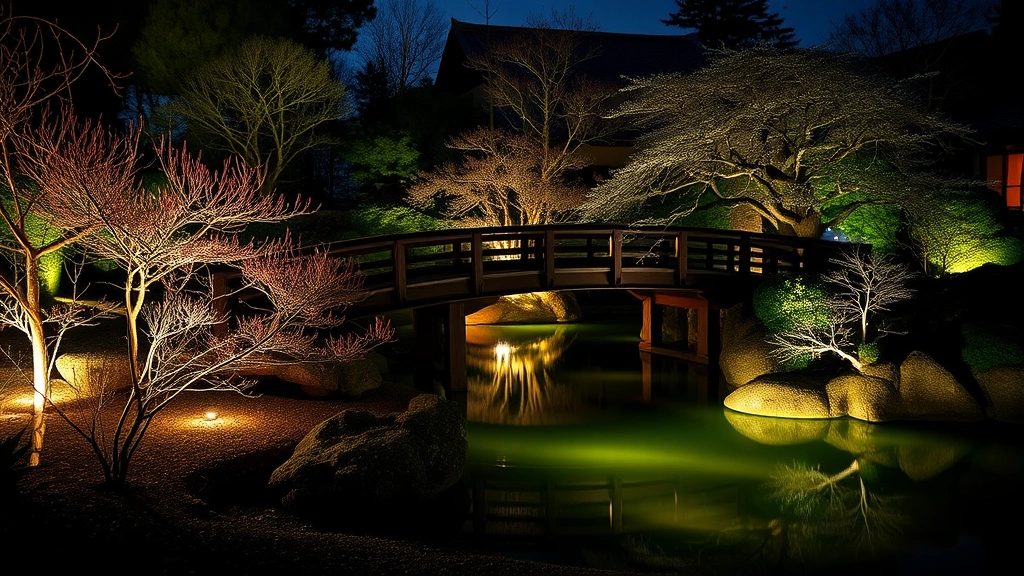
The Japanese Garden, by contrast, employs a completely different lighting philosophy. Rather than dramatic uplighting, this section uses subtle, diffused illumination that respects the garden’s contemplative purpose. Pathway lighting guides visitors through the space without overwhelming the natural aesthetics. Water features receive gentle illumination that reflects light naturally, while specimen plants receive focused but gentle spotlighting. This section demonstrates how lighting design must adapt to different garden styles and purposes.
The Rose Garden, typically dormant during the event’s late-year timing, receives special treatment with decorative lighting elements that celebrate its seasonal rest while maintaining visual interest. Structural elements like arbors and trellises become prominent through strategic illumination. The surrounding greenery of evergreen plantings provides year-round color and texture, creating depth in the landscape composition.
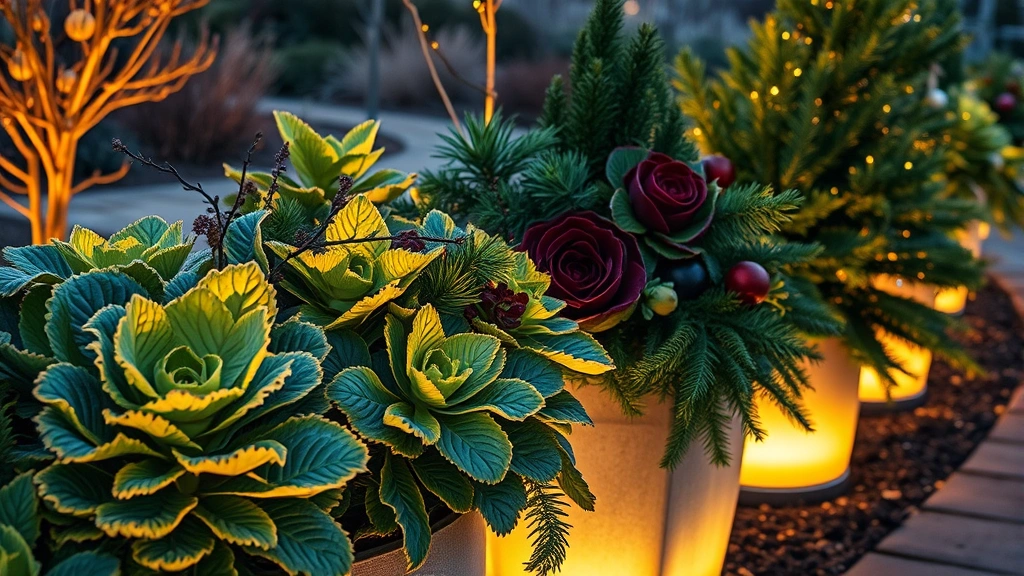
Seasonal plantings specifically installed for Garden Glow—including poinsettias, ornamental cabbages, and winter-flowering plants—receive careful placement and illumination. These installations demonstrate how garden pots and hanging baskets can create temporary visual impact in permanent landscape spaces. Understanding these placement principles helps home gardeners create seasonal interest in their own landscapes.
The woodland areas surrounding the formal gardens receive subtle treatment, with pathway lighting and occasional specimen tree illumination creating a sense of discovery as visitors navigate between major garden sections. This approach preserves the natural character of the woodland while ensuring visitor safety and wayfinding.
Photography Tips and Viewing Angles
Capturing Maymont Garden Glow’s visual splendor requires understanding both technical photography principles and the event’s specific characteristics. The dramatic lighting creates high-contrast scenes with deep shadows and bright highlights, requiring careful exposure management. Bring a camera capable of manual settings—smartphone cameras can work but often struggle with the contrast ratios present in night photography.
Tripods prove invaluable for capturing sharp images in low-light conditions. However, check current event policies regarding tripod use, as large equipment may be restricted during peak attendance periods. If tripods are permitted, arriving early in the evening allows setup before crowds peak. For handheld shooting, increase ISO sensitivity and use wider apertures (lower f-numbers) to gather sufficient light while maintaining reasonable shutter speeds.
Specific locations offer exceptional photographic opportunities. The Italian Garden’s symmetrical layout creates compelling compositional possibilities, with geometric beds framing fountain centerpieces. The Japanese Garden’s bridges and water features provide natural foreground elements that add depth to photographs. Transitional pathways between garden sections often feature interesting layering of illuminated plants and architectural elements.
Lighting quality changes throughout the evening as the sun fully sets and lighting systems reach full intensity. Arrive during twilight hours (roughly 30 minutes after sunset) to capture images that blend residual daylight with artificial illumination, creating more natural-looking color balance. As darkness deepens, the lighting becomes more dramatic but may require longer exposures or higher ISO settings.
Composition principles apply regardless of the subject. Use leading lines created by pathways to draw viewers through images. Incorporate foreground, middle-ground, and background elements to create depth. Frame illuminated plants against darker backgrounds for maximum visual impact. Experiment with different angles and perspectives—low angles emphasize plants against sky backdrops, while elevated positions reveal geometric patterns in formal garden beds.
Planning Your Visit
Successful Maymont Garden Glow experiences require advance planning. First, check the official Maymont organization website for current event dates, hours, admission prices, and any special programming. Hours typically extend into evening (often until 10 or 11 PM), but confirming exact times prevents disappointment.
Dress appropriately for outdoor evening activity in Richmond’s late-autumn and winter climate. Temperatures typically range from 35 to 50 degrees Fahrenheit, requiring layers that can be adjusted as activity and temperature fluctuate. Waterproof footwear proves essential, as garden paths may be damp from irrigation or recent rain. A light jacket or coat provides essential warmth without restricting movement.
Bring a fully charged mobile device for photography, navigation, and potential communication needs. A portable battery pack ensures your phone remains functional throughout your visit. Hand warmers provide comfort during extended outdoor time without requiring bulky layers. Insulated beverages in thermoses offer both warmth and hydration.
Consider arriving 15-30 minutes before your planned start time to account for parking and entry procedures. This buffer also allows you to acclimate to the outdoor environment and plan your route through the gardens. If you’re visiting during peak hours, expect moderate to substantial crowds, particularly on weekends and in late December. Weekday visits typically offer a more relaxed pace.
Families with young children should note that the event is outdoors and involves walking on sometimes-uneven paths. Strollers can navigate most areas, though some steeper sections may be challenging. Children often delight in the illuminated displays, making this an excellent family activity for introducing young people to gardening and horticulture in an engaging, festive context.
Gardening Lessons from Maymont
Maymont Garden Glow offers numerous practical lessons applicable to home gardeners. The most fundamental principle is how strategic lighting can extend the visual appeal of gardens into evening and winter months. Home gardeners can incorporate landscape lighting using solar-powered or low-voltage LED systems to highlight specimen plants, architectural features, and pathway elements. This technique proves particularly valuable during seasons when daylight hours are limited.
The event demonstrates the importance of plant selection for year-round interest. Maymont features numerous evergreen plants, structural perennials, and ornamental grasses that maintain visual appeal throughout winter. Deciduous trees with interesting bark and branching patterns become sculptural elements when bare. When propagating plants for your own gardens, consider not just seasonal color but year-round architectural interest.
Seasonal plantings—including cold-hardy annuals, ornamental cabbages, and winter-flowering perennials—provide temporary color during months when most gardens appear dormant. Maymont’s installations show how strategically placed container plantings can create visual interest without requiring permanent landscape changes. This approach benefits gardeners with limited space or those seeking flexibility in their landscape designs.
The careful integration of hardscape elements—pathways, fountains, sculptures, and architectural features—demonstrates how non-plant elements create garden structure and visual interest. These elements become more prominent in winter when herbaceous plants decline. Home gardeners can enhance their landscapes with permanent hardscape features that provide interest year-round while supporting plant growth and visitor circulation.
Water features receive particular attention during Garden Glow, with fountain illumination creating dynamic visual interest. Incorporating water elements—whether full fountains, small recirculating features, or simple birdbaths—adds sensory richness to gardens while supporting local wildlife. The sound and visual presence of water create garden atmosphere that transcends seasonal changes.
Maymont’s approach to garden design emphasizes the principle that gardens serve multiple purposes simultaneously. Formal areas provide structured beauty and visual clarity. Naturalistic areas offer contemplation and discovery. Transitional spaces create flow and narrative progression. Home gardeners can apply these principles at any scale, creating varied experiences within limited space through thoughtful design and plant selection.
The event also illustrates how garden maintenance enables horticultural excellence. Maymont’s professional horticulturists manage thousands of plants, addressing pest issues, diseases, and environmental stresses that homeowners also encounter. Observing well-maintained landscapes provides inspiration and demonstrates what’s possible with consistent care. For those seeking to improve their horticultural knowledge, understanding garden fertilizer and nutrient management proves essential to achieving plant vigor and appearance comparable to public gardens.
Finally, Maymont Garden Glow demonstrates the value of garden education and public engagement. The estate uses this annual event to inspire visitors, celebrate horticultural achievement, and fund ongoing garden maintenance and restoration. Home gardeners can similarly share their knowledge and gardens with neighbors, creating community appreciation for plants and landscape design.
FAQ
When does Maymont Garden Glow typically run?
The event generally operates from late November through early January, with specific dates varying annually. Check the official Maymont website for current-year dates, as scheduling may shift based on weather, preparation requirements, and organizational planning.
What is the admission cost?
Admission prices vary by year and visitor category (adults, children, seniors). Typically ranging from $15-$25 per person, discounts often apply for advance purchase. Some dates may feature premium pricing during peak periods. Visit Maymont’s official website for current pricing and any available discounts.
Are pets allowed during Garden Glow?
Pet policies vary and should be confirmed with Maymont directly. Service animals are typically accommodated, while personal pets may have restrictions. Contact the venue before your visit if you plan to bring animals.
Can I bring a tripod for photography?
Tripod policies may vary based on crowd levels and event policies. Arrive early during less-crowded periods to increase the likelihood of using equipment without disrupting other visitors. Always check current policies before bringing photography equipment.
What are the accessibility options?
Maymont provides accessibility accommodations, though the garden’s hillside terrain means some areas involve elevation changes. The estate typically offers accessible parking, and certain pathways accommodate wheelchairs. Contact Maymont directly regarding specific accessibility needs to ensure adequate planning.
Is there food available during the event?
Many years feature seasonal refreshments and food vendors, though availability varies. Check the current year’s event information for specific food and beverage options available during your visit.
How long does a typical visit take?
Most visitors complete the circuit in 1.5 to 2 hours, though this varies based on pace, photography interest, and crowd levels. Plan for longer durations if you’re photography-focused or prefer leisurely exploration.


