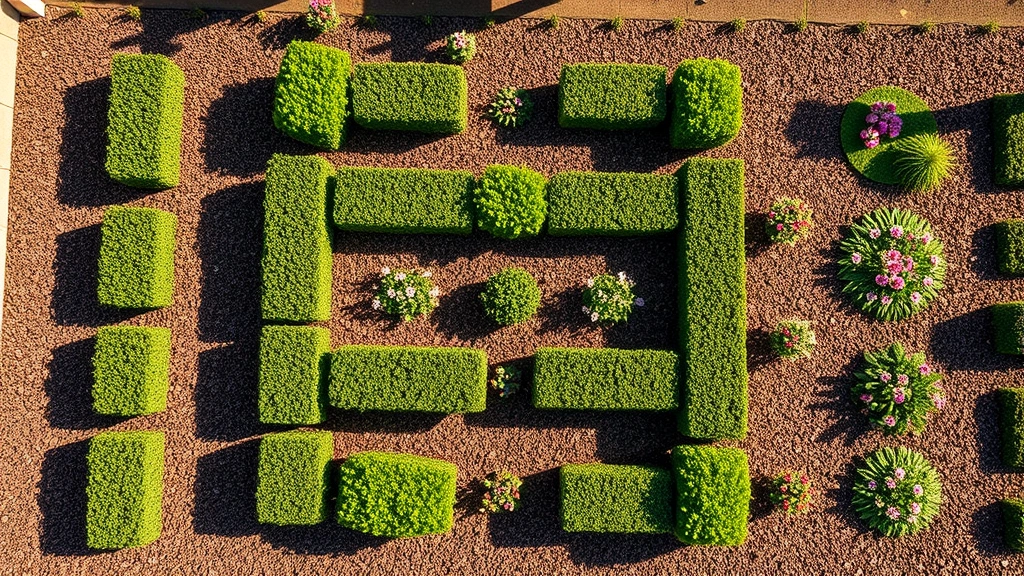
Design Your Main Garden: Expert Landscaping Tips for a Stunning Outdoor Space
Creating a beautiful main garden requires thoughtful planning, strategic design choices, and an understanding of how different elements work together to create a cohesive outdoor space. Whether you’re starting from scratch or redesigning an existing garden, the foundation of success lies in understanding your site’s unique conditions, your personal style preferences, and the practical requirements of plant care and maintenance.
A well-designed main garden serves multiple purposes: it enhances your home’s curb appeal, provides a peaceful retreat for relaxation, and can increase your property’s overall value. The key to achieving this balance is combining aesthetic principles with horticultural knowledge. This comprehensive guide will walk you through the essential steps of designing a main garden that’s both beautiful and functional, regardless of your experience level or property size.
Assess Your Site and Conditions
Before you purchase a single plant or piece of garden furniture, spend time observing your property throughout different times of day and seasons. Understanding your site’s microclimates, sunlight patterns, and soil conditions will determine which plants thrive and which struggle. Walk your main garden area at sunrise, midday, and sunset to map out sun exposure. Note which areas receive full sun (six or more hours of direct sunlight), partial shade, or full shade.
Test your soil composition and pH level using a simple kit from your local university extension service. Soil texture, drainage capacity, and nutrient content directly influence plant selection and the success of your landscaping design. Consider existing trees, structures, and views that you want to highlight or screen. Document the slope of your land, as this affects water drainage and can influence planting placement.
Understanding your USDA hardiness zone is crucial for selecting plants that will survive winter temperatures in your region. Check the USDA Plant Hardiness Zone Map to identify which plants are suitable for your climate. This foundational assessment prevents costly mistakes and ensures your main garden design aligns with natural conditions rather than fighting against them.
Define Your Garden Style and Vision
Your main garden should reflect your personal aesthetic while complementing your home’s architectural style. Are you drawn to formal, symmetrical designs with structured plantings, or do you prefer the relaxed, naturalistic feel of cottage gardens or woodland landscapes? Perhaps a modern minimalist approach appeals to you, or you’re interested in sustainable practices through gardening with native plants.
Create a vision board by collecting images from magazines, websites, and social media that inspire you. Look for common themes in color palettes, plant types, and design elements. This exercise helps clarify your preferences and ensures consistency throughout your design. Consider how your main garden relates to your home’s exterior color, materials, and overall character. A Victorian cottage home pairs beautifully with romantic garden styles, while contemporary homes often benefit from clean lines and architectural plantings.
Think about how you’ll use your main garden. Will it be primarily viewed from inside your home, or will you spend time in it? Do you need space for entertaining, children’s play, or quiet reflection? Your intended use significantly impacts layout decisions and the types of features you’ll incorporate.
Plan Your Layout and Focal Points
Every successful main garden design includes focal points that draw the eye and create visual interest. A focal point might be a specimen tree, water feature, sculpture, or architectural element. These anchor your design and give visitors a sense of direction as they explore the garden.
Start by sketching your space on graph paper, including your home, existing trees, structures, and utilities. Mark sun patterns and problem areas. Identify potential focal point locations that are visible from key viewing areas, particularly from windows and entryways. Use the rule of thirds—dividing your garden into a three-by-three grid and placing focal points along these imaginary lines—to create naturally pleasing compositions.
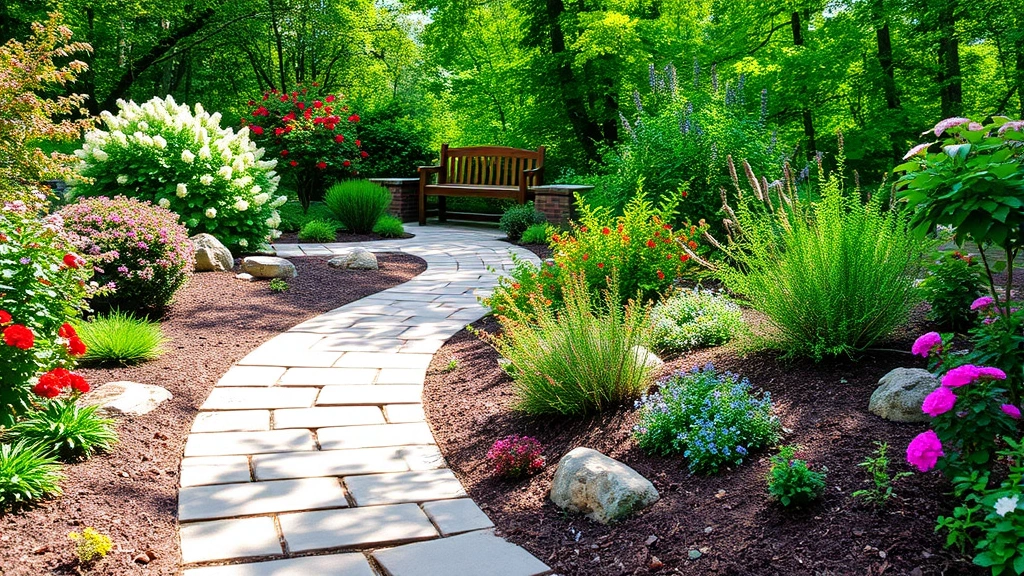
Consider sight lines and how the garden unfolds as you move through it. Curved pathways and layered plantings create more interesting views than straight lines and single-plane arrangements. Even in a small main garden, you can create the illusion of depth by positioning taller elements in the background and shorter plantings in the foreground.
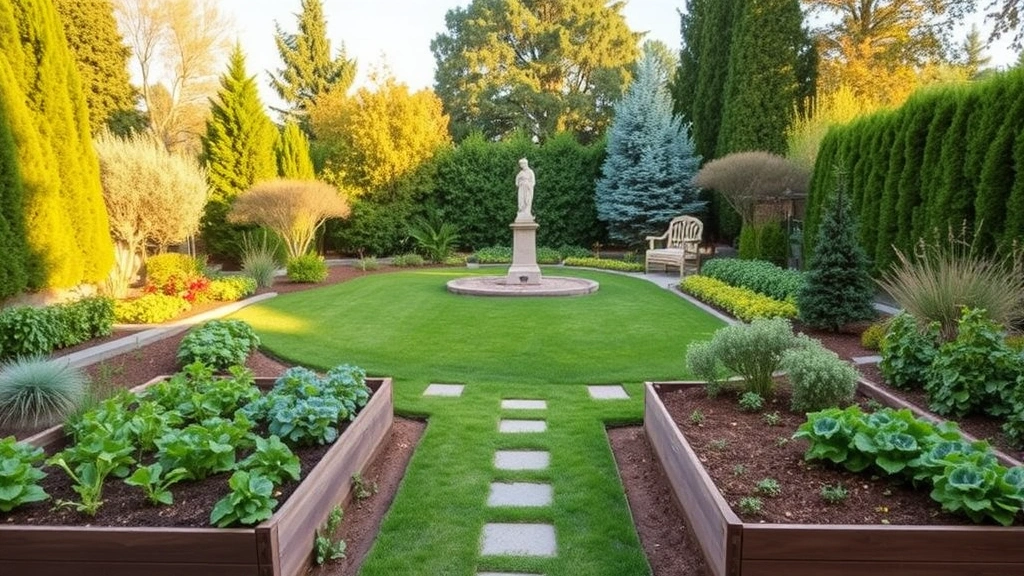
Incorporate garden statues or other focal points strategically to enhance your design without overwhelming the space. The focal point should feel intentional and complement your overall aesthetic rather than appearing randomly placed.
Choose the Right Planting Beds
The structure of your planting beds influences both the aesthetic and practical aspects of your main garden design. Raised beds offer numerous advantages, including better drainage, easier access, and cleaner lines. Vego garden beds provide durable, attractive options for creating defined planting areas, while Lowes raised garden solutions offer budget-friendly alternatives.
Ground-level beds work well in larger spaces and create a more naturalistic appearance. In-ground beds integrate seamlessly with existing landscapes and are ideal for woodland gardens or naturalistic designs. The depth of your beds depends on what you’re planting: herbaceous perennials need eight to twelve inches, shrubs require eighteen to twenty-four inches, and trees need even deeper root zones.
Selecting the best soil for a garden bed is essential for plant health and longevity. Quality soil should contain a balanced mix of organic matter, minerals, and beneficial microorganisms. Invest in premium soil blends rather than using native soil alone, especially in raised beds. This upfront investment pays dividends through improved plant performance and reduced maintenance needs.
Define bed edges clearly with materials that complement your home and design style. Stone, metal, composite materials, or living edges created with low hedging all work well depending on your aesthetic preference and budget.
Select Plants for Year-Round Interest
The best main gardens provide visual interest across all four seasons through thoughtful plant selection. Aim for a diverse palette that includes trees, shrubs, perennials, and groundcovers that offer varied textures, colors, and bloom times. This approach ensures your garden looks attractive even when specific plants aren’t flowering.
Layer your plantings with specimens of varying heights and forms. Tall shade trees create structure and provide canopy cover, deciduous shrubs offer seasonal color change and spring blooms, flowering perennials bring color and movement, and groundcovers unify spaces while suppressing weeds. Include plants with interesting foliage in shades of burgundy, silver, blue, or variegated patterns to extend visual interest beyond bloom seasons.
Select at least one-third of your plants for their winter appeal through features like colorful bark, persistent seed heads, evergreen foliage, or interesting branch architecture. Winter-blooming plants and those with berries that persist into cold months add unexpected charm to your main garden during dormant seasons.
Consider bloom time sequencing to create continuous flowering from spring through fall. Plan for early bulbs like crocuses and daffodils, spring-flowering shrubs and perennials, summer bloomers, and late-season flowers like asters and sedums. This succession of blooms maintains garden vitality throughout the growing season.
Incorporate Hardscape Elements
Hardscape—the non-living components of your garden design—provides structure, functionality, and visual interest. Pathways guide movement through your main garden while creating visual lines that influence perception of space. Materials like gravel, pavers, brick, or stone should complement your home’s architectural style and fit your overall design aesthetic.
Seating areas encourage you to linger and enjoy your garden. Garden benches positioned to take advantage of pleasant views or fragrant plantings create inviting retreats. Consider shade structures like pergolas or arbors that provide relief on hot days while supporting climbing plants that add vertical interest.
Water features—whether a simple birdbath, small fountain, or constructed pond—add movement, sound, and wildlife appeal to your design. Water features become focal points that draw visitors deeper into the garden while providing habitat for beneficial insects and birds. Even modest water elements significantly enhance the sensory experience of your main garden.
Lighting extends the usability and beauty of your garden into evening hours. Path lighting for safety, uplighting for specimen plants, and ambient lighting for entertaining areas all contribute to a well-designed landscape. Choose lighting that complements your design style and provides appropriate illumination without creating harsh shadows or light pollution.
Create Functional Spaces
A well-designed main garden accommodates multiple functions without feeling cluttered or chaotic. Define distinct zones for different activities: an entry garden that welcomes visitors, a viewing area visible from your home’s primary windows, a gathering space for entertaining, and perhaps a quiet retreat for solitude.
Transition between these spaces using changes in elevation, paving materials, or strategic plantings that create subtle boundaries without walls or fences. These transitions help organize your main garden while maintaining visual flow and cohesion. Pathways connecting different zones should feel natural and encourage exploration.
If you have space, consider including a vegetable or herb garden near your kitchen for convenient harvesting. Even ornamental main gardens benefit from culinary plants tucked into borders or containers. Edible landscapes provide both beauty and functionality while teaching valuable lessons about food production.
Plan for practical necessities like compost areas, tool storage, and hose access without allowing these utilitarian spaces to dominate your design. Screen them with attractive plantings or structures while keeping them accessible for regular use. A well-organized main garden functions smoothly while maintaining its aesthetic appeal.
Maintenance Considerations
The most beautiful garden design fails if maintenance demands exceed your time, energy, or expertise. Be realistic about how much time you can dedicate to garden care when selecting plants and design features. A main garden should enhance your life rather than become a burden.
Choose plants suited to your region’s climate and your site’s specific conditions to minimize struggles and maintenance needs. Native plants adapted to local rainfall patterns, soil types, and temperature ranges typically require less intervention than exotic specimens requiring special care. This approach aligns with sustainable gardening practices while reducing your workload.
Mulch your planting beds with two to three inches of organic material to suppress weeds, regulate soil temperature, and improve soil structure over time. This simple practice dramatically reduces maintenance while improving plant health. Refresh mulch annually as it decomposes and becomes incorporated into the soil.
Group plants with similar water, light, and nutrient requirements together to streamline care routines. This practice, known as hydrozoning, prevents the common problem of overwatering drought-tolerant plants or underwatering thirsty species in the same bed. It also makes seasonal tasks like pruning and fertilizing more efficient.
Plan for seasonal maintenance tasks and build them into your schedule. Spring cleanup, summer deadheading and watering, fall division and planting, and winter protection for tender plants all contribute to a thriving main garden. Breaking these tasks into manageable chunks prevents overwhelming yourself and ensures consistent care throughout the year.
FAQ
How much should I budget for designing a main garden?
Budget varies widely depending on garden size, design complexity, and material choices. A simple design using modest plant selections might cost $500-$2,000, while professional landscape design and premium installations can exceed $10,000. Start with a realistic budget and prioritize essential elements, expanding over time as resources allow. Many gardeners implement their designs in phases, beginning with focal points and primary planting beds.
Can I design my main garden myself or should I hire a professional?
Many homeowners successfully design their own gardens by investing time in research and planning. Start with site assessment, sketch your ideas, and study successful designs. However, professional landscape designers bring expertise in spatial planning, plant selection, and construction details that can save money and prevent costly mistakes. Consider hiring a professional for the design phase while handling installation yourself if you’re budget-conscious.
What’s the best time to start a main garden project?
Spring and fall are ideal seasons for planting and garden construction in most climates. Spring offers full growing seasons ahead for plant establishment, while fall provides cooler temperatures that reduce transplant stress. However, planning should happen during any season. Use winter months for design work and site assessment, then implement changes when conditions favor plant survival and growth.
How do I choose between formal and informal garden styles?
Formal gardens feature symmetrical layouts, geometric shapes, and structured plantings, suiting traditional home styles and those preferring organized, manicured appearances. Informal gardens embrace curves, mixed plantings, and naturalistic arrangements, working well with cottage-style homes and relaxed aesthetics. Your home’s architectural style, personal preferences, and available maintenance time should guide this decision. Many successful main gardens blend both approaches.
What if my property has challenging conditions like poor soil or deep shade?
Challenging conditions require thoughtful plant selection rather than impossible gardening. Poor soil improves dramatically with added organic matter and amendments. Deep shade gardens thrive with shade-tolerant plants like hostas, ferns, and hellebores. Consider these conditions as design opportunities rather than limitations. Some of the most interesting gardens work with rather than against challenging sites.


