Letter Garden Ideas: Landscape Designer Insights
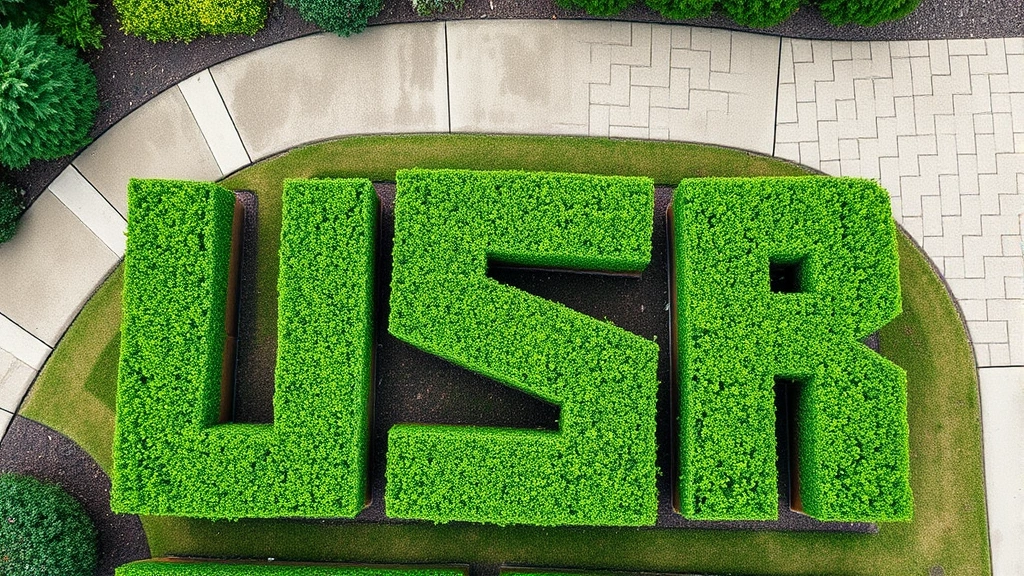
Creating a letter garden is a charming and creative way to personalize your outdoor space while showcasing your horticultural skills. Whether you’re designing a monogram garden visible from above, crafting alphabetical plant borders, or establishing themed sections named after letters, letter gardens combine artistic vision with botanical knowledge. These distinctive landscapes transform ordinary yards into conversation-starting displays that reflect personal identity and gardening passion.
Landscape designers have long recognized the appeal of letter gardens as functional art pieces. From small residential plots to expansive estates, implementing letter-shaped plantings requires careful planning, plant selection, and maintenance strategies. This comprehensive guide explores professional insights, design techniques, and practical approaches to help you create a stunning letter garden that thrives year-round.
Understanding Letter Garden Design Principles
Letter gardens represent a unique intersection of landscape architecture and horticultural creativity. Professional designers approach these projects by first considering the viewing perspective—whether the letters will be visible from ground level, elevated vantage points, or aerial viewpoints like drone photography or second-story windows. This foundational decision influences plant height selection, spacing precision, and overall layout strategy.
The fundamental principle behind successful letter gardens involves treating each letter as a distinct design element within the larger landscape composition. Rather than viewing letters as isolated plantings, experienced designers integrate them into cohesive garden schemes that complement existing architectural features, hardscaping elements, and surrounding vegetation. When starting a flower garden with letter themes, consider how the alphabetical elements will interact with pathways, seating areas, and focal points.
Scale represents another critical design consideration. Landscape designers typically recommend making letters large enough to be visually impactful—minimum dimensions of 3-4 feet for residential gardens, with commercial or public spaces requiring 8-15 feet or larger. Undersized letters appear cluttered and fail to create the intended visual statement, while oversized letters may overwhelm smaller properties.
The letter style itself influences planting patterns. Sans-serif designs offer cleaner lines and simpler planting arrangements, while decorative or script fonts require more intricate plant placement and advanced design skills. Most professional designers recommend starting with straightforward block letters for first-time letter garden projects.
Choosing the Right Plants for Letter Shapes
Plant selection determines whether your letter garden succeeds or struggles. Landscape designers evaluate several characteristics when choosing appropriate specimens: growth habit, mature size, color consistency, maintenance requirements, and regional hardiness. The ideal plants for letter gardens offer dense, compact growth that naturally maintains defined edges without excessive pruning.
Evergreen shrubs provide year-round structure and visibility, making them popular choices for permanent letter installations. Boxwood varieties, particularly dwarf cultivars like ‘Suffruticosa’ and ‘Green Velvet’, create crisp letter outlines with minimal maintenance. Privet hedging offers faster growth and easier shaping, though it requires more frequent trimming. Japanese holly, yew, and wintercreeper deliver reliable performance in various climate zones.
For raised garden letter installations, consider combining structural plants with complementary perennials and annuals. This layered approach adds visual depth and allows seasonal color changes. Ornamental grasses create flowing letter forms with graceful movement, while flowering plants like petunias, marigolds, and salvias fill letters with vibrant seasonal color.
Landscape designers frequently employ succulent gardens for letter designs, particularly in arid and semi-arid regions. Sedums, echeveria, and aeonium provide architectural interest with minimal water requirements. Their varied colors—purples, reds, grays, and greens—create striking visual contrasts when arranged in letter patterns.
Foliage color offers additional design flexibility. Silver-leafed plants like artemisia and dusty miller create subtle contrast against darker backgrounds. Colored-leaf varieties such as ‘Purple Heart’ coleus, red-tinged begonias, and bronze-leaved cannas deliver dramatic letter visibility. Some designers use multiple plant colors within single letters, creating gradient effects or striped patterns.
When selecting plants, verify that choices thrive in your specific USDA hardiness zone and light conditions. Consult USDA Plant Hardiness Zone Map resources to ensure long-term success. Consider also the microclimate within your garden—some letter locations may receive afternoon shade or wind exposure requiring specialized plant selections.
Layout Planning and Spacing Techniques
Professional landscape designers employ specific techniques to translate letter concepts into actual garden layouts. Begin by determining your letter’s overall dimensions and establishing clear boundaries using landscape marking paint, chalk, or temporary rope outlines. This visualization step prevents costly planting mistakes and allows design adjustments before purchasing plant materials.
For geometric precision, many designers create scaled grid patterns on paper, then transfer these proportions to the garden using string lines and stakes. This grid method ensures accurate letter formation and consistent spacing between plants. For complex letters like ‘S’ or ‘R’, working with 1-inch grid squares on paper, then scaling to 1-foot squares in the garden, maintains design integrity.
Spacing between plants depends on mature plant size and the desired fill timeline. Landscape designers typically recommend closer spacing (12-18 inches) for faster visual impact, accepting that plants may require thinning as they mature. Wider spacing (24-36 inches) reduces initial plant costs but delays complete letter definition by 1-2 seasons. When preparing soil, incorporate quality best soil for garden beds to ensure optimal plant establishment and growth.
The letter’s line width significantly impacts plant spacing calculations. Narrow letters (12-18 inches wide) work best with single-row plantings, while wider letters (24-36+ inches) accommodate multiple-row arrangements. Double-row plantings create fuller, more visually substantial letters and provide redundancy if individual plants fail.
Consider incorporating pathways or edging materials to enhance letter definition. Low-growing border plants, decorative stone edging, or mulch variations help delineate letter shapes from surrounding garden areas. Some designers use contrasting ground covers—ornamental grasses against darker foliage, or silver-leafed plants against deep green backgrounds—to create natural letter outlining.
Color Combinations and Visual Impact
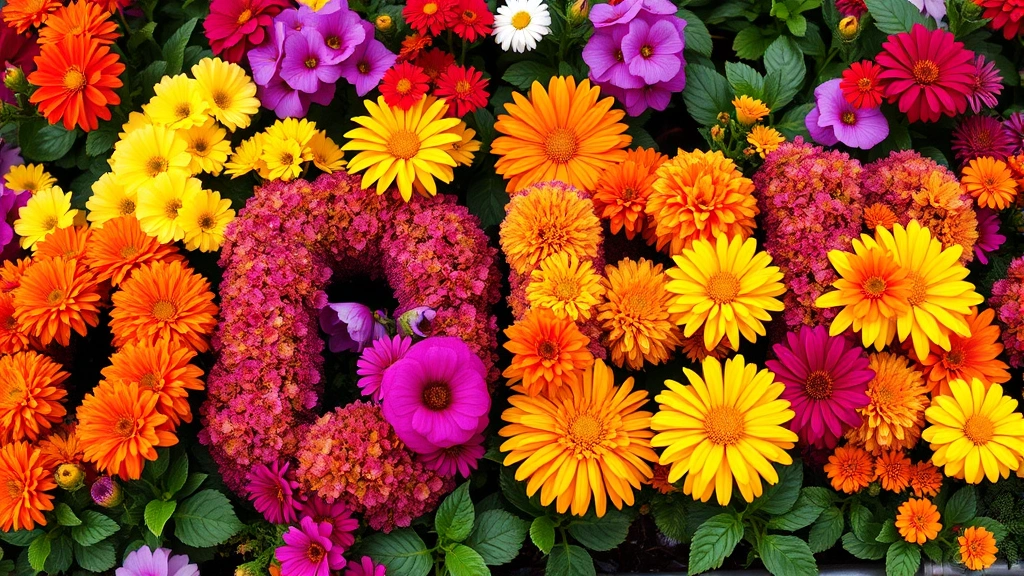
Strategic color selection dramatically influences letter garden effectiveness. Landscape designers apply color theory principles to create visually compelling designs that work in various lighting conditions and seasonal contexts. High-contrast combinations—bright flowers against dark foliage, or silver plants against rich green backgrounds—maximize letter visibility and impact.
Monochromatic approaches offer sophisticated alternatives to high-contrast designs. A letter garden composed entirely of white flowers creates elegant simplicity, while purple-toned plantings deliver moody drama. Analogous color schemes using plants in similar color families create harmonious, cohesive appearances that feel intentional rather than accidental.
Seasonal color transitions keep letter gardens visually interesting throughout the year. Spring bulbs like tulips and daffodils can fill letter spaces, replaced by summer annuals, then autumn-blooming perennials and ornamental grasses. This rotation strategy maintains visual interest while accommodating different plant growth cycles and seasonal availability.
Lighting considerations influence color perception. Morning sun may intensify cool blues and purples, while afternoon light warms oranges and reds. Designers often visit proposed letter garden sites at different times to observe how changing light angles affect plant colors and letter visibility.
Maintenance Strategies for Letter Gardens
Long-term success requires establishing realistic maintenance schedules and protocols. Landscape designers recommend different approaches based on plant choices and design complexity. Evergreen shrub letters require regular pruning to maintain crisp edges—typically 2-4 times annually depending on growth rate and desired precision.
Flowering plant letters demand deadheading, watering, and seasonal replanting. Landscape professionals often recommend installing drip irrigation systems to ensure consistent moisture for letter plantings, particularly important for densely planted designs where individual hand-watering proves impractical. Mulching around plants conserves moisture, suppresses weeds, and defines letter edges.
Pest and disease management becomes more critical in densely planted letter gardens where issues spread quickly between adjacent plants. Regular monitoring for common problems—powdery mildew, spider mites, scale insects—allows early intervention before damage becomes extensive. Ensure proper air circulation through appropriate spacing and selective pruning.
Weed control within letter plantings requires consistent attention. Hand-pulling, careful hoeing, and landscape fabric installation all help manage weeds. Some designers recommend installing herbicide barriers or using pre-emergent weed suppressants, though organic gardeners may prefer manual methods and mulch layers.
Fertilization schedules depend on plant types and soil conditions. Flowering annuals benefit from regular feeding with balanced fertilizers, while established shrubs typically need minimal supplementation if planted in quality soil. Soil testing through your local extension service provides baseline nutrient information and guides fertilization decisions.
Seasonal Considerations and Plant Rotation
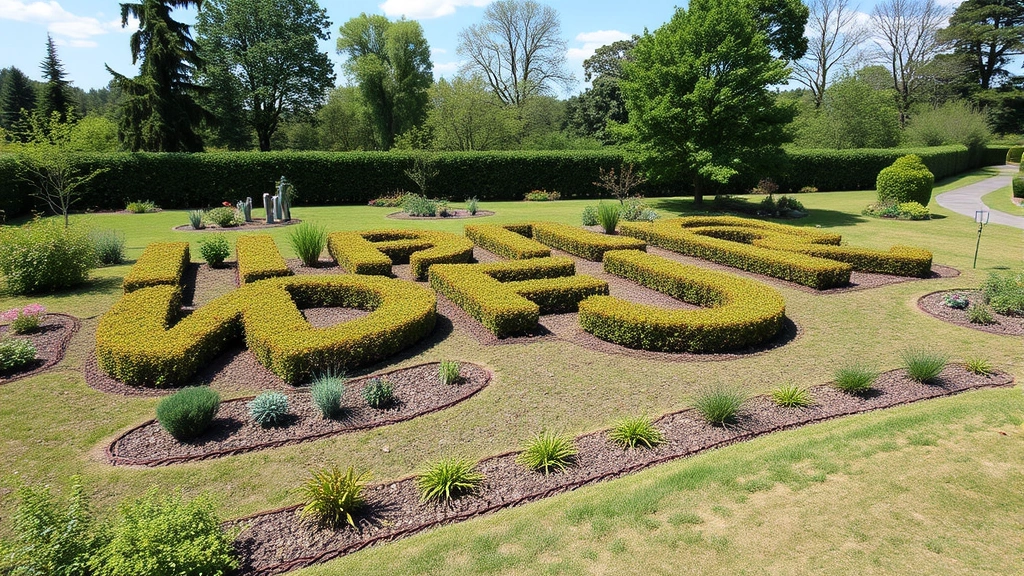
Professional landscape designers plan letter gardens with seasonal changes in mind. In temperate climates, incorporating spring-blooming bulbs, summer-flowering annuals, and fall-color perennials ensures year-round visual interest. Evergreen structural plants provide winter definition when deciduous plants enter dormancy.
Spring represents ideal planting season for most letter garden projects. Mild temperatures and adequate moisture promote establishment before summer heat stress. Fall planting works equally well in many regions, allowing roots to develop over winter before spring growth demands. Avoid planting during extreme heat or drought periods when young plants struggle to establish.
Cold-climate gardeners should select plants rated for their hardiness zones, ensuring winter survival. Some designers create seasonal letter displays using tender plants, accepting that replanting occurs annually. This approach offers maximum color flexibility but demands higher maintenance commitment.
Drought-tolerant plantings suit water-conscious gardeners and arid regions. Succulents, ornamental grasses, and Mediterranean-origin plants like lavender and rosemary create attractive letters while minimizing irrigation needs. Once established, these plantings require minimal supplemental watering beyond natural precipitation.
Budget-Friendly Letter Garden Solutions
Creating letter gardens doesn’t require unlimited budgets. Landscape designers share several cost-reduction strategies without compromising visual appeal. Starting with smaller letters or single-letter installations keeps initial expenses manageable while allowing skill development before expanding to larger, more complex projects.
Purchasing smaller plant sizes reduces upfront costs, though patience becomes necessary as plants reach mature dimensions. Nursery stock in 4-inch or quart containers costs significantly less than gallon or larger specimens. Seed-grown annuals offer maximum savings for flowering letter gardens, though starting seeds requires planning and indoor growing space.
Propagating plants from cuttings provides free or nearly-free plant material for letter gardens. Many shrubs, perennials, and herbs root readily from cuttings, allowing budget-conscious gardeners to create extensive plantings from minimal initial investment. Division of established perennials generates additional plants for expanding letter gardens.
Community garden exchanges, plant swaps, and local gardening groups frequently offer free or inexpensive plant materials. Online gardening communities and social media groups connect gardeners willing to share seeds, cuttings, and excess plants. Checking with neighbors before major landscaping projects sometimes yields available plants marked for removal.
Focusing letter gardens on easily maintained, long-lived plants reduces ongoing expenses. While annual flowers offer maximum color flexibility, perennial-based letters require less frequent replacement and lower yearly input costs. Combining budget-friendly structural plants with strategic seasonal color accents balances economy with visual impact.
Consulting American Horticultural Society resources and local Master Gardener programs provides free or low-cost design advice and plant information. Many extension services offer soil testing, pest identification, and cultural guidance at minimal cost, helping gardeners make informed decisions that prevent costly mistakes.
FAQ
What’s the best time to plant a letter garden?
Spring and fall offer ideal conditions for letter garden establishment in most climates. Spring planting allows plants to develop roots before summer heat, while fall planting enables root development over winter. Avoid planting during extreme heat, cold, or drought periods when young plants struggle to establish.
How large should letter gardens be for visibility?
Landscape designers recommend minimum dimensions of 3-4 feet for residential letter gardens, with 8-15 feet or larger for public spaces or aerial viewing. Larger letters create stronger visual impact and accommodate more sophisticated planting arrangements. Letter height should typically equal or exceed width for balanced proportions.
Can I create letter gardens in containers or raised beds?
Yes, letter gardens work beautifully in raised beds and large containers. Constructing raised gardens for letter designs offers improved drainage, easier maintenance, and flexibility in soil composition. Container-based letter gardens suit small spaces, renters, and gardeners with poor native soil conditions.
What plants work best for letter gardens in shade?
Shade-tolerant options include boxwood, Japanese holly, hostas, ferns, and shade-loving perennials like astilbe and hellebores. Foliage-focused designs work particularly well in shade since flowering plants often require more light. Variegated plants with lighter-colored leaves increase visibility in shadier locations.
How often should I prune letter garden shrubs?
Evergreen shrub letters typically need pruning 2-4 times annually depending on growth rate and desired precision. Light, frequent pruning maintains cleaner lines than infrequent heavy cutting. Most designers recommend pruning after new growth flushes in spring and early summer, with light touch-ups in late summer.
Can I use different plants within a single letter?
Absolutely. Many landscape designers create visually interesting letters using contrasting plant combinations—combining dark and light foliage, mixing textures, or layering different heights. Multi-plant letters offer more design flexibility and can create gradient effects or striped patterns within letter shapes.
What’s the maintenance commitment for annual flower letters?
Annual flower letters require regular deadheading, watering, and seasonal replanting. Weekly maintenance including deadheading, weeding, and watering is typical during growing season. These letters demand higher upkeep than evergreen shrub letters but offer maximum color flexibility and seasonal variety.
Are letter gardens appropriate for small gardens?
Yes, smaller letter gardens work well in compact spaces. Consider single large letters, initials, or simple letter shapes rather than complex designs. Raised beds and container plantings allow letter gardens in limited space. Vertical letter gardens using trellises or wall-mounted containers add interest while minimizing footprint.


