Best Plants for Large Terracotta Pots: Expert Advice for Container Gardening
Large terracotta pots are a gardener’s secret weapon for creating stunning container displays. Their warm, earthy aesthetic complements virtually any outdoor space, and their porous nature allows for excellent air circulation around plant roots. Whether you’re designing a Mediterranean-inspired patio, a cottage garden entryway, or a contemporary landscape, selecting the right plants for your large garden terracotta pots makes all the difference between a mediocre display and a show-stopping focal point.
The beauty of container gardening with terracotta lies in flexibility and control. You can move plants to optimize sunlight, adjust soil composition for specific species, and create microclimates that wouldn’t be possible in ground beds. However, success requires understanding which plants thrive in containers, how to manage their unique growing conditions, and the seasonal considerations that keep your terracotta displays flourishing year-round.
This comprehensive guide draws on horticultural expertise to help you choose, plant, and maintain the most suitable specimens for your large terracotta containers. From sun-loving perennials to shade-tolerant foliage plants, we’ll explore varieties that deliver reliable performance and visual impact.
Why Large Terracotta Pots Excel for Container Gardening
Terracotta’s popularity among gardeners stems from multiple practical and aesthetic advantages. The material is fired clay that naturally breathes, allowing water to evaporate through its walls. This characteristic prevents waterlogging—a common problem in plastic containers—and creates healthier root environments. The porous nature also moderates soil temperature fluctuations, protecting roots from extreme heat in summer and cold in winter.
Large pots offer distinct benefits over smaller containers. They retain moisture longer, reducing watering frequency during hot weather. Their substantial volume accommodates larger root systems, allowing you to grow specimen plants that would be cramped in standard pots. The weight and stability of large terracotta containers make them ideal for tall plants prone to wind damage, and they create bold visual statements in landscape design.
The warm, rustic appearance of terracotta complements both traditional and contemporary garden styles. Whether glazed or unglazed, terracotta develops character over time as minerals and algae create a natural patina. This aesthetic evolution adds charm that plastic containers cannot replicate. Additionally, terracotta is environmentally friendly and long-lasting, often lasting decades with proper care.
Top Plants for Full Sun Terracotta Containers
Full-sun locations (six or more hours of direct sunlight) present ideal conditions for vibrant flowering displays. These sun-loving plants thrive in the warm microclimate that large terracotta pots create, and their blooms deliver maximum color impact throughout the season.
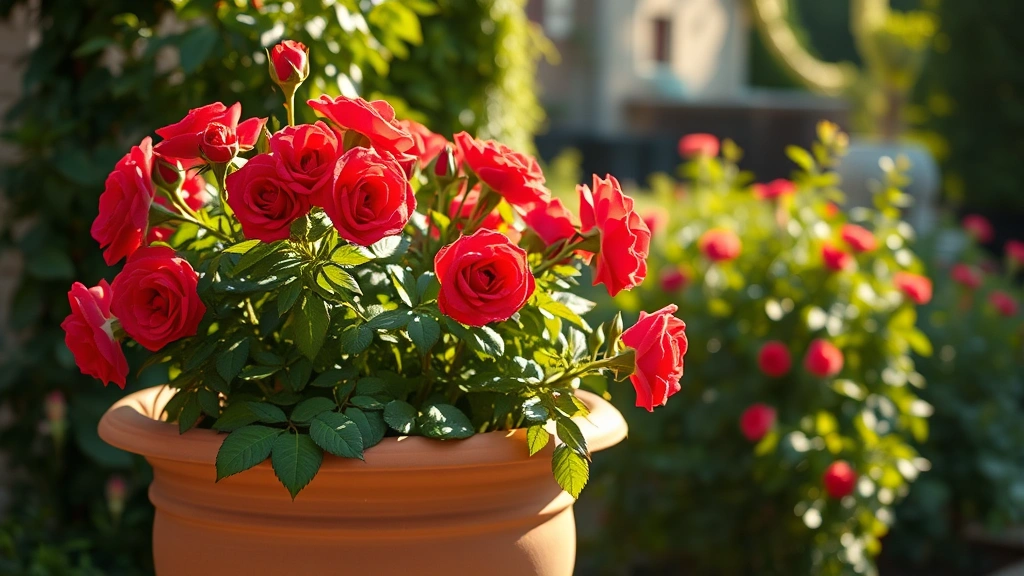
Roses are exceptional choices for large terracotta containers. Patio roses, shrub roses, and even climbing varieties perform beautifully when given adequate root space. They require well-draining soil amended with compost, consistent watering without waterlogging, and regular deadheading. A 20-inch diameter pot accommodates a single specimen rose, while larger containers can hold multiple complementary plantings. Roses prefer morning sun exposure, which helps prevent fungal diseases common in shaded conditions.
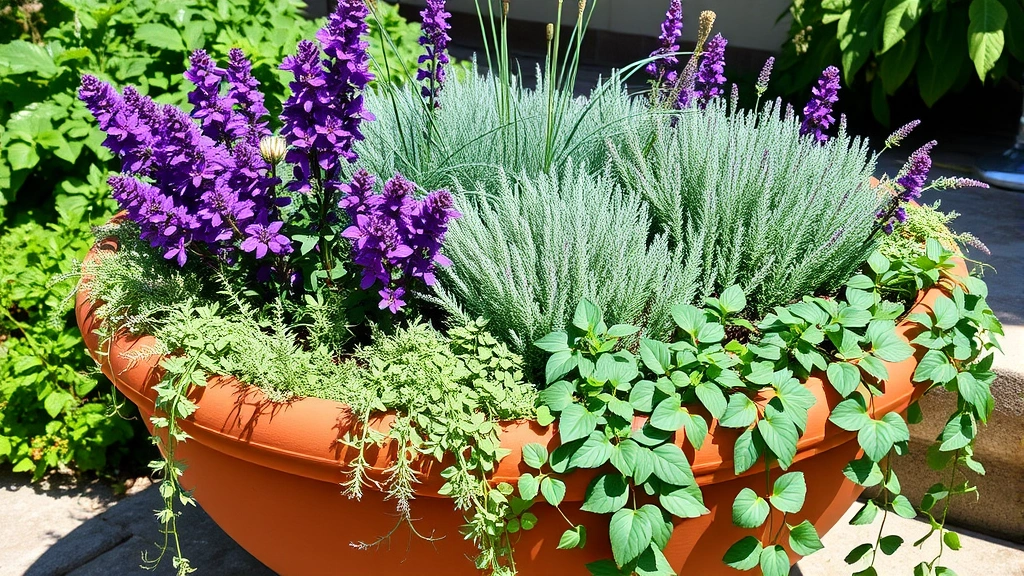
Lavender creates both visual beauty and aromatic appeal in terracotta containers. These drought-tolerant Mediterranean natives thrive in poor, well-draining soil—exactly what large terracotta pots provide. English lavender (Lavandula angustifolia) and Spanish lavender (Lavandula stoechas) both perform excellently. They require minimal fertilization, prefer dry conditions between waterings, and bloom prolifically when deadheaded. Lavender’s silver-green foliage provides season-long interest beyond the purple flower spikes.
Ornamental grasses bring movement and texture to sun-exposed containers. Varieties like fountain grass (Pennisetum), feather reed grass (Calamagrostis), and blue fescue (Festuca glauca) create graceful vertical accents. Their airy texture complements flowering plants and provides visual interest well into winter. Grasses are remarkably low-maintenance once established, requiring little fertilizer and thriving in full sun. Their fibrous root systems fill large pots completely, creating stable, substantial plantings.
Salvia encompasses diverse species suited to container growing. Perennial salvias like ‘Black and Blue’ deliver months of deep blue flowers on burgundy stems. Annual salvias offer even more color options. These drought-tolerant plants prefer lean soil and full sun, making them ideal for terracotta’s drying effect. They attract hummingbirds and pollinators, adding dynamic wildlife interest to your patio or entryway.
Agapanthus (Lily of the Nile) produces stunning spherical clusters of blue or white flowers above strap-like foliage. These sun-worshippers thrive in large terracotta pots, where their substantial root systems have room to expand. They’re relatively drought-tolerant once established and bloom reliably in full sun. Container-grown agapanthus can be moved indoors in cold climates during winter, extending their growing season.
Shade-Tolerant Plants for Partially Shaded Pots
Not all garden locations receive full sun. Partially shaded areas (three to six hours of sunlight) present opportunities for elegant plantings featuring shade-tolerant species that wouldn’t survive in exposed locations. These plants often showcase exceptional foliage and more delicate flowers than sun-lovers.
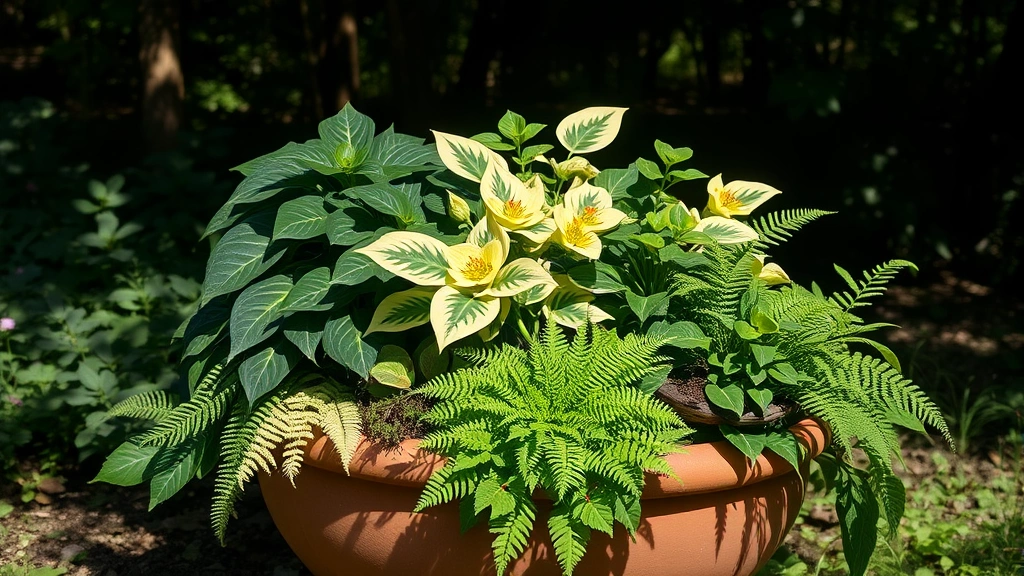
Hostas are shade-gardening classics that excel in large terracotta containers. Their dramatic foliage comes in countless varieties—from solid green to variegated patterns with golden, silver, or cream margins. Hostas develop their best color in dappled shade, where leaf colors remain vibrant without sun scorch. They’re remarkably low-maintenance, requiring consistent moisture and occasional fertilization. Their mounding form creates substantial, year-round visual impact in shaded entryways or under tree canopies.
Hydrangeas produce abundant flowers in partial shade, often displaying better color in shade than in full sun. Bigleaf hydrangeas (Hydrangea macrophylla) develop richer hues when protected from afternoon sun. Container-grown hydrangeas benefit from consistent moisture and can be moved to optimize light exposure. Their large leaves and showy flower clusters create dramatic focal points, and their extended bloom season ensures months of interest.
Ferns bring architectural elegance to shaded containers. Japanese painted fern, autumn fern, and lady fern offer diverse textures and color variations. Ferns thrive in moist, humus-rich soil—conditions easily maintained in large containers with proper watering. Their delicate fronds create soft, romantic effects and pair beautifully with shade-tolerant flowering plants like astilbe or heuchera.
Shade-tolerant perennials like astilbe, hellebores, and coral bells (heuchera) perform excellently in partial shade. Astilbe’s feathery flower plumes add movement and interest, while hellebores provide early-season blooms when little else flowers. Heuchera’s colorful foliage ranges from deep burgundy to golden yellow, providing season-long ornamental value. These plants prefer consistent moisture and benefit from afternoon shade in hot climates.
Tropical and Tender Perennials for Impact
Container gardening enables growing tropical and tender plants in cooler climates. Large terracotta pots provide the root space these vigorous growers need, and containers can be moved indoors before frost strikes, extending their growing season indefinitely.
Hibiscus creates tropical ambiance with its enormous, showy flowers in red, pink, orange, yellow, and purple. Tropical hibiscus (Hibiscus rosa-sinensis) thrives in large containers, producing flowers prolifically when given full sun, consistent moisture, and regular feeding. Hardy hibiscus varieties survive winter outdoors in temperate zones and develop into substantial specimens in large pots.
Bougainvillea delivers spectacular color with its papery bracts in magenta, pink, orange, red, and purple. These vigorous vines and shrubs thrive in large terracotta pots positioned in full sun. They prefer drier conditions between waterings—the porosity of terracotta suits them perfectly. Bougainvilleas respond beautifully to pruning, creating sculptural forms that command attention.
Mandevilla combines tropical foliage with elegant pink, red, or white flowers. These vining plants are perfect for large containers with trellises, creating vertical focal points. They prefer warm, sunny locations and consistent moisture during the growing season. Their flowers appear continuously from early summer through frost, providing reliable color.
Cannas bring bold, architectural form with their large, paddle-shaped foliage and vibrant flower spikes. Varieties with burgundy, bronze, or variegated leaves provide season-long interest beyond flowers. Cannas are vigorous growers requiring large containers and regular feeding. They thrive in warm, moist conditions and create dramatic tropical effects in temperate gardens.
Foliage Plants That Shine in Terracotta
Foliage plants deserve equal consideration with flowering specimens. Colorful, textured leaves provide months of visual interest and create sophisticated color schemes impossible with flowers alone. When creating garden border edging and container arrangements, foliage plants anchor designs and extend seasonal interest.
Coleus offers extraordinary foliage diversity with leaves in burgundy, lime, orange, pink, and multicolored combinations. These tender annuals thrive in partial shade to full sun (depending on variety) and prefer consistent moisture. They develop into bushy specimens in large containers and are easily propagated—see our guide on how to propagate plants for detailed instructions. Coleus foliage creates stunning color combinations with complementary flowering plants.
Caladiums produce enormous, heart-shaped leaves in white, pink, red, and green patterns. These tropical foliage plants prefer warm, humid conditions and partial shade. Their dramatic leaves create exotic effects in shaded containers, and their growth habit fills space quickly. Caladiums are tender and require moving indoors before frost, but their summer performance justifies the effort.
Dusty Miller (Senecio cineraria) provides silvery-gray foliage that brightens dark corners and complements any flower color. This Mediterranean native thrives in full sun and well-draining soil, making it ideal for terracotta. Its fine-textured leaves create soft contrasts with bold-leaved companions and provide visual continuity across multiple containers.
Begonias encompass diverse foliage types beyond the familiar red flowers. Rex begonias feature extraordinary leaf patterns with silver, burgundy, pink, and green in intricate combinations. Foliage begonias like ‘Iron Cross’ create architectural interest with dramatically patterned leaves. These shade-tolerant plants thrive in large containers with consistent moisture and well-draining soil.
Seasonal Planting Strategies
Successful container gardening requires understanding seasonal rhythms and adjusting plantings accordingly. Large terracotta pots can be replanted multiple times yearly, creating fresh displays for each season.
Spring planting begins as frost danger passes. Tender annuals, tropical plants, and summer bloomers move outdoors. Spring bulbs like tulips and daffodils may still be flowering, creating beautiful transitions. Cool-season annuals like pansies and snapdragons continue performing until temperatures soar. This is an excellent time to plant new perennials that will establish strong root systems before summer heat.
Summer displays showcase heat-loving plants at their peak. Tender perennials, tropical specimens, and drought-tolerant plants thrive. Regular watering becomes essential as terracotta’s porosity increases evaporation in heat. Deadheading flowering plants extends bloom periods dramatically. Summer is also ideal for establishing new plantings before fall transitions begin.
Fall transitions introduce cooler-season plants and shift color palettes. Mums, ornamental kale, and cool-season annuals replace summer plantings. Foliage plants like coleus and caladiums reach peak color as temperatures cool. This season offers opportunities to experiment with unusual color combinations and create harvest-themed displays. Fall plantings often outperform spring plantings in cooler climates because plants establish before winter.
Winter considerations vary dramatically by climate. In mild regions, winter-blooming plants like hellebores and winter jasmine provide color. In cold climates, evergreen foliage plants and structural elements maintain interest. Tender plants must be moved indoors or protected. Winter is an excellent time to refresh soil, repair damaged pots, and plan next year’s designs.
Essential Care and Maintenance Tips
Large terracotta pots require specific care practices to ensure plant success and pot longevity.
Soil selection is crucial for container success. Use high-quality potting mix rather than garden soil, which compacts in containers and restricts drainage. Customize mixes for specific plants: add extra perlite for drought-tolerant species, incorporate peat moss or coco coir for moisture-loving plants. Refresh soil annually by removing top few inches and replacing with fresh mix, or completely replace soil every two to three years.
Watering management is the primary challenge in container gardening. Terracotta’s porosity means containers dry faster than plastic alternatives. Check soil moisture daily during warm weather by inserting your finger an inch deep—water thoroughly when dry at that depth. Morning watering is ideal, allowing foliage to dry and reducing disease risk. In summer heat, large containers may need daily watering. Reduce frequency in fall and winter as growth slows.
Fertilization becomes necessary because container plants cannot access ground nutrients. Apply balanced fertilizer every two to three weeks during the growing season, or use slow-release fertilizer at planting time. Reduce feeding in fall as growth slows, and stop entirely in winter. Follow package directions carefully—over-fertilizing causes salt accumulation in soil, damaging roots. Coffee grounds in garden applications provide gentle slow-release nitrogen for container plants.
Pest and disease management in containers requires vigilance. Container plants are more vulnerable to pests because they’re isolated from beneficial insects. Inspect plants regularly for spider mites, aphids, and mealybugs. Treat infestations promptly with insecticidal soap or neem oil. Powdery mildew and fungal diseases occur when foliage remains wet—space plants for air circulation and water soil directly rather than overhead.
Deadheading and pruning extend bloom periods and maintain plant shape. Remove spent flowers regularly, cutting just below the flower base. Pinch growing tips in early season to encourage bushier growth. Prune leggy or overgrown plants by one-third in spring. These practices keep container plants looking fresh and productive throughout their season.
Pot maintenance ensures longevity. Clean exterior surfaces annually with a stiff brush to remove algae and mineral deposits. In cold climates, bring empty pots indoors after plants are removed—water absorbed by terracotta freezes and cracks pots. Stack pots in a dry location or wrap in burlap. Check pots annually for cracks and replace damaged specimens. Unglazed terracotta develops character with age, but severe damage compromises functionality.
Design Combinations and Arrangement Ideas
The most successful container plantings combine plants with complementary growth habits, colors, and textures. A classic approach uses a thriller-filler-spiller formula: a tall focal plant (thriller), complementary middle-height plants (fillers), and trailing plants (spillers) that cascade over pot edges.
Monochromatic combinations create sophisticated, restful effects. Plant white flowers with silvery foliage (white petunias with dusty miller), or combine purple flowers with deep burgundy foliage (purple salvia with heuchera). These combinations require no color coordination skill yet deliver elegant results.
Complementary color schemes pair opposite colors on the color wheel: orange with blue, yellow with purple, red with green. A pot combining orange marigolds with purple salvia creates vibrant visual energy. These schemes demand confidence but reward bold gardeners with stunning impact.
Consider pairing container gardens with other hardscape elements. Position large terracotta pots flanking entryways, grouping multiple pots of varying heights for visual interest. Arrange pots along pathways or around patios to create defined spaces. Position pots near water features like garden fountain installations, where their warm tones complement water elements beautifully.
Vertical plantings maximize space and create dramatic focal points. Train climbing roses, clematis, or mandevilla on trellises inserted in large pots. Cascade trailing plants like ivy and sweet potato vine over pot edges. These vertical arrangements transform containers into living sculptures and add interest to blank walls or fence lines.
Seasonal transitions keep container gardens fresh. Spring displays might feature tulips and pansies, summer showcases roses and salvia, fall highlights mums and ornamental kale, and winter features evergreens and structural elements. This approach requires replanting but ensures year-round visual interest and keeps gardening engaging across seasons.
When designing large container displays, consider creating raised garden bed arrangements using large terracotta pots as permanent installations. Multiple pots arranged together create unified garden rooms and provide flexibility to adjust plantings seasonally.
FAQ
How often should I water large terracotta pots?
Watering frequency depends on weather, plant type, and season. During hot weather, check daily and water when soil is dry an inch deep. In spring and fall, watering every two to three days may suffice. Winter watering is minimal. Always water thoroughly until water drains from drainage holes—this flushes salts and ensures deep soil moisture.
Can I leave large terracotta pots outside during winter?
In regions with freezing temperatures, empty terracotta pots may crack as water absorbed by the material freezes and expands. Move empty pots indoors or wrap them in burlap for winter protection. In mild climates where temperatures rarely drop below freezing, pots can remain outside year-round. Planted pots with moist soil are more likely to crack, so ensure soil is relatively dry before winter.
What size terracotta pot do I need for specific plants?
As a general rule, pot diameter should be one-third the mature plant height. A rose growing 3 feet tall needs a 12-inch pot. Trailing plants need smaller pots than upright varieties. Deep-rooted plants require taller pots, while shallow-rooted plants do well in wider, shallower containers. When in doubt, choose larger pots—they retain moisture longer and accommodate plant growth better than undersized containers.
How do I prevent salt buildup in terracotta containers?
Salts accumulate from fertilizer and water minerals, appearing as white crusty deposits on pot exteriors and soil surfaces. Flush containers thoroughly with water every month to leach accumulated salts. Use distilled water occasionally to reduce mineral accumulation. Refresh soil annually by removing and replacing top inches, or completely replace soil every two to three years. Apply balanced fertilizer at recommended rates rather than exceeding recommendations.
Can I grow vegetables in large terracotta pots?
Absolutely. Large terracotta containers accommodate productive vegetable gardens. Tomatoes, peppers, eggplants, squash, beans, and leafy greens all thrive in containers. Ensure pots have adequate drainage, use quality potting soil, provide consistent moisture and feeding, and position in full sun (at least six hours daily). A 20-inch pot accommodates a single tomato plant or multiple leafy greens. Container vegetables often produce earlier and more reliably than ground plantings because soil warms faster.
What are the best external resources for container gardening?
The USDA Plant Hardiness Zone Map helps identify cold-hardy plants for your region. Your local horticultural society provides region-specific guidance on container plants. Extension services through state universities offer research-based container gardening advice. Botanical gardens in your region demonstrate successful container plantings and offer plant recommendations. Master gardener programs provide free, expert consultation for container gardening questions.
How do I transition tender plants indoors for winter?
Before first frost, bring tender container plants indoors. Place in a bright window receiving at least four hours of indirect light. Reduce watering—indoor plants dry slower than outdoor containers. Inspect plants for pests before bringing indoors, as insects multiply rapidly in warm indoor environments. Gradually reacclimate plants to outdoor conditions in spring by moving them outdoors during warm days before leaving them outside permanently.


