Lam’s Garden: Expert Tips for Year-Round Success
Creating a thriving garden requires more than just planting seeds and hoping for the best. Whether you’re a seasoned gardener or just starting your journey, understanding the fundamentals of garden management across all seasons will transform your outdoor space into a productive, beautiful oasis. Lam’s Garden philosophy centers on working with nature’s rhythms, implementing sustainable practices, and making informed decisions based on your local climate and soil conditions.
A successful garden demands attention to detail, proper timing, and a willingness to adapt your strategies as seasons change. From spring preparation through winter dormancy, each season presents unique opportunities and challenges. This comprehensive guide will walk you through the essential practices that keep gardens flourishing year-round, incorporating proven techniques that experienced gardeners swear by.
Spring Preparation and Planting
Spring marks the awakening of the garden, a time when soil temperatures rise and daylight extends. The foundation for spring success begins in late winter with soil preparation. Test your soil’s pH and nutrient levels to understand what amendments it needs. Most vegetables thrive in slightly acidic to neutral soil with a pH between 6.0 and 7.0. Work compost and organic matter into your beds several weeks before planting to improve structure and fertility.
Start seeds indoors 6-8 weeks before your last frost date for warm-season crops like tomatoes, peppers, and eggplants. This gives transplants a head start and extends your growing season. Meanwhile, direct sow cool-season crops like lettuce, peas, spinach, and carrots as soon as soil can be worked. These hardy vegetables actually prefer cooler spring temperatures and will bolt if planted too late.
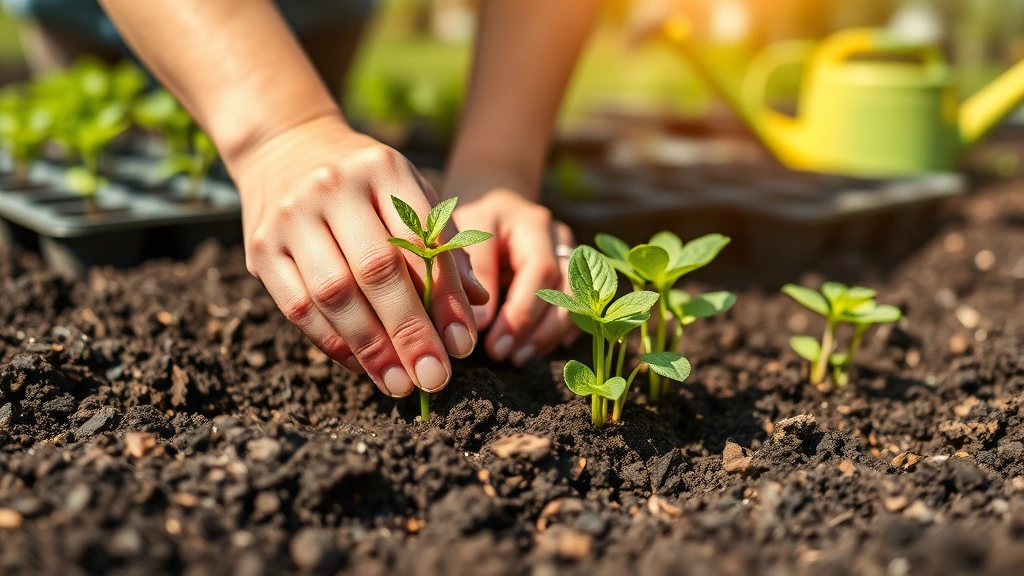
When transplanting seedlings outdoors, harden them off gradually by exposing them to outdoor conditions for increasing periods over 7-10 days. This prevents transplant shock and creates stronger plants. Space plants according to mature size to ensure adequate air circulation, which reduces disease pressure. Water thoroughly after planting and establish a consistent watering schedule—most plants need about 1-2 inches per week from rainfall or irrigation.
Consider companion planting strategies to maximize space and natural pest control. Plant basil near tomatoes, carrots alongside onions, and marigolds throughout beds to deter harmful insects. These combinations not only save space but create a more resilient ecosystem within your garden.
Summer Maintenance and Growth
Summer brings peak growing conditions and peak maintenance demands. Heat stress, increased pest pressure, and water needs escalate dramatically. Establish a watering routine that delivers water deeply and infrequently rather than shallow daily sprinkling. Deep watering encourages stronger root systems. Water early in the morning to minimize disease and allow foliage to dry quickly, reducing fungal issues.
Mulching becomes essential during summer months. Apply 2-3 inches of organic mulch around plants to moderate soil temperature, retain moisture, suppress weeds, and gradually improve soil as it decomposes. Wood chips work well for perennials and shrubs, while straw suits vegetable gardens better since it’s easier to remove at season’s end.
Monitor plants frequently for pests and diseases, removing affected leaves or insects by hand when possible. Look under leaves where spider mites and aphids hide. Yellow sticky traps help monitor flying pests. If interventions become necessary, start with the gentlest option—water spray, insecticidal soap, or neem oil—before considering stronger measures. Pruning suckers, dead flowers, and diseased growth redirects energy to productive areas and improves air circulation.
Summer is an ideal time to establish mint in containers and other herbs that thrive in warm weather. Regular harvesting encourages bushier growth and prevents flowering, which extends productivity. Deadheading spent flowers on ornamentals keeps plants blooming longer and looks neater than allowing plants to set seed.
Fertilizing becomes more important as plants exhaust soil nutrients through rapid growth. Apply balanced garden fertilizer every 4-6 weeks, or use slow-release options at planting time. Organic options like compost tea, fish emulsion, and seaweed extract provide nutrients while improving soil biology.
Fall Harvest and Preparation
Autumn represents transition time—a period to maximize harvest from summer plantings while preparing for cooler months. Cool-season crops planted in late summer now thrive as temperatures drop. Extend your harvest window by planting succession crops of lettuce, kale, spinach, and other greens every 2-3 weeks until 8-10 weeks before your first frost date.
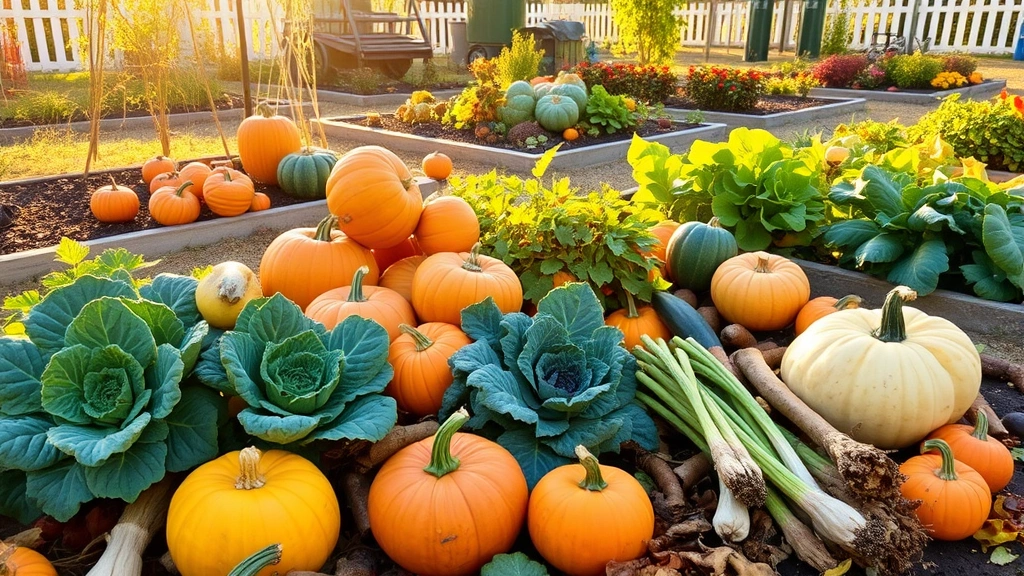
Many gardeners find fall the most rewarding season because pest pressure decreases and diseases slow. Harvest vegetables at peak ripeness—most vegetables are more flavorful when picked at optimal maturity rather than oversized. Store root crops like carrots and beets in cool, humid conditions for extended shelf life. Growing pumpkin plants for fall harvest requires planting in summer, so plan accordingly for next year.
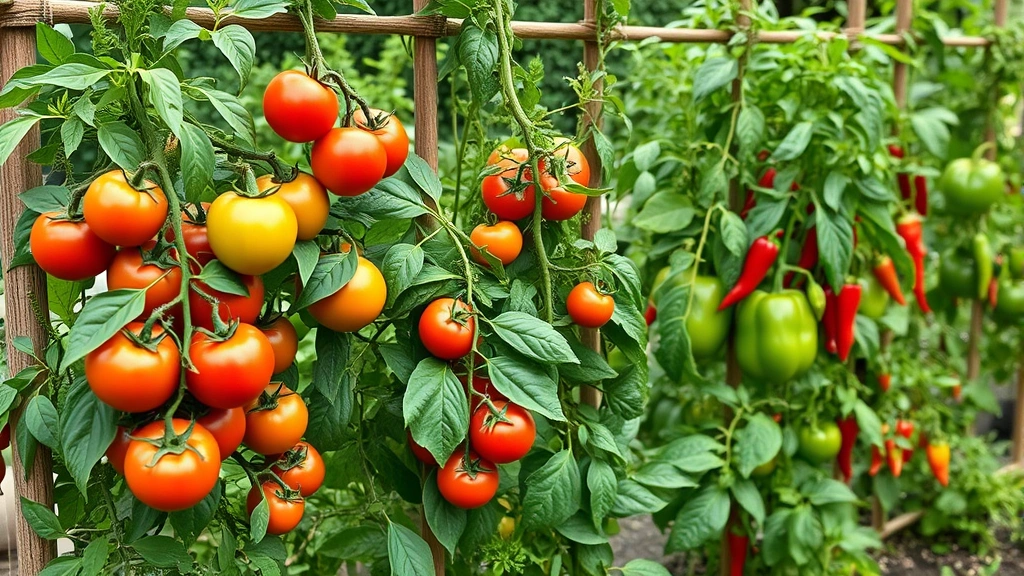
As frost approaches, protect tender plants with row covers or cloches. These simple structures can extend your growing season by several weeks. Harvest green tomatoes before frost and ripen them indoors, or use them for fried green tomatoes and salsa. Cut back perennial herbs like mint and lavender to encourage basal growth next spring, leaving 4-6 inches of growth.
Begin fall cleanup gradually rather than all at once. Remove dead annuals and spent vegetables, but leave some plant material for overwintering insects and wildlife. Cut back perennials in late fall or early spring depending on your region—tender perennials benefit from protective mulch, while hardy types can be cut back in spring to avoid winter damage.
This season is perfect for soil improvement. Add compost, aged manure, and leaves to beds. Fall-applied compost has months to integrate into soil before spring planting. Planting cover crops like clover or winter rye protects soil, prevents erosion, adds nitrogen, and suppresses weeds naturally.
Winter Planning and Protection
Winter gardening looks different depending on your climate zone, but every gardener can use this season productively. In mild climates, winter is prime time for growing cool-season vegetables. In cold regions, focus on planning, tool maintenance, and protecting perennials and tender plants.
Apply mulch around perennials, shrubs, and trees after the ground freezes to prevent heaving from freeze-thaw cycles. Evergreen boughs, straw, or leaves provide excellent insulation. Water evergreens before soil freezes completely, as they continue transpiring even in winter dormancy. Wrap vulnerable shrubs and young trees with burlap to protect from heavy snow and ice damage.
Indoor seed starting begins in late winter. Order seeds early for best selection, and prepare seed-starting mix, containers, and grow lights. Starting seeds indoors gives you control over growing conditions and produces stronger transplants than purchasing greenhouse stock. Keep detailed records of varieties, planting dates, and germination rates to refine your approach each year.
Winter is ideal for planning next year’s garden. Review what worked and what didn’t. Sketch bed layouts, noting crop rotations to prevent disease buildup and nutrient depletion. Crop rotation moves plant families around the garden yearly—don’t plant tomatoes where tomatoes, peppers, or eggplants grew the previous year. Plan for three-year rotations when possible.
Tool maintenance prevents problems mid-season. Clean, sharpen, and oil tools before storing. Drain hoses and irrigation systems to prevent freeze damage. Service your lawnmower and other equipment. These winter tasks prevent frustration when spring arrives.
Building Healthy Soil Foundation
Healthy soil is the foundation of everything in the garden. It’s not just dirt—it’s a living ecosystem teeming with bacteria, fungi, earthworms, and countless organisms that make nutrients available to plants. Building soil health is an investment that pays dividends year after year.
Begin with a soil test through your local USDA Natural Resources Conservation Service or cooperative extension office. These inexpensive tests reveal pH, nutrient levels, organic matter percentage, and sometimes micronutrient content. Armed with this information, you can make targeted amendments rather than guessing.
Organic matter is the magic ingredient for soil improvement. Compost, aged manure, leaf mold, and other decomposed plant material improve water retention in sandy soils, drainage in clay soils, and provide slow-release nutrition for all soil types. Aim to add 1-2 inches of compost annually. This might seem like a lot, but it’s the most effective long-term investment in garden health.
Minimize soil disturbance through no-dig or minimal-dig gardening methods. Tilling destroys soil structure and kills beneficial organisms. Instead, layer compost and organic matter directly on top of existing soil, allowing earthworms and microbes to incorporate amendments naturally. Raised beds work wonderfully for this approach and provide excellent drainage control.
Mulching protects soil from erosion, moderates temperature fluctuations, suppresses weeds, and gradually adds organic matter as it decomposes. Earthworms thrive in mulched areas, and their tunneling improves soil structure and aeration. Avoid placing mulch directly against plant stems, as this can promote rot and provide hiding places for pests.
Avoid chemical pesticides and fungicides that harm beneficial soil organisms. A healthy soil ecosystem includes predatory insects, parasitic wasps, and disease-suppressing fungi that naturally control pests. Building this biological control system takes time but provides sustainable pest management without chemical inputs.
Natural Pest and Disease Management
Pests and diseases are inevitable in gardening, but chemical-free management is possible through integrated pest management (IPM) principles. This approach uses multiple strategies to keep problems below damaging levels while minimizing environmental impact.
Prevention is always the most effective pest management strategy. Healthy plants grown in appropriate conditions with adequate spacing resist pests better than stressed plants. Proper watering, appropriate fertilization, and good air circulation prevent many disease issues. Remove plant debris where pests overwinter, and eliminate standing water that attracts mosquitoes and other insects.
Monitor plants regularly for early pest detection. Check leaf undersides weekly, use sticky traps, and learn to identify common pests and beneficial insects. Many beneficial insects—ladybugs, lacewings, parasitic wasps—control pest populations naturally. Avoid killing these allies with broad-spectrum sprays.
Physical removal works well for many pests. Hand-pick larger insects like Japanese beetles and hornworms. Spray strong water streams to dislodge spider mites and aphids. Row covers protect young plants from flying insects. Floating row covers are particularly effective for brassicas, squash, and beans.
Encourage beneficial insects by planting flowers that provide nectar and pollen. Herbs like dill, fennel, and cilantro allowed to flower attract parasitic wasps and other beneficials. Leave some wild areas with native plants to provide overwintering habitat. Avoid broad-spectrum pesticides that kill indiscriminately.
When intervention becomes necessary, start with the gentlest option. Insecticidal soap and neem oil address many common pests with minimal environmental impact. Bacillus thuringiensis (Bt) controls caterpillars without harming beneficial insects. Sulfur dust prevents many fungal diseases. These organic options often work better than harsher chemicals because pests haven’t developed resistance.
Container Gardening Strategies
Container gardening offers flexibility for gardeners with limited space, poor soil, or mobility challenges. Containers work beautifully for vegetables, herbs, flowers, and even small fruits. Success requires attention to drainage, soil quality, and watering consistency.
Choose containers with drainage holes—waterlogging kills more container plants than any other factor. Size matters too; larger containers hold moisture longer and provide more root space. A 5-gallon minimum works for most vegetables, though leafy greens manage in smaller containers. Dark containers absorb heat and dry quickly, while light colors reflect heat and maintain moisture longer.
Use quality potting mix rather than garden soil. Garden soil compacts in containers, restricting drainage and root growth. Potting mix is lighter, drains well, and typically contains perlite or coconut coir for aeration. Mix in compost for nutrients and water retention.
Container plants need more frequent fertilizing because water leaches nutrients from limited soil. Apply diluted liquid fertilizer every 2-3 weeks, or incorporate slow-release fertilizer at planting time. Monitor soil moisture daily—containers dry much faster than in-ground beds, especially in summer heat.
Grow mint in pots to control its aggressive spreading. Container-grown mint is also convenient for kitchen access. Other excellent container candidates include tomatoes, peppers, lettuce, basil, parsley, and strawberries. Succulent gardens thrive in shallow containers with minimal water needs, perfect for sunny patios.
Create visual interest with fairy garden ideas in containers, combining succulents with miniature plants and accessories. Layer containers at different heights and use garden decor elements to create focal points. Container gardening allows you to move plants to optimal light conditions and bring tender plants indoors before frost.
FAQ
What’s the best time to start a new garden bed?
Fall is ideal for establishing new beds because you have months for organic matter to integrate before spring planting. Spring works too, but requires more watering during establishment. Avoid planting new beds in summer when heat stress complicates establishment.
How often should I water my garden?
Most gardens need about 1-2 inches of water per week from rainfall or irrigation. Water deeply and less frequently rather than shallow daily watering. Check soil moisture 2-3 inches deep—if it’s moist, skip watering. Container plants need more frequent watering, sometimes daily in summer heat.
Can I garden year-round?
In mild climates (zones 8-10), you can grow cool-season crops through winter. In cold climates, focus on spring through fall gardening, using winter for planning and preparation. Season extension techniques like row covers, cloches, and cold frames expand growing seasons in all regions.
What should I do with garden waste?
Compost healthy plant material to create free, nutrient-rich soil amendment. Diseased plants should be discarded or burned to prevent spreading pathogens. Leaves and grass clippings layer beautifully in compost bins and decompose into excellent mulch.
How do I improve clay soil?
Add organic matter annually—compost, aged manure, or leaf mold. Organic matter improves both drainage and water retention in clay. Avoid working clay soil when wet, as this damages structure. Raised beds filled with quality soil mix bypass clay problems entirely.
Is it necessary to use fertilizers?
Regular garden fertilizer applications supplement nutrients that plants remove. Building soil health through compost additions reduces fertilizer needs significantly. Organic options like compost tea and fish emulsion provide nutrition while improving soil biology. Your soil test results guide whether fertilizing is necessary.
What plants grow well together?
Companion planting improves yields and pest management. Plant basil with tomatoes, carrots with onions, and marigolds throughout beds. Beans fix nitrogen, benefiting heavy feeders planted nearby. Tall plants shade heat-sensitive greens in summer. Refer to companion planting charts for your specific crops.


