The concept of a “Junkbot Pet Garden” merges creative robotics with traditional gardening, offering an innovative way to engage children and adults alike in horticultural learning. Rather than a traditional robotic pet, a Junkbot garden project involves building simple robots from recycled materials that can help monitor, water, or interact with your growing plants. This unique approach combines STEM education with the therapeutic benefits of gardening, creating an interactive learning environment where technology serves nature.
Whether you’re an educator seeking engaging classroom projects or a parent looking to spark curiosity about both robotics and plants, integrating Junkbot creations with a functional garden space opens endless possibilities. This guide walks you through designing a garden specifically optimized for robotic companions, from choosing the right plants to creating infrastructure that accommodates your mechanical helpers.
Understanding Junkbot Technology in Garden Settings
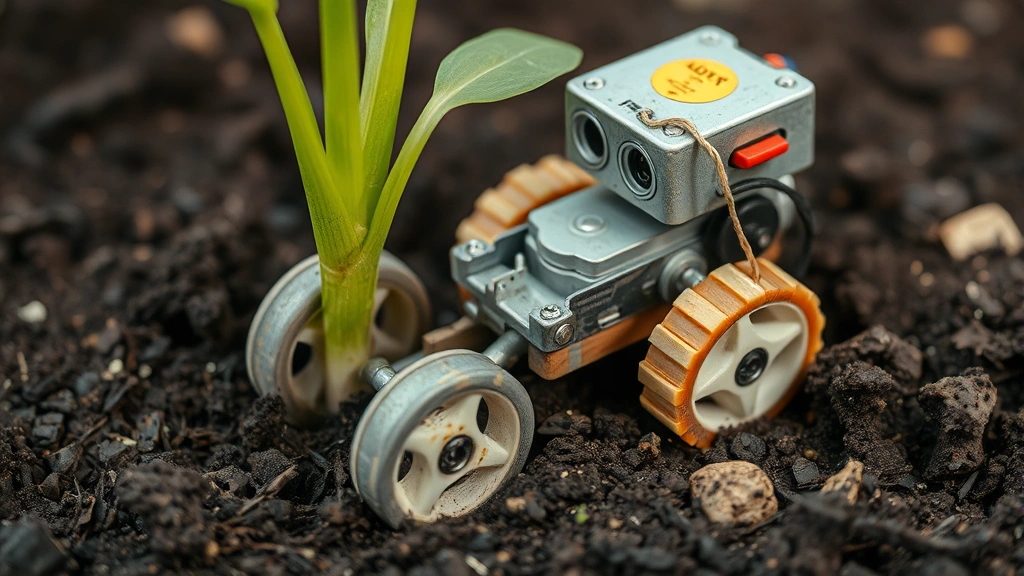
Junkbots are simple robots constructed from discarded electronics, motors, and mechanical parts—exactly the kind of hands-on project that teaches resourcefulness and environmental stewardship. When integrated into gardening, these robots can serve multiple functions: measuring soil moisture, delivering water to specific plants, or simply moving through garden paths to engage observers. The beauty of Junkbot design lies in its simplicity; you don’t need sophisticated programming or expensive components.
The intersection of Junkbot robotics and gardening creates a unique educational framework. Students learn about plant biology, mechanical engineering, environmental science, and sustainability simultaneously. A garden designed for Junkbots requires thoughtful planning regarding pathways, plant spacing, and accessibility. Unlike traditional ornamental or vegetable gardens, your layout must accommodate wheeled or tracked robots navigating between plantings.
Consider what functions your Junkbot will perform. A moisture-sensing bot might travel between plants checking soil conditions. A watering bot requires a reservoir and delivery system. An observation bot simply documents plant growth through attached cameras. Each function influences your garden’s design, the plants you choose, and the infrastructure you build. Start with a single, simple function and expand as your expertise grows.
Designing Your Garden Layout for Robots
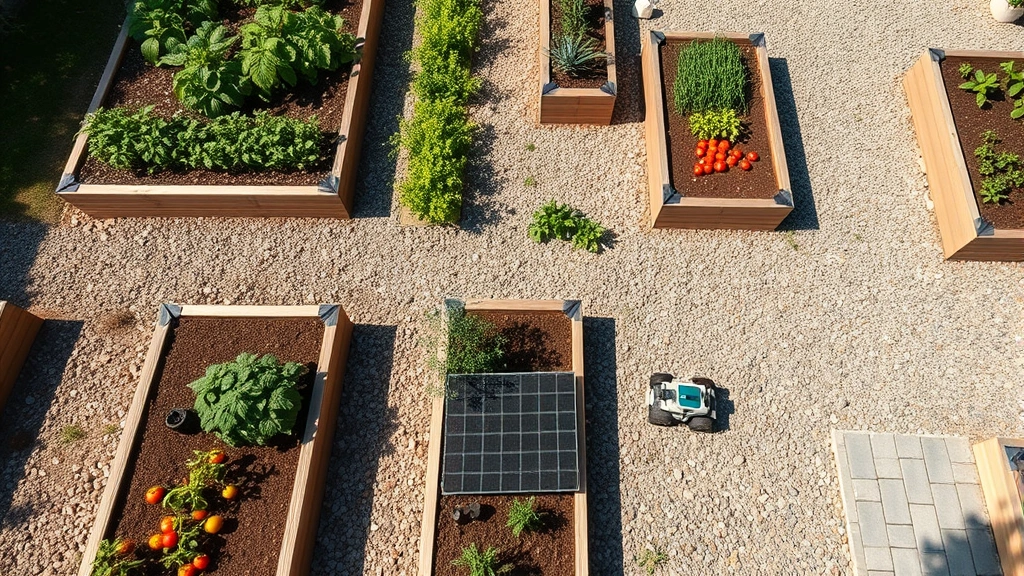
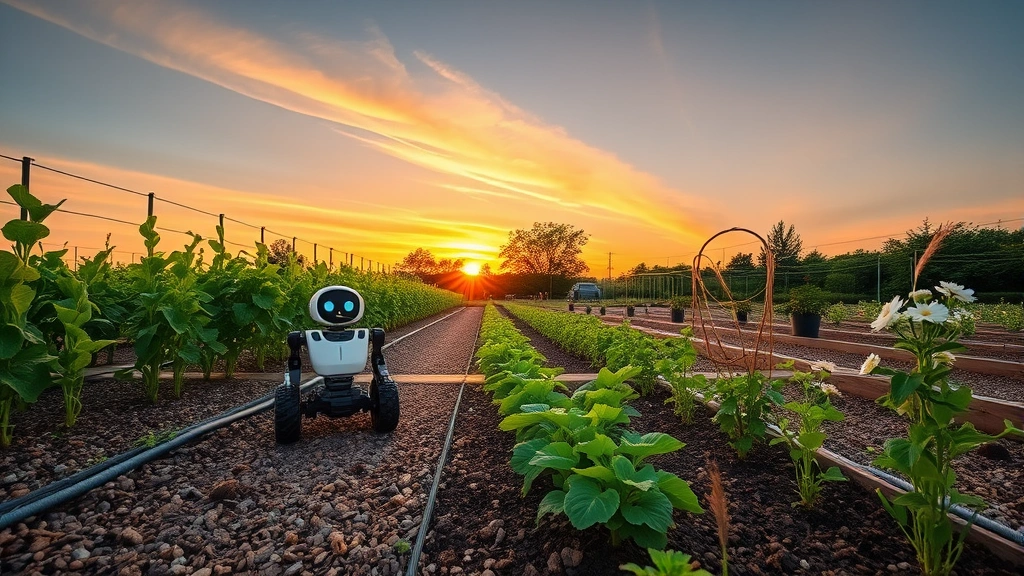
A Junkbot-friendly garden requires wider pathways than traditional gardens—typically 2-3 feet minimum to accommodate wheeled movement. Your vegetable garden layout should incorporate straight lines and gentle curves rather than tight zigzags that challenge robot navigation. Grid patterns work exceptionally well, with clearly defined planting beds separated by accessible pathways.
Consider robot dimensions when planning. A typical Junkbot constructed from standard materials measures 6-12 inches wide. Your pathways should provide at least 6 inches of clearance on either side for safe navigation. If multiple robots will operate simultaneously, increase pathway width accordingly. Mark pathways with contrasting materials—gravel, mulch, or paving stones—to create visual boundaries your robots (and human gardeners) can follow.
Elevation changes complicate robot movement. Design your garden as level as possible, or create gentle ramps (no steeper than 15 degrees) for wheeled bots to navigate between levels. If you’re building raised garden beds, keep them at consistent heights and ensure pathways between beds remain accessible.
Organize your garden into zones based on plant types and water requirements. Grouping plants with similar needs simplifies programming your Junkbot’s watering schedule and reduces unnecessary robot movement. A moisture-monitoring bot benefits from organized zones since it can check representative plants rather than visiting every single specimen.
Essential Plants for Junkbot Gardens
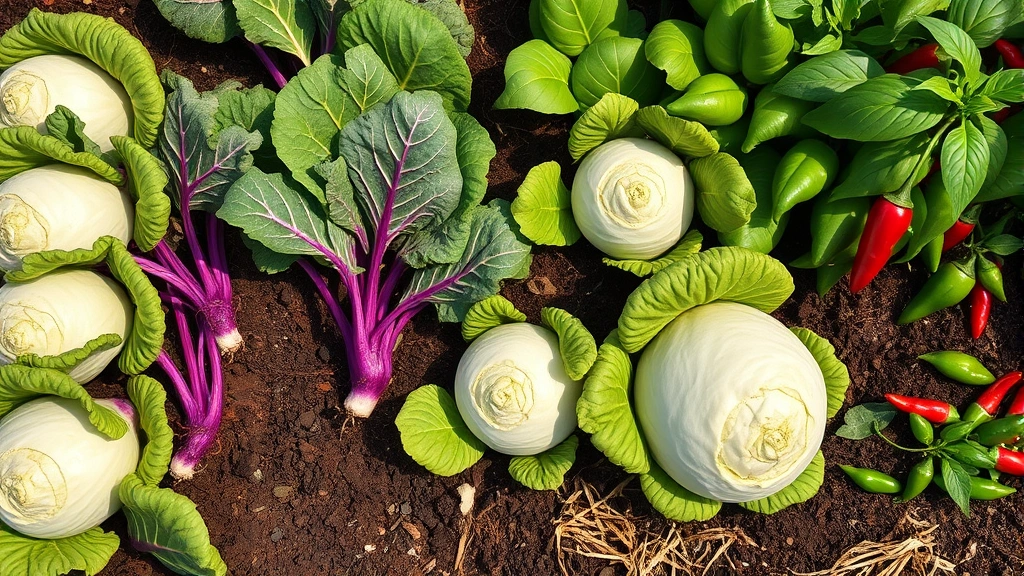
Select plants that thrive in your climate zone and offer educational value. Fast-growing vegetables demonstrate growth changes quickly, perfect for monitoring bots. Tomatoes, peppers, beans, and lettuce provide visible progress over weeks. Consider incorporating sunflower gardens for dramatic height progression and pollinator attraction—teaching about plant-insect interactions adds another educational dimension.
Herbs like basil, mint, and oregano tolerate regular handling (essential when robots brush past them) and recover quickly from minor damage. Flowers including marigolds, zinnias, and cosmos attract beneficial insects while providing colorful visual feedback about garden health. These plants are hardy enough to withstand occasional contact from moving robots.
Avoid delicate plants that require precise watering or frequent handling. Succulents and cacti, while interesting, don’t demonstrate the dynamic growth changes that make educational gardens engaging. Similarly, skip plants with thorns or sharp leaves that might damage robot components. Climbing plants like beans can be supported with garden tomato supports and trellises, creating vertical interest while keeping ground level clear for robot movement.
For garden salad production, prioritize leaf lettuce, spinach, arugula, and radishes—fast-growing crops that demonstrate results within 30-45 days. These shallow-rooted plants work well in raised beds optimized for robot access. Include a few perennial plants like asparagus or rhubarb to show how gardens evolve across seasons and years.
Plant diversity serves multiple purposes: educational value, pollinator support, and pest management through companion planting. A monoculture garden (all one crop) teaches less and creates vulnerability to pests and diseases. Aim for 4-6 different plant types minimum, with multiple varieties of each to show genetic diversity within species.
Building Raised Beds and Pathways
Raised beds simplify both plant care and robot navigation. They create clear boundaries, improve drainage, and allow you to optimize soil composition specifically for your plants. When building beds for Junkbot gardens, construct them at 12-18 inches height—high enough for comfortable robot operation but not so elevated that sensors can’t reach soil effectively.
Use untreated wood, composite materials, or galvanized metal for bed construction. Avoid pressure-treated lumber, which can leach chemicals into soil. Build beds in rectangular shapes (4×8 feet or 4×4 feet work well) rather than complex geometries that create navigation challenges. Position beds parallel to one another with consistent spacing, creating a logical grid your robots can navigate predictably.
Pathways deserve equal attention to planting beds. Compacted soil works for light-duty robots but becomes muddy and unreliable in wet conditions. Better options include:
- Gravel pathways: Inexpensive and easy to install, though they require periodic raking and can scatter when robots move quickly
- Mulch pathways: Decompose over time but provide cushioning for robot movement and eventually improve soil
- Paving stones or pavers: Durable and reliable, offering consistent surfaces for wheeled robots; more expensive but long-lasting
- Rubber or composite mats: Specialized products designed for accessibility work excellently for robot pathways
Install edging around beds and pathways to maintain clear boundaries. Metal or plastic edging prevents soil migration and helps robots stay oriented. Consider adding subtle directional markers—small painted stones or markers—to guide robots along intended routes, especially if your garden has multiple path options.
Irrigation Systems Your Bot Can Manage
A Junkbot watering system requires reliability and simplicity. Drip irrigation with soaker hoses works well, allowing precise water delivery while keeping foliage dry (reducing fungal disease). Your bot can control water flow through simple valve mechanisms or monitor soil moisture to trigger watering schedules.
Design your irrigation with zones corresponding to plant groupings. Plants with high water needs (tomatoes, peppers) occupy one zone; herbs and drought-tolerant plants occupy another. This zonation allows your Junkbot to deliver appropriate water amounts to each area without overcomplicating the system.
Install a rain barrel or water reservoir that your bot can access. A simple submersible pump powered by the bot’s motor can draw water and deliver it through attached tubing. Alternatively, create a gravity-fed system where the bot positions a hose or directs water flow manually. The simpler your system, the more reliable it performs.
Add soil moisture sensors throughout your garden beds. These inexpensive electronic sensors connect to your Junkbot’s control system, providing real-time data about soil conditions. Your bot can then deliver water only when needed, teaching water conservation while improving plant health. Sensors also generate data for educational analysis—students can graph moisture levels over time and correlate them with plant growth.
Consider seasonal variations in water requirements. Spring and fall typically require less frequent watering than summer. Program your Junkbot’s irrigation schedule to adjust seasonally, or manually override the system during cooler periods. Overwatering causes more problems than underwatering in most gardens, so err on the conservative side.
Safety and Maintenance Protocols
Operating robots in gardens requires safety considerations for both the equipment and human observers. Create clear zones where robots operate, keeping young children supervised during bot activity. Robots with moving parts need regular maintenance—wheels accumulate dirt, motors require occasional lubrication, and electrical connections need protection from moisture.
Establish a maintenance schedule for your Junkbot. Weekly checks should include cleaning wheels, inspecting for damage, and verifying sensor function. Monthly maintenance involves deeper cleaning, checking for corrosion, and testing all mechanical systems. Before each season, perform comprehensive inspections and replace any worn components.
Protect electrical components from moisture and dirt. Use waterproof enclosures for batteries and circuit boards. Apply dielectric grease to electrical connections to prevent corrosion. Consider designing your bot with removable electronic components that can be stored indoors when not in use, leaving only mechanical parts in the garden.
Establish clear operational boundaries. Mark areas where robots shouldn’t venture—near water features, under low-hanging branches, or on unstable ground. Use physical barriers like fencing or raised edges to prevent unintended movement. Program stopping points into your bot’s navigation to prevent it from traveling beyond designated garden areas.
Document all modifications and repairs. Keep notes about what works well and what causes problems. This documentation helps troubleshoot issues and guides improvements for future Junkbot iterations. It also provides valuable learning material—students can analyze what modifications improved performance.
Seasonal Considerations
Your Junkbot garden changes dramatically across seasons, requiring adjustments to both plantings and robot operations. Spring brings soil preparation, seed starting, and initial planting. Your bot can assist by monitoring soil temperature and moisture as you prepare beds. Many robots operate less efficiently in cold weather, so consider storing yours indoors during winter in cold climates.
Summer demands intensive watering and pest management. Your Junkbot’s watering capabilities become essential as heat increases evaporation. Program increased watering frequency during peak summer months. Simultaneously, monitor for pests and diseases—your bot’s observation capabilities can document pest pressure over time, creating data for pest management decisions.
Fall involves harvesting, removing spent plants, and preparing beds for winter. This is ideal timing to add compost and organic matter to your beds. Your bot can assist by moving materials and monitoring decomposition. Consider planting cool-season crops that tolerate frost for extended growing seasons.
Winter offers maintenance opportunities. Store your Junkbot indoors in cold climates, using the season for repairs, upgrades, and modifications. Plan next year’s garden layout, analyze data collected throughout the year, and design improvements to your bot’s capabilities. Winter is also perfect for documenting your project through photos and videos, creating a comprehensive record of your Junkbot garden’s evolution.
Seasonal plant selection keeps your garden engaging year-round. Spring vegetables (peas, lettuce, spinach) transition to summer crops (tomatoes, peppers, beans), then fall plantings (kale, broccoli, root vegetables). This rotation demonstrates plant diversity and seasonal adaptation while providing continuous learning opportunities.
FAQ
What materials do I need to build a basic Junkbot for gardening?
Basic Junkbot construction requires a small motor (salvaged from old toys or appliances), wheels or tracks, a simple circuit board or Arduino microcontroller, batteries, sensors (moisture, temperature, light), and a chassis (built from plastic, wood, or metal). Recycled materials like plastic containers, aluminum cans, and old electronics provide most components. The beauty of Junkbot design is flexibility—you can build functional robots from whatever materials you have available.
How large should my garden be to accommodate a Junkbot?
A minimum viable Junkbot garden measures 4×8 feet, providing enough space for multiple plant types and adequate pathways. Larger gardens (8×12 feet or bigger) offer more flexibility for zoning and robot movement. Start small and expand as you gain experience and understand your bot’s capabilities. Even a 2×4 foot raised bed can accommodate a small Junkbot for basic monitoring tasks.
Can Junkbots operate in wet conditions?
Most basic Junkbots struggle in wet conditions due to moisture affecting electrical components. Protect electronics with waterproof enclosures and dielectric grease on connections. Operate bots during dry periods or immediately after watering has finished. Some advanced designs incorporate sealed compartments specifically for wet-weather operation, but beginners should assume their bots need dry conditions.
What programming knowledge do I need?
Basic Junkbot projects require minimal programming knowledge. Simple mechanical bots with no electronic control operate through pure mechanics. Arduino-based bots need basic coding skills—many free resources and tutorials exist online. Start with pre-written code and modify it gradually as you understand how it works. Educational platforms like MIT App Inventor make programming more accessible for beginners.
How do I prevent my Junkbot from damaging plants?
Design pathways wide enough to avoid contact with plants. Select hardy plants that tolerate occasional brushing. Program your bot to move slowly through the garden, reducing impact if collisions occur. Add soft bumpers to your bot’s exterior to minimize damage. Regular maintenance keeps your bot moving smoothly without jerky motions that might cause plant damage.
Can I use my Junkbot year-round?
In mild climates, yes. In cold regions, store your bot indoors during winter when outdoor gardening is minimal. Some gardeners build winter-appropriate bots designed for cold-weather operation, but this adds complexity. Most educational programs operate their Junkbot gardens during traditional growing seasons (spring through fall), using winter for maintenance and planning.
What external resources help with Junkbot gardening projects?
Several authoritative organizations provide guidance: Robotics by Technology offers educational frameworks, USDA Extension Services provide horticultural expertise, American Horticultural Society shares garden design principles, American Public Gardens Association offers specialized gardening knowledge, and Master Gardener Programs provide local expertise for your specific climate and conditions.