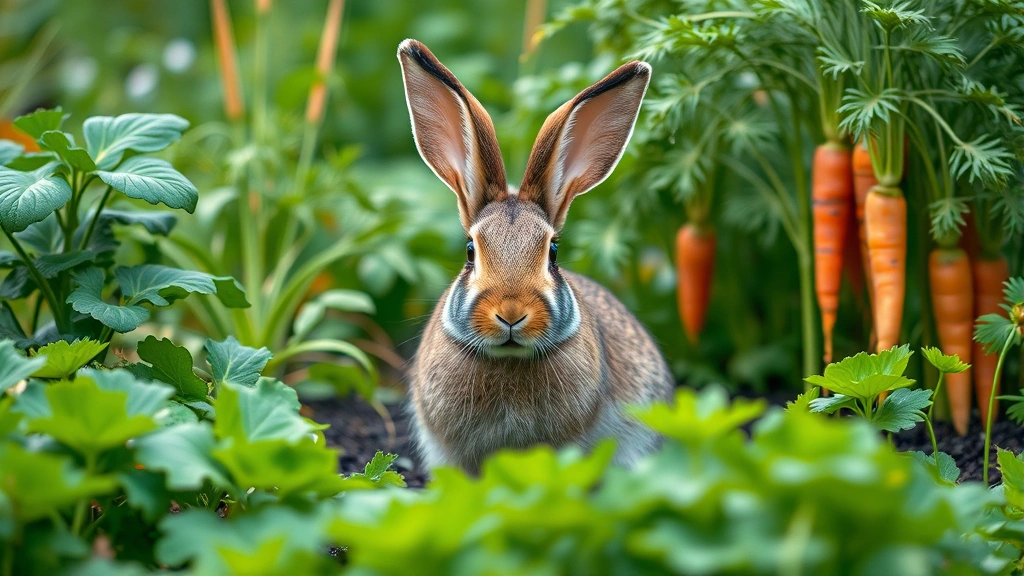
Can Jackalopes Help Your Garden? Myth or Magic?
When it comes to garden folklore and whimsical gardening legends, few creatures capture the imagination quite like the jackalope. This mythical jackrabbit-antelope hybrid has become an iconic symbol of the American West, adorning postcards, novelty shops, and garden decor collections. But can these legendary creatures actually help your garden, or are they purely imaginative fun? Let’s explore the fascinating intersection of gardening myth and practical horticulture to understand what jackalopes really represent in the gardening world.
The jackalope has entertained gardeners and nature enthusiasts for decades, often appearing in garden decor displays and outdoor spaces. While the creature itself doesn’t exist, the concept behind jackalope imagery often connects to real wildlife management, pest control, and the role that actual rabbits and antelope-like creatures play in garden ecosystems. Understanding this distinction helps gardeners appreciate both the humor and the horticultural wisdom embedded in jackalope mythology.
The Jackalope Legend Explained
The jackalope emerged as a taxidermy hoax in the 1930s when Wyoming brothers Douglas and Ralph Herrick crafted the first mounted jackalope head. They attached antelope horns to a jackrabbit’s body, creating a novelty item that captured the imagination of tourists and collectors. What started as a practical joke evolved into genuine folklore, with some people genuinely wondering whether these creatures might possess special properties or abilities.
In gardening circles, the jackalope has become a symbol of creative problem-solving and humorous acceptance of garden challenges. When gardeners talk about needing a jackalope to solve their rabbit problems, they’re acknowledging both the difficulty of pest management and the whimsical nature of gardening itself. The legend reminds us that sometimes the best approach to gardening tips for beginners involves creativity and humor alongside practical techniques.
The cultural significance of the jackalope extends beyond mere novelty. It represents the intersection of wildlife and agriculture, the challenges that farmers and gardeners face with wild animals, and the human tendency to create folklore around real problems. Understanding the jackalope’s origins helps gardeners appreciate the genuine wildlife management issues that inspired the legend in the first place.
Real Garden Pests vs. Mythical Solutions
While jackalopes don’t exist, the garden pests they humorously represent are very real and problematic. Jackrabbits, cottontail rabbits, and various deer species cause millions of dollars in damage to American gardens annually. These herbivores consume vegetables, ornamentals, and seedlings with remarkable efficiency, often targeting the plants gardeners most want to protect. Unlike the mythical jackalope, real rabbits require practical, evidence-based management strategies.
Rabbits are attracted to gardens because they provide abundant food sources, shelter, and protection from predators. A single rabbit can consume one pound of vegetation daily, making them formidable opponents for gardeners trying to establish new plantings. The damage pattern—cleanly severed stems and leaves—distinguishes rabbit damage from other garden problems. Understanding these patterns helps gardeners identify their pest problems accurately and implement appropriate solutions.
The humor of the jackalope legend lies in its implicit acknowledgment that no single magical solution exists for garden pests. Gardeners must employ integrated pest management strategies combining physical barriers, habitat modification, and sometimes chemical deterrents. While a jackalope might seem like the perfect solution to garden problems, real success comes from understanding actual wildlife behavior and implementing science-based management techniques.
Wildlife Management for Garden Success
Effective wildlife management begins with understanding the specific animals causing problems in your garden. Different regions host different rabbit species, and each has distinct behaviors and preferences. The eastern cottontail, for example, prefers areas with dense brush for hiding, while jackrabbits prefer open spaces and rely on speed for escape. Knowing which species inhabits your area helps you implement targeted solutions.
Creating an environment less attractive to rabbits involves removing shelter and food sources. Brush piles, overgrown areas, and dense vegetation provide ideal hiding spots for rabbits. By maintaining clear spaces around garden beds and removing debris piles, you make your garden less appealing to these pests. This approach aligns with principles of integrated pest management recommended by USDA APHIS and other authoritative agricultural agencies.
Predator management also plays a role in natural pest control. Hawks, owls, coyotes, and domestic dogs help keep rabbit populations in check. Encouraging these natural predators by providing perches for raptors or allowing dog access to garden areas can reduce rabbit pressure significantly. However, this approach requires balance to avoid attracting predators that might threaten other wildlife or pets.
Creating a Rabbit-Proof Garden
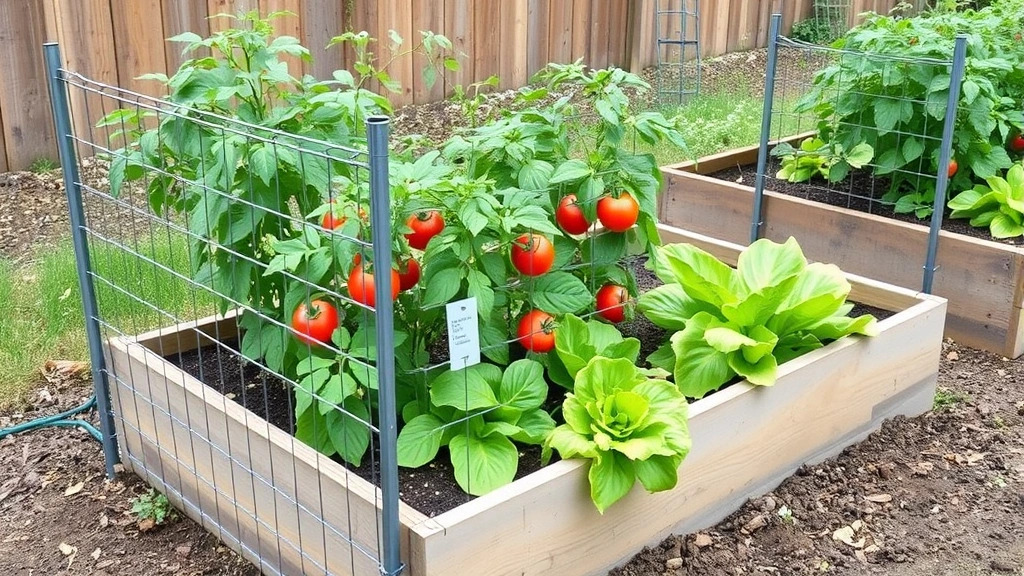
Physical barriers provide the most reliable protection against rabbits. Fencing remains the gold standard for rabbit exclusion, but it must be constructed properly to be effective. A fence at least 24 inches tall prevents rabbits from jumping over, while an additional 6-8 inches buried underground or bent outward prevents them from burrowing underneath. This investment in proper garden tool infrastructure and materials pays dividends through multiple growing seasons.
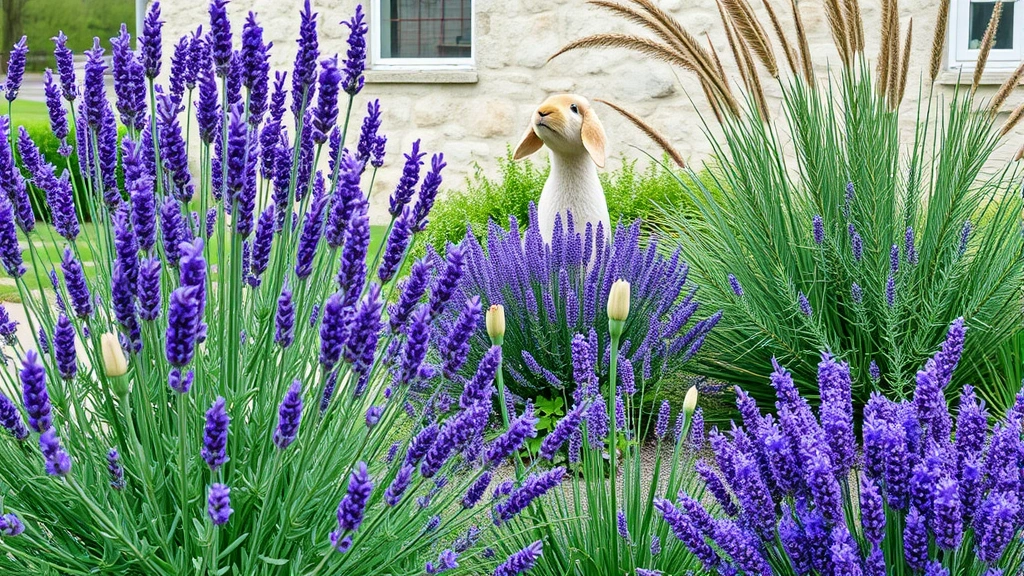
Plant selection offers another practical approach to rabbit management. Some plants are naturally less palatable to rabbits due to their taste, texture, or toxicity. Incorporating rabbit-resistant plants like lavender, rosemary, foxgloves, and ornamental grasses reduces the appeal of your garden to browsing rabbits. When combined with fencing around more vulnerable vegetables, this mixed approach creates multiple layers of defense.
Repellent products can supplement physical and cultural controls. Commercial rabbit repellents containing capsaicin, predator urine, or other deterrents provide temporary protection, though their effectiveness varies with weather conditions and rabbit pressure. Oregon State University Extension Service and similar land-grant institutions provide research-backed recommendations for repellent use and effectiveness.
The timing of your gardening efforts also matters significantly. Planting at times when wild food sources are abundant naturally reduces rabbit pressure on cultivated gardens. Fall and early spring plantings often face more rabbit pressure than mid-summer plantings, as wild vegetation becomes scarce during these periods. Understanding seasonal rabbit behavior helps you anticipate and prepare for peak pest pressure.
Garden Decor and Practical Pest Control
Jackalope imagery in garden decor serves both aesthetic and psychological purposes. A whimsical jackalope statue or sign acknowledges the challenges of gardening while maintaining humor and perspective. Many gardeners find that accepting the reality of pest pressure—with a touch of humor—makes the ongoing battle less frustrating.
Some gardeners use novelty items like fake owls, reflective tape, or motion-activated sprinklers as pest deterrents. While these items rarely provide permanent solutions, they can be effective as part of a rotating deterrent strategy. Rabbits and other pests habituate to static deterrents over time, so varying your approach keeps them guessing. Combining decor elements with practical management strategies creates a comprehensive approach.
Establishing best soil for a garden bed quality and healthy plants supports your garden’s natural resilience. Strong, vigorous plants often tolerate light pest pressure better than weak, stressed specimens. Proper soil preparation, adequate water, and appropriate fertilization create plants robust enough to survive some rabbit browsing while still producing acceptable yields.
Garden layout and design can incorporate pest management principles. Grouping vulnerable plants together allows for more efficient fencing or protection strategies. Separating susceptible vegetables from rabbit travel corridors and shelter areas reduces encounter rates. These design considerations transform your garden layout into an active pest management tool while creating aesthetically pleasing spaces.
For ornamental gardeners, small evergreen garden plants offer year-round interest while providing natural rabbit resistance in many cases. Species like dwarf Alberta spruce, boxwood, and certain junipers remain relatively untouched by rabbits while providing structure and visual appeal throughout seasons. Combining these with other resistant plantings creates a naturally protected landscape.
FAQ
Do jackalopes actually exist?
No, jackalopes are entirely mythical creatures created as a taxidermy hoax in the 1930s. The original jackalope was crafted by attaching antelope horns to a jackrabbit’s body. While no real animal combines these characteristics, the legend persists as Western folklore and garden humor.
Can jackalopes help with garden pests?
Jackalopes are purely fictional and cannot provide any actual pest control. However, the legend humorously represents real challenges that gardeners face with rabbits and other wildlife. Actual pest management requires physical barriers, habitat modification, and other evidence-based techniques rather than mythical solutions.
What real animals cause rabbit-like damage in gardens?
Eastern cottontail rabbits, desert cottontails, jackrabbits, and various deer species cause most rabbit-like damage to gardens. Each species has distinct behaviors and preferences. Identifying which animals inhabit your area helps you implement targeted management strategies.
How tall should rabbit fencing be?
Effective rabbit fencing should be at least 24 inches tall to prevent jumping, with an additional 6-8 inches buried underground or bent outward to prevent burrowing. This construction method provides reliable, long-term protection against rabbit damage.
What plants are naturally resistant to rabbits?
Rabbit-resistant plants include lavender, rosemary, foxgloves, ornamental grasses, boxwood, and certain evergreens. Incorporating these species into your landscape reduces rabbit appeal while maintaining visual interest and garden functionality.
When is rabbit pressure highest in gardens?
Rabbit pressure typically peaks in fall and early spring when wild vegetation becomes scarce. Summer plantings often face less pressure as natural food sources remain abundant. Timing your plantings strategically can reduce rabbit damage without additional management efforts.


