Growing a thriving garden doesn’t require magic—it requires smart strategies and proven techniques that accelerate plant growth while minimizing common mistakes. Whether you’re a beginner planting your first seeds or an experienced gardener looking to maximize yields, understanding the science behind rapid garden development can transform your outdoor space into a productive oasis in weeks rather than months.
The difference between average gardens and exceptional ones often comes down to intentional planning, proper resource allocation, and leveraging proven horticultural hacks that experienced growers have perfected over decades. This comprehensive guide reveals insider strategies for accelerating plant growth, optimizing growing conditions, and creating an environment where vegetables, herbs, and ornamentals thrive year-round.
Master Soil Foundation First
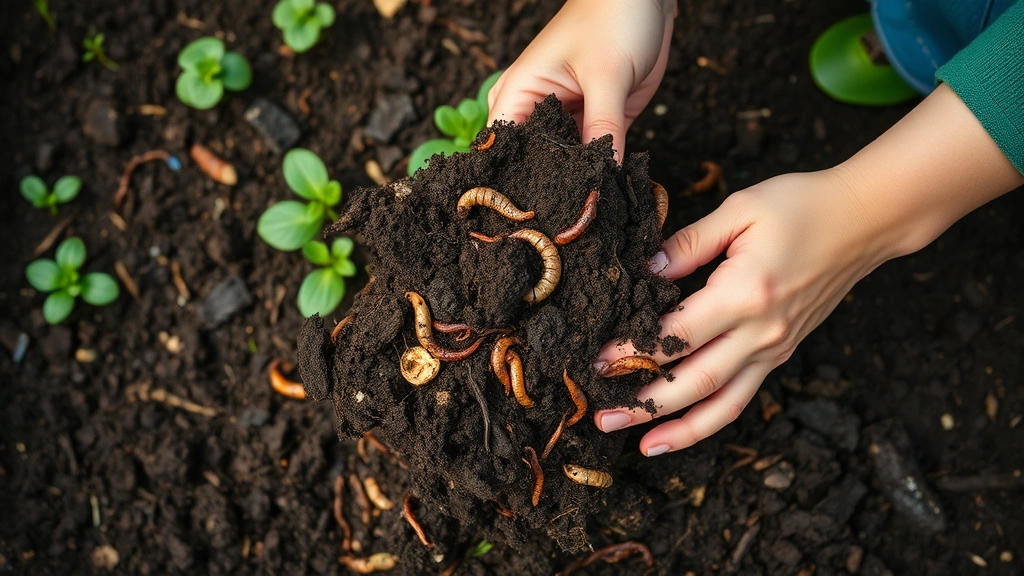
Everything begins with soil—the foundation of garden success. Rather than starting with average garden soil, invest time in preparing garden soil for a thriving garden before planting anything. This single decision can accelerate growth by 30-50% compared to untreated soil.
Conduct a soil test through your local cooperative extension office to understand your baseline. Most extension services offer affordable testing that reveals pH, nutrient levels, organic matter content, and texture. This data-driven approach eliminates guesswork and prevents wasted effort on amendments that won’t help your specific soil.
Build organic matter aggressively. Most gardens benefit from 2-4 inches of compost worked into the top 8-12 inches of soil. If starting fresh, consider building a raised garden bed with premium soil blend rather than amending poor native soil. Raised beds warm faster in spring, drain better, and allow you to create ideal soil conditions immediately.
The hack that most gardeners miss: layer your amendments strategically. Place coarse organic materials (wood chips, straw) at the bottom for drainage, add nutrient-rich compost in the middle, and top with finished compost mixed with native soil. This creates a living soil ecosystem that improves year after year.
Strategic Timing and Seasonal Planning
Timing determines success more than effort. Planting at the right moment—not just the right season—accelerates growth dramatically. Use your local cooperative extension’s planting calendar to identify optimal windows for each crop in your region.
Start seeds indoors 6-8 weeks before your last frost date for warm-season crops like tomatoes, peppers, and eggplant. This gives transplants a head start and accelerates production by weeks. Cool-season crops (lettuce, broccoli, spinach) can direct seed outdoors earlier and often produce faster than you’d expect.
Succession planting extends productivity dramatically. Rather than planting all lettuce at once, plant new seeds every 2-3 weeks for continuous harvests. Similarly, remove spent spring crops (peas, radishes) and immediately plant summer alternatives in the same space. This maximizes your growing season and keeps beds productive.
Use soil temperature as your guide, not just air temperature. Warm-season crops germinate poorly in cold soil and often rot. Wait until soil reaches 60°F (ideally 65-70°F) for most vegetables. Invest in a simple soil thermometer from the Almanac to remove guesswork from planting decisions.
Optimize Watering Systems
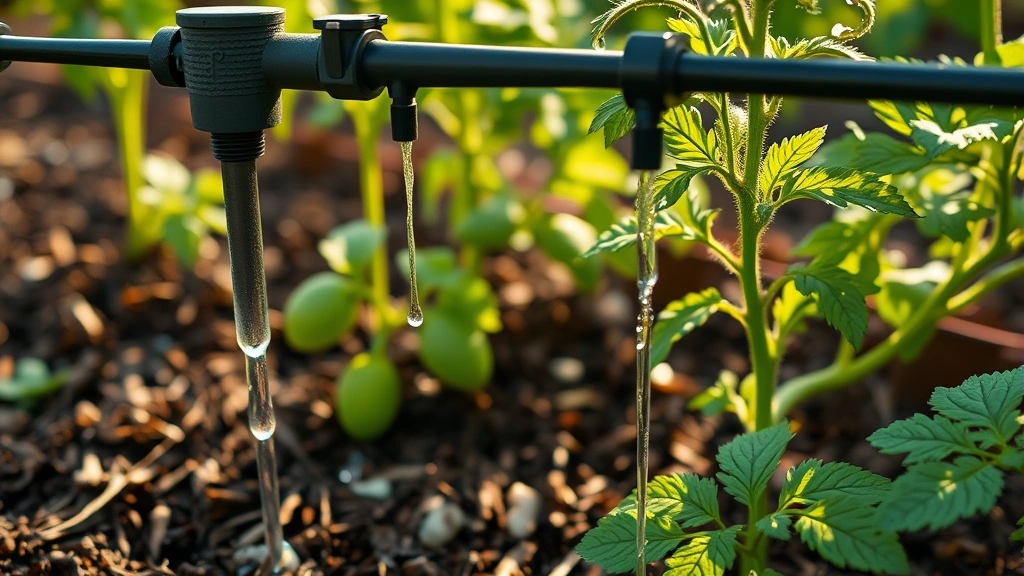
Inconsistent watering kills more plants than any other single factor. Rather than hand-watering unpredictably, implement deliberate irrigation infrastructure that delivers consistent moisture. A garden hose quick connect system allows rapid attachment of drip lines, soaker hoses, or sprinklers without fumbling with connectors.
Drip irrigation delivers water directly to soil, reducing evaporation by 50% compared to overhead sprinklers and eliminating fungal diseases caused by wet foliage. Set up simple drip systems on timers that deliver water early morning when soil absorption is highest. Most plants need 1-2 inches weekly, but established systems reveal actual requirements through observation.
Mulch heavily—4-6 inches of wood chips or straw—to regulate soil temperature and moisture. Mulch reduces watering needs by 40%, suppresses weeds that compete for water and nutrients, and gradually breaks down into soil-improving organic matter. Keep mulch 2-3 inches away from plant stems to prevent rot.
Water deeply but less frequently rather than shallow daily watering. Deep watering encourages strong root development, while frequent shallow watering creates weak surface roots vulnerable to drought. Most gardens benefit from 2-3 deep waterings weekly in summer rather than daily sprinkles.
Leverage Microclimate Advantages
Every garden contains multiple microclimates—small areas with distinct conditions. Mapping and exploiting these variations accelerates growth for heat-loving and shade-sensitive plants.
South-facing walls absorb and radiate heat, creating warmer zones perfect for heat-demanding crops like tomatoes, peppers, and melons. North-facing areas stay cooler and shadier, ideal for lettuce, spinach, and other greens that bolt quickly in heat. Shade from structures extends cool-season productivity into summer in warm climates.
Use reflective surfaces strategically. Placing white or reflective surfaces near plants bounces additional light while moderating temperature. This hack particularly helps in partial-shade areas and accelerates growth in low-light situations.
Create windbreaks using structures, fences, or dense plantings to protect tender plants from drying winds. Wind stress reduces growth rates significantly, particularly in seedlings and newly transplanted plants. Even modest windbreaks can improve growth rates by 20-30%.
Nutrient Management Secrets
Nitrogen, phosphorus, and potassium drive plant growth, but micronutrients often determine the difference between okay and exceptional gardens. A complete soil test reveals deficiencies before they limit growth.
Side-dress heavy feeders (tomatoes, squash, corn) with compost or balanced fertilizer every 3-4 weeks during the growing season. This continuous nutrient supply sustains rapid growth without the boom-bust cycles of single applications. Foliar feeding (spraying dilute liquid fertilizer on leaves) provides quick nutrient boosts when plants show deficiency symptoms.
Incorporate compost as your primary nutrient source. Quality compost contains beneficial microbes that improve nutrient availability, suppress disease, and enhance soil structure. Rather than relying on synthetic fertilizers, build biological fertility through compost and organic matter additions.
Fish emulsion and seaweed extract provide rapid nutrient boosts with minimal environmental impact. These organic options contain micronutrients often missing from synthetic fertilizers and include growth-promoting compounds that accelerate development beyond basic NPK ratios.
Companion Planting Strategies
Strategic plant combinations create synergistic benefits that accelerate growth and improve productivity. Companion planting isn’t folklore—it’s applied ecology that leverages plant chemistry and growth patterns.
Nitrogen-fixing legumes (peas, beans) partner perfectly with heavy feeders (tomatoes, squash) when planted in sequence or simultaneously in adjacent areas. Legumes accumulate nitrogen in soil nodules that subsequent crops utilize. This natural nutrient cycling reduces fertilizer needs while improving soil structure.
Aromatic herbs like basil, cilantro, and dill repel pests while attracting beneficial insects that control aphids, mites, and other crop damagers. Planting these herbs throughout gardens creates a natural pest management system that requires no chemicals.
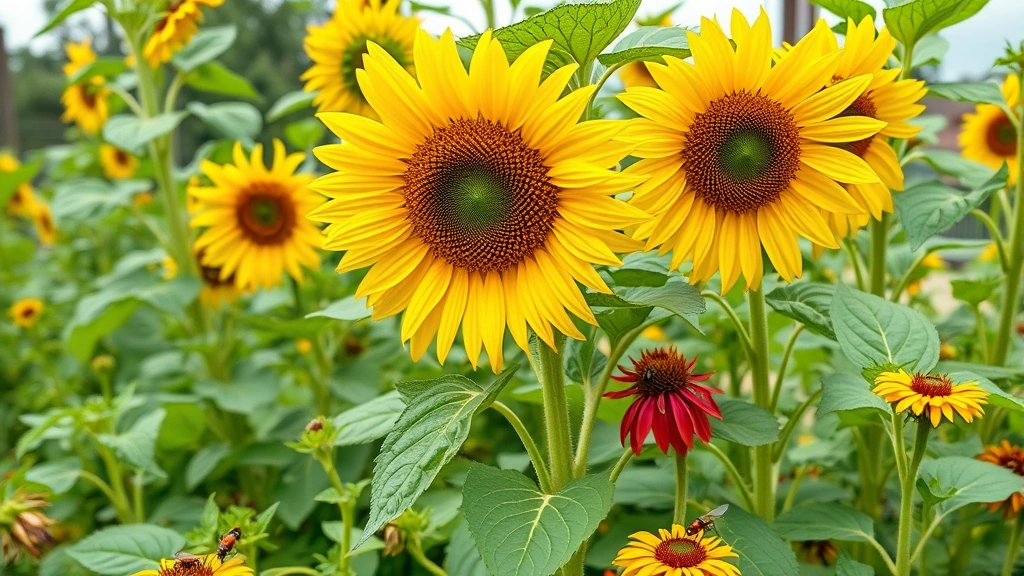
Tall plants provide shade for heat-sensitive crops. Corn or sunflowers shade lettuce or spinach in summer, extending production past normal bolt dates. Tomatoes shade basil from intense afternoon heat, allowing longer harvests in hot climates.
Pest Prevention Without Chemicals
Healthy plants grow faster than stressed plants. Pest pressure stresses plants and diverts energy from growth to defense. Preventing pest problems accelerates overall productivity far more than managing infestations after they develop.
Encourage beneficial insects through diverse plantings. Flowers like alyssum, yarrow, and coneflower attract parasitic wasps and other predators that consume pest insects. A diverse landscape supports complex food webs that naturally regulate pest populations.
Row covers and netting protect seedlings and young plants from insects during vulnerable growth stages. This simple barrier method eliminates pest damage during critical establishment phases, allowing plants to develop strong root systems and canopies before covers are removed.
Scout regularly—check plants 2-3 times weekly for pest presence. Early detection allows intervention before populations explode. Hand-picking larger pests and removing infested plant parts prevents problems from escalating.
Tools and Infrastructure Hacks
Proper tools reduce labor while improving results. Quality garden gloves protect hands while improving grip and control during planting, weeding, and harvesting. Comfortable tools encourage more frequent garden engagement, which correlates directly with better growth outcomes.
Invest in infrastructure that reduces friction between planning and execution. Raised beds minimize bending and back strain, encouraging more frequent maintenance. Garden benches provide convenient observation points where you can identify problems early while enjoying your space.
Create organized storage for tools, supplies, and protective equipment near your garden. Proximity reduces barriers to quick maintenance tasks. A five-minute weeding session prevents weeds from competing for nutrients, but only if weeding tools are immediately accessible.
Path systems reduce soil compaction in growing areas. Compacted soil restricts root penetration and water infiltration, limiting growth. Dedicated paths keep foot traffic away from planted areas, maintaining soil structure and preventing root damage.
Cold frames and low tunnels extend growing seasons dramatically. These simple structures warm soil 10-15°F above ambient temperature, accelerating spring growth and enabling fall production weeks beyond frost dates. Early spring and late fall production often generates the highest yields because fewer pests are active.
FAQ
How quickly can I expect garden growth after implementing these strategies?
Most gardeners observe 20-30% faster growth within 4-6 weeks when combining soil improvement, consistent watering, and nutrient management. Dramatic improvements (50%+ faster growth) typically appear in the second season after soil building and amendment accumulation. The best results emerge when implementing multiple strategies simultaneously rather than individual tactics alone.
What’s the single most impactful hack for accelerating garden growth?
Soil preparation provides the highest return on effort. Gardens built on properly amended, well-draining soil with adequate organic matter consistently outperform those on poor soil regardless of other inputs. Start here before implementing other strategies.
Can I implement these hacks in containers and small spaces?
Absolutely. Container gardening actually simplifies several hacks—you control soil composition completely, can position containers to optimize light exposure, and adjust microclimate conditions easily. Drip irrigation systems work exceptionally well in containers when paired with timers. Succession planting in containers extends production since you can rotate crops through the same containers multiple times seasonally.
How does composting accelerate garden growth?
Compost improves soil structure, increases water retention, provides slow-release nutrients, and introduces beneficial microorganisms. These combined benefits create ideal conditions for rapid root development and nutrient uptake. Compost-amended gardens typically require 30-50% less supplemental fertilizer while producing faster growth and healthier plants.
What’s the best time to start implementing these strategies?
Begin soil improvement in fall for spring planting, allowing winter to work amendments into soil structure through freeze-thaw cycles. For immediate spring planting, prepare beds at least 2-3 weeks before planting to allow soil settling and microbial activation. Year-round implementation—improving soil, building infrastructure, and planning successions—maximizes long-term productivity.
Do I need expensive equipment to hack garden growth?
No. Most effective hacks involve free or low-cost interventions: strategic timing, mulching, companion planting, and careful observation. Basic tools (shovel, hoe, hose) suffice for most gardens. Larger investments (raised beds, irrigation systems) improve efficiency and results but aren’t prerequisites for success.


