Pet-Friendly Gardens? Vet-Approved Tips for Growing a Garden Your Pets Will Love
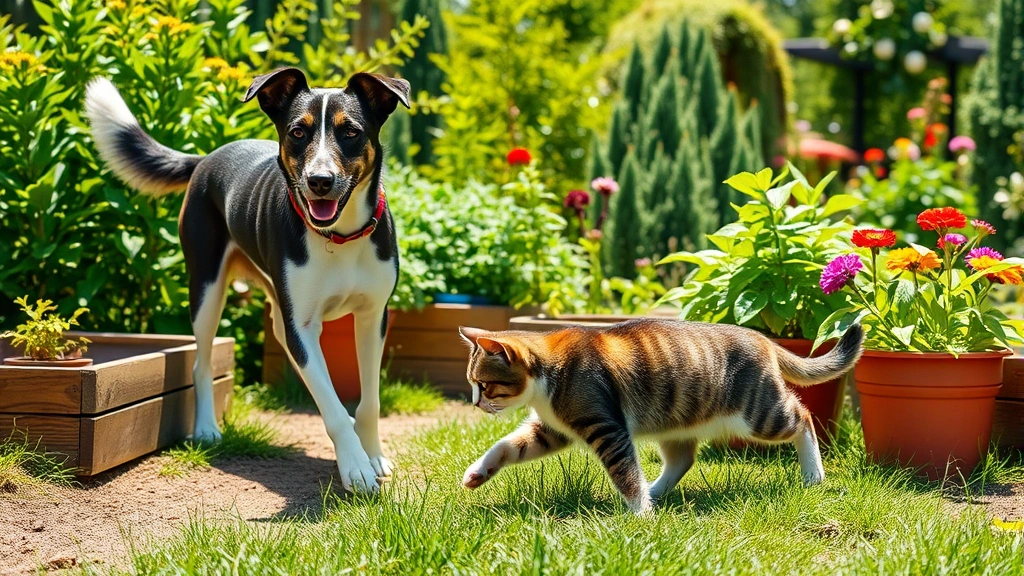
Creating a garden that welcomes both plants and pets requires thoughtful planning and knowledge about which plants are safe for curious cats, dogs, and other animals. Many gardeners struggle with the challenge of maintaining beautiful landscapes while keeping their furry family members safe from toxic plants and hazardous gardening practices. The good news is that you can absolutely grow a thriving garden that your pets value—a space where both plants and animals coexist happily.
Your veterinarian and horticultural experts agree that the key to a pet-friendly garden lies in understanding plant toxicity, creating physical barriers when necessary, and choosing pet-safe alternatives to common garden plants. This comprehensive guide walks you through vet-approved strategies to design and maintain a garden that enriches your pets’ lives while protecting their health. Whether you have dogs that love to dig, cats that nibble on foliage, or rabbits that roam freely, you’ll find practical solutions tailored to your specific situation.
Understanding Pet Toxicity in Common Garden Plants
Before you plant anything, familiarize yourself with which common garden plants pose risks to your pets. According to the ASPCA Animal Poison Control Center, thousands of pets are exposed to toxic plants annually. Some of the most dangerous plants include lilies (extremely toxic to cats), sago palms, oleander, foxgloves, and yews. Dogs may experience vomiting, diarrhea, or neurological issues, while cats can suffer severe kidney damage from certain plants.
Research from veterinary toxicology experts reveals that many popular ornamental plants are hazardous. Daffodils, tulips, and hyacinths contain compounds that irritate the digestive tract. Dieffenbachia, philodendrons, and other houseplants commonly brought outdoors cause oral irritation and difficulty swallowing. Azaleas and rhododendrons contain grayanotoxins that affect the heart and digestive system. Understanding these dangers empowers you to make informed planting decisions and grow a garden your pets can safely explore.
Consult the National Poison Control Center and speak with your veterinarian about your specific pets’ risk profiles. Some animals are more curious or prone to chewing than others. A cat that ignores plants entirely presents a different scenario than a puppy that investigates everything with its mouth. Document which plants are present in your neighborhood and on nearby properties, as your pet may encounter toxic plants beyond your fence line.
Creating Physical Barriers and Safe Zones
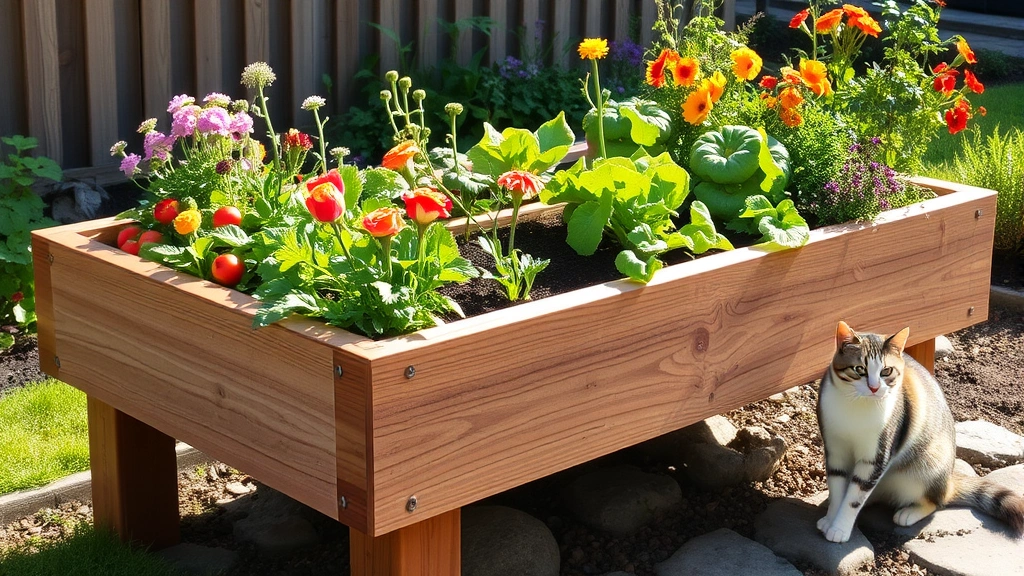
One of the most effective vet-approved strategies is creating physical separation between pets and potentially problematic plants. Elevated garden beds keep plants out of reach of ground-level browsers and diggers. These raised structures are particularly valuable for dog owners, as they prevent animals from trampling seedlings or excavating soil around plant roots. A bed elevated 24-30 inches high creates an effective barrier for most dogs and cats while remaining accessible for gardening work.
Fencing and netting provide additional protection. Consider installing decorative garden fencing around beds containing plants you’re unsure about. Hardware cloth buried 6-12 inches below soil surface deters digging pets from reaching roots and burrowing under plants. For smaller areas, shade cloth or bird netting can protect vulnerable plants during their most fragile growth stages. These barriers don’t require permanent installation and can be adjusted seasonally as your pets’ access patterns change.
Create designated pet zones within your garden where animals have freedom to roam, dig, and explore safely. A sandy digging pit satisfies dogs’ natural urge to excavate while protecting the rest of your garden. Designate certain pathways as pet highways, allowing them to move through the space without stepping on planted areas. This psychological approach recognizes and accommodates your pets’ natural behaviors rather than fighting against them.
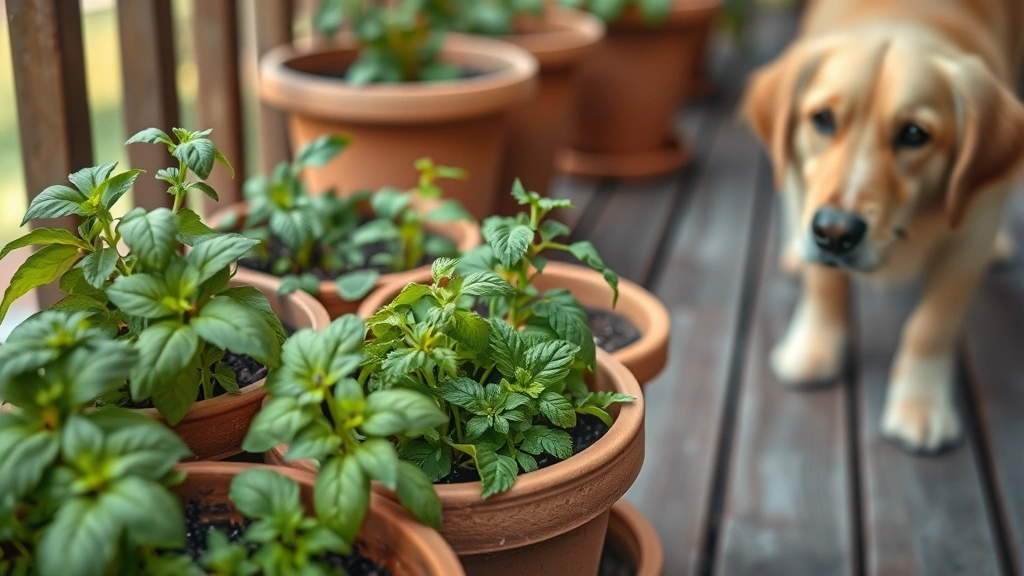
Container gardening offers excellent control over plant placement and pet access. Growing cucumbers in pots and other vegetables in containers allows you to position plants on shelves, stands, or hanging systems completely out of reach. This method works beautifully for renters or gardeners with limited space, and it makes watering and harvesting more convenient for you while keeping pets safer.
Pet-Safe Plants to Grow
The wonderful news is that numerous beautiful, useful plants are completely safe for pets. Herbs like basil, parsley, mint, and cilantro are non-toxic and actually beneficial for many animals. Cats often enjoy nibbling fresh catnip and cat grass, which support their digestive health. Rosemary and thyme are safe for dogs and provide culinary benefits for you. Growing these herbs in a dedicated pet section of your garden creates an enriching experience for your animals while providing fresh ingredients for your kitchen.
Vegetables are generally pet-safe options. Carrots, green beans, peas, and squash contain no toxic compounds. Many pets enjoy munching on these fresh vegetables, and they provide nutritional benefits. Tomato plants themselves are toxic (especially unripe fruits and the plant structure), but ripe tomatoes are safe. Leafy greens like spinach and lettuce are pet-friendly, though some should be given in moderation. Growing vegetables creates a multi-sensory garden experience that pets and humans both enjoy.
Flowering plants safe for pets include sunflowers, zinnias, marigolds, snapdragons, and petunias. These bright, cheerful plants add color and visual interest without toxicity concerns. Roses (thornless varieties when possible) are safe, though the thorns present a minor hazard. Spider plants, Boston ferns, and African violets are excellent indoor-outdoor options that pets can safely investigate. When you select quality garden soil, you’re investing in the foundation for growing these healthy, thriving plants.
Fruit-bearing plants like blueberries, strawberries, and apple trees are wonderful additions to pet-friendly gardens. Most pets enjoy fresh fruit, and these plants provide food for both your family and your animals. Raspberry and blackberry bushes offer thorny protection that discourages some pets from accessing the fruit while providing delicious harvests. The Oregon State University Extension Service provides detailed guidance on safe fruits and vegetables for different pet species.
Designing Elevated and Contained Gardens
Elevated garden beds represent one of the most popular solutions for pet-friendly gardening. These structures raise plants above ground level, reducing pet access and creating distinct garden zones. Elevated beds also improve drainage, extend growing seasons, and reduce strain on your back during planting and harvesting. For pet owners, they’re particularly valuable because they allow you to maintain a beautiful, productive garden while clearly separating plant areas from pet spaces.
A garden tower is an innovative vertical gardening solution that maximizes space while providing excellent pet protection. These tall, narrow structures allow you to grow vegetables, herbs, and flowers in stacked pockets or tiers, creating a visually interesting focal point that’s completely out of reach of most pets. Towers work exceptionally well for apartments, small yards, and situations where ground space is limited. They also reduce bending and reaching during maintenance, making gardening more ergonomic.
Tiered planting systems and shelving units create height variation in your garden landscape. By placing containers on different levels, you control which plants are accessible to pets. Lower shelves might hold hardy plants that can tolerate occasional pet interaction, while upper shelves reserve space for delicate or toxic plants that need complete protection. This vertical approach maximizes growing space while maintaining pet safety.
Hanging baskets and wall-mounted planters keep plants completely suspended above pet reach. These systems work particularly well for trailing plants like pothos (which is toxic, so elevated placement is essential) and flowering vines. Install sturdy hooks and hardware rated for the weight of soil-filled containers plus water. Hanging gardens create beautiful visual displays while solving pet-access challenges entirely.
Safe Gardening Practices for Pet Owners
Beyond plant selection and garden design, your gardening practices significantly impact pet safety. Never use pesticides, herbicides, or fungicides in gardens where pets have access. These chemical applications pose serious health risks, even after drying. Instead, employ organic pest management strategies like hand-picking insects, using neem oil, introducing beneficial insects, and practicing companion planting. Your veterinarian can recommend pet-safe alternatives if pest problems become severe.
Fertilizers and soil amendments require careful consideration. Many commercial fertilizers contain ingredients harmful to pets. Blood meal, bone meal, and cocoa mulch are particularly dangerous—cocoa mulch is toxic to dogs and can cause serious health issues. Instead, use compost, composted manure, and organic fertilizers specifically labeled as pet-safe. When applying any soil amendment, keep pets away from the area until products are fully incorporated and watered in.
Garden tools and equipment storage matters tremendously for pet safety. Store pruning shears, shovels, and other sharp tools in secure locations away from curious pets. Secure garden hoses to prevent tripping hazards and potential ingestion. Keep garden stakes and plant supports from becoming hazards—blunt or bent stakes are safer than sharp points. Store seeds, fertilizers, and other supplies in sealed containers on high shelves where pets cannot access them.
Water management requires attention to pet safety. Provide fresh, clean water sources separate from garden irrigation water, which may contain soil-dwelling bacteria or plant debris. Standing water in pots or trays can harbor mosquito larvae and other pathogens. Ensure water features like fountains or small ponds have gentle slopes that prevent pets from becoming trapped. Consider covering water features if they contain chemicals or if your pets are weak swimmers.
When working with quality garden soil, wear gloves and wash hands thoroughly afterward. Soil can contain harmful bacteria, fungi, and parasites that transmit to pets through contact. Keep freshly turned soil areas restricted until they’ve settled and integrated. If you use raw compost or aged manure, ensure pets cannot access it until it’s fully composted and incorporated into garden beds.
Interactive Garden Features Pets Enjoy
A truly pet-friendly garden isn’t just about avoiding hazards—it’s about creating enriching experiences your animals enjoy. Many pets benefit from sensory stimulation that a well-designed garden provides. Cats appreciate plants they can safely explore, textures to rub against, and elevated perches for surveying their domain. Dogs enjoy designated digging areas, scent trails, and spaces to run. Even rabbits and other small animals benefit from outdoor garden time when properly supervised.
Create a cat garden with cat grass, catnip, silvervine, and valerian—all non-toxic plants that provide mental stimulation. Plant these in accessible areas where cats can safely nibble. Provide climbing structures like cat trees or sturdy shelves where cats can survey the garden from elevated positions. Some cat owners even create enclosed “catios” (cat patios) that allow outdoor access while preventing escape and protecting wildlife.
Dogs enjoy designated pathways through gardens, allowing them to participate in your outdoor activities. Create natural trails using garden stones or stepping stones that guide pets through the space without damaging plants. A designated digging pit filled with sand or soft soil satisfies natural digging instincts. Some dog owners create obstacle courses or agility features that combine exercise with outdoor enrichment. Water features like shallow basins allow dogs to cool off during warm weather.
Sensory gardens engage all your pets’ senses. Include fragrant plants like lavender (safe for dogs in moderation, though caution is warranted), mint, and rosemary that provide olfactory enrichment. Textured plants like lamb’s ear and ornamental grasses offer tactile interest. Flowering plants attract butterflies and birds, providing visual entertainment. Sound elements like wind chimes or water features create auditory stimulation. A well-designed sensory garden enriches your pets’ lives while creating a beautiful space for you to enjoy.
Consider creating wildlife viewing areas where your pets can safely observe birds, butterflies, and other creatures. This natural entertainment keeps pets mentally engaged without requiring constant owner interaction. Position viewing areas near windows if you have indoor pets, allowing them to watch outdoor activity. Ensure any wildlife features don’t create hazards—secure bird feeders so they don’t fall on pets, and avoid plants that attract dangerous insects.
FAQ
What should I do if my pet eats a toxic plant?
Contact your veterinarian or the ASPCA Animal Poison Control Center (888-426-4435) immediately. Have the plant identification ready if possible. Symptoms vary by plant and pet species, but prompt veterinary care significantly improves outcomes. Never induce vomiting without professional guidance, as some toxins cause additional damage when regurgitated.
Can I use mulch in a pet-friendly garden?
Most mulches are safe, but avoid cocoa mulch, which is toxic to dogs. Pine and cedar mulches can irritate sensitive pets. Hardwood mulches, bark chips, and straw are generally safe choices. However, some pets eat mulch, which can cause intestinal blockages. If your pet is a mulch-eater, use elevated beds or containers to prevent access. Monitor pets initially when introducing new mulch to observe their behavior.
How can I protect my garden from pet damage?
Use physical barriers like fencing, netting, and elevated beds. Create designated pet zones that satisfy natural behaviors. Apply pet-deterrent sprays around valuable plants (capsaicin-based sprays deter many animals). Provide alternative activities like digging pits and toys. Supervise outdoor time when possible. Train pets to respect garden boundaries using positive reinforcement. Some gardeners use motion-activated sprinklers to discourage pets from certain areas.
Are herbs safe for all pets?
Most culinary herbs are safe for dogs and rabbits, but cats are more sensitive. Avoid giving cats essential oils or concentrated herb extracts. Safe herbs for cats include cat grass, catnip, and some mints in moderation. Consult your veterinarian before introducing new herbs, especially for cats with existing health conditions. Some herbs like tea tree and eucalyptus are toxic to pets and should never be grown in accessible areas.
What vegetables can my dog safely eat?
Dogs can safely eat carrots, green beans, peas, squash, pumpkin, sweet potatoes, and most leafy greens. Avoid onions, garlic, grapes, raisins, and avocados, which are toxic. Corn cobs can cause intestinal blockages. Always introduce new vegetables gradually and in moderation. Some vegetables are safer as occasional treats rather than regular diet components. Your veterinarian can recommend vegetables appropriate for your dog’s specific health needs.
How do I create a pet-safe raised bed garden?
Elevated garden beds should be constructed from untreated wood, composite materials, or galvanized metal—never pressure-treated wood containing toxic chemicals. Fill with quality garden soil and organic amendments. Line the bottom with hardware cloth if burrowing is a concern. Plant only pet-safe vegetables and herbs. Ensure the bed height (24-30 inches) prevents most pets from accessing plants. Position beds in areas where pets naturally congregate for maximum effectiveness and observation opportunities.
Can I use a garden tower for pet-friendly growing?
Yes, a garden tower is an excellent pet-friendly option. The vertical design keeps plants completely out of reach while maximizing growing space. Towers work well for herbs, vegetables, and flowers. Ensure the structure is stable and won’t tip over if pets brush against it. Position towers away from areas where pets could jump onto them. The elevated design prevents digging damage and provides excellent pest control benefits.


