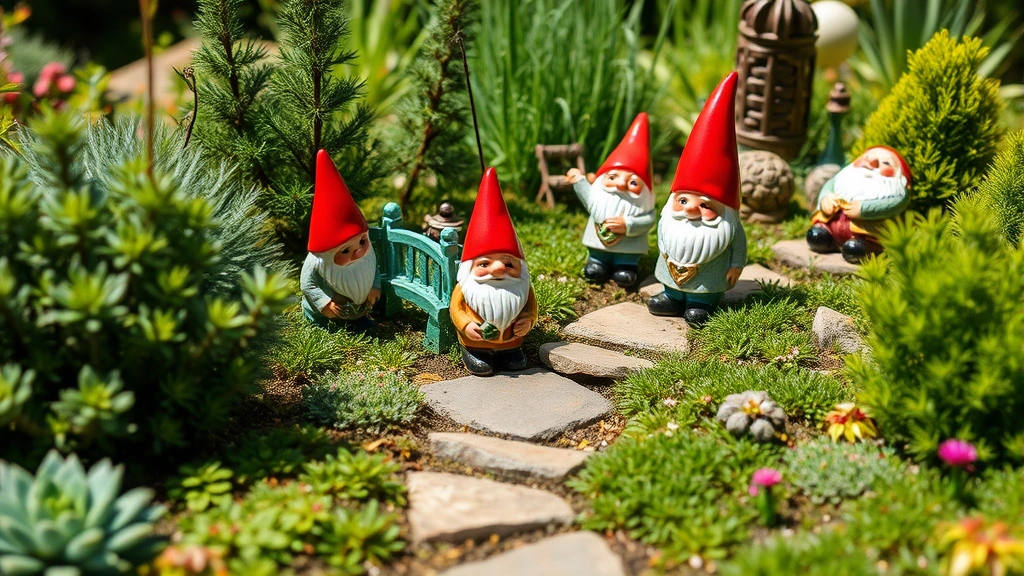
A gnome garden brings whimsy, charm, and personality to any outdoor space, transforming a simple backyard into an enchanted miniature world. Whether you’re a seasoned gardener looking to add creative flair or a beginner wanting to try something fun and manageable, creating a gnome garden combines practical gardening skills with imaginative design. These delightful gardens aren’t just about placing ceramic figurines among plants—they’re about crafting a cohesive landscape that balances horticultural care with playful aesthetics.
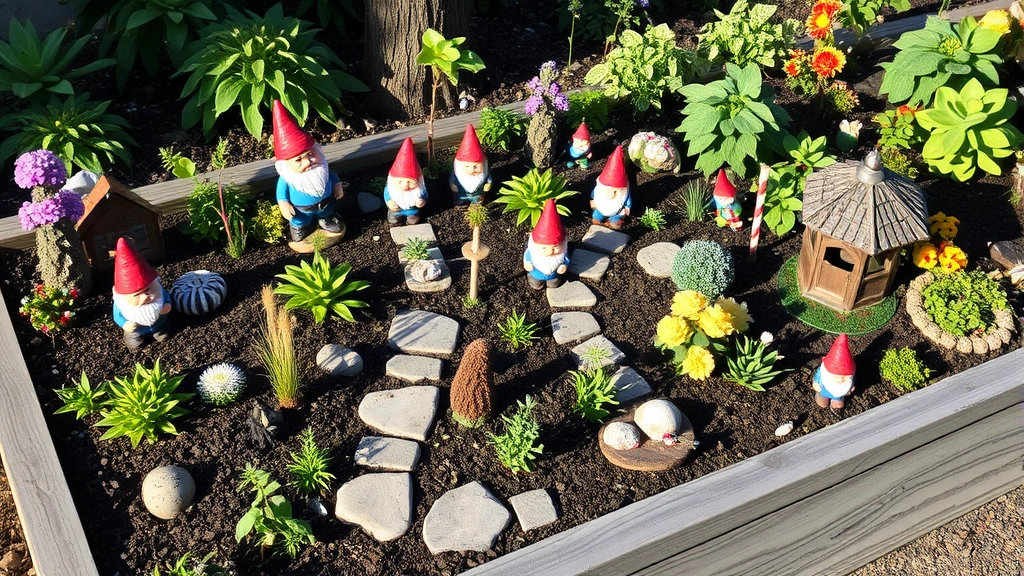
The beauty of gnome gardens lies in their versatility. You can design them in raised beds, containers, corner spaces, or even dedicate an entire section of your yard to this magical concept. With the right approach to soil preparation, plant selection, and creative arrangement, your gnome garden will become a conversation starter and a personal sanctuary. This guide provides expert tips to help you design, build, and maintain a thriving gnome garden that brings joy throughout the seasons.
Understanding Gnome Garden Basics
Before diving into creation, it’s essential to understand what makes a gnome garden distinct from regular garden spaces. A gnome garden is fundamentally a themed miniature landscape that features garden gnomes as focal points, surrounded by appropriately scaled plants, structures, and decorative elements. The key is maintaining proportion—everything should feel intentional and cohesive with your chosen gnome characters and their story.
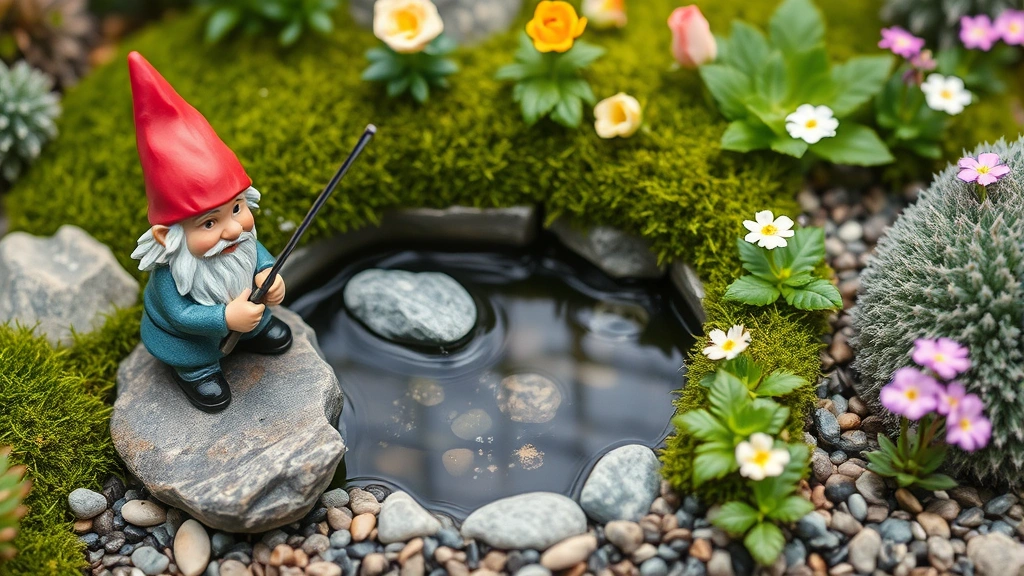
The concept draws inspiration from traditional European folk gardens, where gnomes were believed to protect crops and bring good fortune. Modern gnome gardens expand on this by creating entire scenes and narratives. Your gnomes might be fishing in a tiny pond, tending to miniature vegetable patches, or relaxing in a whimsical village setting. The plants you choose should complement this theme while remaining easy to cultivate in a confined space.
Understanding the scale is crucial. Most garden gnomes range from 6 to 12 inches tall, so you’ll want to select plants that won’t overwhelm your figurines. Dwarf varieties, creeping groundcovers, and small perennials work beautifully. Consider the gnomes’ positioning and create sight lines that draw visitors’ eyes through the garden, discovering new details as they explore.
Choosing the Perfect Location
Location dramatically impacts your gnome garden’s success. Most gnome gardens thrive in areas receiving 4 to 6 hours of sunlight daily, making partial shade ideal for preventing plant stress and color fading on your gnome figurines. Scout your yard for a spot that balances light exposure with protection from harsh afternoon sun.
Consider visibility and accessibility. Position your gnome garden where you can appreciate it from windows, seating areas, or main pathways. You’ll want easy access for watering, weeding, and seasonal adjustments. Avoid low-lying areas prone to standing water, as poor drainage can rot roots and damage gnome bases. If your yard is naturally wet, consider constructing a raised garden bed for better drainage control.
Wind exposure matters too. Strong winds can topple lightweight gnomes and stress delicate plants. If your location is exposed, position your garden near existing structures, dense shrubs, or plan to create windbreaks using trellises or larger plantings. Proximity to water sources makes maintenance easier—ensure your gnome garden isn’t too far from your outdoor faucet or hose connection.
Preparing Your Foundation
Proper foundation work ensures your gnome garden thrives for years. Start by preparing garden soil specifically suited to your plant selections. Most miniature garden plants prefer well-draining soil rich in organic matter. Test your soil’s pH and nutrient levels—you can obtain a soil test kit from your local USDA Plant Health extension office.
If building on bare ground, remove existing grass and weeds completely. Layer your foundation with landscape fabric to suppress weed growth, then add 3 to 4 inches of quality potting soil mixed with compost. This creates an ideal growing medium for small plants. If you prefer constructing a raised garden bed, use rot-resistant wood or composite materials, filling with a premium soil blend designed for container gardening.
Level your surface carefully, as uneven ground makes gnome placement awkward and causes water pooling. Create subtle contours if desired—slight elevation changes add visual interest and improve drainage. Consider installing a basic drip irrigation system or soaker hose to maintain consistent moisture without daily watering.
Selecting Plants for Your Gnome Garden
Plant selection is where your gnome garden truly comes alive. Prioritize dwarf and miniature varieties that won’t outgrow your space or shade out your gnomes. Excellent choices include creeping thyme, woolly thyme, and other low-growing groundcovers that create soft carpeting between elements.
Evergreen options provide year-round structure. Dwarf junipers, miniature boxwoods, and creeping junipers offer varying textures and colors while remaining compact. These plants create the “bones” of your garden, establishing framework that seasonal plantings complement. Dwarf conifers add vertical interest without taking excessive space.
Flowering plants bring color and seasonal interest. Miniature roses, dwarf daylilies, and alpine phlox provide blooms in various hues. Sedums and sempervivums offer succulent appeal with minimal care requirements, thriving in poor soil where other plants struggle. Consider caring for bonsai trees if you want to add sophisticated woody elements—dwarf varieties can work beautifully as focal points.
Foliage plants deserve attention beyond flowering varieties. Creeping jenny, with its golden or green trailing stems, softens hardscape edges. Lamium provides variegated foliage and delicate flowers. Ajuga offers purple-bronze leaves and blue flower spikes. These plants create textural contrast essential for visual appeal.
Seasonal plantings refresh your garden throughout the year. Spring brings primroses and hellebores, summer offers portulaca and calibrachoa, fall features ornamental grasses and sedums, and winter displays evergreen combinations. Rotating seasonal elements keeps your gnome garden dynamic and engaging.
Choose plants suited to your climate zone. Check your local Arbor Day Foundation hardiness zone information to ensure selections will survive winter conditions. If you live in a cold climate, focus on hardy perennials and evergreens. Warmer climates allow more tender tropical and subtropical options.
Designing Miniature Landscapes
Design transforms a collection of plants and gnomes into a cohesive garden story. Start by sketching your vision, considering the gnomes’ narrative and creating themed zones. A fishing gnome needs water elements, a gardener gnome deserves miniature vegetable beds, and a reading gnome suits a quiet corner with a tiny bench.
Creating focal points guides viewers through your garden. Position your most interesting gnome or feature prominently, then arrange secondary elements to draw attention toward it. Use taller plants or structures to create depth, preventing your garden from appearing flat. Vary plant heights—some creeping, some mounding, some vertical—to create dynamic silhouettes.
Color coordination unifies your design. Choose a palette of 2-3 main colors, using complementary shades for visual harmony. Cool greens and blues create serene spaces, while warm yellows and reds energize. Consider gnome clothing colors when selecting plants—reds and blues in gnome outfits coordinate beautifully with silver-foliaged plants and white flowers.
Pathways and circulation make your gnome garden feel intentional and inviting. Even in small spaces, subtle paths created with mulch, gravel, or stepping stones guide movement and create narrative flow. Paths suggest where gnomes travel, enhancing the storytelling aspect of your garden.
Proportion and scale remain paramount. A gnome garden works best when all elements feel appropriately sized relative to each other. Oversized boulders dwarf gnomes, while tiny pebbles appear insignificant. Select hardscape materials and plant sizes that maintain visual balance.
Adding Hardscape Elements
Hardscape features—non-plant elements—provide structure and personality. Water features, even tiny ones, captivate viewers. A shallow basin filled with water creates miniature pond environments. Bird baths scaled for gnomes become gathering places. Small fountains add movement and sound, though ensure proper water circulation prevents mosquito breeding.
Pathways and steps create accessibility and visual interest. Stepping stones guide movement through your garden. Small gravel paths delineate spaces. Miniature wooden bridges over water features add whimsy. These elements should feel purposeful rather than random, supporting your garden’s narrative.
Structures and shelters add functional charm. Tiny gazebos, arbors, or pergolas create focal points and provide shade for gnomes and shade-loving plants. A small garden arbor becomes an architectural feature and plant support. Miniature sheds, wells, and signage reinforce your garden’s theme.
Edging and borders define spaces and contain plantings. Metal or stone edging prevents soil from spilling into surrounding areas. Living borders using low-growing plants create natural boundaries. Edging also provides visual frames that enhance composition.
Mulch and ground coverings finish your design while serving practical purposes. Decorative mulch, gravel, sand, and moss create varied textures. Light-colored materials highlight plantings, while darker mulches provide contrast. Moss paths between plantings feel naturalistic and whimsical.
Seasonal Care and Maintenance
Successful gnome gardens require consistent seasonal care. Spring is preparation time. Clean up winter debris, refresh mulch, divide overcrowded plants, and add new seasonal plantings. Check gnome positioning after frost heave shifts soil. Apply slow-release fertilizer to support new growth.
Summer demands regular watering, especially during dry periods. Use a quality garden hose with a gentle spray setting to avoid disturbing soil or damaging delicate plants. Deadhead flowers to encourage blooming and maintain neat appearance. Monitor for pests like spider mites and aphids on confined plants. Trim overgrown plants to maintain scale and gnome visibility.
Fall transitions your garden toward dormancy. Plant spring-blooming bulbs in designated areas. Cut back dead foliage and remove fallen leaves that can smother groundcovers. Plant hardy mums and sedums for autumn color. Prepare tender plants for winter by moving containers to protected locations if necessary.
Winter protection preserves your investment. In cold climates, apply mulch layers around tender plants. Ensure proper drainage prevents ice accumulation. Move gnomes indoors if temperatures drop severely, or protect them with burlap wraps. Check soil moisture even during dormancy—evergreens need occasional watering during dry winters.
Year-round maintenance includes regular weeding, pest monitoring, and pruning. Weeds compete aggressively in small spaces, so stay vigilant. Inspect plants weekly for disease or insect damage. Prune to maintain shapes and prevent shading. Refresh plantings seasonally to keep your gnome garden visually dynamic.
Watering practices deserve special attention. Gnome gardens typically dry faster than larger gardens due to smaller soil volumes. Water deeply but infrequently to encourage deep root growth. Early morning watering reduces disease pressure. In hot climates, afternoon misting prevents heat stress on delicate plants.
FAQ
What size should my gnome garden be?
Gnome gardens can range from small containers to dedicated landscape sections. Start with 4×4 feet if creating a dedicated bed—large enough for multiple plantings and gnomes without becoming overwhelming to maintain. Smaller gardens (2×2 feet) work beautifully for patios or corners. Container gardens can be just 2-3 feet across. Choose a size matching your space and maintenance capacity.
How many gnomes should I include?
There’s no strict rule, but avoid overcrowding. Space gnomes 12-18 inches apart to allow plant growth and prevent a cluttered appearance. Odd numbers (3, 5, 7) create more pleasing compositions than even numbers. Quality trumps quantity—a few well-positioned gnomes tell better stories than dozens competing for attention.
Can I create a gnome garden in shade?
Absolutely. Many plants thrive in partial to full shade, including hostas, hellebores, coral bells, and creeping jenny. Shade gardens offer cooler growing conditions and reduced watering needs. Choose shade-tolerant gnomes with good paint quality, as sunlight fading is less of a concern. Shade gardens actually provide ideal conditions for sensitive plants.
What’s the best soil for gnome gardens?
A blend of quality potting soil, compost, and perlite creates ideal growing conditions. This mixture provides drainage while retaining moisture and nutrients. Add peat moss or coconut coir for water retention if your climate is dry. Test soil annually and amend based on plant needs and test results.
How do I protect gnomes from weather damage?
Apply outdoor sealant to gnome surfaces annually to prevent fading and weathering. In harsh winter climates, move valuable gnomes indoors or wrap with burlap for protection. Position gnomes in sheltered areas away from strong winds. Elevate gnomes slightly on small pedestals to prevent soil splash and moisture accumulation at bases.
Should I use starting a flower garden techniques for my gnome garden?
Many flower gardening principles apply directly. Soil preparation, plant selection, spacing, and watering techniques translate well to miniature scales. However, gnome gardens require tighter spacing and more frequent monitoring due to smaller soil volumes. Start with flower gardening fundamentals, then adapt for miniature proportions.
Can gnome gardens attract wildlife?
Yes, and that’s wonderful! Water features attract birds and beneficial insects. Native plants support pollinators. Dense plantings provide shelter for helpful creatures. This creates a living garden ecosystem beyond the gnome narrative. Avoid pesticides to protect wildlife and maintain garden balance.


