Garden Warfare 3: Tips from Pro Gamers Who Treat Gardening Like a Strategy Game
If you’ve ever played Plants vs. Zombies or similar tower defense games, you know that successful garden warfare requires strategy, timing, and resource management. But here’s the surprising truth: real gardening operates on remarkably similar principles. Professional gardeners approach their plots with the same tactical mindset as esports champions, carefully planning defenses against pests, diseases, and environmental challenges while maximizing their harvests. Whether you’re starting a new garden or optimizing an existing one, adopting a pro-gamer mentality can transform your growing success.
Garden warfare isn’t about violence—it’s about understanding the ecosystem dynamics at play in your outdoor space. Just as competitive gamers study maps, anticipate opponent moves, and adapt their strategies in real-time, master gardeners analyze soil conditions, predict pest cycles, and adjust their tactics seasonally. This comprehensive guide reveals the strategic frameworks that professional horticulturists and experienced growers use to win the battle against environmental obstacles and cultivate thriving plants year-round.
The Strategic Framework: Understanding Your Garden Map
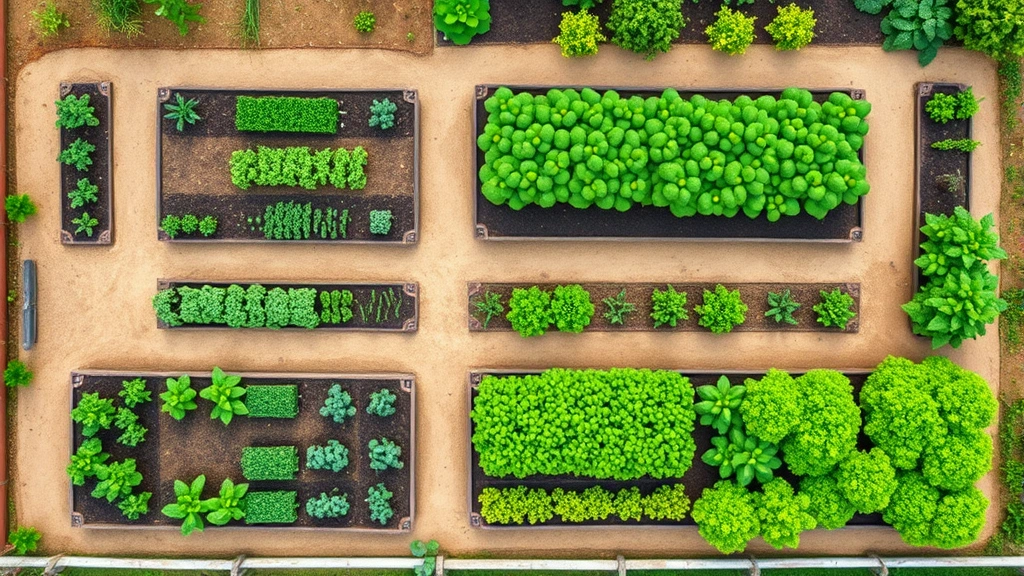
Every pro gamer begins by studying the map, and gardeners must do the same with their growing space. Before planting a single seed, you need to understand your garden’s unique characteristics—what pro gardeners call “site analysis.” This involves assessing sunlight patterns, wind exposure, drainage patterns, and microclimate zones. Just like professional gamers memorize every detail of their competitive arena, successful gardeners spend time observing how light moves across their property throughout the day and across seasons.
Document which areas receive full sun (6+ hours of direct sunlight), partial shade (3-6 hours), and full shade (less than 3 hours). Wind direction matters too—understanding prevailing winds helps you position tall plants strategically to protect more delicate specimens. Think of it as positioning defensive units in a tower defense game. Water naturally flows downhill and collects in low spots; knowing your garden’s topography allows you to leverage gravity for irrigation efficiency.
Pro gamers also understand that the “map” changes with seasons. The tall oak tree that provides summer shade creates spring shade that blocks early-season sunlight. Experienced gardeners account for this dynamic environment when planning crop rotations and perennial placements. Consider creating a garden map on paper or using digital tools to mark these zones. This tactical documentation becomes your strategic blueprint for the entire growing season.
When starting a new garden from scratch, begin with a soil test from your local cooperative extension. This baseline data tells you your pH level, nutrient composition, and organic matter percentage—essential information for any gardening strategy. Different plants require different soil conditions; knowing your starting point lets you make informed amendments rather than guessing.
Resource Management: Soil, Water, and Nutrients as Currency
In competitive gaming, resource management separates champions from casual players. You can’t waste ammunition, mana, or gold on inefficient tactics. The same principle applies to gardening resources: soil health, water availability, and nutrient content are your precious commodities. Pro gardeners maximize these resources through deliberate management strategies that compound over time.
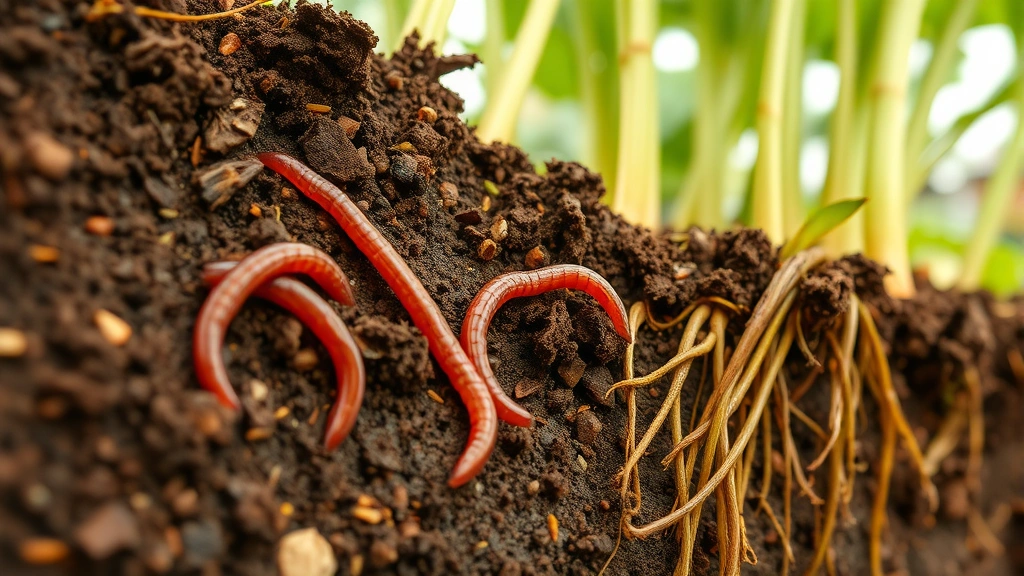
Soil as Your Foundation Currency: Healthy soil is everything in gardening—it’s your primary resource. Professional growers understand that building soil fertility is a long-term investment that pays dividends season after season. Adding organic matter through compost, aged manure, or cover crops improves soil structure, water retention, and nutrient availability simultaneously. Unlike synthetic fertilizers that provide temporary boosts, organic amendments create sustainable productivity.
Mulching is a resource-multiplier strategy that pro gardeners employ religiously. A 2-3 inch layer of organic mulch around plants reduces water evaporation by up to 70%, moderates soil temperature fluctuations, suppresses weeds (reducing your defensive burden), and breaks down into additional organic matter. It’s like investing in a passive income system—you make the initial investment and continue reaping benefits for months.
Water Efficiency and Strategic Irrigation: Water is increasingly precious in many regions, making irrigation efficiency critical. Rather than spraying water indiscriminately, pro gardeners use drip irrigation or soaker hoses that deliver water directly to plant roots where it’s needed. This reduces water waste, minimizes foliar diseases (since wet leaves are more susceptible to fungal infections), and delivers water more efficiently than overhead watering.
Timing matters too. Watering early morning allows plants to absorb moisture before heat stress peaks, while evening watering can promote fungal issues. Pro gardeners water deeply but less frequently, encouraging deep root development that makes plants more drought-resistant. This is resource optimization—achieving better results with less total water input.
Nutrient Management and Fertilization Strategy: Rather than applying a generic fertilizer to everything, experienced gardeners tailor nutrition to specific plant needs. Heavy feeders like tomatoes, squash, and corn require more nitrogen; root crops need phosphorus and potassium emphasis; leafy greens benefit from balanced nutrition. This targeted approach maximizes your fertilizer investment by providing what each plant actually needs.
Organic fertilizers release nutrients slowly, feeding soil biology while gradually improving soil structure. Synthetic fertilizers provide immediate nutrient availability but don’t build long-term soil health. Most pro gardeners blend both approaches: synthetic fertilizers for quick boosts during critical growth phases, organic amendments for sustained productivity and soil improvement.
Defensive Tactics: Pest and Disease Prevention Strategies
This is garden warfare in its truest sense—defending your plants against the relentless assault of pests and diseases. Pro gamers understand that the best defense is prevention, and the same applies to pest management. Rather than waiting for problems to emerge and then reacting, strategic gardeners implement preventive measures that stop problems before they start.
Prevention as Your Primary Defense: Healthy plants are your best defense against pest and disease problems. Stressed plants—those suffering from poor nutrition, inadequate water, or unsuitable light conditions—are magnets for problems. By meeting each plant’s environmental requirements, you’re essentially building defensive shields around them.
Crop rotation is a foundational defensive strategy that pro gardeners have used for centuries. Many pests and diseases are plant-specific and overwinter in soil. By rotating plant families to different garden locations yearly, you break pest life cycles before they establish populations. If tomatoes grew in bed A last year, plant them in bed C this year, leaving beds A and B for different plant families.
Companion planting creates a diversified ecosystem that naturally suppresses pests. Marigolds repel certain insects; basil confuses some pests; garlic deters various chewing insects. It’s like having support units that complement your main defenders. This herb garden strategy creates a balanced ecosystem where beneficial insects thrive alongside your vegetables.
Monitoring and Early Detection: Professional gamers constantly monitor their game state, watching for emerging threats. Gardeners must do the same, regularly inspecting plants for early signs of pest or disease problems. Catching issues when populations are small makes them exponentially easier to manage than waiting until severe infestations develop.
Scout your garden at least twice weekly, examining both upper and lower leaf surfaces where pests hide. Look for yellowing leaves, unusual spots, wilting, or visible insects. Early detection lets you respond with minimal interventions—removing affected leaves, hosing off pest populations, or isolating infected plants—rather than requiring aggressive treatments later.
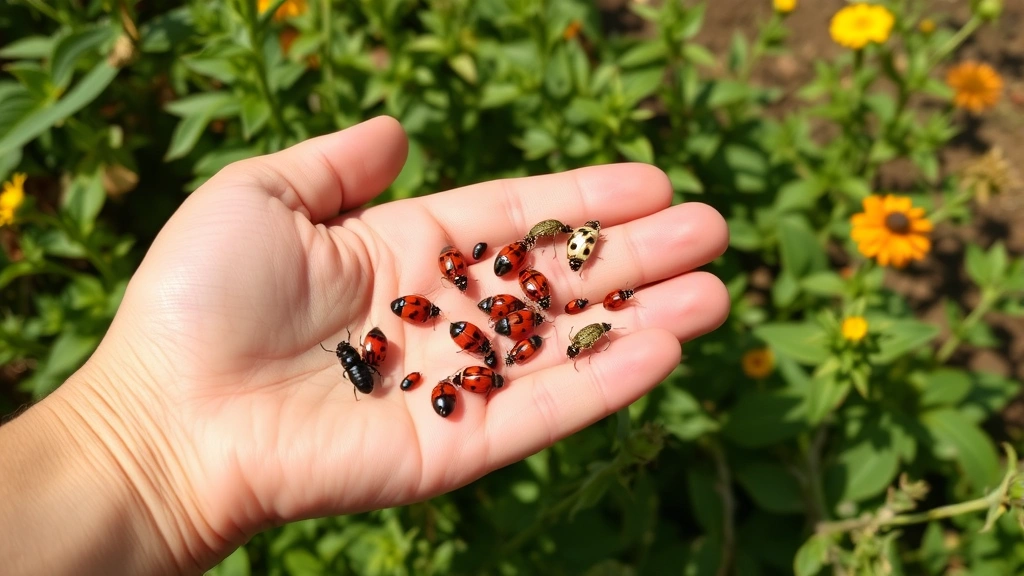
Biological and Organic Control Strategies: When problems do emerge, pro gardeners employ targeted responses. Beneficial insects like ladybugs, lacewings, and parasitic wasps are your elite units in the battle against pests. Encouraging these allies through diverse plantings and avoiding broad-spectrum pesticides creates a natural pest management system.
Organic pesticides like neem oil, insecticidal soap, and spinosad offer effective control without the environmental persistence of synthetic chemicals. These tools are more targeted and less likely to disrupt your garden’s beneficial insect population. Always start with the gentlest effective option before escalating to stronger interventions—a professional’s approach to pest management.
Offensive Techniques: Maximizing Plant Growth and Yield
While defense prevents losses, offense creates gains. Pro gardeners don’t just prevent problems; they actively optimize growing conditions to maximize plant performance. This involves understanding plant physiology and providing ideal conditions for rapid growth and abundant production.
Succession Planting and Continuous Production: Rather than planting everything at once and harvesting in a single glut, strategic gardeners stagger plantings to ensure continuous harvests throughout the season. Planting lettuce, beans, or squash every two weeks creates a rolling harvest rather than feast-or-famine cycles. This maximizes your garden’s productive output across the entire season.
Varietal Selection and Strategic Breeding: Pro gardeners carefully select plant varieties based on their specific growing conditions and goals. A variety that thrives in cool climates may struggle in heat; disease-resistant varieties prevent problems that susceptible varieties can’t overcome. Studying seed catalogs and growing guides is like researching character strengths before selecting your team—you’re choosing the best tools for your specific situation.
If you’re interested in specialized growing, consider how to grow blueberries in containers, which allows you to optimize soil conditions for acid-loving plants regardless of your native soil pH. This specialized approach demonstrates how understanding plant requirements lets you overcome environmental constraints.
Pruning and Training Techniques: Strategic pruning directs plant energy toward productive growth. Removing suckers from tomatoes concentrates energy into fruit production rather than excessive foliage. Pruning lower branches improves air circulation, reducing disease risk while directing energy upward. Espalier training for fruit trees maximizes production in minimal space—a high-efficiency strategy.
Optimization Through Environmental Control: Pro gardeners manipulate their growing environment within practical limits. Season extension through row covers, cold frames, or high tunnels effectively extends your growing season by weeks. Starting seeds indoors gives plants a head start, allowing earlier planting and longer production periods. These techniques are like gaining resource bonuses in gaming—they amplify your baseline productivity.
Seasonal Gameplay: Adapting Your Strategy Throughout the Year
Seasonal changes are like different game maps in competitive gaming—each season presents unique conditions requiring strategy adaptation. Professional gardeners don’t apply the same tactics year-round; they adjust their approach based on seasonal realities.
Spring: The Offensive Season: Spring is when you launch your major offensive. Soil has warmed, frost risk is declining, and plants are ready for rapid growth. This is prime time for planting cool-season crops early and warm-season crops after last frost. Spring is also when you implement your pest prevention strategies—establishing beneficial insect populations and companion plantings before problems emerge.
Summer: Maintenance and Defense: Summer brings heat stress, peak pest and disease pressure, and increased water demands. Your strategy shifts toward maintenance—consistent watering, regular monitoring for pest outbreaks, and managing heat stress through shade cloth or strategic watering timing. Summer is when your preventive strategies pay dividends; well-maintained plants handle stress far better than neglected ones.
Fall: Harvest and Preparation: Fall offers a second growing season for cool-season crops. Many vegetables actually taste better after frost—cold temperatures convert starches to sugars in crops like kale and parsnips. Fall is also when you prepare for next year: collecting seeds, building compost, amending soil, and planting garlic and spring bulbs. You’re simultaneously harvesting current production and investing in future productivity.
Winter: Planning and Soil Building: Winter is your off-season for active gardening but prime time for strategic planning. Review what worked and what didn’t. Plan next year’s crop rotations, order seeds, and build compost. In many regions, winter is ideal for planting cover crops that will improve soil for spring planting. Use downtime productively to strengthen your strategic position for the coming year.
Advanced Techniques: Pro-Level Garden Optimization
Once you’ve mastered fundamentals, advanced strategies separate good gardeners from great ones. These techniques require deeper knowledge but deliver proportionally greater results.
Integrated Pest Management (IPM): Professional horticulturists use IPM frameworks that combine multiple strategies into a cohesive system. Rather than relying on single tactics, IPM layers prevention, monitoring, biological controls, and targeted treatments into a comprehensive approach. This reduces pest pressure while minimizing environmental impact—the hallmark of professional-level thinking.
Soil Microbiology and Mycorrhizal Relationships: Advanced gardeners understand that soil is a living ecosystem. Mycorrhizal fungi form symbiotic relationships with plant roots, dramatically improving nutrient and water uptake. Promoting these relationships through diverse plantings, minimal tillage, and organic matter additions creates a self-sustaining productivity system. It’s like unlocking hidden game mechanics that exponentially improve your results.
Data-Driven Gardening: Pro gardeners track detailed information: bloom dates, harvest quantities, pest pressure levels, weather patterns. This data reveals patterns and trends that guide strategy refinement. You might discover that certain varieties consistently outperform others, or that specific planting dates align with pest emergence. This information becomes your competitive advantage.
Specialization and Mastery: Rather than attempting to grow everything, many pro gardeners specialize in specific crops or techniques. Deep expertise in growing tomatoes, berries, or cut flowers allows for optimization impossible with generalist approaches. Consider specializing in crops you’re passionate about; this focus drives mastery that casual gardeners can’t achieve.
Creating beautiful garden decor might seem purely aesthetic, but thoughtfully designed spaces actually improve garden functionality. Pathways reduce soil compaction; raised beds improve drainage and accessibility; creative garden ideas can incorporate water features that attract beneficial insects. Strategic design enhances both beauty and productivity.
FAQ
How do I know if my garden has good drainage?
Dig a hole about 12 inches deep, fill it with water, and observe how quickly it drains. If water disappears within a few hours, you have good drainage. If it persists for 24+ hours, you have poor drainage requiring amendments like compost or sand. Most plants prefer soil that drains within 4-8 hours.
What’s the best time to start planning my garden strategy?
Start planning in late fall or winter before the growing season. This gives you time to research varieties, order seeds, and prepare soil amendments. However, it’s never too late to implement strategic improvements—even mid-season adjustments can improve results.
How often should I scout my garden for pests?
Scout at least twice weekly during active growing season. Early morning is ideal since many pests are most visible then. Regular monitoring catches problems when populations are small and easily managed, preventing them from becoming serious infestations.
Can I use both organic and synthetic fertilizers?
Absolutely. Many professional gardeners use both strategically. Organic amendments build long-term soil health; synthetic fertilizers provide quick nutrient boosts when needed. The key is using each tool appropriately rather than relying exclusively on either approach.
What’s the most important factor in garden success?
Soil health is foundational—everything else builds from there. Healthy soil supports plant growth, retains moisture efficiently, and promotes beneficial microbiology. Invest in soil improvement early; the returns compound for years.
How do I decide what to grow?
Choose crops that match your climate, your available space, your family’s preferences, and your time commitment. Start with reliable crops you enjoy eating. As you gain experience, expand to more challenging varieties. Success breeds enthusiasm for further gardening investment.


