
Choosing a Garden Spade? Pro Gardener’s Advice
A quality garden spade is one of the most essential tools you’ll invest in for your gardening journey. Whether you’re digging foundation trenches for a DIY raised garden bed, turning soil for planting, or edging garden borders, the right spade makes the work significantly easier and more efficient. After years of hands-on gardening experience, I’ve learned that not all spades are created equal—and choosing the wrong one can lead to wasted money, physical strain, and frustration.
This comprehensive guide will walk you through everything you need to know about selecting the perfect garden spade for your specific needs. We’ll explore the different types available, key features to consider, maintenance tips, and expert recommendations that will help you make an informed decision.
Understanding Garden Spade Types
When shopping for a garden spade, you’ll encounter several distinct varieties, each designed for specific gardening tasks. Understanding these differences is crucial for making the right purchase.
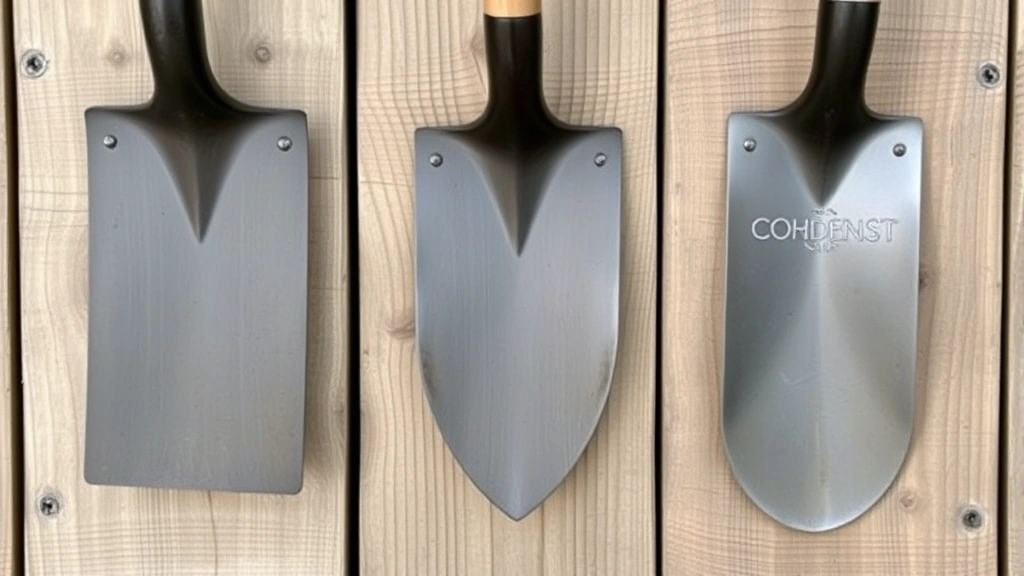
Standard Spades are the most versatile option for general gardening work. These feature a rectangular blade with a relatively flat surface, making them ideal for digging, edging, and turning soil. They’re excellent for moving compost, preparing beds, and creating clean lines in your garden borders.
Pointed Spades have a triangular or pointed blade that tapers toward the bottom. This design is particularly effective for breaking up compacted soil, penetrating hard ground, and digging in clay-heavy environments. If you’re working with challenging soil conditions, a pointed spade will give you better leverage and control.
Border Spades are smaller, more compact versions of standard spades. They’re perfect for detailed work, container gardening, and small-scale projects. Many gardeners appreciate border spades for working in confined spaces and for those with smaller frames who find full-sized spades unwieldy.
Transplanting Spades feature a long, narrow blade specifically designed for digging around root systems and moving established plants. When gardening with native plants that require relocation, a transplanting spade is invaluable for preserving root integrity.
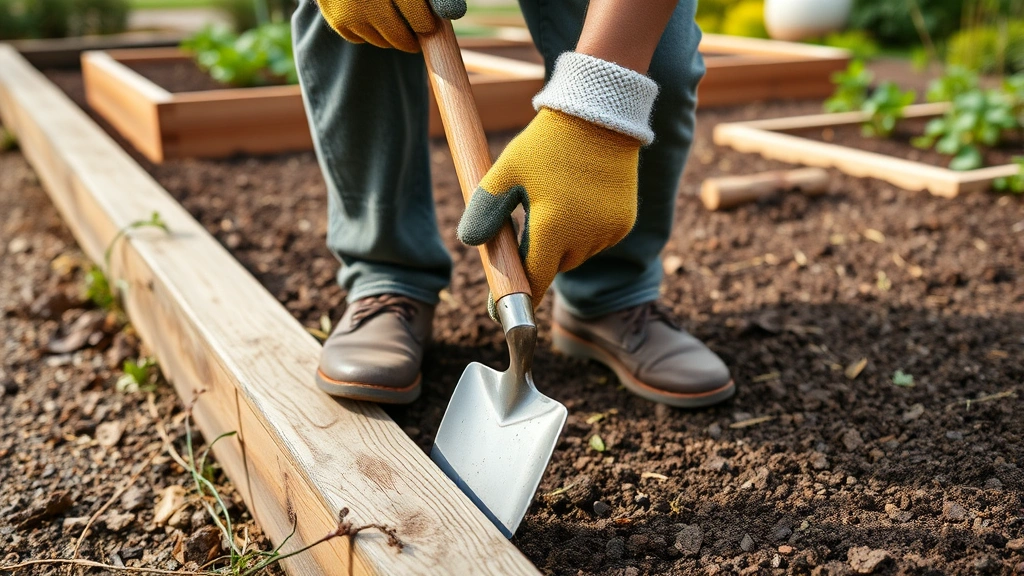
Edging Spades have a sharp, flat blade with a distinctive D-shaped handle positioned at the top. These are specifically engineered for creating crisp, clean edges along garden beds and pathways. If you take pride in neat garden aesthetics, an edging spade is a worthwhile investment.
Blade Shape and Size Matters
The blade dimensions directly impact your spade’s functionality and your physical comfort during use. Standard spade blades typically measure between 7 to 8 inches wide and 10 to 12 inches deep. This size provides an excellent balance between surface area for moving soil and manageability for most gardeners.
Wider blades allow you to move more material with each scoop, reducing the number of repetitions needed for large projects. However, they also require more strength and can become fatiguing during extended use. Narrower blades demand more effort per scoop but offer better control and precision, especially valuable when working around existing plants.
The blade’s thickness and material composition significantly affect durability and performance. High-quality garden spades feature blades made from hardened steel or stainless steel. Hardened steel offers superior strength and edge retention, making it ideal for heavy-duty work in rocky or clay soil. Stainless steel resists rust and corrosion exceptionally well, though it’s typically more expensive and slightly less durable for extremely demanding tasks.
The blade’s curvature or flatness also influences performance. Slightly curved blades can provide additional leverage when digging, while completely flat blades excel at edging and creating uniform surfaces. Consider your primary gardening tasks when evaluating blade design.
Handle Materials and Ergonomics
The handle is where your spade connects with your body, making ergonomic design absolutely critical for comfort and injury prevention. Poor handle design can lead to blisters, calluses, and repetitive strain injuries.
Wood Handles remain popular among traditional gardeners. Quality wooden handles, typically made from ash or oak, provide excellent grip, absorb shock effectively, and feel comfortable in hand. However, they require regular maintenance to prevent splinters and cracking. Wooden handles can also absorb moisture, potentially leading to rot if not properly stored.
Fiberglass Handles offer durability and require minimal maintenance. They’re lighter than wood, resist moisture absorption, and won’t rot or splinter. Many modern gardeners prefer fiberglass for its longevity and low-maintenance characteristics. The downside is that fiberglass doesn’t absorb shock as effectively as wood, which can result in more vibration transfer to your hands and arms during use.
Metal Handles are typically aluminum or steel. They’re extremely durable and lightweight but can be cold to the touch and transmit significant vibration. Metal handles are less common in quality consumer spades but appear in some professional-grade tools.
Handle length should allow you to work with proper posture. Standard spade handles measure around 28 to 30 inches, though longer handles (up to 48 inches) are available for specific tasks. Your height matters—taller gardeners often benefit from longer handles that prevent excessive bending.
The handle grip design directly impacts control and comfort. D-shaped grips at the top of the handle provide excellent control and are particularly useful for edging work. T-shaped grips offer a more traditional feel and work well for general digging. Look for handles with textured surfaces or rubber coating to improve grip, especially when working with wet soil or when your hands are damp.
Weight Considerations
A spade’s total weight affects both performance and user fatigue. Lighter spades (under 4 pounds) reduce physical strain and are ideal for older gardeners, those with physical limitations, or anyone planning extended gardening sessions. However, lighter spades sometimes sacrifice durability and may feel less substantial when tackling tough soil.
Standard-weight spades (4 to 5 pounds) represent the sweet spot for most gardeners. They provide adequate heft for breaking through compacted soil while remaining manageable for extended use. This weight range suits the majority of gardening tasks effectively.
Heavier spades (over 5 pounds) excel at penetrating clay, rocky soil, and other challenging conditions. The additional weight provides momentum that helps drive the blade through difficult earth. However, heavier spades aren’t practical for those with limited strength or for prolonged work sessions.
Your physical condition and the specific soil you’ll be working with should guide your weight selection. If you’re uncertain, visiting a garden center to hold different spades and gauge how they feel is an excellent approach. What feels comfortable in your hands is what matters most.
Budget and Quality Balance
Garden spades range from budget-friendly options under $20 to premium tools exceeding $100. Understanding the relationship between price and quality helps you invest wisely.
Budget Options ($15-$35) can be adequate for light gardening and occasional use. However, these often feature thinner blades that bend under stress, poor handle construction, and minimal durability. If you’re a serious gardener planning regular use, budget options typically prove false economy.
Mid-Range Spades ($35-$65) offer excellent value for most home gardeners. These typically feature quality steel blades, durable handles, and reasonable warranties. Brands in this range usually balance affordability with functionality, making them ideal for serious hobbyists.
Premium Spades ($65-$120+) feature superior materials, exceptional craftsmanship, and often lifetime warranties. These tools are made to last decades and handle extreme conditions. If you’re a passionate gardener who uses your spade regularly, investing in premium quality pays dividends over time.
When evaluating price, consider the warranty offered. Reputable manufacturers stand behind their products with comprehensive warranties. A tool with a strong warranty typically indicates the manufacturer’s confidence in quality.
Maintenance and Care
Proper maintenance extends your spade’s lifespan and maintains performance. After each use, remove soil and debris by wiping the blade with a dry cloth. This simple step prevents rust and corrosion.
For seasonal maintenance, apply a thin coat of linseed oil to wooden handles to prevent drying and cracking. Clean the blade thoroughly and apply a light coat of machine oil or rust preventative to metal surfaces, especially before extended storage periods.
Store your spade in a dry location, ideally hung on a wall rather than leaning against a surface where moisture can accumulate. Keep the blade sharp by periodically using a metal file to maintain the edge. A sharp blade cuts through soil more efficiently, reducing strain and improving results.
If your spade blade becomes dented or damaged, address it promptly. Small dents can often be worked out with a rubber mallet, while significant damage may require professional repair or replacement.
Pro Tips for Maximum Performance
Beyond selecting the right spade, technique matters significantly. When digging, use your leg muscles rather than your back to drive the blade into soil. This stance protects your spine and allows you to leverage your body weight more effectively than relying solely on arm strength.
Keep your spade sharp. A dull blade requires significantly more effort to penetrate soil and can actually bend under pressure. Regular sharpening maintains efficiency and reduces physical strain.
Work when soil conditions are optimal. Freshly watered soil (not waterlogged) is easier to dig than either bone-dry or saturated earth. If you’re preparing beds for planting, consider working the soil the day after rain for ideal conditions.
For large projects like establishing a raised garden bed, break the work into manageable sessions rather than attempting everything at once. This approach reduces fatigue and injury risk while allowing you to maintain proper form throughout.
Combine your spade work with other essential tools. A quality garden hose makes it easier to water newly prepared beds, while proper edging techniques with your spade prevent pest issues like those addressed when you’re working to keep squirrels out of garden areas.
Consider using coffee grounds in garden soil after you’ve prepared it with your spade—these amendments improve soil structure and drainage after initial preparation work.
For advanced gardeners seeking technique refinement, resources like Garden Answers YouTube channel provide excellent video demonstrations of proper spade technique and soil preparation methods.
When selecting your garden spade, remember that this single tool will likely serve you for many seasons. Taking time to choose wisely—considering your physical capabilities, gardening goals, soil conditions, and budget—ensures you’ll have a reliable companion for countless gardening projects ahead.
FAQ
What’s the difference between a spade and a shovel?
A spade has a flat, rectangular blade designed for digging and edging, while a shovel features a curved blade optimized for scooping and moving loose materials. Spades excel at precision work and turning soil, whereas shovels are better for moving mulch, gravel, or compost.
How do I know if a spade handle is the right length?
When standing upright with the spade blade on the ground, the top of the handle should reach approximately to your chin or upper chest. This length allows proper posture and leverage without excessive bending.
Can I use one spade for all gardening tasks?
A standard garden spade handles most common tasks effectively. However, specialized spades like border spades for detailed work or transplanting spades for moving plants provide advantages for specific applications. Most gardeners can manage with one quality standard spade supplemented by one or two specialized options.
How often should I sharpen my garden spade?
Sharpen your spade annually or whenever you notice the blade becoming dull. A dull blade requires significantly more effort and can actually bend under pressure, potentially causing injury or damage to the tool.
What soil conditions are most challenging for spades?
Heavy clay soil and rocky ground present the greatest challenges. For these conditions, choose a heavier spade with a pointed blade and hardened steel construction. Working the soil after rain also helps considerably.
Is stainless steel worth the extra cost?
Stainless steel resists rust and corrosion exceptionally well, reducing maintenance requirements. If you live in a humid climate or near coastal areas, stainless steel’s longevity justifies the extra expense. For typical conditions, hardened steel offers excellent value.
Should I buy a spade set or individual tools?
Individual quality tools typically outlast and outperform budget spade sets. Investing in one excellent spade serves you better than purchasing a set of mediocre tools. As your gardening expands, you can add specialized spades as needed.


