Garden of the Gods: Insider’s Guide to Visit
Garden of the Gods stands as one of America’s most breathtaking natural landscapes, a sprawling 1,320-acre park nestled in Colorado Springs where towering red rock formations meet lush gardens and thriving ecosystems. This geological wonder attracts over two million visitors annually, each drawn to the dramatic crimson cliffs, hidden trails, and the remarkable Garden of the Gods Trading Post—a historic hub that has served visitors since 1921. Whether you’re a seasoned gardener seeking inspiration from native plant displays or a casual tourist exploring one of the nation’s most stunning public spaces, understanding what makes this destination special will transform your visit into an unforgettable experience.
The park’s unique appeal lies in its perfect marriage of natural geology and cultivated botanical beauty. From the moment you enter the gates, you’ll encounter carefully maintained gardens showcasing Colorado’s native flora, scenic vistas framed by 300-million-year-old sandstone formations, and the iconic Trading Post where local artisans and plant enthusiasts gather. This comprehensive guide will walk you through everything you need to know about maximizing your Garden of the Gods experience, from the best times to visit to insider tips about the Trading Post and surrounding attractions.
Understanding Garden of the Gods
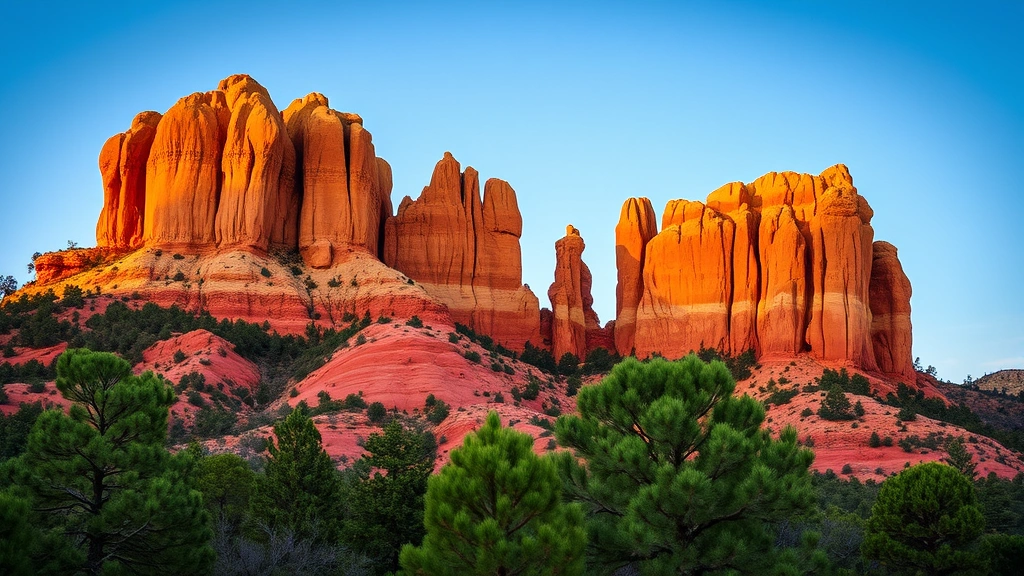
Garden of the Gods represents a convergence of natural beauty and human stewardship that few parks can match. Established as a public park in 1909, this Colorado Springs treasure encompasses diverse ecosystems ranging from lush gardens to high desert scrubland. The park’s red rock formations—including the famous Kissing Camels, Sleeping Giant, and Cathedral Spires—create an otherworldly backdrop that changes color throughout the day, from deep crimson at sunrise to golden orange at sunset.
The geological formations tell a story spanning hundreds of millions of years. These ancient Fountain Formation rocks were created during the Pennsylvanian Period and subsequently tilted by tectonic forces, creating the dramatic angles and heights that define the landscape. The park’s elevation of 6,000 feet means visitors experience Colorado’s high-altitude climate, which influences both the vegetation and the overall experience. Understanding this geological context enriches your appreciation of why the park earned its evocative name and why it continues to captivate visitors from around the world.
The park operates under careful management protocols designed to preserve its natural and cultural resources while accommodating the millions of annual visitors. The gardening philosophy applied here emphasizes native plants and sustainable landscaping practices, ensuring that cultivated areas complement rather than compete with the natural landscape. This approach has made Garden of the Gods a model for parks nationwide seeking to balance recreation with conservation.
The Historic Trading Post Experience
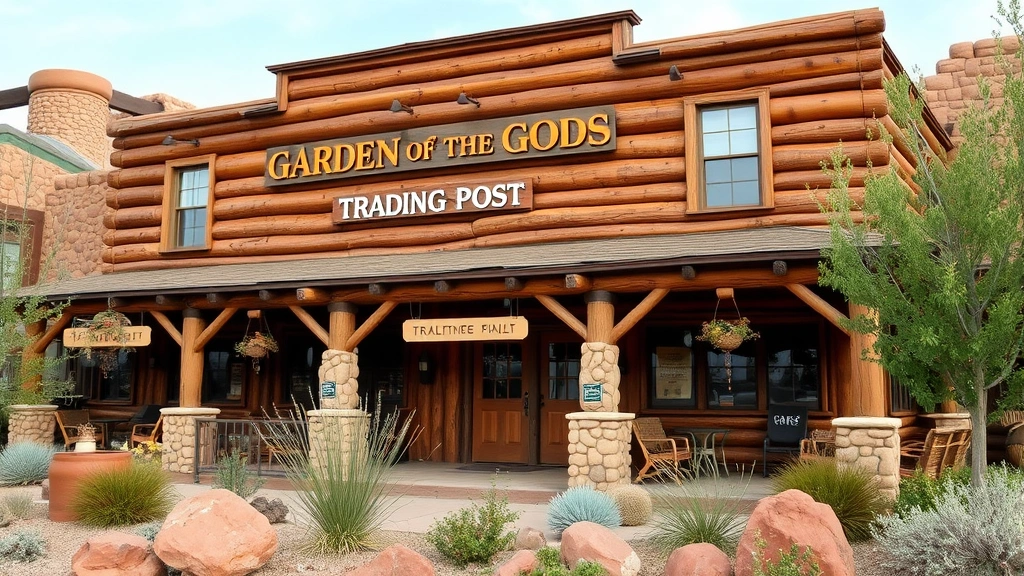
The Garden of the Gods Trading Post stands as the park’s cultural and commercial heart, a destination unto itself that has welcomed visitors for over a century. This iconic structure, built in 1921, originally served as a modest trading establishment where visitors could purchase local crafts and souvenirs. Today, it has evolved into a comprehensive visitor experience featuring retail shops, restaurants, galleries, and cultural exhibits while maintaining its historic charm and authentic character.
Walking through the Trading Post doors transports you back in time. The architecture reflects early twentieth-century Southwestern design, with wooden beams, stone accents, and period furnishings creating an atmosphere that feels both historical and welcoming. The Trading Post houses multiple vendor spaces showcasing local artisans, Native American craftspeople, and regional artists. You’ll find everything from hand-painted pottery to traditional jewelry, each piece telling stories of Colorado’s rich cultural heritage.
The retail component of the Trading Post extends beyond typical tourist merchandise. Specialty shops focus on regional products, including locally-sourced garden décor, native plant seeds, and horticultural supplies that reflect the area’s botanical character. If you’re interested in garden décor elements inspired by Colorado’s natural landscape, the Trading Post offers authentic options that integrate seamlessly with outdoor spaces. The Trading Post’s restaurant serves regional cuisine featuring local ingredients, providing an excellent opportunity to experience Colorado’s culinary traditions while enjoying views of the park’s dramatic formations.
Many visitors use the Trading Post as a planning hub before exploring the park. Staff members provide current trail conditions, weather updates, and recommendations based on your interests and physical abilities. Whether you’re seeking adventure or relaxation, the Trading Post team can guide you toward experiences matching your preferences. The Trading Post also hosts seasonal events, cultural demonstrations, and educational programs that deepen visitor understanding of the park’s significance.
Best Times to Visit Garden of the Gods
Timing your visit strategically significantly enhances your experience at Garden of the Gods. The park operates year-round, and each season offers distinct advantages and challenges. Spring, from March through May, brings moderate temperatures ranging from 50-70°F and the emergence of wildflowers throughout the park. This period is ideal for hiking and photography, as the landscape comes alive with color. However, spring weather can be unpredictable, with occasional late snowstorms, so layered clothing is essential.
Summer, from June through August, attracts the largest crowds. Temperatures range from 70-85°F during the day but can drop significantly at night due to the high elevation. Summer offers the longest daylight hours and the most stable weather patterns, making it perfect for extended explorations. However, afternoon thunderstorms are common, and the park becomes crowded, particularly on weekends. Early morning visits during summer beat both the heat and the crowds, allowing you to experience the park’s tranquility before peak tourist hours.
Fall, from September through November, is arguably the optimal visiting season. Temperatures range from 55-75°F, weather is generally stable, and crowds diminish considerably. The aspen trees create golden accents against the red rocks, and the crisp air makes hiking more comfortable. September remains warm with lingering summer conditions, while October and November bring cooler temperatures and occasional early snowfall at higher elevations within the park.
Winter visits, from December through February, require more preparation but offer unique rewards. Temperatures range from 20-45°F, and snow occasionally blankets the landscape, creating stunning photographic opportunities. Winter crowds are minimal, allowing for peaceful exploration. However, some trails may be icy or closed due to snow, and daylight hours are significantly shortened. If you visit during winter, check current conditions with park rangers before planning your activities.
Activities and Attractions Within the Park
Garden of the Gods offers extraordinary diversity in recreational activities, accommodating everyone from casual strollers to serious adventurers. The park’s trail system encompasses over 15 miles of maintained paths ranging from easy, accessible routes to challenging technical climbs. The Perkins Garden Trail provides a gentle, wheelchair-accessible introduction to the park’s features, while the Kissing Camels Trail offers moderate hiking with stunning vistas. For experienced hikers seeking challenge, the Cathedral Spires Trail presents steep elevation gains and technical terrain rewarding effort with panoramic views.
Rock climbing represents one of the park’s most distinctive activities, with hundreds of established routes attracting climbers of all skill levels. The park’s sandstone formations provide ideal climbing conditions, and numerous outfitters offer guided climbs and instruction for beginners. Whether you’re a novice seeking your first climbing experience or an experienced climber tackling challenging routes, Garden of the Gods accommodates diverse climbing abilities and aspirations.
Horseback riding through the park provides an alternative perspective on the landscape. Several local outfitters offer guided trail rides ranging from one-hour introductory rides to full-day adventures. Riding allows you to cover greater distances while enjoying a more relaxed pace than hiking. The park’s equestrian trails wind through scenic areas, offering photographic opportunities and a connection to Colorado’s ranching heritage.
Biking enthusiasts appreciate the park’s dedicated bike paths and multi-use trails. The park permits mountain biking on designated trails, providing opportunities for both leisurely family rides and challenging technical courses. Road biking is possible on park roads during designated hours, and the scenic routes offer stunning backdrops for cycling adventures.
Photography represents perhaps the most popular activity at Garden of the Gods. The dramatic landscape, changing light conditions, and varied perspectives create endless photographic possibilities. Professional photographers often visit during golden hour—shortly after sunrise or before sunset—when the red rocks display their most vibrant colors. Casual photographers find that even smartphone cameras capture the landscape’s grandeur, making the park accessible to visitors of all photographic skill levels.
Native Plants and Garden Features
Understanding the native vegetation enhances appreciation for Garden of the Gods’ ecological character. The park’s botanical composition reflects high-altitude Colorado’s unique climate and soil conditions. Ponderosa pines dominate higher elevations, their long needles and distinctive bark creating a characteristic appearance. These resilient trees thrive in the sandy, well-draining soils typical of the area. Douglas firs and white firs also populate the park’s upper reaches, creating cool, shaded microclimates that support diverse understory plants.
The park’s lower elevations feature scrubby vegetation adapted to drier conditions. Piñon pines, juniper trees, and various shrubby species create the high desert landscape characteristic of Colorado Springs’ surrounding terrain. These plants demonstrate remarkable adaptations to limited moisture availability, featuring small leaves, deep root systems, and waxy coatings that reduce water loss. Understanding these native plant adaptations provides insights applicable to your own gardening endeavors, particularly if you’re working in arid or semi-arid climates.
Wildflowers create seasonal spectacles throughout the park. Spring brings blooms of Indian paintbrush, penstemon, and columbine, while summer showcases marigolds, sunflowers, and various daisy species. Fall asters and goldenrod extend the floral display into autumn. These native wildflowers support pollinators including native bees, butterflies, and hummingbirds, creating a dynamic ecosystem that rewards careful observation.
The park’s cultivated gardens complement the natural landscape while educating visitors about Colorado’s botanical heritage. The Perkins Garden, located near the Trading Post, features native plants arranged in educational displays. These gardens demonstrate how native species can create beautiful, functional landscapes while requiring minimal supplemental water and maintenance once established. The gardens serve as outdoor classrooms where visitors learn principles applicable to their own yards and landscapes.
Planning Your Ideal Visit
Successful Garden of the Gods visits begin with thoughtful planning. Start by determining your primary interests—whether hiking, climbing, photography, cultural experiences, or simply enjoying scenic vistas. Your interests influence which areas of the park warrant extended exploration and which activities deserve priority time. If you’re combining park exploration with Trading Post experiences, allocate time for both activities, as each deserves dedicated attention.
Check current conditions before your visit. The park’s website and ranger stations provide real-time information about trail closures, weather forecasts, and crowd levels. During peak seasons, arriving early significantly improves your experience, as parking becomes limited and trails become crowded as the day progresses. Plan to arrive 30-60 minutes before sunrise if you’re visiting during summer, or shortly after opening during other seasons.
Prepare physically appropriate gear for your chosen activities. Comfortable, broken-in hiking boots are essential for trail exploration. Bring plenty of water—the high elevation and dry climate combine to increase dehydration risk. The park’s elevation means sunburn occurs rapidly, so sunscreen with at least SPF 30 is non-negotiable. Weather can change rapidly at high elevation, so bring layers even if forecasts predict clear conditions.
If you’re interested in the horticultural aspects of your visit, consider bringing a wildflower identification guide or downloading a plant identification app. These resources enhance your appreciation of the botanical diversity you’ll encounter. You might also research which plants are currently blooming, allowing you to time your visit to coincide with specific wildflower displays or seasonal botanical features.
Consider visiting the official Garden of the Gods website for detailed visitor information, current conditions, and special events. The USDA Plants Database provides comprehensive information about plant species found throughout the park. For regional horticultural expertise, contact the Colorado State University Extension Office, which offers gardening resources specific to the region.
If you’re planning to visit during winter or challenging weather conditions, consult with American Hiking Society resources for safety guidelines and best practices. Understanding how to hike safely in various conditions ensures your Garden of the Gods experience remains both enjoyable and secure.
Many visitors benefit from guided experiences, particularly first-time visitors or those seeking specialized knowledge. The park offers ranger-led programs addressing diverse topics including geology, ecology, and cultural history. Private guide services provide personalized experiences tailored to specific interests. Whether you choose independent exploration or guided experiences, the park accommodates diverse preferences and comfort levels.
If you’re a gardener interested in applying Colorado’s native plant principles to your own landscape, the Trading Post and nearby nurseries offer native plants adapted to local conditions. Many establishments provide guidance on selecting and cultivating species that thrive in your specific microclimate. This hands-on approach transforms your visit into a learning opportunity applicable to your home gardening projects.
Transportation planning deserves consideration, particularly during peak seasons. The park provides ample parking, but arriving early ensures convenient spaces. If you’re visiting with mobility limitations, accessible parking near key trailheads and the Trading Post ensures comfortable access to major attractions. The park also offers shuttle services during peak seasons, providing transportation between popular areas and reducing parking pressures.
Frequently Asked Questions
What is the best time to visit Garden of the Gods?
Fall, particularly September through October, offers ideal conditions with moderate temperatures, stable weather, and minimal crowds. Summer provides the longest daylight hours and most predictable conditions but attracts peak crowds. Spring brings wildflower blooms, while winter offers solitude and unique photographic opportunities for prepared visitors.
Is there an entrance fee for Garden of the Gods?
Garden of the Gods is a free, publicly accessible park. No entrance fee is required. However, certain activities like rock climbing instruction, horseback riding, or specialized services may involve costs from private vendors operating within the park.
Can I bring my dog to Garden of the Gods?
Yes, dogs are permitted on most park trails and areas, but they must remain on-leash at all times. This policy protects wildlife and ensures safe experiences for all visitors. Designated off-leash dog areas exist within the park for those seeking more freedom for their pets.
What should I bring when visiting?
Essential items include plenty of water (at least 2-3 liters per person), sunscreen with SPF 30 or higher, comfortable hiking boots, a hat for sun protection, and layers for temperature changes. Bring a camera or smartphone for photography. A trail map or GPS device helps navigation, particularly on less-traveled paths.
Are there restaurants or facilities at the Trading Post?
Yes, the Trading Post includes restaurants serving regional cuisine, retail shops featuring local products and art, and visitor services including information and restroom facilities. Additional amenities are available in nearby Colorado Springs, just minutes from the park.
Can I grow plants similar to those at Garden of the Gods in my own garden?
Absolutely. Many native species featured in the park thrive in Colorado gardens with appropriate site selection and initial establishment care. Local nurseries stock plants adapted to the region’s climate. Your local extension office provides guidance on selecting and cultivating native species suited to your specific location and conditions.
Is climbing experience required to visit the rock formations?
No. While rock climbing is available for experienced climbers and those seeking instruction, the park offers numerous trails providing access to the formations’ bases and surrounding areas. You can appreciate the geological formations through hiking, photography, and scenic viewing without climbing experience.
What accessibility features does the park provide?
The park includes wheelchair-accessible trails like the Perkins Garden Trail, accessible parking near major attractions, and accessible facilities including restrooms. Ranger stations provide information about the most accessible routes and services. Contact park management for specific accessibility questions or needs.
How long should I plan for my visit?
A satisfactory visit requires minimum 2-3 hours for casual exploration and Trading Post browsing. Serious hikers or rock climbers may spend full days. Many visitors return multiple times to experience different trails, seasons, and activities, as the park’s diversity supports extended exploration.
Can I use specialized equipment like garden gloves or other gear during climbing or hiking?
Yes, appropriate equipment enhances safety and comfort. Climbing requires specific climbing gloves and protective gear. Hiking benefits from quality durable outdoor equipment. Ensure all gear is properly maintained and appropriate for your specific activities and experience level.


