Garden of Life Protein Powder: A Nutritionist’s Comprehensive Review
Garden of Life has established itself as a prominent player in the organic and plant-based supplement industry, offering protein powders that appeal to health-conscious consumers seeking natural alternatives to conventional options. Their protein formulations emphasize whole-food ingredients, minimal processing, and nutrient density—principles that resonate with gardeners and wellness enthusiasts alike who understand the value of working with nature rather than against it. This comprehensive review examines the nutritional profile, ingredient quality, effectiveness, and overall value proposition of Garden of Life protein products.
Whether you’re fueling your body after physical labor in the garden or seeking a nutritional boost to support your wellness goals, understanding what’s actually in your protein powder matters significantly. Garden of Life positions itself as a transparent, quality-focused brand, but does the product deliver on these promises? We’ll explore the science, the ingredients, and what real users report about this popular supplement line.
Brand Overview and Philosophy
Garden of Life operates under the philosophy that supplements should mirror the nutritional complexity found in whole foods rather than relying on isolated synthetic compounds. Founded in 1995, the company has built a reputation around transparency, third-party testing, and commitment to organic certification. This approach parallels the principles many gardeners embrace when preparing garden soil for a thriving garden—working with natural systems and building from quality foundations.
The brand’s protein powder lines include Raw Organic Protein, Meal Replacement Protein, and Sport protein formulations, each targeting different consumer needs. They’ve invested significantly in sustainability certifications and non-GMO verification, demonstrating commitment beyond basic regulatory compliance. For consumers who spend time nurturing plants and understanding nutrient cycling in soil, this philosophical alignment often resonates strongly.
Nutritional Profile Analysis
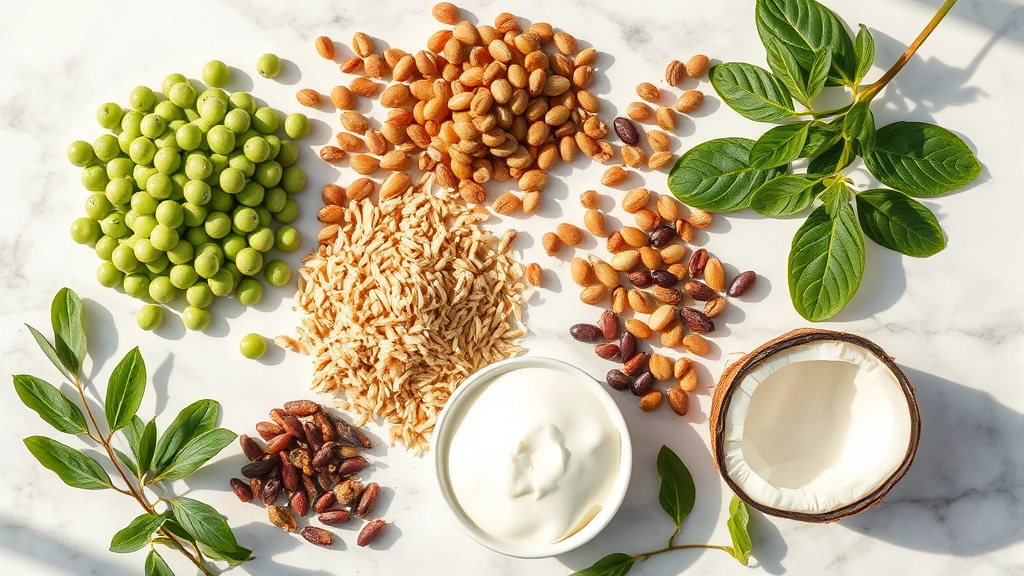
Garden of Life’s Raw Organic Protein typically delivers 20-22 grams of protein per serving, derived from a blend of sprouted plant sources including pea, sprouted brown rice, and legume proteins. The amino acid profile is relatively complete for a plant-based option, though it may not provide optimal ratios of all essential amino acids compared to animal-based proteins. This matters if you’re using protein powder to support muscle recovery after intensive gardening activities or strength training.
The carbohydrate content ranges from 5-7 grams per serving depending on the flavor and formulation, making these products suitable for those monitoring carbohydrate intake. Fat content is minimal at 1-2 grams, primarily from the sprouted seeds and grains included in the blend. Caloric density typically sits around 120-140 calories per serving, making it relatively light compared to meal replacement formulations.
Micronutrient fortification includes added vitamins and minerals, particularly B vitamins, iron, and calcium—nutrients that support energy production and bone health. The inclusion of probiotics and enzymes in some formulations addresses digestive support, which proves particularly valuable for individuals with sensitive digestive systems. When you understand the importance of biological health in best soil for a garden bed, appreciating probiotic-inclusive formulations becomes intuitive.
Ingredient Quality and Sourcing
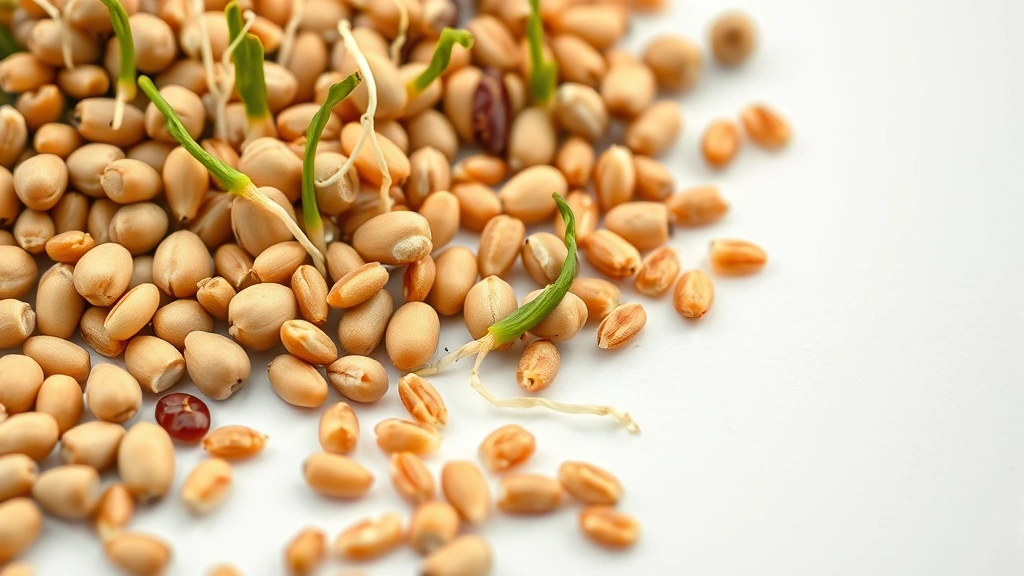
Garden of Life utilizes sprouted grains and legumes rather than raw or roasted versions, a distinction with meaningful nutritional implications. Sprouting increases bioavailability of minerals, reduces anti-nutrients like phytic acid, and enhances enzyme activity. This processing method requires more sophisticated manufacturing compared to standard protein powder production, reflecting the brand’s premium positioning.
The organic certification ensures that protein sources haven’t been treated with synthetic pesticides or fertilizers—a commitment that appeals to gardeners familiar with organic cultivation practices. Their non-GMO Project verification adds another layer of assurance for consumers concerned about genetic modification. However, it’s worth noting that organic certification doesn’t automatically guarantee superior nutritional content; it primarily addresses production methodology.
Flavor profiles in Garden of Life products are typically achieved through natural sweeteners rather than artificial options. Many formulations use stevia and monk fruit extract, though some products include organic cane sugar. The inclusion of whole-food flavor sources like cocoa, vanilla, and fruit powders distinguishes them from competitors relying on artificial flavoring agents. This commitment to ingredient transparency and natural sourcing aligns with the values of gardeners who understand the importance of clean inputs in the systems they manage.
Taste and Mixability
User feedback on taste varies considerably across Garden of Life’s protein line. The Raw Organic Protein, in particular, tends toward an earthy flavor profile that some describe as grassy or herbal—a natural consequence of sprouted grain and legume bases. This taste characteristic doesn’t appeal universally; those accustomed to highly sweetened conventional protein powders often find it challenging to adjust initially.
Vanilla and chocolate varieties perform better in consumer taste ratings, though they still maintain a noticeably different flavor signature compared to mainstream brands. Chocolate Cacao and Vanilla flavors tend to mask the underlying plant-based taste more effectively. Mixing these powders requires adequate liquid—typically 10-12 ounces of water or plant milk—and benefits from blending rather than simple shaking, as the sprouted ingredients don’t dissolve as readily as isolated whey proteins.
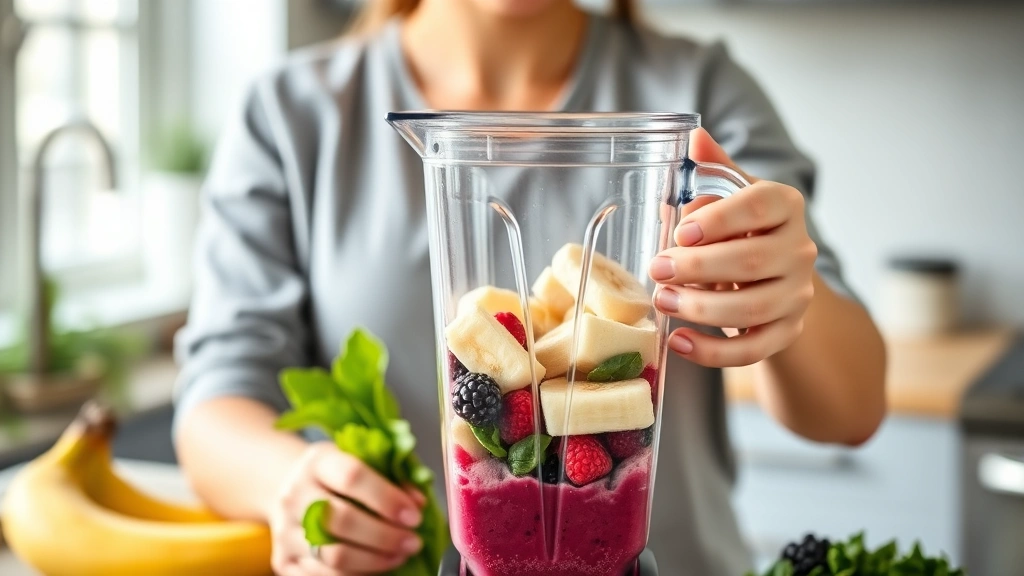
The thicker consistency that results can actually prove advantageous for creating satisfying smoothies, particularly when you’re making a raised garden bed project and need sustained energy throughout the day. Adding frozen fruit, nut butters, or leafy greens creates substantial breakfast or post-workout beverages rather than thin, watery drinks.
Digestibility and Gut Health
One of Garden of Life’s strongest selling points centers on digestive compatibility. The sprouting process substantially reduces oligosaccharides and other compounds that cause bloating and gas in sensitive individuals. Many consumers report significantly fewer digestive complaints compared to conventional plant-based proteins, which often trigger uncomfortable gastrointestinal responses.
The inclusion of probiotics (particularly in their Meal Replacement formulations) and added digestive enzymes provides additional support for nutrient absorption and gut comfort. These additions reflect an understanding that protein powder efficacy depends not just on protein content but on your body’s ability to digest and utilize that protein effectively. For individuals with compromised digestive function or food sensitivities, this approach proves substantially more practical than cheaper alternatives.
However, some users with severe legume sensitivities or specific digestive conditions may still experience reactions, as the sprouting process doesn’t eliminate all potentially problematic compounds. Those with pea protein allergies or severe FODMAP sensitivities should approach cautiously and perhaps consult healthcare providers before regular use.
Price Point and Value
Garden of Life protein powders occupy the premium segment of the supplement market, typically priced at $45-65 for a 10-serving container or $1.50-3.00 per serving depending on retailer and specific product line. This represents significant premium over mainstream brands like Optimum Nutrition or Isopure, which cost 50-75% less per serving. The question becomes whether the quality differences justify this price differential.
When evaluating value, consider that you’re paying for organic certification, sprouted ingredients, third-party testing, probiotic inclusion, and a brand with established transparency practices. These elements have genuine costs in manufacturing and quality control. For budget-conscious consumers, the premium may prove difficult to justify, particularly if digestive sensitivity isn’t a primary concern. However, for those with sensitive systems or strong preferences for organic products, the investment often pays dividends through improved tolerance and better results.
Subscription options through their official website typically provide 15-20% discounts, making regular consumption more economical. Buying in bulk from warehouse retailers occasionally yields modest savings, though selection may be limited compared to specialty health retailers.
Comparison with Competitors
Within the premium organic plant-based protein space, Garden of Life faces competition from brands like Orgain, Vega, and Sunwarrior. Orgain offers comparable organic certification at slightly lower price points but uses fewer sprouted ingredients. Vega emphasizes comprehensive amino acid profiles and includes additional nutrient fortification, appealing to athletes seeking maximum performance benefits. Sunwarrior focuses on raw, minimally processed formulations, similar to Garden of Life’s philosophy.
Compared to conventional whey-based proteins like Optimum Nutrition Gold Standard, Garden of Life delivers superior ingredient transparency and organic certification but typically provides less protein per serving (20g versus 24g) and costs substantially more. For those prioritizing maximum protein intake and cost efficiency, conventional options remain superior. For those prioritizing ingredient quality and digestibility, Garden of Life’s premium positioning becomes more defensible.
The sprouted ingredient advantage represents Garden of Life’s most distinctive feature compared to competitors. This processing method genuinely improves bioavailability and digestibility in ways that merit consideration, even if the taste requires adjustment. It’s similar to understanding why using coffee grounds in your garden provides benefits beyond simple fertilization—the processing and application method matter significantly.
Potential Drawbacks
Several legitimate criticisms warrant consideration before purchasing. First, the protein content per serving lags behind many competitors—20-22 grams represents the lower end of what serious athletes typically seek. For muscle-building goals, you might need to consume larger quantities or supplement with additional protein sources. Second, the taste profile, while improving with flavored varieties, remains noticeably different from mainstream products, creating an adjustment period for new users.
Third, the premium price point makes regular consumption expensive for budget-conscious individuals. A month’s supply can easily exceed $150-200 depending on serving frequency and product line selection. For those simply seeking basic protein supplementation without specific digestive concerns, this cost differential lacks justification. Fourth, while sprouted ingredients offer advantages, they don’t fundamentally alter amino acid completeness—plant-based proteins still require strategic combination or supplementation of certain amino acids for optimal muscle protein synthesis.
Fifth, some formulations include added sugars (though minimal) or stevia, which certain individuals prefer to avoid. Reading labels carefully proves essential, as different product lines contain varying sweetener profiles. Sixth, the brand’s premium positioning occasionally creates perception gaps—the product quality genuinely justifies some premium, but not necessarily the full price differential compared to quality competitors.
Finally, like all plant-based proteins, Garden of Life lacks the complete amino acid profile and optimal ratios of animal-based options. For maximum muscle protein synthesis efficiency, whey, casein, or animal-based alternatives remain superior, though the gap narrows considerably with strategic nutritional approaches to plant-based living.
FAQ
Is Garden of Life protein powder suitable for vegans and vegetarians?
Yes, Garden of Life’s plant-based protein powders are entirely vegan and vegetarian-friendly, containing no animal-derived ingredients. The sprouted plant sources (pea, brown rice, legumes) provide the complete protein base. Always verify specific product formulations, as some specialty lines may contain different ingredients.
How does Garden of Life protein compare to whey protein nutritionally?
Whey protein typically provides more protein per serving (24-30g versus 20-22g) with superior amino acid ratios and bioavailability. Garden of Life excels in ingredient transparency, digestibility, and organic certification. The choice depends on whether you prioritize maximum protein content or ingredient quality and sourcing.
Can individuals with allergies safely use Garden of Life protein?
Most formulations are free from major allergens like dairy, soy, and tree nuts, though they contain peas and legumes. Those with pea protein sensitivities should avoid these products. Always review labels thoroughly and consult healthcare providers if you have specific allergies or sensitivities.
Does Garden of Life protein powder support weight loss goals?
The relatively low calorie content (120-140 calories per serving) and moderate protein levels can support weight loss when incorporated into a calorie-controlled diet. However, the protein content isn’t maximized for satiety compared to higher-protein alternatives. Using it as part of a balanced nutritional strategy works well, but it shouldn’t be your only protein source during weight loss phases.
How should Garden of Life protein be stored?
Store in a cool, dry location away from direct sunlight and moisture. Once opened, consume within 2-3 weeks for optimal freshness and to prevent moisture absorption. The sprouted ingredients in these formulations are more susceptible to degradation than conventional proteins, making proper storage particularly important.
Is third-party testing verification important for protein powders?
Yes, third-party testing through organizations like NSF International or Informed Choice provides independent verification of ingredient accuracy and contamination screening. Garden of Life’s commitment to testing adds credibility, though understand that testing standards vary across certifying organizations.
Can athletes use Garden of Life protein for muscle building?
While Garden of Life can support muscle-building goals through adequate protein intake, the 20-22 gram per serving falls below optimal ranges for serious athletes. Combining it with whole-food protein sources or supplementing with additional protein sources becomes necessary for maximizing muscle protein synthesis, particularly post-workout.


