Garden City GA: Local Planting Tips and Tricks for Year-Round Success
Garden City, Georgia, situated in Chatham County near Savannah, offers gardeners a unique subtropical climate with distinct seasonal opportunities. This charming community experiences mild winters, hot humid summers, and an extended growing season that makes it an ideal location for both novice and experienced gardeners. Understanding the local climate patterns, soil composition, and regional plant preferences is essential for creating a thriving garden that produces beautiful flowers, vegetables, and herbs throughout the year.
Whether you’re planning your first raised bed or maintaining an established landscape, Garden City’s growing conditions present both advantages and challenges. The area’s USDA hardiness zone (8b) supports a wide variety of plants, while the sandy loam soil common to the region requires specific amendments and care strategies. This comprehensive guide will help you master the art of gardening in Garden City, GA, providing practical tips that respect the local environment while maximizing your harvest and ornamental displays.
Understanding Garden City’s Climate and Hardiness Zone
Garden City, Georgia falls within USDA hardiness zone 8b, characterized by average minimum winter temperatures between 15-20 degrees Fahrenheit. This classification significantly influences which plants will thrive in your garden year-round. The area experiences a subtropical climate with four distinct seasons, though winters remain relatively mild compared to northern states. Spring arrives early, typically in late February or early March, while fall extends well into November.
The average first frost date in Garden City occurs around April 15th in spring, and the final frost typically arrives around November 1st in fall. This extended growing season—approximately 200 frost-free days—allows gardeners to cultivate both cool-season and warm-season crops. Summer temperatures regularly exceed 90 degrees Fahrenheit with high humidity levels, creating conditions that favor heat-loving plants but require careful attention to irrigation and shade management.
Understanding these climate patterns helps you plan your garden calendar strategically. The region receives approximately 48 inches of annual rainfall, though distribution is uneven throughout the year. Spring and summer months tend to be wetter, while late summer and fall can experience drought conditions. This variability makes implementing proper garden irrigation systems essential for consistent plant performance.
Soil Preparation and Amendment Strategies
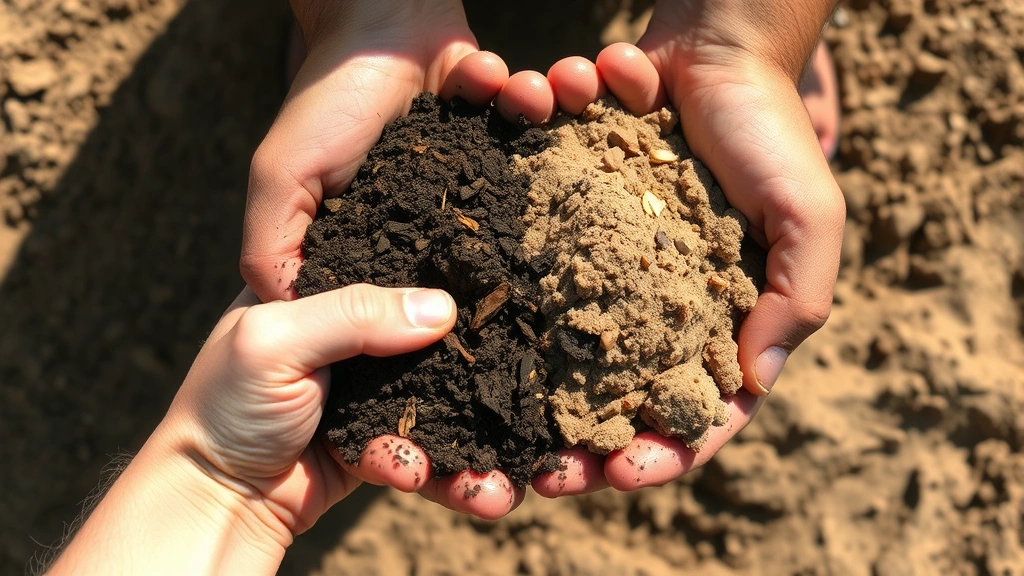
Garden City’s native soil composition typically consists of sandy loam with varying degrees of clay content depending on your specific location. This soil type drains quickly, which benefits root development but can lead to rapid nutrient leaching during heavy rain or frequent watering. Before establishing your garden, conduct a soil test through the University of Georgia Extension Service, which provides detailed analysis and recommendations tailored to your property.
The foundation of successful gardening in Garden City begins with proper soil preparation for thriving gardens. Most local soils benefit significantly from incorporating 2-3 inches of well-aged compost or aged pine bark into the top 8-12 inches of soil. This amendment increases organic matter content, improves water retention, enhances nutrient availability, and promotes beneficial microbial activity. Organic matter is particularly important in sandy soils common to Garden City, as it acts like a sponge, holding moisture and nutrients that would otherwise drain away.
pH levels in Garden City soils often range from 5.5 to 7.0, which is generally favorable for most vegetables and ornamentals. However, blueberries and azaleas prefer more acidic conditions (4.5-5.5), while some herbs and vegetables perform better in slightly neutral to alkaline soil (6.5-7.5). If growing specialty plants, adjust soil pH by adding sulfur to lower pH or lime to raise it, following specific recommendations from your soil test results.
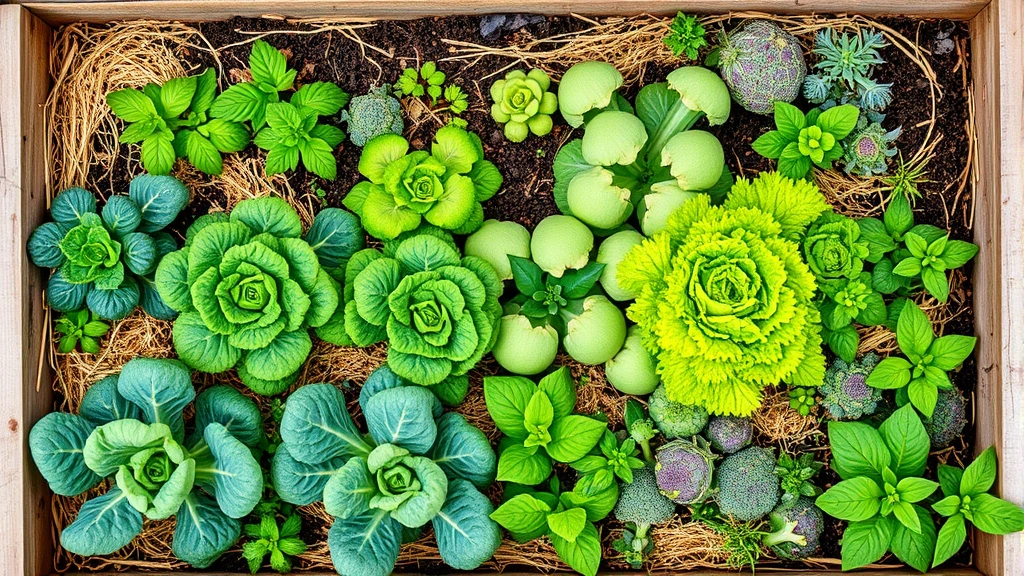
Raised beds and container gardening offer excellent alternatives for gardeners dealing with poor native soil. Constructing raised beds filled with quality garden soil mix allows you to bypass many local soil challenges while providing superior drainage and easier maintenance. A well-designed vegetable garden layout incorporating raised beds can maximize your growing space while accommodating seasonal crop rotations.
Spring Planting Guide for Garden City Gardeners
Spring represents the most exciting planting season for Garden City gardeners, with opportunities beginning as early as February. Cool-season crops like lettuce, spinach, kale, peas, and broccoli can be direct-seeded in late January or early February, taking advantage of the mild winter temperatures before the April frost date passes. These crops thrive in temperatures between 50-70 degrees Fahrenheit and typically reach maturity within 45-60 days.
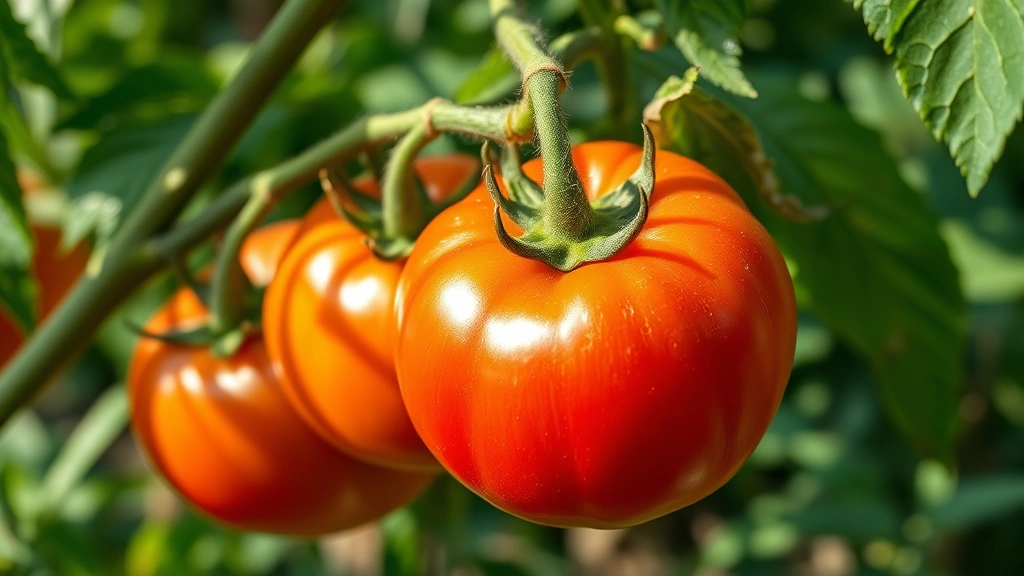
Warm-season vegetables should wait until after the average last frost date of April 15th, though experienced gardeners often plant 7-10 days earlier if weather patterns appear favorable. Tomatoes, peppers, squash, beans, and cucumbers are classic warm-season choices that perform exceptionally well in Garden City. Start seeds indoors 6-8 weeks before transplanting, or purchase established transplants from local nurseries familiar with regional varieties.
Spring is also ideal for planting perennial flowers, shrubs, and trees that establish stronger root systems when planted during the cooler months. Native plants like coreopsis, black-eyed Susans, and serviceberry adapt particularly well to Garden City conditions and support local pollinators. Consider incorporating native species into your landscape for reduced maintenance and increased ecological benefits.
Early Spring Tasks (February-March):
- Prune dormant shrubs and trees before new growth emerges
- Apply pre-emergent herbicides to prevent spring weeds
- Direct-seed cool-season crops in prepared beds
- Start warm-season vegetable seeds indoors
- Mulch around plants to regulate soil temperature
Summer Vegetables and Heat Management
Summer gardening in Garden City requires strategic planning to manage intense heat and humidity. While many vegetables struggle in temperatures above 85-90 degrees Fahrenheit, certain varieties thrive in hot conditions. Okra, southern peas (black-eyed peas, crowder peas, purple hulls), sweet potato, Armenian cucumber, and heat-tolerant pepper varieties flourish during Garden City summers.
To succeed with heat-sensitive crops during summer months, implement shade strategies using 30-50% shade cloth during peak summer heat (June-August). Morning sun combined with afternoon shade helps many cool-season crops survive and produce through summer. Lettuce, spinach, and peas can be grown under shade cloth for continuous harvests, though yields remain lower than spring production.
Water management becomes critical during summer months, as high temperatures increase evaporation rates significantly. Irrigate deeply and consistently, aiming for 1-1.5 inches of water weekly through rainfall and supplemental watering. Drip irrigation or soaker hoses deliver water directly to root zones, minimizing waste and reducing fungal disease pressure compared to overhead watering.
Mulching proves invaluable during summer, maintaining soil moisture, regulating root-zone temperature, and reducing weeds. Apply 2-3 inches of organic mulch (pine straw, wood chips) around plants, keeping mulch pulled back several inches from plant stems to prevent rot and pest problems.
Fall and Winter Planting Opportunities
Fall represents another excellent planting season in Garden City, extending your growing season well into winter. The cooler temperatures, moderate rainfall, and reduced pest pressure make fall ideal for establishing cool-season crops that mature during mild winter months. Begin fall planting around mid-August for crops maturing before the November 1st frost date.
Excellent fall vegetables for Garden City include broccoli, cabbage, cauliflower, Brussels sprouts, kale, collards, mustard greens, turnips, and radishes. These crops tolerate light frosts and often develop sweeter flavors after experiencing cool temperatures. Garlic planted in October and November establishes roots through winter, emerging vigorously in spring for summer harvest.
Winter gardening in Garden City rarely requires frost protection, though occasional hard freezes may damage tender plants. A lightweight frost cloth provides adequate protection for susceptible crops. Many gardeners successfully maintain fresh greens through winter by utilizing row covers or cold frames, extending the harvest season substantially.
Ornamental plantings benefit from fall establishment as well. Trees, shrubs, and perennials planted in fall develop strong root systems through winter, preparing them for vigorous spring growth. The cooler temperatures and increased rainfall reduce transplant stress compared to spring planting in some cases.
Growing Herbs in Garden City’s Climate
Garden City’s climate supports an impressive variety of herbs year-round, making it an excellent location for developing a productive herb garden. Tender annual herbs like basil, cilantro, and dill thrive during warm months, while hardy perennials like rosemary, thyme, oregano, and sage tolerate winter conditions beautifully.
Basil represents the quintessential summer herb, producing abundantly from June through October when grown in full sun and warm soil. Plant basil after the April frost date and provide consistent moisture for best performance. Pinch off flower buds to encourage continued leaf production throughout the season.
Rosemary, thyme, sage, and oregano are Mediterranean herbs that thrive in Garden City’s well-drained soils and tolerate the hot, humid summers. These perennial herbs often survive winter outdoors in Garden City, though severe freezes may damage foliage. Plant them in raised beds or containers with excellent drainage to prevent root rot during wet winters.
Cilantro and dill prefer cooler temperatures and bolt quickly during summer heat. Direct-seed these herbs in early spring and again in mid-August for fall harvest. Many gardeners succession-plant cilantro every 2-3 weeks from February through April to ensure continuous supply before summer heat terminates production.
Mint grows vigorously in Garden City and can become invasive if not contained. Plant mint in containers or isolated beds with physical barriers to prevent spreading. Chocolate mint, apple mint, and peppermint all perform well and provide interesting flavor variations for tea and culinary uses.
Pest and Disease Management for the Region
Garden City’s warm, humid climate creates favorable conditions for various pests and fungal diseases that gardeners must actively manage. Common insect pests include spider mites, aphids, whiteflies, hornworms, and Japanese beetles. Monitoring plants regularly and identifying problems early allows for targeted treatment before populations explode.
Fungal diseases such as powdery mildew, leaf spot, and root rot thrive in Garden City’s humid conditions, particularly during summer months and wet periods. Improve air circulation by spacing plants appropriately and pruning lower foliage to reduce disease pressure. Water at soil level rather than overhead to keep foliage dry, significantly reducing fungal infections.
Integrated pest management (IPM) approaches work exceptionally well in Garden City gardens. Begin with cultural practices like crop rotation, resistant variety selection, and sanitation. Encourage beneficial insects by planting native flowers and avoiding broad-spectrum pesticides. When pest populations require intervention, start with the least toxic options like insecticidal soap, neem oil, or targeted organic pesticides.
The University of Georgia Extension Service provides excellent resources for identifying pests and diseases specific to the region, along with recommended management strategies. Local extension agents can diagnose problems and suggest solutions tailored to Garden City conditions.
Watering Schedules and Irrigation Tips
Proper irrigation management distinguishes successful Garden City gardens from struggling ones. While annual rainfall averages 48 inches, distribution proves inconsistent, and sandy soils drain quickly. Establishing reliable watering practices ensures consistent plant performance throughout the growing season.
Vegetable gardens typically require 1-1.5 inches of water weekly during the growing season, whether from rainfall or supplemental irrigation. Drip irrigation systems deliver water efficiently directly to plant roots, reducing waste and disease pressure compared to overhead sprinklers. Soaker hoses offer a budget-friendly alternative for raised beds and vegetable gardens.
Morning watering proves superior to evening watering, as it allows foliage to dry quickly, reducing fungal disease risk. Deep, infrequent watering encourages deeper root development and more drought-tolerant plants compared to frequent shallow watering. Apply water slowly to allow soil penetration rather than surface runoff.
Container plants require more frequent watering than in-ground gardens, particularly during summer heat. Check container soil moisture daily and water when the top inch feels dry. Mulching containers helps retain moisture and reduces watering frequency.
Rainfall collection systems provide sustainable water sources for Garden City gardens. A simple rain barrel attached to gutter downspouts captures abundant water during spring and summer months for use during drier periods. This practice reduces municipal water usage while providing chemical-free water for plants.
FAQ
What is the best time to start a vegetable garden in Garden City, GA?
Spring (late February through April) and fall (mid-August through October) represent the best planting seasons in Garden City. Spring allows cool-season crops to mature before summer heat, while fall extends the growing season into mild winter months. Summer gardening is possible but requires heat-tolerant varieties and shade management strategies.
Which vegetables grow best in Garden City’s climate?
Cool-season crops like lettuce, broccoli, kale, and peas thrive in spring and fall. Summer gardens do well with tomatoes, peppers, squash, beans, and cucumbers. Heat-loving crops including okra, southern peas, and Armenian cucumber flourish during summer months. Refer to the easy-to-grow vegetables guide for beginner-friendly options.
Do I need to amend Garden City soil before planting?
Yes, incorporating 2-3 inches of compost or aged pine bark significantly improves Garden City’s naturally sandy soils. This amendment increases water retention, adds nutrients, and promotes beneficial soil organisms. Conduct a soil test through the University of Georgia Extension Service to determine specific needs for your property.
How often should I water my Garden City garden?
Most gardens require 1-1.5 inches of water weekly during the growing season. Sandy soils drain quickly, so more frequent watering may be necessary. Drip irrigation provides efficient, consistent moisture delivery. Water deeply rather than frequently to encourage deeper root development and drought tolerance.
What pest problems are common in Garden City gardens?
Spider mites, aphids, whiteflies, and hornworms commonly affect vegetables. Fungal diseases like powdery mildew and leaf spot thrive in humid conditions. Integrated pest management practices, including monitoring, resistant varieties, and encouraging beneficial insects, effectively manage most problems without heavy pesticide use.
Can I garden year-round in Garden City?
Yes, Garden City’s mild winters and extended growing season support year-round gardening. Cool-season crops survive winter outdoors, while hardy herbs like rosemary and thyme persist through freezes. Frost cloth provides protection during occasional hard freezes, allowing tender plants to survive.
Where can I find local gardening resources for Garden City?
The University of Georgia Extension Service provides region-specific guidance and soil testing services. The Georgia Master Gardeners Association offers local expertise and community support. Savannah Botanical Garden demonstrates appropriate plants for the coastal Georgia region.
Should I use raised beds or in-ground gardens in Garden City?
Both approaches work well in Garden City. Raised beds offer advantages like improved drainage, warmer soil in spring, and easier maintenance, though they require more initial investment. In-ground gardens utilize native soil (after amendment) and work well for larger plantings. Many successful gardens combine both approaches, using raised beds for vegetables and in-ground plantings for ornamentals and perennials.


