Best Small Garden Chairs? Designer Picks for Every Gardener
When you spend hours tending to your plants, weeding beds, and planning your next vegetable garden layout, comfort becomes essential. Small garden chairs aren’t just functional seating—they’re an investment in your gardening experience and outdoor sanctuary. Whether you’re working in a tiny urban balcony garden or a modest backyard space, the right chair can transform how you interact with your plants and enjoy the fruits of your labor.
Designer garden chairs have evolved far beyond simple wooden benches. Today’s options blend aesthetic appeal with ergonomic support, weatherproof materials, and space-conscious designs. This guide explores the best small garden chairs recommended by landscape designers and seasoned gardeners, helping you select seating that complements your garden while providing the comfort you deserve during those long, satisfying afternoons outdoors.
Why Small Garden Chairs Matter
Garden chairs serve multiple purposes beyond simple seating. They create designated rest spots that encourage you to pause and observe your garden’s progress. When you’re planning raised garden bed clearance or mapping out your seasonal planting schedule, a comfortable chair nearby allows you to sit and visualize your design before implementing changes.
Small garden chairs are particularly valuable in limited spaces. Urban gardeners with balconies, townhouse patios, or modest yards benefit enormously from compact seating that doesn’t overwhelm the landscape. These chairs create intimate gathering spots, encourage longer time spent in your garden, and provide practical places to rest while working on maintenance tasks.
Designers emphasize that garden furniture, including chairs, should reflect your personal style while maintaining functionality. Your seating choice influences the entire aesthetic of your outdoor space, setting the tone for whether your garden feels casual and relaxed or formal and structured.

Material Considerations for Durability
Selecting the right material is crucial for longevity and seasonal resilience. Different materials perform differently depending on your climate and how much weather exposure your seating receives.
Teak Wood: Premium teak remains a designer favorite for garden chairs. This tropical hardwood naturally resists rot, insects, and weather damage due to its high oil content. Teak develops a beautiful silver-gray patina over time, adding character to your outdoor space. While expensive initially, teak chairs last decades with minimal maintenance. Simply rinse annually and apply teak oil every few years to maintain the original golden tone.
Aluminum and Metal: Lightweight aluminum frames with weather-resistant cushions offer excellent value for small spaces. Modern aluminum designs mimic traditional styles while providing rust-free durability. These chairs are easy to move around your garden when rearranging your garden decor. Look for powder-coated finishes that prevent corrosion and maintain appearance through seasons.
Recycled Plastic Composite: Eco-conscious gardeners appreciate composite materials made from recycled plastics and wood fibers. These chairs resist rot, don’t require staining, and withstand extreme weather. They’re lightweight, affordable, and increasingly available in modern designs that don’t look plastic-y.
Rattan and Wicker: Synthetic rattan offers the aesthetic appeal of natural wicker without moisture vulnerability. Outdoor-grade synthetic rattan resists fading and cracking, making it ideal for exposed garden locations. Pair with weather-resistant cushions for added comfort and style.
Iron and Steel: Ornamental iron chairs provide vintage charm and exceptional durability. While heavier than aluminum, quality wrought iron withstands decades of outdoor exposure. Ensure proper rust-preventative coating and touch up any chips promptly to extend lifespan.
Top Designer Picks for Compact Spaces
Landscape designers consistently recommend several chair styles for small gardens. These selections balance aesthetics, functionality, and space efficiency.
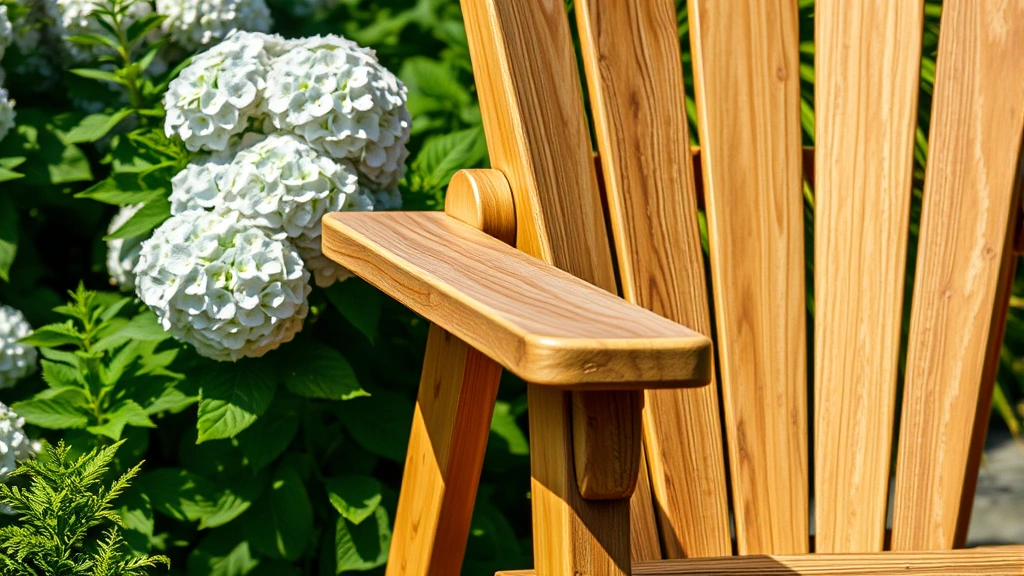
Folding Adirondack Chairs: The classic Adirondack design remains popular because it works everywhere. Modern folding versions collapse for storage, solving space challenges. Designers love that they’re instantly recognizable, inherently casual, and available in numerous colors. Position one near your vegetable beds or flowering borders for a natural focal point. Premium versions from established manufacturers maintain structural integrity through years of folding and unfolding.
Compact Club Chairs: These rounded, low-profile chairs occupy minimal footprint while providing generous seating surface. Designers appreciate their sculptural quality—they function as garden art when not in use. Pair with a small side table for resting garden tools or your morning coffee while planning the day’s tasks.
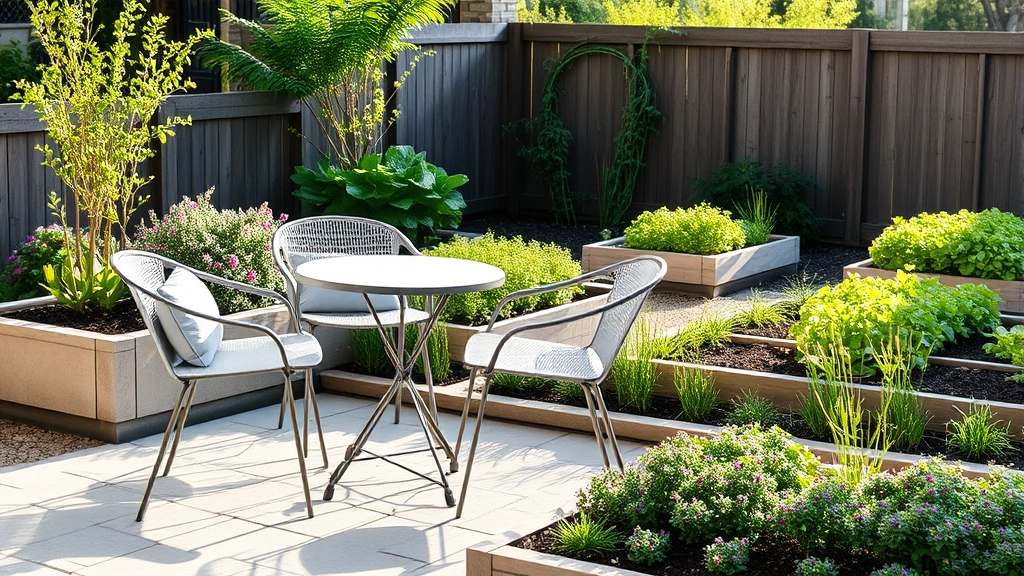
Bistro Chairs: Originating from Parisian cafés, bistro-style chairs bring European elegance to small gardens. Their slender frames and stackable design make them perfect for compact patios. Mix and match colors to create visual interest, or keep them monochromatic for sophisticated simplicity. They work beautifully around small dining tables for outdoor meals among your plants.
Sling Chairs: These minimalist chairs feature fabric stretched across aluminum frames. They’re lightweight, modern, and incredibly space-efficient. Sling designs come in contemporary colors that complement both traditional and modern gardens. Their clean lines appeal to designers creating minimalist outdoor spaces.
Wingback Garden Chairs: For gardeners seeking traditional elegance, wingback designs provide support and visual interest. Modern outdoor versions maintain classic silhouettes while using weather-resistant materials. Position these statement pieces as focal points in larger garden rooms or as solo seating areas for reading among your plants.
Poufs and Low Seating: Contemporary designers increasingly incorporate low poufs and cushioned seats into garden designs. These flexible pieces work for perching while working, sitting with guests, or as footrests. Their modest height makes them ideal for small spaces and creates intimate, ground-level perspectives of your garden.
Ergonomic Features to Look For
Comfort during extended gardening sessions requires proper ergonomic design. Don’t compromise on features that protect your health and enable longer, more enjoyable time in your garden.
Seat Height and Depth: Ideal garden chairs provide 16-18 inches of seat height, allowing easy standing without straining knees and hips. Seat depth should accommodate your thighs without pressing behind your knees. Test chairs before purchasing, or verify measurements match your body proportions.
Backrest Support: Proper lumbar support prevents back strain during extended sitting. Look for backrests that angle slightly backward (about 10-15 degrees) to support your spine’s natural curve. Adjustable or removable cushions allow customization to your comfort preferences.
Armrests: Quality armrests at the right height (approximately 8 inches above the seat) reduce shoulder strain when standing or shifting position. Ensure armrests don’t interfere with your natural movement or create awkward angles for your arms.
Weight Capacity: Verify that chairs support your weight safely. Quality garden chairs typically accommodate 250-350 pounds, but always confirm specifications. Heavier materials and reinforced frames indicate better weight distribution and longevity.
Cushions and Padding: High-density foam cushions maintain shape through seasons better than low-density alternatives. Look for removable, washable covers in weather-resistant fabrics. Memory foam options provide superior comfort for extended sitting sessions.
Seasonal Maintenance and Storage
Proper care extends your garden chairs’ lifespan and maintains their appearance through changing seasons. Develop simple maintenance routines aligned with your garden’s seasonal rhythm.
Spring Preparation: As you refresh your garden beds and plan spring plantings, inspect chairs for winter damage. Clean with mild soap and water, addressing any mold or mildew. Reapply protective coatings if needed. Cushions should be inspected for moisture damage and aired thoroughly before use.
Summer Protection: During peak gardening season, protect chairs from intense UV exposure, which fades colors and degrades some materials. Consider positioning chairs in partially shaded areas or using shade cloths during extreme heat. Regular cleaning prevents dirt accumulation and maintains finishes.
Fall Maintenance: Before winter storage, thoroughly clean all surfaces and allow complete drying. For teak and wood chairs, apply protective oils. For cushions, ensure they’re completely dry before storing to prevent mold growth. Store cushions separately in breathable containers.
Winter Storage: In harsh climates, store chairs indoors or under protective covers. Aluminum and synthetic materials tolerate outdoor exposure better than wood or cushioned pieces. If storing outdoors, use quality furniture covers that allow air circulation. Stack chairs efficiently to maximize storage space.
Budget-Friendly Options Without Compromise
Premium designer chairs offer value, but excellent options exist at various price points. Smart shopping and strategic choices let you create a comfortable, stylish seating area without excessive spending.
Outlet and Seasonal Sales: Major furniture retailers offer significant discounts during seasonal transitions. End-of-summer sales provide 30-50% reductions on outdoor furniture. Sign up for retailer newsletters to catch flash sales and exclusive discounts.
Online Retailers: E-commerce platforms often feature competitive pricing compared to brick-and-mortar stores. Read reviews carefully, verify return policies, and check shipping costs before purchasing. Many online retailers offer free shipping on larger orders.
Quality Budget Brands: Several manufacturers offer affordable chairs without sacrificing durability. Look for established brands with positive reviews and warranty coverage. Sometimes a $150 chair from a reputable budget brand outperforms a $400 designer piece in practical terms.
DIY Customization: Purchase basic chairs and personalize them with weather-resistant paint, stain, or cushions from other sources. This approach lets you match your garden aesthetic while controlling costs. Upcycled wooden chairs can be refreshed with new stain and cushions for minimal investment.
Multi-Functional Pieces: Consider chairs that serve dual purposes—storage benches with cushioned tops, chairs with integrated side tables, or pieces that convert between lounging and upright positions. These versatile options maximize value for small spaces.
Styling Your Chair with Garden Decor
Your garden chair should integrate seamlessly with your overall outdoor aesthetic. Thoughtful styling creates cohesive, inviting spaces that encourage spending time among your plants.
Consider your existing garden decor when selecting chair colors and materials. Rustic gardens suit natural wood or wrought iron pieces. Contemporary gardens benefit from sleek aluminum or sling chairs. Cottage gardens embrace colorful cushions and traditional designs.
Pair your chair with complementary elements. A small side table holds your garden hose reel, watering supplies, or a beverage while you rest. Shade structures like umbrellas or pergolas enhance comfort and create defined garden rooms. Surrounding plantings frame your seating area and create intimate spaces within larger gardens.
Lighting transforms your seating area for evening enjoyment. Solar pathway lights, string lights, or lanterns create ambiance while you unwind after gardening work. Position chairs to capture views of your most beautiful plantings or focal points.
Personalize with cushions featuring patterns or colors reflecting your style. Seasonal cushion changes refresh your space affordably. Weatherproof rugs define seating areas and add comfort underfoot.
FAQ
What’s the best material for small garden chairs in wet climates?
Synthetic rattan, composite materials, and powder-coated aluminum excel in wet conditions. Avoid untreated wood and natural wicker, which absorb moisture and promote rot. Teak is excellent but expensive. Ensure cushions use quick-dry fabrics and store them indoors during rainy seasons.
How much space does a small garden chair require?
Compact chairs typically need 24-30 inches of width and similar depth. Folding chairs minimize footprint to 20 inches when collapsed. Measure your available space and verify chair dimensions before purchasing. Consider how chairs will be positioned relative to plants and pathways.
Can garden chairs stay outside year-round?
This depends on your climate and chair material. Aluminum, synthetic materials, and quality wrought iron tolerate year-round exposure in most climates. Cushioned pieces and wood benefit from indoor storage during harsh winters. Use protective covers if storing outdoors. Check manufacturer recommendations for your specific chair.
What’s the difference between outdoor and indoor furniture?
Outdoor furniture uses weather-resistant materials, UV-protective finishes, and drainage-friendly designs. Cushions employ quick-dry fabrics and mold-resistant cores. Indoor furniture lacks these protections and deteriorates rapidly outdoors. Always purchase furniture rated for outdoor use.
How do I clean garden chair cushions?
Remove cushions and vacuum loose debris. Spot-clean stains with mild soap and water using a soft brush. For deep cleaning, hose down with water and allow air drying in sunshine. Most quality outdoor cushions have removable, machine-washable covers. Check manufacturer instructions before washing.
Are expensive designer chairs worth the investment?
Premium brands often offer superior materials, construction, and design that justify higher prices. However, mid-range quality chairs frequently provide excellent value. Focus on your priorities—if you spend 100+ hours yearly in your garden, investing in comfort and durability makes sense. Budget options work fine for occasional use.


