Can Perennials Grow in Pots? Expert Advice for Container Gardening Success
Growing perennials in containers has become increasingly popular among gardeners who want to maximize their space or add flexibility to their landscape design. Whether you’re working with a small balcony, patio, or simply want to create movable garden displays, container-grown perennials offer remarkable versatility. The short answer is yes—most perennials can thrive in pots when given proper care and the right growing conditions. However, success requires understanding which varieties perform best in containers, how to select appropriate pot sizes, and what maintenance practices keep these long-lived plants healthy year after year.
The beauty of growing perennials in containers lies in their ability to return season after season, providing consistent blooms and structure to your outdoor spaces. Unlike annuals that complete their life cycle in one year, perennials offer lasting value and lower maintenance once established. When containerized properly, these plants can flourish for many years, creating stunning focal points on patios, decks, and entryways. This comprehensive guide will help you understand which perennials work best in pots and how to cultivate them successfully.
Best Perennials for Container Growing
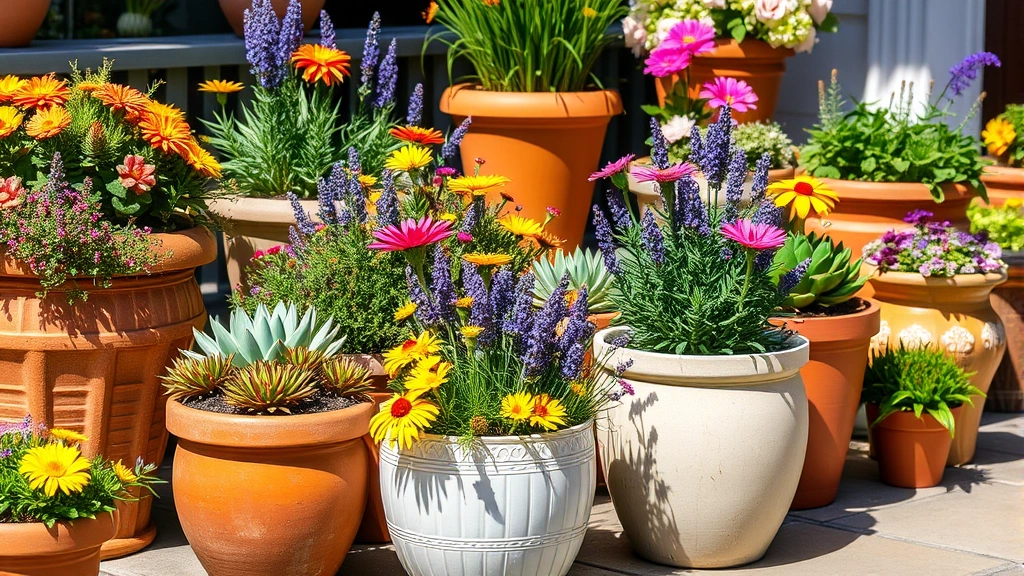
Not all perennials perform equally well in containers, so selecting varieties suited to pot culture is essential for success. Dwarf and compact cultivars naturally excel in containers since they don’t require excessive space and maintain attractive proportions. Coreopsis, also known as tickseed, produces cheerful yellow or pink flowers and adapts beautifully to container life. These hardy plants bloom prolifically throughout summer and require minimal fussing, making them ideal for busy gardeners.
Daylilies represent another excellent choice for container cultivation, particularly smaller varieties and reblooming types. Their architectural foliage adds interest even when plants aren’t flowering, and they tolerate the somewhat confined conditions of pot growing. Ornamental grasses like blue fescue and feather reed grass bring textural interest and movement to container displays while requiring modest water and nutrients.
Sedums and other succulents thrive in containers thanks to their drought tolerance and shallow root systems. These plants actually prefer the drier conditions that container growing provides compared to in-ground beds. Lavender, with its fragrant purple spikes, performs exceptionally well in pots and prefers the excellent drainage containers offer. Russian sage creates an ethereal quality with its airy blue-purple flowers and fine foliage texture.
Salvia varieties offer diverse colors and heights, with many compact selections perfect for containers. Catmint produces abundant lavender-blue flowers and attracts pollinators while remaining compact and manageable. Rudbeckia (black-eyed Susan) brings cheerful golden-yellow blooms and exceptional hardiness. For shade conditions, consider hostas with their stunning foliage, hellebores with winter interest, and heuchera with colorful leaves.
When selecting perennials from your gardening with native plants guide, prioritize varieties native to your region when possible. Native perennials often require less supplemental care and support local ecosystems even in container settings.
Choosing the Right Pot Size and Material
Container size profoundly impacts perennial success, as insufficient space restricts root development and limits water and nutrient availability. Minimum pot diameter should be 12 inches for most perennials, with 18-24 inches preferred for larger varieties or long-term cultivation. Depth matters equally—aim for containers at least 12-18 inches deep to accommodate root systems adequately. Shallow pots dry quickly and restrict root expansion, leading to stressed plants that struggle through growing seasons.
Material selection influences moisture retention, temperature regulation, and overall plant health. Terracotta pots offer classic aesthetics and excellent breathability, allowing air exchange through porous walls. However, they dry quickly and can be heavy, limiting portability. Terracotta works beautifully for drought-tolerant perennials like sedums and lavender but requires more frequent watering for moisture-loving varieties.
Plastic containers retain moisture better than terracotta and weigh considerably less, making them practical for deck and balcony situations where weight matters. Modern plastic pots come in attractive finishes and colors that complement any décor. Fabric grow bags offer superior drainage and air pruning of roots, promoting healthier root systems. They dry faster than plastic, requiring more frequent watering but preventing waterlogging issues.
Ceramic and glazed pots combine aesthetic appeal with reasonable moisture retention. Ensure any container has drainage holes—this non-negotiable feature prevents waterlogging that kills perennial roots. Containers without drainage can be used as decorative outer pots, housing a properly drained pot inside.
Consider your climate when selecting pot material. In hot regions, light-colored pots help keep roots cooler. In cold climates, thicker-walled containers provide insulation protecting roots from extreme temperature fluctuations. The investment in quality containers pays dividends through improved plant performance and longevity.
Soil and Drainage Requirements
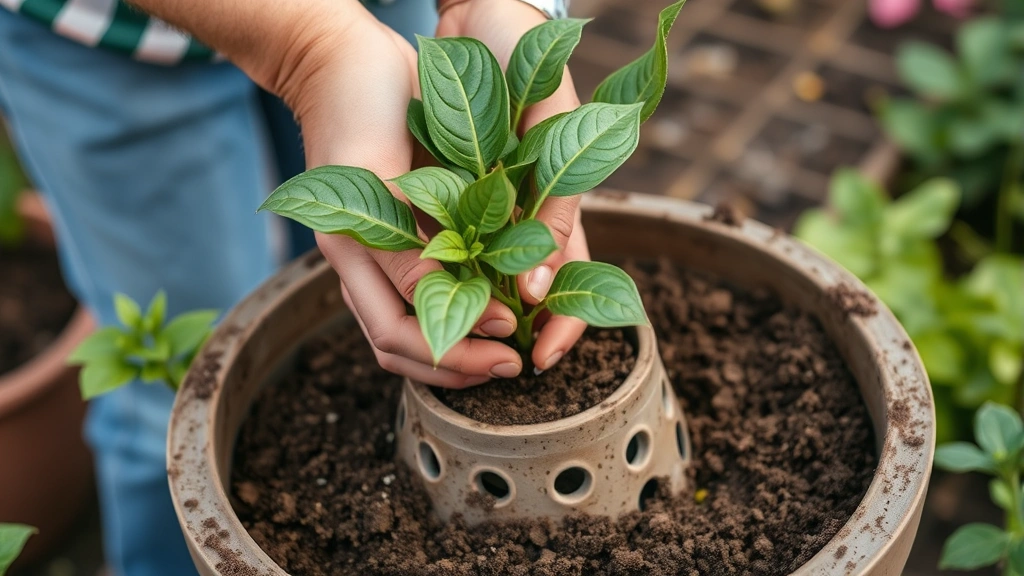
Container soil differs significantly from garden soil and plays a crucial role in perennial success. Never use garden soil in containers, as it compacts, drains poorly, and often contains weed seeds and pathogens. Instead, invest in quality potting mix formulated for container plants. Premium potting mixes contain peat moss or coconut coir, perlite or vermiculite, and compost, creating an ideal balance of moisture retention and drainage.
For perennials preferring drier conditions, amend standard potting mix with additional perlite or coarse sand—up to 25-30% of the total volume. This modification improves drainage for sedums, lavender, Russian sage, and other Mediterranean-origin plants that despise soggy roots. Conversely, moisture-loving perennials benefit from potting mix with extra compost or peat moss to enhance water retention.
Drainage holes prove absolutely essential for perennial survival. Elevate pots slightly using pot feet or small blocks to ensure water can exit freely. Standing water in saucers beneath pots causes root rot and fungal diseases. Some gardeners place a layer of broken pottery shards or pebbles at pot bottom, though research suggests this practice offers minimal benefit if proper potting mix is used.
Refresh potting soil periodically, as it breaks down over time and loses structure. Each spring, remove the top 2-3 inches of spent soil and replace with fresh potting mix. Every 2-3 years, completely refresh the soil for long-established containers. This maintenance prevents soil compaction and disease buildup while replenishing nutrients.
Watering and Feeding Container Perennials
Container-grown perennials require more frequent watering than in-ground plants since pots lack access to deep soil moisture reserves. Check soil moisture regularly by inserting your finger 1-2 inches into the potting mix. Water when the top inch feels dry to the touch, adjusting frequency based on weather, pot material, and plant type. During hot summers, daily watering may be necessary, while spring and fall may require watering only every 2-3 days.
Overwatering causes more problems than underwatering in containers. Ensure excess water drains freely, and never allow pots to sit in standing water. Early morning watering allows foliage to dry quickly, reducing fungal disease risk. Drip irrigation systems or soaker hoses deliver water directly to soil, minimizing waste and fungal issues compared to overhead watering.
Container perennials benefit from regular fertilization since frequent watering leaches nutrients from potting soil. Beginning in spring, apply balanced fertilizer monthly during the growing season. Slow-release fertilizers provide steady nutrition without the need for frequent applications. Alternatively, weekly applications of diluted liquid fertilizer work well for container plants. Reduce fertilization in late summer to encourage hardening-off before winter.
For organic gardening approaches, compost tea or fish emulsion provides nutrients while improving soil biology. Worm castings mixed into potting soil at planting time offer slow-release nutrition throughout the season. Mulching the soil surface with 1-2 inches of compost helps retain moisture and provides supplemental nutrients as it breaks down.
Winter Care for Potted Perennials
Winter presents the greatest challenge for containerized perennials, particularly in cold climates. In-ground perennials benefit from soil insulation protecting roots from extreme cold, but container roots are exposed to full temperature fluctuations. Hardiness zones listed on plant tags indicate in-ground hardiness; containerized plants typically need one zone warmer to survive winter outdoors.
In colder regions, move tender perennials to unheated garages, sheds, or cold frames for winter. These locations maintain temperatures above the worst extremes while remaining dormant enough for necessary cold exposure. Water sparingly during dormancy, providing moisture only when soil becomes completely dry. Remove dead foliage in fall or early spring to reduce disease pressure and improve appearance.
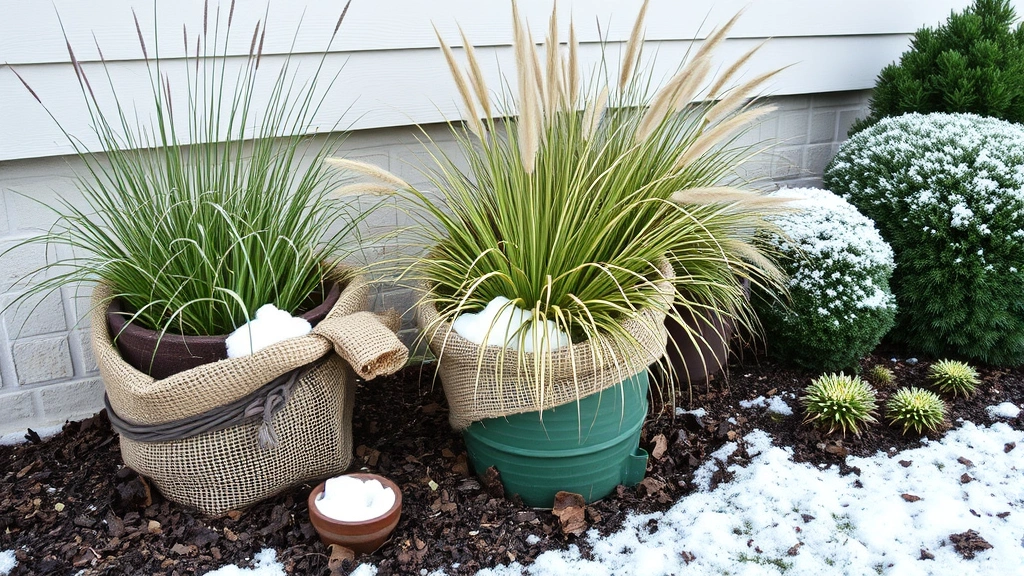
For hardy perennials left outdoors year-round, provide insulation by grouping pots together and wrapping with burlap or frost cloth. Mulch heavily around pots with leaves, straw, or landscape fabric. Elevating pots on risers improves drainage and reduces frost damage. In areas with extreme temperature swings, move pots against house foundations where reflected heat provides additional protection.
Spring emergence depends on adequate winter chilling for many perennials. These plants need exposure to cold temperatures to break dormancy properly. Avoid bringing containerized perennials indoors too early in spring, as premature growth followed by frost damage weakens plants considerably.
Common Problems and Solutions
Root-bound plants represent a frequent container problem, occurring when roots fill all available space and circle the pot interior. Signs include roots protruding from drainage holes, rapid soil drying, and stunted growth. Address root-bound conditions by transitioning plants to larger containers or dividing perennials into multiple pots. Gently loosen roots before repotting to encourage outward growth.
Powdery mildew and fungal diseases thrive in humid container environments with poor air circulation. Improve air movement around pots, avoid overhead watering, and remove affected foliage promptly. Organic fungicides containing sulfur or neem oil provide control if problems persist. Choose disease-resistant varieties when available.
Spider mites and aphids infest container plants more readily than in-ground specimens. Regular inspection catches infestations early. Spray affected plants with strong water streams to dislodge pests, or use insecticidal soap for persistent problems. Introducing beneficial insects like ladybugs naturally controls pest populations.
Nutrient deficiencies appear as yellowing foliage, stunted growth, or poor flowering. These symptoms often indicate overdue fertilization or depleted potting soil. Resume regular feeding and refresh soil in spring. Iron chlorosis (yellowing between leaf veins) suggests alkaline soil; acidify with chelated iron applications or sulfur additions.
Drought stress causes wilting, leaf drop, and reduced blooming. Establish consistent watering routines and check soil moisture daily during hot weather. Mulching soil surfaces reduces evaporation. In extreme heat, moving pots to afternoon shade provides relief without sacrificing blooms.
Design Ideas for Container Perennials
Container perennials offer exceptional design flexibility, enabling gardeners to create stunning displays in limited spaces. Mixed container plantings combine perennials with complementary annuals, creating layered texture and extended color. Pair tall perennials like Russian sage in pot centers with trailing sedums cascading over edges. Add annual flowers for continuous blooms while perennials establish themselves.
Monochromatic container gardens featuring single-color perennials create sophisticated, restful spaces. Lavender and catmint in purple tones, rudbeckia and coreopsis in warm yellows, or delphinium and salvia in cool blues deliver cohesive visual impact. This approach simplifies design decisions while creating professional-looking displays.
Vertical gardening systems utilize garden arch trellis structures supporting climbing perennials in containers. Clematis, climbing roses, and perennial vines transform small spaces into living walls when containerized near trellises. This technique maximizes growing space in urban gardens and small patios.
Seasonal rotation keeps container gardens fresh throughout the year. Plant spring-blooming perennials for early-season interest, swap in summer bloomers for peak color, then transition to ornamental grasses and late-blooming perennials for fall displays. Winter-interest containers featuring hellebores, evergreen sedums, and ornamental grasses maintain garden appeal year-round.
Succession planting ensures continuous perennial blooms across seasons. Combine early, mid, and late-season bloomers in single containers or arrange multiple pots with staggered bloom times. This strategy eliminates gaps in flowering and maintains visual interest throughout growing seasons.
When arranging containers, consider using quality secateurs and garden shears for regular deadheading and maintenance. Well-maintained containers always look more professional and encourage continued blooming. Group containers in odd numbers (3, 5, or 7) rather than pairs for more dynamic visual arrangements.
FAQ
What is the minimum pot size for perennials?
Most perennials require minimum 12-inch diameter containers, with 18-24 inches preferred for larger varieties or long-term growing. Depth should match diameter to accommodate root systems adequately. Larger pots offer more stable growing conditions and require less frequent watering.
Can perennials stay in the same pot for multiple years?
Yes, perennials can remain in containers for many years with proper maintenance. Refresh the top 2-3 inches of soil annually in spring, and completely replace soil every 2-3 years. Monitor for root-bound conditions and upgrade pot size if roots fill available space.
Which perennials are easiest for beginners?
Sedums, lavender, coreopsis, Russian sage, and catmint offer exceptional reliability for novice gardeners. These hardy plants tolerate variable watering, prefer excellent drainage, and require minimal supplemental feeding. They’re nearly impossible to kill with basic care.
Do container perennials need winter protection?
In cold climates (zones 5 and colder), yes. Container-grown perennials are more vulnerable to winter damage than in-ground plants. Provide insulation through mulching, wrapping, or moving pots to protected locations. Tender perennials should move indoors to unheated spaces for winter survival.
How often should I fertilize container perennials?
Feed container perennials monthly during growing season with balanced fertilizer, or use slow-release formulations applied once in spring. Reduce fertilization in late summer. Container plants need more frequent feeding than in-ground perennials due to nutrient leaching from frequent watering.
Can I grow perennials in containers without drainage holes?
No, drainage holes are essential for perennial survival. Standing water causes root rot and fungal diseases. Use containers with drainage holes, or place a properly drained pot inside a decorative pot without holes.
What’s the best soil for container perennials?
Use quality potting mix formulated for containers, never garden soil. Amend with extra perlite for drought-tolerant varieties, or add compost for moisture-loving plants. Refresh soil annually and completely replace every 2-3 years for optimal plant health.


