Fairy Garden Supplies: Expert Picks & Tips for Creating Magical Miniature Spaces
Fairy gardens have captivated gardeners of all ages, transforming small spaces into enchanting miniature worlds filled with whimsy and wonder. Whether you’re a seasoned gardener looking to expand your hobby or a beginner seeking a charming new project, creating a fairy garden requires thoughtful planning and the right selection of supplies. These delightful gardens combine horticulture with creative design, allowing you to craft a magical landscape in containers, raised beds, or dedicated garden corners.
The beauty of fairy gardening lies in its accessibility and flexibility. You don’t need extensive outdoor space or advanced gardening knowledge to succeed. With proper gardening tips for beginners, anyone can design and maintain a thriving fairy garden. This comprehensive guide covers everything from essential supplies to expert recommendations, helping you select the perfect materials and plants to bring your miniature magical world to life.
Essential Fairy Garden Containers and Bases
The foundation of any fairy garden starts with selecting an appropriate container or base. Your choice dramatically impacts the overall aesthetic and functionality of your miniature landscape. Shallow containers work best because they accommodate the shallow root systems of tiny plants while creating visual proportion with miniature accessories. Terracotta pots, ceramic dishes, wooden crates, and vintage baskets all make excellent fairy garden homes, each bringing unique character to your creation.
When selecting containers, consider drainage carefully. Proper drainage prevents waterlogging and root rot, critical concerns in miniature gardens with limited soil volume. Look for containers with drainage holes, or drill your own if necessary. Wooden containers add rustic charm but require waterproofing to extend their lifespan. Alternatively, plastic-lined wooden boxes offer durability with traditional aesthetics. Size matters significantly—containers between 12 and 24 inches in diameter provide ample space for designing varied landscapes while remaining manageable for placement and maintenance.
Consider creating a vertical garden design by stacking containers or using tiered planters. This approach maximizes your growing space and creates interesting visual depth. Shallow bird baths, old teapots, decorative bowls, and reclaimed kitchen items offer creative alternatives to traditional pots. The key is ensuring adequate depth for plant roots—minimum 4-6 inches for most miniature plants used in fairy gardens.

Miniature Plants for Fairy Gardens
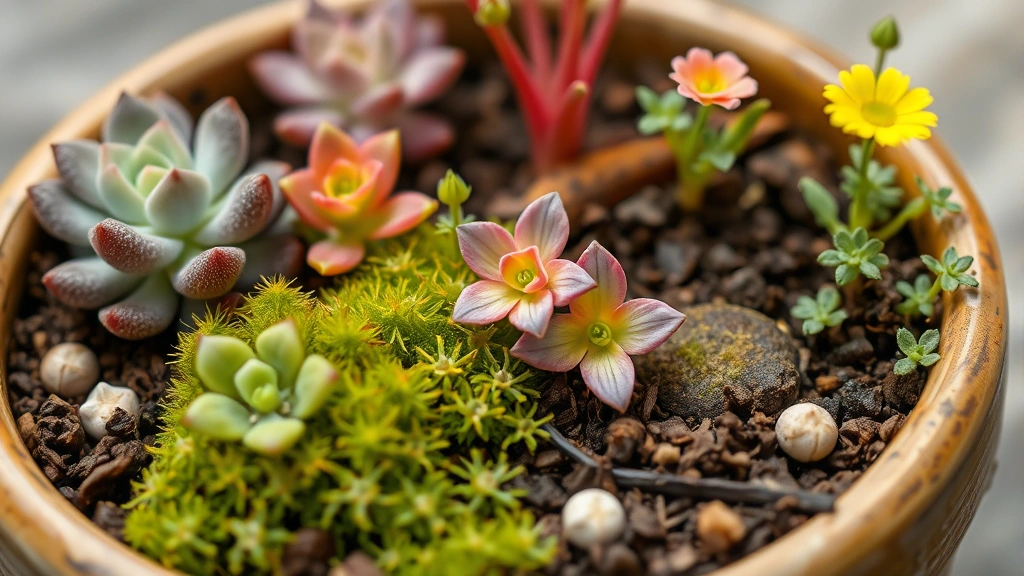
Selecting appropriate plants is crucial for fairy garden success. The best choices are naturally small or slow-growing varieties that won’t quickly outgrow your miniature space. Succulents like echeveria, sempervivum, and sedum varieties are excellent choices, requiring minimal water and thriving in various light conditions. Their compact growth habits and interesting textures create realistic landscape features resembling trees, shrubs, and boulders in your fairy world.
Creeping thyme, moss, and ornamental grasses provide ground cover and lawn-like elements at miniature scale. Baby tears (Soleirolia soleirolii) creates delicate, moss-like coverage, while Scotch moss adds texture and interest. For height variation, consider using dwarf conifers like hinoki cypress or miniature Japanese maples. These woody plants add structure and permanence to your design, creating focal points and visual anchors within your fairy landscape.
Flowering plants bring color and seasonal interest to fairy gardens. Miniature roses, calibrachoa, and diascia produce abundant blooms in compact sizes. Sweet alyssum creates fragrant white or purple carpets of flowers, while begonias add shade-tolerant color. When designing plant combinations, follow similar principles to larger gardens—consider mature sizes, water requirements, light needs, and bloom times to ensure harmonious growth and sustained visual appeal throughout seasons.
If you’re interested in edible elements, consider incorporating miniature vegetables. Much like how to grow peas in your garden, fairy gardens can feature tiny vegetable varieties. Miniature lettuces, dwarf tomatoes, and compact herbs add functional beauty. Strawberry plants, whether miniature varieties or garden strawberry seeds of compact cultivars, work wonderfully in fairy settings, providing both edible harvests and charming seasonal interest.
Decorative Accessories and Fairy Figurines
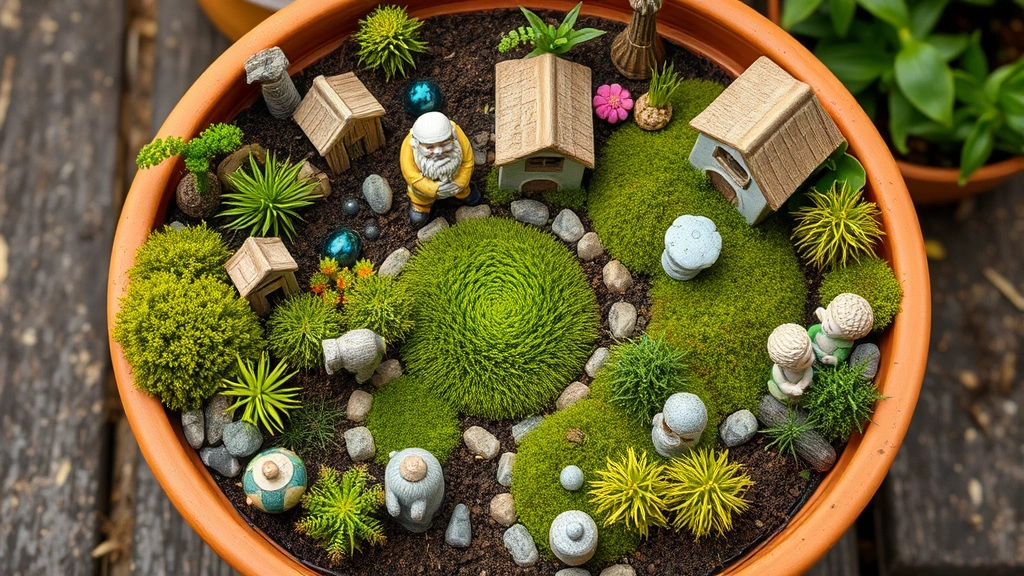
Fairy garden accessories transform your planting into a complete magical world. Quality figurines set the tone—choose pieces that complement your design vision, whether whimsical and playful or sophisticated and naturalistic. Fairy figures, woodland creatures, mushroom houses, and tiny benches populate your landscape. Select weather-resistant materials like resin or ceramic for outdoor gardens, or use delicate porcelain for protected indoor displays.
Pathways guide visitors through your miniature world and create visual interest. Pebbles, gravel, moss-covered stepping stones, and tiny paved walkways define spaces and suggest movement through the landscape. Miniature bridges, gates, and fences add architectural elements, while tiny lanterns, birdbaths, and water features create focal points. A small mirror or blue-painted surface suggests water elements—ponds, streams, or lakes—adding depth and visual interest to compact spaces.
Incorporate natural materials found during garden walks. Twigs become fence posts or structural elements, bark pieces create rustic charm, and stones serve as garden beds or pathways. Moss collected from your yard adds authentic woodland character. Seashells, interesting rocks, and fallen leaves become decorative treasures in your fairy garden’s narrative. This approach makes fairy gardening an economical hobby while deepening your connection to natural materials and sustainable practices.
Lighting transforms fairy gardens into magical evening displays. Tiny solar lights, LED string lights, or miniature lanterns create ambiance and extend enjoyment into twilight hours. Battery-powered fairy lights offer flexibility for placement without visible wiring. Choose warm white lights for cozy atmospheres or colored lights for festive celebrations. Lighting also helps highlight special features and creates shadow play that enhances the magical quality of your miniature landscape.
Soil, Potting Mix, and Growing Media
Proper growing medium is fundamental to fairy garden health and longevity. Standard potting soil often contains too much organic matter and retains excessive moisture for shallow containers. Instead, create a custom blend combining equal parts high-quality potting soil, perlite or pumice, and coarse sand. This mixture provides excellent drainage while retaining adequate moisture and nutrients for sustained plant growth.
For succulent-heavy gardens, increase drainage further by adjusting the ratio to two parts potting soil, two parts perlite, and one part sand or gravel. This specialized mix prevents the root rot that quickly kills succulents in overly moist conditions. Cactus and succulent-specific potting mixes available at garden centers provide convenient alternatives, though they’re typically more expensive than creating custom blends.
Incorporate slow-release fertilizer into your potting mix during initial preparation. This approach provides consistent nutrition throughout the growing season without requiring frequent feeding. Choose balanced formulations like 10-10-10 or slightly higher in phosphorus (middle number) to encourage blooming in flowering plants. Organic options containing fish emulsion, seaweed, or composted materials align with sustainable gardening practices and support beneficial soil microorganisms.
Layer your container for optimal drainage and plant health. Start with a half-inch of small gravel or broken pottery shards at the bottom, creating a drainage layer. Add your prepared potting mix, gently pressing it to eliminate air pockets while avoiding compaction that restricts root development. Top with decorative moss, small pebbles, or miniature mulch to complete the landscape aesthetic while protecting soil from excessive drying.
Watering and Maintenance Supplies
Fairy gardens require specialized watering approaches due to their compact size and shallow soil volume. Traditional watering cans often deliver too much water too quickly, drowning delicate plants. Instead, invest in a fine-mist spray bottle or mister, allowing controlled hydration that mimics gentle rainfall. Squeeze bottles with fine nozzles provide precise water delivery directly to plant bases without disturbing soil or accessories.
Establish a consistent watering schedule based on your plant selections and environmental conditions. Succulents need less frequent watering than flowering plants or moss-based landscapes. Check soil moisture regularly—the top inch should dry slightly between waterings. Container gardens lose moisture faster than in-ground plantings, especially in warm weather or sunny locations. Morning watering allows excess moisture to evaporate during the day, reducing fungal disease risk.
A best garden hose setup with adjustable spray patterns works well for larger fairy garden collections. Consider installing a soaker hose or drip irrigation system for multiple containers, ensuring consistent hydration without constant manual attention. Automated watering systems prove invaluable for busy gardeners or those maintaining extensive fairy garden displays.
Maintenance supplies should include small hand tools—miniature pruning shears, tweezers, and a small hand rake designed for bonsai or fairy gardens. These specialized tools allow precise work within confined spaces without damaging delicate plants or accessories. A soft brush gently removes dust from figurines and decorative elements, keeping your magical world clean and vibrant. Small scissors trim spent flowers and overgrown foliage, maintaining proportions and encouraging continued blooming.
Design Tips for Stunning Fairy Gardens
Successful fairy garden design follows fundamental landscaping principles adapted to miniature scales. Create focal points—a special figurine, distinctive plant, or architectural feature that draws the eye and anchors the composition. Arrange other elements around this center of interest, using smaller or lower-growing plants and accessories as supporting cast. Odd numbers of plants and features create more visually interesting compositions than even-numbered arrangements.
Balance visual weight throughout your garden. Taller plants or larger accessories on one side should be offset by equally prominent features elsewhere, creating dynamic equilibrium. Consider color harmony—coordinate figurine colors with plant selections and decorative elements. Monochromatic schemes (varying shades of green with white or gray accents) create sophisticated, calming spaces, while colorful flowering plants and bright accessories produce cheerful, playful atmospheres.
Texture variation prevents monotony and creates visual interest. Combine feathery fern foliage with spiky ornamental grasses, smooth stone elements with rough bark, and delicate flowers with bold succulent forms. Layer plants at different heights, using taller specimens in back and progressively shorter plants toward the front. This tiered approach creates depth and ensures all plants receive adequate light while maintaining clear sightlines to special features.
Incorporate negative space—empty areas that provide visual rest and prevent cluttered, overwhelming compositions. Not every inch requires planting or decoration. Open ground areas suggest pathways or gathering spaces in your fairy world, making the landscape feel more expansive despite its compact size. These breathing spaces also provide flexibility for seasonal updates and adjustments as your garden evolves.
Create narrative elements that tell stories. A tiny garden shed suggests fairy residents, a miniature picnic setup implies social gatherings, and a small bridge crossing a pebble stream invites exploration. These storytelling elements transform gardens from mere plant displays into immersive environments that engage imagination and delight viewers of all ages.
Seasonal Considerations and Plant Selection
Fairy gardens perform best when designed with seasonal changes in mind. Spring offers opportunities for flowering bulbs—miniature daffodils, crocuses, and tulips create early-season color. Summer showcases tender annuals and vibrant bloomers, requiring consistent watering and regular deadheading. Fall brings foliage interest through Japanese maples, ornamental grasses, and plants with colorful autumn leaves.
Winter fairy gardens require special consideration. Evergreen plants provide year-round structure and color. Dwarf conifers, boxwoods, and small-leaved evergreens remain attractive when deciduous plants go dormant. Incorporate winter-flowering plants like hellebores or miniature winter heathers. Frost-covered moss and ice-encrusted gravel create natural winter beauty, while strategically placed lighting makes evening displays particularly magical during long dark nights.
For year-round interest, select plants with varied bloom times and foliage characteristics. Early spring bulbs transition to summer annuals, which give way to fall-blooming perennials. Evergreen structural plants provide consistent backdrop, while deciduous elements add seasonal drama. This layered approach ensures your fairy garden remains visually engaging throughout the year, rewarding regular observation and seasonal appreciation.
Consider incorporating a bamboo garden aesthetic with miniature running bamboo varieties. These plants add exotic interest and create screening effects, though careful containment prevents aggressive spreading. Alternatively, create a woodland theme with shade-tolerant plants like miniature hostas, ferns, and hellebores that thrive in dappled light beneath taller garden structures.
Indoor fairy gardens offer year-round growing possibilities regardless of outdoor climate. Use grow lights to supplement natural light, extending the growing season and allowing tender tropical plants year-round. Maintain consistent indoor temperatures and humidity levels, creating stable growing conditions. Indoor gardens showcase delicate plants and valuable figurines protected from harsh weather while providing constant, convenient access for observation and enjoyment.
FAQ
What’s the best container size for a fairy garden?
Containers between 12 and 24 inches in diameter work best, providing ample design space while remaining manageable. Depth should be at least 4-6 inches to accommodate plant roots. Larger containers (24-36 inches) allow more elaborate designs with varied plant heights and multiple focal points, while smaller containers (under 12 inches) suit single-plant displays or minimalist themes.
How often should I water my fairy garden?
Watering frequency depends on plant types, container size, and climate conditions. Check soil moisture regularly—water when the top inch feels dry. Succulents need less frequent watering than flowering plants or moss-based designs. Container gardens lose moisture faster than in-ground plantings, especially in warm weather. Morning watering reduces disease risk by allowing excess moisture to evaporate during the day.
Can I keep fairy gardens outdoors year-round?
Many fairy gardens thrive outdoors year-round with proper plant selection. Choose hardy evergreens, cold-tolerant perennials, and plants suited to your climate zone. Provide winter protection through mulching or moving containers against house walls. In harsh climates, grow tender plants indoors during winter or select cold-hardy varieties specifically. Regular maintenance and seasonal updates keep outdoor gardens looking fresh.
What plants are best for beginners?
Succulents are excellent starter plants—they’re forgiving, require minimal water, and tolerate various light conditions. Creeping thyme, moss, and ornamental grasses provide easy-care ground covers. Miniature roses and begonias offer reliable blooms without demanding special care. Start with hardy, slow-growing varieties while developing your gardening skills, then experiment with more demanding plants as your confidence grows.
Where should I place my fairy garden?
Location depends on your plant selections. Most flowering plants and succulents prefer bright, indirect light—4-6 hours daily. Shade-tolerant plants like ferns and begonias thrive in dappled light or partial shade. Avoid full afternoon sun in hot climates, which can scorch delicate foliage and dry soil too quickly. Sheltered locations protect from strong winds that damage miniature plants and accessories. Accessible placement allows convenient watering and maintenance.
How do I prevent pests and diseases in fairy gardens?
Proper drainage prevents fungal diseases by reducing excessive moisture. Good air circulation around plants discourages mold and mildew. Inspect plants regularly for pest damage, removing affected foliage promptly. Isolate infested plants from the main garden to prevent spread. Organic pest management using neem oil or insecticidal soap addresses common issues without harsh chemicals. Healthy, well-maintained plants resist pests better than stressed specimens.