Create a Cut Flower Garden: Expert Advice for Year-Round Blooms
A cut flower garden transforms your outdoor space into a living florist shop, providing fresh, gorgeous arrangements for your home throughout the growing season. Unlike traditional ornamental gardens designed purely for visual appeal in the landscape, a cut flower garden prioritizes blooms that thrive in vases, last longer after cutting, and offer the variety needed for stunning floral displays. Whether you’re a beginner gardener or an experienced green thumb, establishing a dedicated cutting garden requires thoughtful planning, proper plant selection, and consistent care techniques.
The beauty of a cut flower garden lies in its dual purpose: you enjoy vibrant blooms indoors while supporting pollinators and creating garden interest outdoors. By dedicating a specific area to cut flowers, you avoid the guilt of harvesting from your landscape design and can focus on maximizing production. This guide walks you through everything you need to know about designing, planting, and maintaining a thriving cut flower garden that supplies your home with fresh flowers for months.
Planning Your Cut Flower Garden Layout
The foundation of a successful cut flower garden starts with strategic location and design. Choose a spot that receives at least six to eight hours of direct sunlight daily, as most cutting flowers thrive in full sun conditions. Morning sun exposure is particularly valuable because it helps dry dew from foliage, reducing disease pressure. Your garden should be easily accessible from your home for convenient harvesting, ideally near a water source for efficient irrigation.
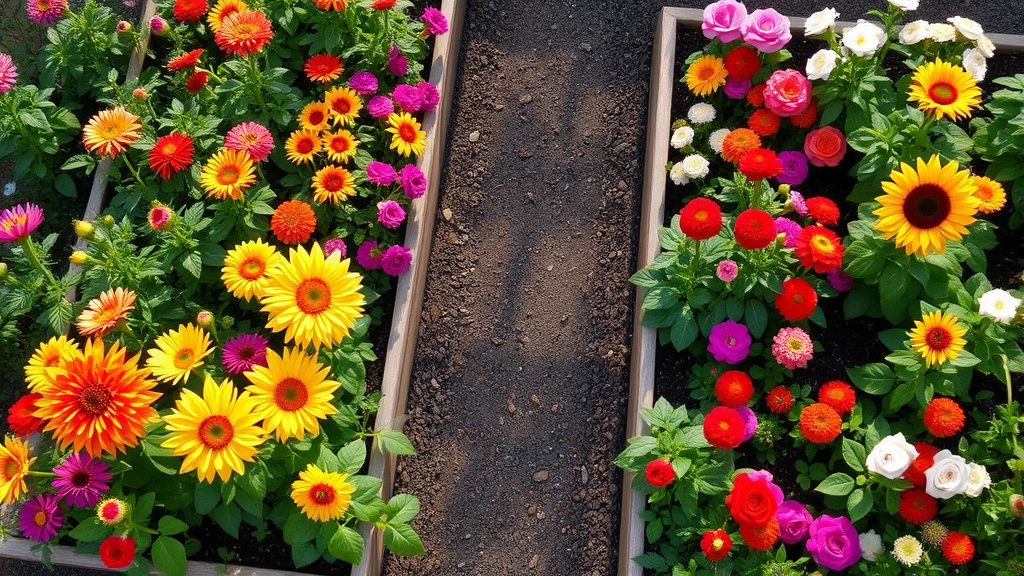
Consider using a raised garden bed design, which offers numerous advantages for cut flower production. Raised beds provide superior drainage, warmer soil temperatures in spring, easier harvesting without bending, and simplified pest management. A standard bed size of 4 feet by 8 feet works perfectly for most home gardeners, allowing comfortable reach from both sides. You can also implement raised garden construction with multiple beds for organized crop rotation and varied flower types.
Organize your garden by bloom time, height, and color preferences. Tall varieties like sunflowers and dahlias should be positioned on the north side so they don’t shade shorter plants. Group flowers by their water and nutrient needs for more efficient care. Create pathways between beds using mulch or stepping stones to maintain accessibility throughout the growing season. A well-organized layout maximizes both production and your enjoyment of the harvesting process.

Best Flowers for Cutting
Selecting the right flowers is crucial for a productive cut flower garden. The best cutting flowers possess several key characteristics: long vase life (ideally 7-14 days), sturdy stems that stand upright in water, multiple blooms per plant, and attractive form for arranging. Here are the top categories to consider:
- Dahlias: These showstoppers produce abundant flowers from midsummer through fall frost, with blooms lasting 7-10 days in water. They come in virtually every color except true blue and offer impressive size and substance for arrangements.
- Sunflowers: Both tall varieties and branching cultivars provide cheerful, long-lasting blooms. Single-stem types reach 6 feet, while branching varieties produce multiple flowers per plant, extending your harvest period.
- Zinnias: Easy-to-grow annuals that produce flowers continuously from planting until frost. They tolerate heat, require minimal care, and come in stunning color combinations perfect for mixed bouquets.
- Roses: While more demanding than other options, garden roses offer unmatched elegance and longevity. Choose disease-resistant varieties suited to your climate for better success.
- Lisianthus: These delicate-looking but sturdy flowers resemble roses and last exceptionally long in vases. They prefer cool nights and consistent moisture for optimal performance.
- Celosia: Velvety flower heads in jewel tones add unique texture to arrangements. Both crested and plumed varieties provide excellent cutting material.
- Cosmos: Delicate, airy flowers that dance beautifully in arrangements. They self-seed readily and bloom prolifically throughout the season.
- Gladiolus: Tall spires of blooms provide striking vertical elements. Plant bulbs every two weeks for continuous succession of flowers.
- Sweet peas: Fragrant, pastel flowers perfect for spring cutting gardens. They prefer cool weather and appreciate trellis support.
- Hydrangeas: Substantial blooms with impressive longevity. Plant hydrangea varieties for reliable summer and fall cutting material.
Perennial options like peonies, coneflowers, and salvias provide reliable cutting material year after year once established. Incorporate both annuals for prolific production and perennials for consistency and reduced yearly replanting effort.
Seasonal Planting Schedule
Timing is everything in a cut flower garden. A well-planned seasonal schedule ensures continuous blooms from spring through fall. Here’s a strategic approach:
Spring (March-May): Direct seed cool-season lovers like cosmos, bachelor’s buttons, larkspur, and sweet peas as soon as soil is workable. Transplant seedlings of dahlias, zinnias, and celosia after your last frost date. Plant gladiolus bulbs in succession (every two weeks) for staggered blooms. Start these tender annuals indoors 6-8 weeks before your frost date for earlier flowering.
Summer (June-August): Continue planting successive crops of fast-growing annuals like zinnias and cosmos every three weeks until mid-July to maintain continuous production. Deadhead spent flowers religiously to encourage more blooms. Monitor for heat stress and ensure consistent watering during hot spells. This is peak cutting season for most gardens.
Fall (September-November): Plant cool-season crops like snapdragons, stock, and ornamental cabbage for autumn and early winter cutting. These thrive as temperatures cool and often produce superior quality flowers. Continue harvesting dahlias and other heat-tolerant varieties until frost arrives.
Winter (December-February): In mild climates, continue harvesting cool-season bloomers. Plan your next year’s garden, order seeds and bulbs, and prepare beds for spring planting. In cold climates, focus on planning and preparation while enjoying dried flowers from your summer harvest.
Soil Preparation and Bed Setup
Rich, well-draining soil is the foundation of a productive cut flower garden. Before planting, amend your soil generously with organic matter. Mix in 2-3 inches of compost, aged manure, or peat moss into the top 8-10 inches of existing soil. This improves drainage, increases nutrient availability, and supports beneficial soil microorganisms that promote plant health.
Conduct a soil test through your local extension service to determine pH and nutrient levels. Most cut flowers prefer slightly acidic soil (pH 6.0-6.8). Add lime if your soil is too acidic or sulfur if it’s too alkaline. Incorporate balanced fertilizer (such as 5-10-10) at planting time, following package directions based on your soil test results.
If building a raised bed, use a quality soil mix combining topsoil, compost, and peat moss or coconut coir in equal parts. This creates ideal conditions for root development and drainage. A 12-inch depth accommodates most cut flowers, though dahlias and tall varieties benefit from 18 inches of soil.
Consider installing a quality garden hose with drip irrigation or soaker lines for consistent, efficient watering. This delivers water directly to roots while keeping foliage dry, reducing disease issues. Mulch beds with 2-3 inches of organic material like straw or shredded leaves to retain moisture, regulate soil temperature, and suppress weeds.
Watering and Feeding Techniques
Consistent moisture is critical for cut flower production, particularly during bloom development. Most cut flowers require approximately 1-2 inches of water weekly, delivered through deep watering rather than frequent shallow sprinkling. Deep watering encourages strong root development and more resilient plants.
Water early in the morning to minimize disease pressure and allow foliage to dry before nightfall. Check soil moisture 2-3 inches below the surface; it should feel consistently moist but not waterlogged. During hot spells, you may need to water daily. Use your garden hose with a soaker setting to deliver water gently and effectively.
Feed your cut flower garden every 2-3 weeks with a balanced, water-soluble fertilizer once plants are established and blooming. Alternatively, apply a slow-release granular fertilizer at planting time for season-long nutrition. High-phosphorus formulas (middle number) encourage more abundant flowering compared to nitrogen-heavy options that promote excessive foliage.
Deadheading spent flowers is perhaps your most important feeding strategy. Removing flowers before they set seed redirects plant energy into producing more blooms rather than seed production. Check your garden every 2-3 days and remove all faded flowers. This simple practice can double or triple your harvest throughout the season.
Harvesting Techniques for Longevity
Proper harvesting technique dramatically impacts vase life and plant productivity. Harvest flowers early in the morning after dew dries but before heat stresses the plant. Flowers harvested at this time have maximum water content and superior vase life.
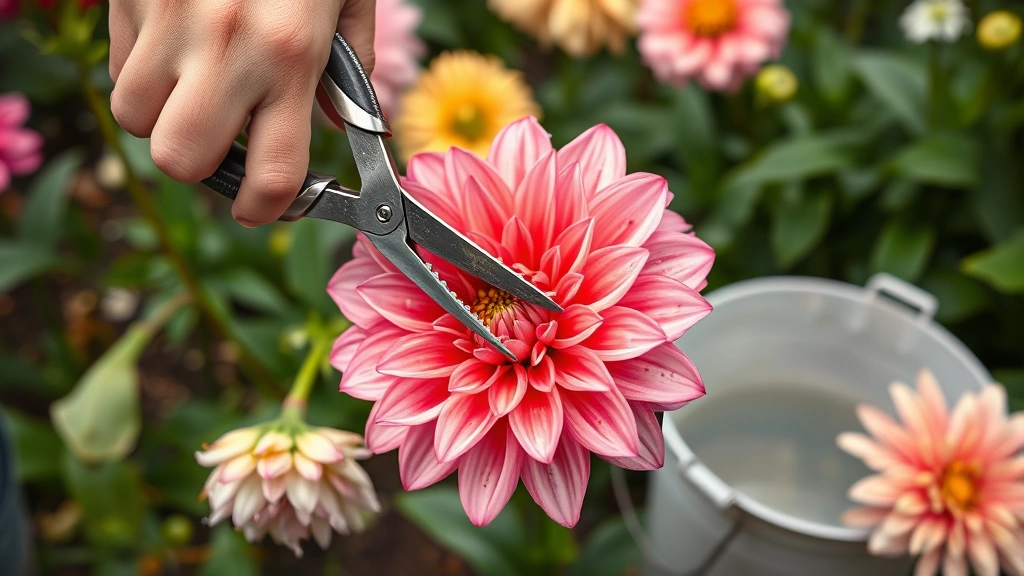
Cut stems at a 45-degree angle using sharp pruners or a clean knife, never scissors which crush delicate vascular tissue. Remove lower foliage that would sit below the waterline in your vase, as submerged leaves decompose and harbor bacteria that clog stem vessels and shorten vase life. Leave at least one-third of the foliage on the plant to support continued growth and photosynthesis.
Harvest flowers at the optimal stage: zinnias and dahlias when fully open, roses and peonies at the tight-to-loose-bud stage, gladiolus when the first 2-3 flowers open, and sunflowers when the center is still slightly firm. Flowers harvested at the right stage will open further in the vase and last significantly longer.
Place freshly cut stems immediately in a bucket of cool water. This prevents air bubbles from forming in the vascular tissue and keeps stems hydrated. Bring flowers indoors and let them condition in cool water for at least 2 hours before arranging for maximum longevity.
Common Pests and Solutions
A healthy cut flower garden requires proactive pest management. Common issues include spider mites, aphids, thrips, and powdery mildew. Regular monitoring catches problems early when they’re easiest to control.
Inspect plants 2-3 times weekly, checking both leaf surfaces and undersides where pests hide. Remove infested foliage promptly and dispose in sealed bags rather than composting. For light infestations, spray with strong water from your garden hose to dislodge pests.
For moderate infestations, apply insecticidal soap or neem oil according to label directions. These organic options effectively control soft-bodied insects while remaining safe for pollinators and beneficial insects. Spray in early morning or evening when temperatures are cool and beneficial insects are less active.
Prevent fungal diseases like powdery mildew by ensuring good air circulation, avoiding overhead watering, and spacing plants appropriately. Remove affected foliage immediately. Apply sulfur-based fungicides if mildew appears, following label directions carefully.
Encourage beneficial insects like ladybugs and lacewings by planting native flowers nearby and providing water sources. These predatory insects naturally control pest populations without chemical intervention. Consider protective measures for wildlife control if larger pests become problematic.
Vase Life Extension Tips
Maximizing vase life extends your enjoyment of homegrown flowers and validates your gardening effort. After conditioning freshly cut flowers, prepare them for arranging with these proven techniques:
- Use floral preservative: Commercial flower food contains sugars for nutrition, biocides to prevent bacterial growth, and pH adjusters. Mix according to package directions in your vase water. If unavailable, dissolve 1 tablespoon sugar and 1/4 teaspoon bleach per quart of water.
- Change water daily: Fresh water removes bacteria and provides oxygen to stem tissue. Recut stems at a 45-degree angle each time you change water to open new vascular tissue.
- Keep flowers cool: Store arrangements away from direct sunlight, heat sources, and ripening fruit (which emits ethylene gas that accelerates aging). Cool locations extend vase life by several days.
- Remove fading flowers: Promptly remove individual flowers as they age. This prevents ethylene release and keeps arrangements looking fresh longer.
- Mist foliage: Light misting keeps foliage hydrated and fresh-looking, but avoid wetting fully open flowers which may develop spots.
- Avoid crowding: Arrange flowers loosely with good air circulation between stems. Crowded arrangements trap humidity and encourage fungal issues.
With proper technique, many homegrown cut flowers last 10-14 days in the vase, far exceeding typical grocery store bouquets. This longevity makes your cut flower garden investment truly worthwhile.
FAQ
How much space do I need for a cut flower garden?
A single 4-by-8-foot raised bed provides abundant cutting material for a home gardener. Two beds allow for crop rotation and greater variety. Start small and expand as your experience and interest grow.
Can I grow cut flowers in containers?
Yes, many cut flowers thrive in large containers (12+ inches deep). Dahlias, sunflowers, and zinnias perform well in pots with quality potting soil and regular feeding. Containers offer flexibility and are ideal for small spaces.
What’s the best time to start a cut flower garden?
Spring is ideal for most gardeners, allowing you to establish beds and start cool-season flowers. However, you can begin in late summer for fall cutting gardens in mild climates. Plan your garden during winter months regardless of when you plant.
Do I need to support tall cut flowers?
Yes, tall varieties like sunflowers, gladiolus, and dahlias benefit from sturdy support. Use stakes, cages, or a trellis system to prevent wind damage and improve flower quality. A garden arch trellis works beautifully for climbing varieties and tall stems.
How often should I harvest flowers?
Harvest frequently (every 2-3 days) once flowering begins. Regular cutting encourages more blooms and prevents plants from setting seed. Daily harvesting during peak season maximizes your yield.
Can I dry flowers from my cut flower garden?
Absolutely. Dahlias, zinnias, celosia, and sunflowers dry beautifully for long-lasting arrangements. Hang bundles upside down in a cool, dark, well-ventilated space for 2-3 weeks until completely dry.
What’s the best fertilizer for cut flowers?
A balanced formula (10-10-10) works well for most cutting flowers. High-phosphorus options (5-10-10) encourage more abundant flowering. Follow soil test recommendations and your plant’s specific needs for best results.
How do I prevent my cut flowers from wilting quickly?
Harvest in early morning, condition in cool water for 2+ hours, use floral preservative, change water daily, recut stems every 2-3 days, and keep arrangements in cool locations away from ripening fruit and heat sources.


