
Loft Garden Ideas: Architect’s Top Picks for Urban Spaces
Urban loft living presents a unique opportunity for gardeners willing to embrace vertical thinking and creative space utilization. With limited square footage but often abundant natural light from oversized windows and skylights, loft gardens demand innovative approaches that maximize productivity while maintaining aesthetic appeal. Whether you’re working with a sprawling rooftop, a compact balcony, or even interior corners near windows, the principles of modern loft gardening can transform any urban dwelling into a thriving green sanctuary.
Architects and urban planners increasingly recognize that loft gardens aren’t just decorative additions—they’re essential for improving air quality, reducing stress, and creating self-sufficient food production in densely populated areas. The key lies in understanding your specific loft’s characteristics: light availability, wind exposure, structural capacity, and climate conditions. This comprehensive guide explores proven strategies from design professionals who specialize in maximizing garden potential within architectural constraints.
Understanding Your Loft Space and Light Conditions
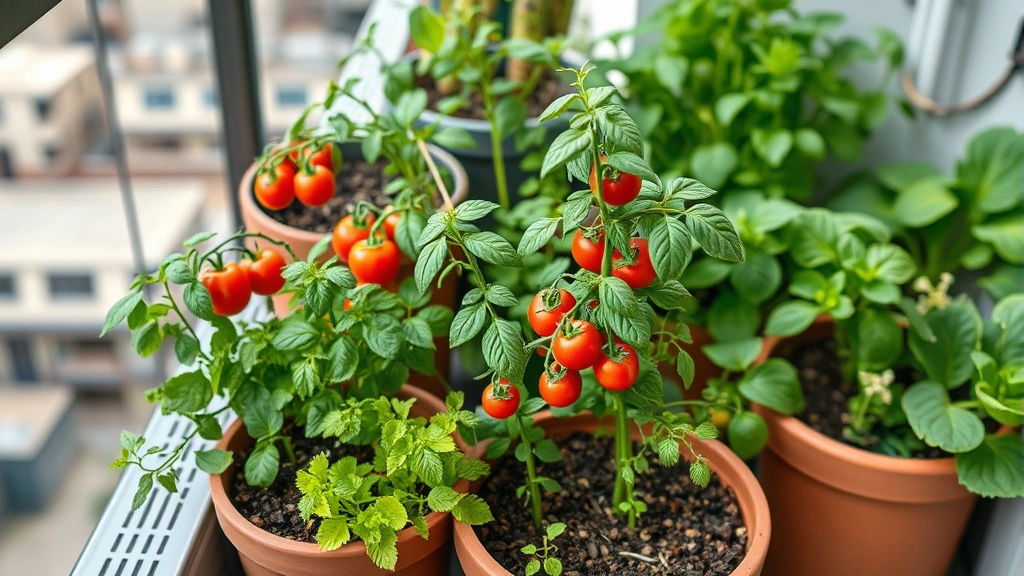
Before investing in plants and infrastructure, conduct a thorough assessment of your loft’s light patterns throughout the day. Urban lofts typically receive 4-8 hours of direct sunlight depending on orientation and surrounding buildings. South-facing exposures provide maximum light, while north-facing lofts require shade-tolerant varieties. Document light intensity at different times of year, as winter sun angles differ significantly from summer.
Most loft dwellers benefit from installing a vertical garden system that allows flexible light positioning. This flexibility proves invaluable when natural light proves inconsistent. Consider your loft’s weight capacity—architects recommend checking structural documentation before adding substantial garden infrastructure. A 4-inch layer of potting soil weighs approximately 40 pounds per 100 square feet, making load distribution critical for second-floor and higher units.
Wind exposure represents another crucial factor. Rooftop and elevated loft gardens experience stronger wind conditions that stress plants and increase water evaporation. Position taller structures strategically to create windbreaks while maintaining air circulation. Microclimate creation through thoughtful placement of containers and structures can reduce water loss by 30-40%.
Vertical Gardening Systems for Maximum Yield
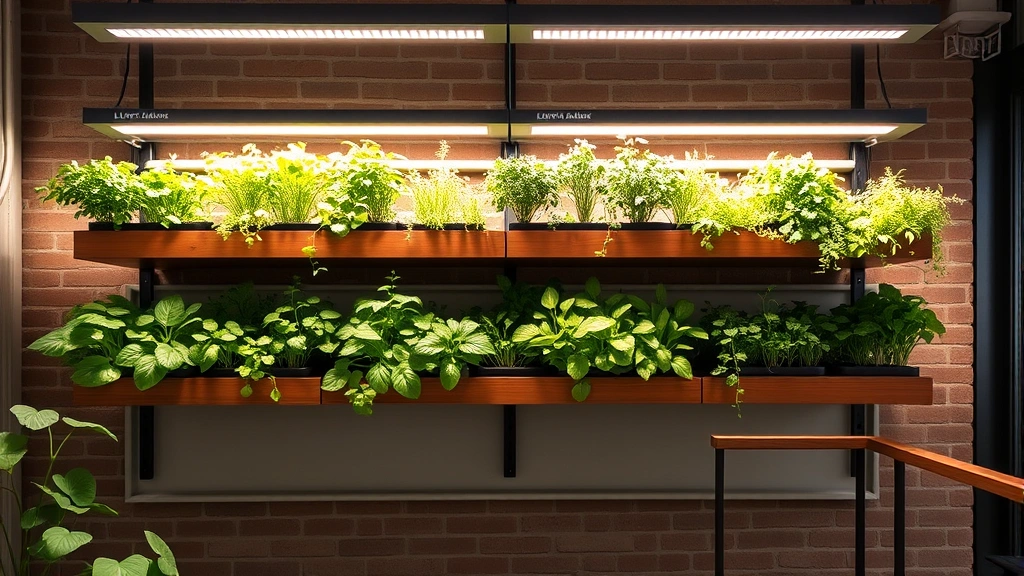
Vertical gardening transforms limited loft spaces into productive growing zones. Wall-mounted systems, tiered shelving, and hanging planters allow gardeners to cultivate 5-10 times more plants within the same footprint as traditional horizontal gardens. Architects favor modular systems that accommodate various plant sizes and accommodate future modifications.
Living walls and green screens serve dual purposes: they produce food and herbs while improving aesthetic appeal and air quality. Hydroponic and aeroponic systems work exceptionally well in lofts where weight and water management are concerns. These soil-free systems use 90% less water than traditional gardening and produce faster growth cycles. Drip irrigation integrated into vertical systems ensures consistent moisture delivery while minimizing waste.
For those seeking simpler solutions, raised garden beds adapted for loft spaces offer excellent productivity. Shallow-depth versions (8-12 inches) accommodate most herbs, lettuces, and root vegetables while maintaining manageable weight distribution. Stacked configurations create visual interest while maximizing growing surface area.
Tiered shelving systems allow for organized plant progression—seedlings on lower shelves, established plants higher up. This arrangement improves light exposure for lower plants while creating an attractive display. Ensure shelving materials can withstand humidity and water exposure; stainless steel and treated wood outperform untreated materials.
Container Selection and Soil Considerations
Container choice dramatically impacts loft garden success. Lightweight materials like fiberglass and recycled plastic composites reduce structural stress while maintaining durability. Containers with integrated drainage systems prevent water accumulation that causes root rot and creates humidity issues in enclosed loft spaces.
Soil composition differs from traditional garden soil. Loft gardens benefit from lightweight, fast-draining potting mixes that prevent waterlogging in containers without ground drainage. Premium potting soils containing perlite, vermiculite, and coconut coir provide excellent aeration while reducing weight compared to garden soil. Consider adding coffee grounds to potting mixes—they improve drainage while adding organic matter and nitrogen.
Container sizing matters tremendously. Herbs require 6-8 inches of depth, while vegetables need 10-12 inches minimum. Deeper containers retain moisture longer in windy loft environments, reducing watering frequency. However, oversized containers waste resources and create excessive weight. Match container size to mature plant dimensions for optimal results.
Moisture retention becomes critical in elevated loft gardens where wind increases evaporation. Adding mulch layers (1-2 inches) of straw or shredded leaves conserves soil moisture while moderating temperature fluctuations. Mulch also prevents soil splashing during watering, reducing disease transmission.
Best Plants for Loft Environments
Successful loft gardens focus on productive, compact plants suited to container growing. Garden lettuce thrives in loft conditions, providing continuous harvests with minimal space requirements. Leaf varieties tolerate partial shade better than heading types, making them ideal for less-sunny exposures.
Herbs represent the most practical loft garden choice. Basil, parsley, cilantro, chives, and oregano produce abundantly in containers while tolerating variable light conditions. These culinary staples provide immediate gratification—fresh herbs within arm’s reach beats store-bought alternatives. Perennial herbs like thyme and rosemary establish permanent positions, reducing replanting needs.
Compact vegetable varieties designed for container growing excel in loft environments. Cherry tomatoes, dwarf peppers, bush beans, and compact squash varieties produce substantially without sprawling. Determinate (bush) varieties outperform indeterminate (vining) types in space-constrained lofts. Select disease-resistant cultivars—loft microclimates sometimes promote fungal issues due to limited air circulation.
Microgreens and sprouts offer exceptional productivity in minimal space. These nutrient-dense crops mature in 7-14 days, allowing continuous harvests from small growing areas. Shallow trays of microgreens require no special equipment beyond shelving and basic watering systems.
Consider ornamental edibles that blur the line between productive and decorative gardening. Nasturtiums, borage, and calendula add visual appeal while producing edible flowers. Garden statues and artistic elements integrate seamlessly with flowering plants, creating sophisticated loft garden designs.
Water Management and Drainage Solutions
Water management represents the most critical infrastructure consideration for loft gardens. Structural damage from water penetration far exceeds any garden benefit, making proper drainage non-negotiable. All containers must have drainage holes; water must exit the loft space entirely, not collect on floors or leak to units below.
Implement tiered drainage systems with catch trays that direct water toward designated drain areas or collection systems. Permeable flooring materials in gardening zones allow water passage while preventing puddles. Sloped surfaces guide water toward drains naturally, reducing standing water issues.
Automated watering systems prove invaluable for busy loft gardeners. Drip irrigation connected to timers delivers precise water quantities while reducing manual labor. Moisture sensors prevent overwatering—a common mistake in container gardening. Smart systems adjust watering schedules based on weather conditions and seasonal changes.
Rainwater collection systems supplement municipal water supplies in lofts with roof access. Gutters and downspouts direct rainfall to storage containers, providing free irrigation water while reducing environmental impact. Filtered systems prevent mosquito breeding and sediment accumulation.
Design Aesthetics and Structural Integration
Modern loft gardens balance productivity with architectural harmony. Open industrial lofts benefit from structured planting arrangements that complement exposed brick, steel beams, and polished concrete. Uniform container sizes and organized vertical systems create visual rhythm while maximizing space efficiency.
Color coordination elevates loft gardens from purely functional to genuinely beautiful spaces. Containers in complementary or monochromatic palettes create cohesive designs. Plant selection should consider foliage colors and flower hues—silvery herbs like dusty miller provide visual contrast against deep green vegetables.
Vertical gardens function as living art installations when thoughtfully designed. Staggered planting heights, varied container materials, and strategic lighting create dynamic displays that change seasonally. Integrated seating areas allow gardeners to enjoy their spaces while monitoring plant health.
Lighting design extends growing seasons and creates ambiance. LED grow lights positioned above planting areas support photosynthesis during limited winter daylight. Decorative lighting highlights garden features during evening hours, transforming loft spaces into functional outdoor rooms.
Seasonal Adaptations for Year-Round Growing
Successful loft gardeners adjust strategies seasonally to maintain productivity. Spring and summer allow maximum outdoor cultivation, while fall and winter require protective measures. Cold-hardy varieties like kale, spinach, and winter lettuce extend growing seasons into colder months. Cold frames or protective covers shield sensitive plants from frost while maintaining light access.
Summer heat stress requires vigilant watering and strategic shading. Shade cloth reduces intense afternoon sun while maintaining adequate light for photosynthesis. Grouping containers together increases humidity and provides mutual protection from wind.
Fall transitions bring pest pressures as outdoor populations seek shelter indoors. Regular inspection and organic pest management prevent infestations from damaging winter crops. Neem oil and insecticidal soaps address common pests without harsh chemicals.
Winter presents unique opportunities for cool-season crops and indoor seed starting. Lofts with adequate light support early seedlings for spring planting. Succession planting—staggering planting dates every 2-3 weeks—ensures continuous harvests throughout growing seasons.
Spring cleaning refreshes garden infrastructure. Sanitize containers with diluted bleach solutions, replace depleted potting soil, and inspect structural elements for weather damage. Early season fertilization with balanced nutrients supports vigorous growth as day length increases.
FAQ
How much weight can typical loft floors support for gardening?
Most residential loft floors support 40-50 pounds per square foot. Consult structural engineers or building documentation before installing permanent garden infrastructure. Distribute weight evenly across larger areas rather than concentrating it in small zones. Lightweight containers and soil-free systems reduce structural stress.
Can I grow vegetables in a loft with only 4 hours of direct sunlight?
Yes, though productivity decreases compared to 6-8 hour exposures. Shade-tolerant vegetables like lettuce, spinach, kale, and herbs thrive with 4 hours of direct light plus several hours of indirect light. Supplement with LED grow lights to increase yields significantly.
What’s the best way to prevent water damage to units below?
Install waterproof barriers beneath all planting areas, use containers with drainage holes that direct water away from the loft structure, and maintain clear drainage paths. Consider professional waterproofing services for permanent installations. Regular inspection prevents leaks before they cause damage.
Which herbs produce best in container gardens?
Basil, parsley, chives, cilantro, oregano, thyme, and mint excel in containers. These culinary herbs tolerate partial shade and variable watering schedules better than finicky plants. Perennial herbs like thyme and oregano establish permanent positions with minimal maintenance.
How often should I water loft container gardens?
Frequency depends on container size, soil composition, weather conditions, and plant type. Check soil moisture daily by inserting a finger 1-2 inches deep; water when soil feels dry at that depth. Elevated lofts with wind exposure may require daily watering during hot seasons. Automated systems eliminate guesswork.
Can I use regular garden soil in loft containers?
No—garden soil compacts in containers, preventing drainage and root development. Use lightweight potting mixes specifically formulated for containers. These mixes contain perlite, vermiculite, and coconut coir for superior drainage and aeration. They’re essential for loft garden success.


