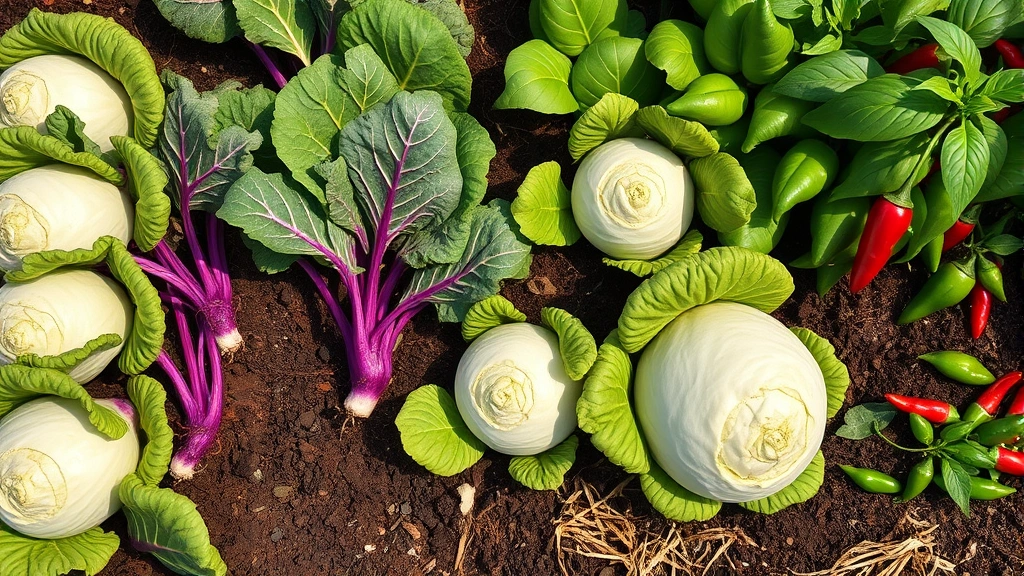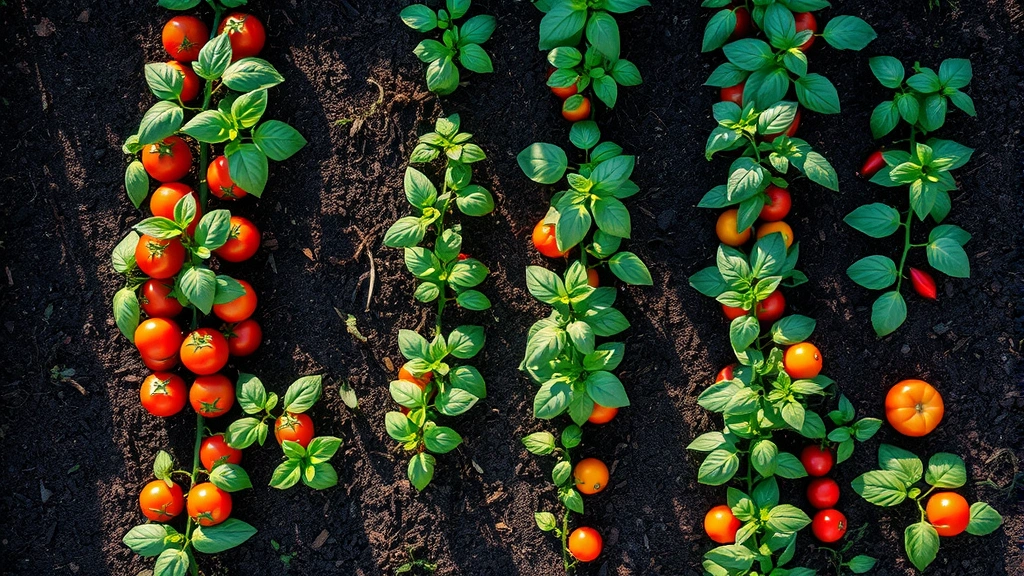
How to Start a Yummy Garden: Expert Advice for Growing Delicious Edibles
Creating a yummy garden filled with fresh, flavorful produce is one of the most rewarding gardening projects you can undertake. Whether you’re dreaming of sun-warmed tomatoes, crisp lettuce, juicy berries, or aromatic herbs, a productive edible garden transforms your outdoor space into a personal farmers market. The best part? You don’t need extensive experience, a large yard, or expensive equipment to grow delicious food at home.
Starting a yummy garden begins with understanding your growing conditions, selecting the right plants for your climate, and establishing simple maintenance routines. This comprehensive guide walks you through every step, from planning and preparation to harvest and preservation, so you can confidently grow nutritious, tasty vegetables, fruits, and herbs throughout the seasons.
Assess Your Growing Space and Sunlight
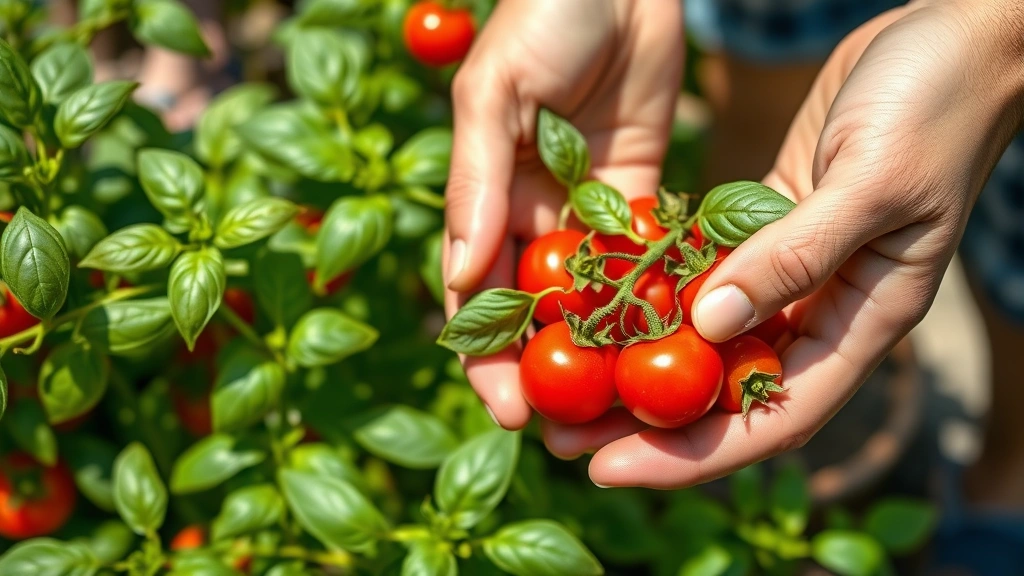
The foundation of any successful yummy garden is understanding your available space and how much sunlight it receives. Most edible plants—especially tomatoes, peppers, beans, and berries—require at least 6-8 hours of direct sunlight daily to produce abundantly and develop full flavor. Leafy greens like lettuce and spinach tolerate partial shade (4-6 hours), making them perfect for less sunny areas.
Spend a few days observing your yard at different times. Note where shadows fall in morning, afternoon, and evening. Identify the sunniest spots that aren’t shaded by trees, buildings, or fences. If your space has limited sunlight, consider growing blueberries in containers, which can be positioned in optimal light. Container gardening offers flexibility—you can move plants as seasons change and the sun’s angle shifts.
Assess drainage patterns too. After rain, does water pool in certain areas or drain quickly? Edible plants generally prefer well-draining soil that doesn’t stay waterlogged. If your yard has drainage challenges, making a raised garden bed elevates your growing area and provides superior drainage control.
Choose Your Yummy Garden Location
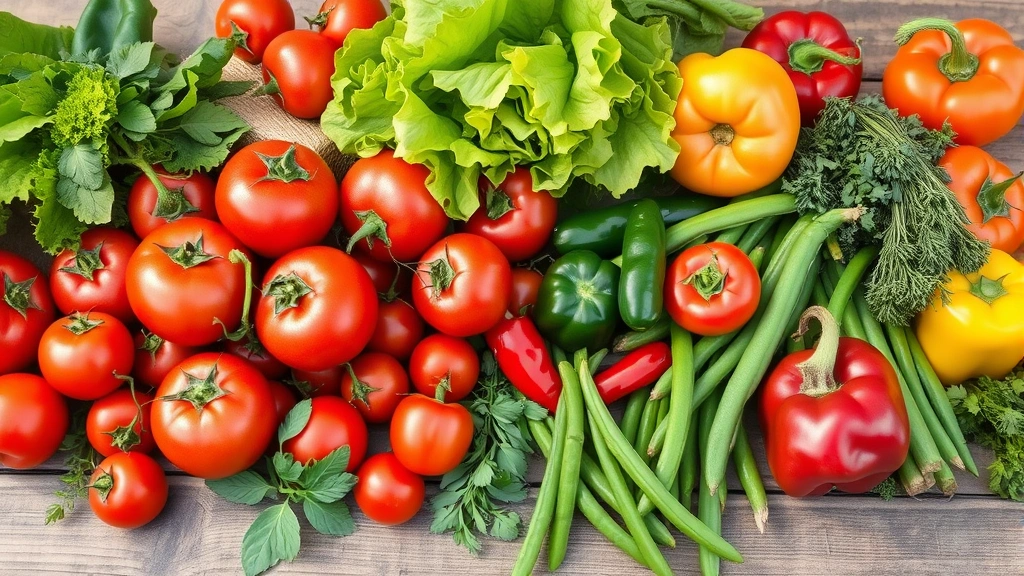
Location is critical for yummy garden success. Beyond sunlight, consider proximity to your kitchen—gardeners are more likely to harvest and use vegetables when they’re conveniently accessible. A garden near your back door encourages frequent visits for fresh herbs, ripe tomatoes, and crisp salad greens.
Choose a spot with easy access to water. Whether you use a hose, drip irrigation, or hand-watering, you’ll need to water regularly during growing season. Placing your garden within reach of an outdoor faucet reduces the burden of daily maintenance. Avoid areas directly under large trees, which compete for water and nutrients while creating excessive shade.
Consider wind exposure. While some air circulation prevents fungal diseases, strong winds stress plants and increase water loss. If your yard is particularly windy, a garden arch or trellis provides windbreaks while supporting climbing plants like beans and cucumbers. Ensure your chosen location has relatively level ground to prevent water runoff and erosion.
Avoid areas near septic systems, buried utilities, or contaminated soil. If you live in an urban area, test soil for lead and heavy metals before planting edibles. Many local extension services offer affordable soil testing—contact your SARE regional program for resources.
Select High-Yield, Flavorful Plants
Building a yummy garden starts with choosing plants that produce abundantly and taste delicious. Prioritize vegetables and fruits your family actually enjoys eating. Some top performers for home gardeners include:
- Tomatoes: Cherry, heirloom, and determinate varieties offer exceptional flavor. Plant in warm soil after frost danger passes.
- Herbs: Basil, parsley, cilantro, rosemary, and thyme provide continuous harvests and enhance every meal.
- Leafy Greens: Lettuce, spinach, kale, and arugula grow quickly and tolerate cool weather.
- Peppers: Both sweet and hot varieties thrive in warm conditions and produce for months.
- Beans: Bush and pole varieties fix nitrogen naturally, improving soil while providing protein-rich harvests.
- Berries: Strawberries, blueberries, and raspberries deliver fresh fruit and attract pollinators.
- Cucumbers: Prolific vining plants perfect for vertical growing and fresh summer salads.
- Root Vegetables: Carrots, beets, and radishes grow in containers or ground beds with minimal fuss.
Start with 5-8 different plants your first year rather than overwhelming yourself with too many varieties. Once you develop confidence and understand your local growing conditions, expand your selections. Visit your local American Horticultural Society or extension office to learn which varieties perform best in your specific region.
Prepare Your Soil for Success
Rich, healthy soil is the secret ingredient in every yummy garden. Well-amended soil provides nutrients, retains moisture appropriately, and supports beneficial microorganisms that keep plants healthy. Before planting, invest time improving your soil.
Start by testing your soil pH and nutrient content through your local cooperative extension service. Most edible plants prefer slightly acidic to neutral soil (pH 6.0-7.0). Based on test results, amend your soil with organic matter:
- Compost (homemade or purchased)
- Well-rotted manure
- Peat moss or coconut coir
- Aged bark or wood chips
- Leaf mold from decomposed leaves
Incorporate 2-4 inches of organic matter into the top 8-12 inches of existing soil. This improves structure, increases water-holding capacity, and provides slow-release nutrients. If your native soil is poor or contaminated, build raised beds filled with quality soil mix. This approach gives you complete control over soil composition and eliminates concerns about existing contamination.
Healthy soil should crumble easily in your hand and smell earthy and pleasant. Avoid compacted, clay-heavy soils that drain poorly and restrict root development. If you’re dealing with heavy clay, incorporate coarse sand and abundant organic matter to improve drainage and workability.
Plan Your Garden Layout
Thoughtful garden design maximizes production and makes maintenance easier. Sketch your garden on paper, noting sun exposure patterns and water access. Group plants with similar watering needs together. This allows you to water efficiently without wasting water on drought-tolerant plants or leaving thirsty plants underwatered.
Consider plant heights and spacing. Tall plants (tomatoes, pole beans, corn) shouldn’t shade shorter plants (lettuce, spinach, peppers). Arrange them so sun reaches all plants throughout the day. Plant spreading vegetables like squash and pumpkins where they won’t overtake neighbors. Leave adequate spacing between plants for air circulation, which prevents fungal diseases.
Practice crop rotation by moving plant families to different locations each year. This reduces pest and disease buildup while balancing nutrient demands. Tomatoes, peppers, and potatoes (nightshade family) shouldn’t occupy the same spot year after year. Similarly, beans and peas (legumes) naturally enrich soil, so they benefit subsequent plantings of heavy feeders like tomatoes.
Create pathways between beds for easy harvesting and maintenance access. Narrow paths (18-24 inches) work for small gardens, while wider paths improve accessibility and reduce stepping on soil, which causes compaction. If space is extremely limited, vertical growing with trellises and stakes maximizes production in compact areas.
Essential Tools and Supplies
You don’t need an extensive collection of expensive equipment to start a yummy garden. Basic garden tools make work easier and more efficient. Essential items include:
- Hand Tools: Spade, shovel, hoe, trowel, and cultivator for soil preparation and weeding
- Watering Equipment: Hose with adjustable nozzle or soaker hoses for efficient watering
- Pruning Tools: Pruners, shears, and loppers for harvesting and plant maintenance
- Supports: Stakes, cages, and trellises for supporting tomatoes, beans, and climbing plants
- Soil Amendments: Compost, fertilizer, and mulch for soil health and plant nutrition
- Protective Gear: Gloves, hat, and sunscreen for comfortable gardening
- Testing Equipment: Soil pH meter and moisture gauge to monitor growing conditions
Invest in quality tools that feel comfortable in your hands—gardening should be enjoyable, not exhausting. Well-made tools last years longer than cheap alternatives and actually reduce physical strain during use.
Planting and Seasonal Timing
Successful gardening depends on planting at the right time for your climate. Your local frost dates determine when to plant frost-sensitive plants like tomatoes, peppers, basil, and squash. Cool-season crops (lettuce, spinach, broccoli, peas) tolerate frost and prefer temperatures below 70°F, so plant them in spring before last frost and again in late summer for fall harvest.
Consult your USDA Plant Hardiness Zone map to understand your region’s growing season. This determines which perennial plants (berries, asparagus, rhubarb) succeed in your area. Check your local cooperative extension for specific frost dates and seasonal planting calendars tailored to your location.
Start seeds indoors 6-8 weeks before transplanting for tomatoes, peppers, and eggplants. This extends your growing season and produces stocky, healthy transplants. Direct seed quick-growing crops like beans, carrots, and radishes outdoors after frost danger passes. Follow spacing recommendations on seed packets to ensure proper air circulation and nutrient availability.
Succession planting extends harvests throughout the season. Instead of planting all lettuce at once, sow new seeds every 2-3 weeks for continuous supplies. Similarly, plant bush beans every two weeks through mid-summer for non-stop production. This strategy keeps your yummy garden producing fresh food all season long.
Watering, Feeding, and Maintenance
Consistent watering is crucial for flavorful produce. Most edible plants need 1-2 inches weekly, provided by rain or irrigation. Water deeply but less frequently to encourage deep root development. Shallow, frequent watering creates weak root systems prone to stress.
Water early morning to reduce fungal disease risk. Wet foliage dries quickly in morning sun, preventing conditions that favor mildew and leaf spots. Avoid evening watering, which leaves plants wet overnight—ideal conditions for disease development.
Drip irrigation and soaker hoses deliver water directly to roots while minimizing leaf wetness. These methods are more efficient than overhead sprinklers and reduce water waste through evaporation. Mulch around plants (2-3 inches of organic material) conserves soil moisture, moderates temperature, and suppresses weeds.
Feed your plants throughout the growing season. Begin with soil rich in organic matter, then apply balanced fertilizer monthly. Organic options include compost tea, fish emulsion, and seaweed extract. For heavy feeders like tomatoes and corn, apply additional nitrogen-rich fertilizer mid-season. Follow package directions to avoid over-fertilizing, which produces lush foliage but reduces fruit production and flavor.
Remove weeds regularly—they compete for water, nutrients, and light. Hand-pull weeds when soil is moist to remove entire root systems. Mulch prevents many weeds from germinating in the first place. Pruning tomato suckers and removing lower leaves improves air circulation, reducing disease pressure while directing energy into fruit production.
Managing Pests Naturally
Healthy plants in well-maintained gardens naturally resist pests and diseases better than stressed plants. Start with prevention: choose disease-resistant varieties, plant in appropriate light conditions, space plants for good air circulation, and water at soil level to keep foliage dry.
Monitor plants regularly for pest damage. Catching problems early makes control easier. Hand-pick large insects like hornworms and beetles. Spray foliage with strong water to dislodge aphids and spider mites. Remove heavily infested leaves and discard them (not in compost).
Encourage beneficial insects that prey on pests. Plant flowering herbs like dill, fennel, and cilantro alongside vegetables. These attract pollinators and parasitic wasps that control pest populations. Avoid broad-spectrum pesticides, which kill beneficial insects along with pests.
For persistent problems, use organic controls approved for edible gardens: neem oil for insects, sulfur for fungal diseases, and insecticidal soap for soft-bodied pests. Always follow label directions and harvest intervals. Never apply pesticides within the recommended timeframe before eating produce.
Harvesting at Peak Flavor
Timing harvests at peak ripeness ensures maximum flavor and nutrition. Most vegetables taste best when harvested young to mature but before over-ripening. Here are timing guidelines for common crops:
- Tomatoes: Harvest when fully colored but still slightly firm. Vine-ripened tomatoes taste far superior to those ripened indoors.
- Herbs: Harvest leaves before flowering for best flavor. Morning harvesting after dew dries maximizes aromatic oils.
- Leafy Greens: Pick outer leaves continuously from mature plants, or harvest entire plants when young and tender.
- Peppers: Harvest green for slightly bitter flavor or wait for full color development (red, yellow, orange) for sweetness.
- Beans: Pick snap beans when pods are tender and beans inside are small. Harvest frequently to encourage continued production.
- Cucumbers: Harvest when 6-8 inches long for best crispness and minimal seed development.
- Berries: Pick fully ripe berries that come off easily—they don’t ripen after harvesting.
Harvest in early morning when plants are fully hydrated, producing crisper, more flavorful produce. Use clean, sharp tools to avoid damaging plants. Regular harvesting encourages continued production—plants that mature fully often stop producing new flowers and fruit.
Enjoy your harvest fresh, or preserve excess through freezing, canning, or dehydrating. Home-preserved vegetables and fruits taste dramatically better than store-bought equivalents because you control ripeness and processing timing. Visit your local National Center for Home Food Preservation for tested preservation methods.
FAQ
What’s the easiest vegetable for beginners to grow?
Cherry tomatoes, lettuce, and herbs like basil are exceptionally forgiving for beginners. They tolerate minor mistakes, produce quickly, and provide obvious results that build gardening confidence. Zucchini and summer squash also produce abundantly with minimal care.
Can I grow a yummy garden in containers?
Absolutely! Containers work wonderfully for vegetables, herbs, and even dwarf fruit varieties. Use quality potting soil (not garden soil), ensure adequate drainage holes, and water more frequently since containers dry faster than ground beds. Container gardening offers flexibility for renters and those with limited space or poor soil.
How much space do I need?
You can produce surprising amounts in small spaces. A 4×8 foot raised bed feeds a family of four with careful planning and succession planting. Vertical growing with trellises maximizes production in compact areas. Even a sunny windowsill supports productive herb containers.
When should I start a yummy garden?
Spring (after last frost) is ideal for most regions, but you can extend seasons with careful planning. Plant cool-season crops in early spring and late summer. In mild climates, gardening continues year-round. Check your local cooperative extension for specific planting calendars.
How do I prevent common garden pests?
Healthy soil, proper spacing, regular watering, and good sanitation prevent most problems. Remove diseased leaves, rotate crops yearly, and encourage beneficial insects. Hand-pick large pests and use organic controls only when necessary, following all label directions carefully.
What if my soil is poor quality?
Build raised beds filled with quality soil mix, or amend existing soil heavily with compost and organic matter. Even poor soil improves dramatically with annual additions of 2-3 inches of compost. Patience and consistent soil building create productive gardens from challenging starting points.