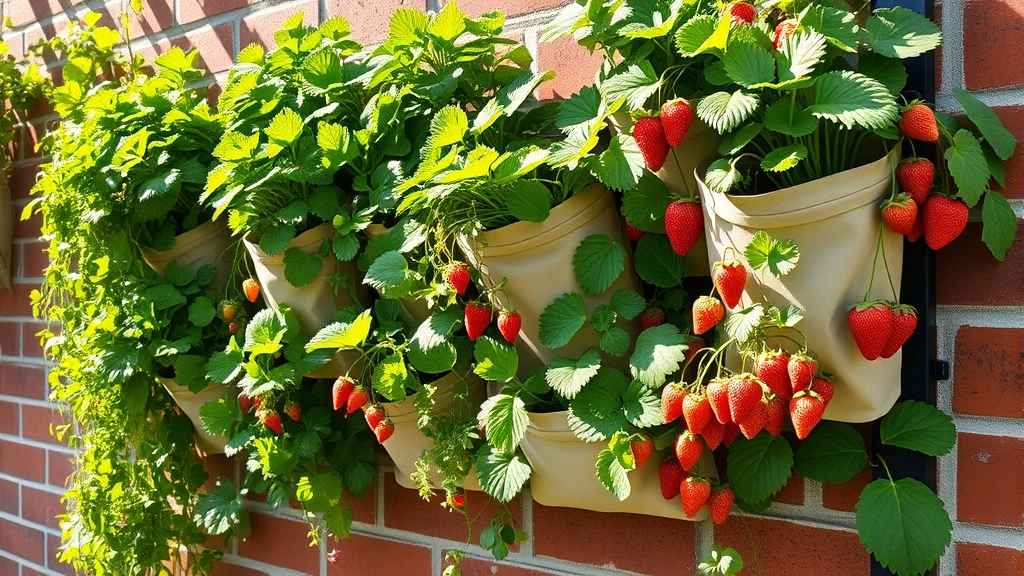
Growing a garden wall is an innovative and space-efficient way to maximize your gardening potential, whether you’re working with a small urban balcony or a sprawling backyard. A garden wall, sometimes called a living wall or vertical garden, transforms ordinary wall space into a lush, productive growing area. This technique has gained tremendous popularity among gardeners who want to increase their yield without expanding their footprint, and it’s surprisingly achievable for both beginners and experienced growers.
The concept of growing upward rather than outward isn’t just about aesthetics—it’s a practical solution for modern gardening challenges. By utilizing vertical space, you can grow more plants in less area, improve air circulation around your plants, and create a stunning focal point in your garden. Whether you’re interested in cultivating fresh vegetables, fragrant herbs, or colorful flowers, a garden wall offers endless possibilities for creative and productive gardening.
Understanding Garden Walls and Vertical Growing Systems
Garden walls represent a fundamental shift in how we approach plant cultivation. Rather than traditional horizontal growing methods, vertical gardens utilize wall space, trellises, and specialized mounting systems to create three-dimensional growing environments. This approach has roots in both ancient and modern horticultural practices, from the hanging gardens of historical civilizations to contemporary urban farming initiatives.
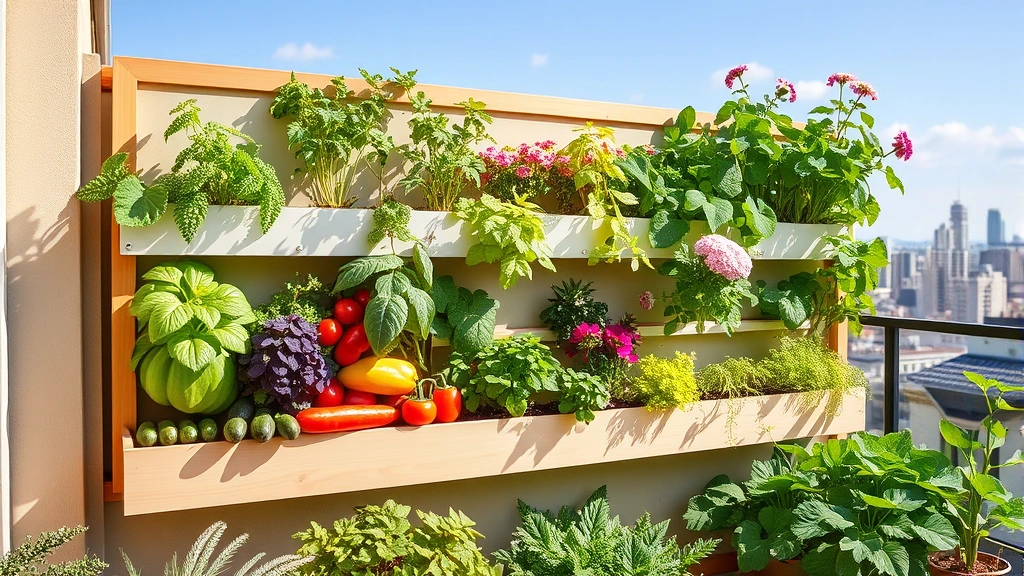
There are several types of vertical growing systems available. Pocket systems feature fabric pouches attached to a backing material, allowing you to plant directly into individual pockets. Panel systems use rigid structures with built-in planting areas, while trellis systems provide support for climbing and vining plants. Modular systems offer flexibility, allowing you to add or remove sections as needed. Each system has distinct advantages depending on your space, budget, and gardening goals.
When you start a flower garden on a vertical surface, you’re essentially creating a microclimate with unique growing conditions. Height variations mean different light exposure, temperature fluctuations, and moisture distribution patterns. Understanding these microclimates is crucial for selecting appropriate plants and ensuring successful growth throughout your garden wall.
The benefits of vertical gardening extend beyond space savings. These systems improve air circulation, reduce soil-borne disease pressure, and make harvesting and maintenance easier on your back. Additionally, garden walls can increase property value, provide privacy screening, and create beautiful visual interest in otherwise bland spaces.
Choosing the Right Location and Structure
Location is perhaps the most critical factor in garden wall success. Before installing anything, spend time observing your potential wall space throughout the day. Note how many hours of direct sunlight it receives, whether morning or afternoon sun is most intense, and how shade patterns change seasonally. Most vegetables and flowers require at least six to eight hours of sunlight daily, though some shade-tolerant plants can thrive with less.
Assess the wall’s structural integrity and material composition. Brick, stone, and concrete walls provide excellent support for mounting systems, while wood siding requires careful planning to avoid moisture damage. Metal walls conduct heat differently, which affects soil temperature and plant stress levels. South-facing walls typically offer the most consistent sunlight but may require additional shading in extremely hot climates. North-facing walls work well for shade-loving plants like hostas and ferns.
Water drainage is another essential consideration. Ensure water can drain safely away from your home’s foundation and won’t damage siding, paint, or landscaping below the garden wall. Installing a waterproof barrier or drip tray system prevents water damage while capturing excess moisture for environmental sustainability.
The structural support system must be robust enough to handle the weight of soil, water, and mature plants. A square foot of saturated growing medium weighs approximately 100 pounds, so calculate total load carefully. For heavy systems, you may need to reinforce the wall or consult with a structural engineer. Lighter options like pocket systems reduce weight stress while still offering impressive growing capacity.
Consider accessibility when planning your garden wall installation. While reaching high areas is challenging, positioning the most frequently harvested plants at comfortable shoulder height maximizes convenience. Reserve upper areas for trailing plants and decorative specimens that don’t require frequent picking.
Selecting Plants for Your Vertical Garden
Not all plants thrive in vertical growing systems. Success depends on choosing species suited to vertical cultivation, your climate zone, and available light. Shallow-rooted plants work best in pocket systems, while deeper-rooted vegetables need more substantial growing medium depth.
Growing lettuce vertically is an excellent starting point for beginners. Lettuce has shallow roots, tolerates partial shade, and produces continuously throughout the growing season. Other leafy greens like spinach, arugula, and kale adapt well to vertical systems. Herbs such as basil, thyme, parsley, and oregano flourish in wall gardens, providing fresh seasoning just steps from your kitchen.
For edible production, consider compact vegetable varieties bred for container growing. Cherry tomatoes, bush beans, and compact pepper varieties yield abundantly in vertical systems. Strawberries are particularly well-suited to pocket systems, cascading beautifully while producing sweet fruit. Trailing herbs like creeping thyme and trailing rosemary add both beauty and functionality to upper wall sections.
Flowering plants transform garden walls into living art. Petunias, marigolds, calibrachoa, and verbena cascade gracefully and bloom prolifically. Shade-tolerant options include impatiens, begonias, and hostas. For permanent installations, consider growing sage and other perennial herbs that provide year-round interest and functionality.
Root depth requirements vary significantly among plants. Plan your wall layout with this in mind—place shallow-rooted plants in pocket systems and reserve deeper growing medium areas for vegetables and larger specimens. Succession planting extends your harvest season, so rotate cool-season crops like lettuce and spinach with warm-season producers like basil and tomatoes.
Building and Installing Your Garden Wall
Before beginning installation, gather necessary materials and tools. You’ll need your chosen growing system, growing medium, plants or seeds, mounting hardware, waterproofing materials, and irrigation equipment. Having everything ready prevents delays and ensures professional-looking results.
Start by preparing your wall surface thoroughly. Clean away dirt, algae, and loose material. If using wood siding, apply waterproof sealant to protect against moisture damage. Install a moisture barrier between the wall and your growing system—this prevents water penetration that could damage your home’s structure. Landscape fabric or specialized waterproofing membranes work effectively for this purpose.
Mount your growing system securely, checking level and alignment frequently. Use appropriate fasteners for your wall material—masonry anchors for concrete, toggle bolts for hollow walls, and galvanized screws for wood. Space mounting points according to system specifications to ensure adequate support for the growing medium weight.
Once the structure is installed, prepare your growing medium. Unlike traditional garden soil, vertical systems require specialized blends that retain moisture while providing excellent drainage. A mixture of coconut coir, perlite, and compost creates an ideal growing environment. Preparing proper soil for your garden is just as important in vertical systems as in traditional beds.
Fill your system carefully, working from bottom to top to ensure even distribution. Water thoroughly before planting to settle the medium and eliminate air pockets. Allow the system to stabilize for a few days before introducing plants, giving the growing medium time to achieve proper moisture balance.
Plant selection timing matters significantly. For pocket systems, start with mature transplants rather than seeds—they establish faster and require less babying during the critical early growth phase. Space plants appropriately, considering their mature size rather than current dimensions. Overcrowding reduces air circulation and increases disease pressure.
Watering and Maintenance Strategies
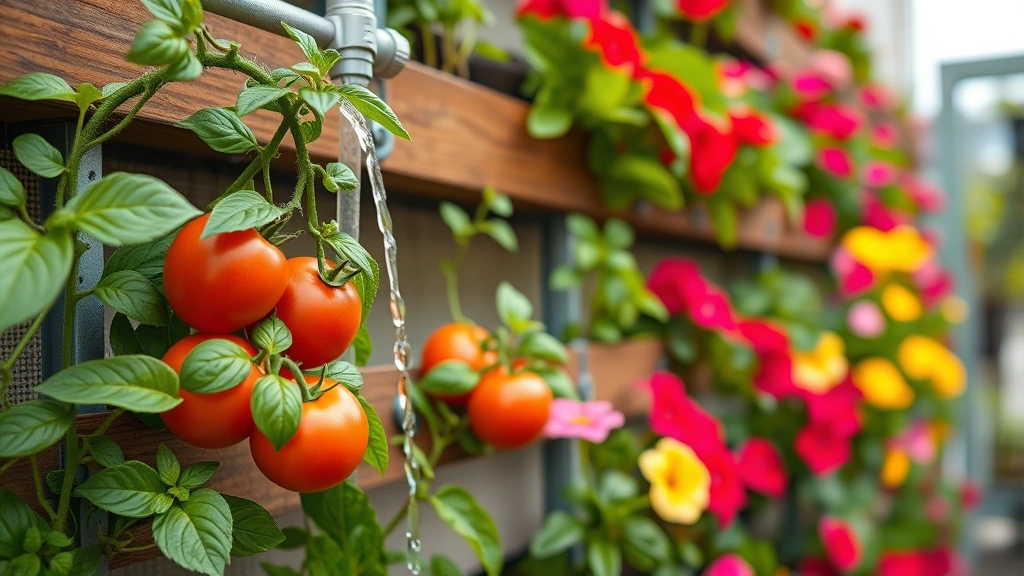
Irrigation is the most critical ongoing task for garden wall success. Vertical systems dry out faster than traditional gardens because water drains rapidly through the growing medium. Hand watering works for small installations, but drip irrigation systems provide consistent moisture for larger walls and reduce daily labor requirements.
Install irrigation lines at the top of your garden wall, allowing water to drip gradually through the growing medium. This delivers moisture directly to plant roots while minimizing waste. Drip lines also reduce foliage wetness, which prevents fungal diseases. Set timers to automate watering—early morning watering is ideal, allowing excess moisture to drain before evening.
Moisture requirements fluctuate seasonally and with weather conditions. During hot summers, you may need to water daily or even twice daily, while winter dormancy requires minimal irrigation. Check soil moisture regularly by inserting your finger into the growing medium. Water when the top inch feels dry, adjusting frequency based on actual conditions rather than fixed schedules.
Fertilization becomes more critical in vertical systems because regular watering leaches nutrients from the limited growing medium. Apply balanced, slow-release fertilizer monthly, or use liquid fertilizer every two weeks during active growing season. Organic options like fish emulsion and seaweed extract support healthy growth while building soil biology.
Pruning and deadheading encourage bushier growth and continuous flowering or fruiting. Remove spent flowers regularly to redirect energy toward new blooms rather than seed production. Pinch growing tips of young plants to promote branching. For herbs, regular harvesting provides the same benefit while supplying fresh material for culinary use.
Monitor regularly for pests and diseases. Vertical systems’ improved air circulation reduces many disease problems, but spider mites, aphids, and whiteflies can still establish. Check undersides of leaves weekly, removing pests by hand or treating with organic insecticides if populations become problematic. Remove any diseased foliage immediately to prevent spread.
Seasonal Considerations for Garden Walls
Garden wall productivity fluctuates with seasons, requiring strategic planning for year-round interest and production. Spring is ideal for establishing your system and planting warm-season crops. Temperatures are moderate, encouraging strong root development before intense summer heat arrives.
Summer brings peak productivity for most plants but also maximum water stress. Increase irrigation frequency, monitor for heat-related issues, and provide afternoon shade if temperatures exceed 95°F consistently. Many plants struggle in intense summer heat—consider temporary shade cloth or shifting to heat-tolerant varieties like okra and sweet potato.
Fall offers a second growing season for cool-season crops. Plant lettuce, spinach, kale, and other greens in late summer for autumn harvest. These crops tolerate cooler temperatures and shorter days, often producing sweeter, more flavorful results than spring plantings. Fall’s moderate weather reduces watering needs compared to summer.
Winter presents challenges in cold climates but opportunities in mild regions. In freezing areas, most tender plants won’t survive, though cold-hardy herbs like sage and thyme persist. Consider moving tender perennials to protected locations or treating your garden wall as an annual installation, refreshing plants seasonally. In mild climates, winter is perfect for establishing cool-season crops that thrive when warm-season pests are dormant.
Plan plantings using your understanding of raised bed gardening principles adapted for vertical space. Succession planting every two to three weeks ensures continuous harvests rather than overwhelming gluts. Remove spent plants promptly, refreshing soil with compost before replanting.
Troubleshooting Common Problems
Despite best efforts, garden walls sometimes encounter challenges. Uneven drying occurs when top sections dry faster than lower areas receiving constant moisture drip. Address this by adjusting irrigation timing or installing soaker hoses that deliver water more uniformly throughout the wall.
Nutrient deficiencies manifest as yellowing foliage, stunted growth, or poor flowering. Regular fertilization prevents most deficiencies, but persistent problems may indicate pH imbalances or specific nutrient lockup. Test your growing medium periodically and adjust amendments accordingly. Nitrogen deficiency appears as pale lower leaves, while magnesium deficiency causes interveinal yellowing on older foliage.
Poor drainage creates waterlogged conditions leading to root rot and fungal diseases. If water pools at the base of your wall rather than draining, your growing medium may contain too much compost or your drainage system is inadequate. Amend future batches with more perlite or sand, and ensure water can escape below the wall system.
Inadequate light limits growth and flowering, particularly in pocket systems where plants can’t be repositioned easily. If your wall receives less than six hours of direct sun, select shade-tolerant plants or consider supplemental grow lights. LED grow lights provide sufficient light energy without excessive heat, extending your growing season and improving productivity in shaded locations.
Pest infestations escalate quickly in confined spaces where populations can explode unchecked. Inspect plants regularly, removing pests by hand or using organic controls like neem oil or insecticidal soap. Encourage beneficial insects by planting flowers nearby—ladybugs and lacewings control aphids naturally.
Structural failure occurs when mounting systems aren’t properly secured or when growing medium weight exceeds wall capacity. If your wall begins sagging or pulling away from the building, stop watering immediately and have a professional assess structural integrity. Prevent problems by calculating total load carefully before installation and using appropriate fasteners for your wall material.
FAQ
What’s the best growing medium for garden walls?
A blend of coconut coir, perlite, and compost works excellently. This mixture retains moisture while providing drainage superior to traditional garden soil. Avoid heavy potting soils that compact in vertical systems—you need airy medium that drains quickly yet holds sufficient moisture for plant growth.
How often should I water my garden wall?
Watering frequency depends on climate, season, and plant selection. Most vertical systems need daily watering during growing season, sometimes twice daily in intense heat. Check soil moisture regularly rather than following fixed schedules. Winter dormancy requires minimal water, while spring and fall need moderate irrigation.
Can I use garden tools designed for traditional beds on vertical walls?
Most traditional tools work fine for maintenance tasks like pruning and weeding. However, some specialized tools make vertical gardening easier—angled cultivators reach into pocket systems, and long-handled pruners work well for upper sections. Standard tools are sufficient to start; invest in specialized equipment only if you expand your vertical gardening significantly.
What plants grow best in partial shade?
Lettuce, spinach, kale, parsley, mint, hostas, begonias, and impatiens thrive in partial shade. Shade-tolerant herbs like oregano and thyme also perform well. If your wall receives only three to four hours of direct sun, focus on these shade-loving species rather than attempting sun-demanding tomatoes or peppers.
How do I winterize my garden wall?
In cold climates, remove tender annuals before the first frost, harvest perennial herbs, and reduce watering significantly. Drain irrigation lines to prevent freeze damage. Move tender perennials to protected locations or treat your wall as a seasonal installation, replanting with cool-season crops in fall. In mild climates, simply adjust watering and fertilization for slower winter growth.
Can I grow vegetables in a small apartment garden wall?
Absolutely. Lettuce, herbs, cherry tomatoes, and strawberries thrive in small vertical systems. Even a single pocket system on a sunny balcony produces impressive yields. Start small, learn what works in your specific conditions, and expand gradually as you gain experience and confidence.


