Squirrel-Proof Your Garden? Pro Tips Inside
Squirrels are delightful to watch as they scamper through trees and leap across fences, but when they discover your carefully cultivated garden, they transform into relentless raiders that can devastate your growing efforts. These clever rodents are notorious for digging up freshly planted seeds, stealing ripening vegetables, and stripping fruit trees bare before you have a chance to harvest. Understanding what squirrels do in a garden and implementing effective deterrent strategies is essential for protecting your plants and ensuring a bountiful harvest.
The challenge of squirrel management goes beyond simple frustration—it represents a significant threat to your garden’s success. Whether you’re growing tender seedlings, mature vegetables, or prized fruits, squirrels view your garden as an open buffet. However, the good news is that with knowledge, planning, and the right combination of tactics, you can create a garden environment that discourages squirrels while maintaining the beauty and productivity of your outdoor space. This comprehensive guide explores proven strategies that gardeners have used successfully to protect their plants from these persistent pests.
Understanding Squirrel Behavior in Gardens
Squirrels are incredibly intelligent creatures with excellent memories and problem-solving abilities. They are most active during spring and fall when they’re either searching for food to sustain themselves through warmer months or frantically burying nuts and seeds for winter survival. During these peak seasons, your garden becomes an irresistible target for their foraging activities. Understanding their motivations helps you develop more effective protection strategies.
These rodents operate on instinct and learned behavior. Once a squirrel discovers a food source in your garden, it will return repeatedly, often bringing other squirrels with it. They’re particularly attracted to areas where they’ve previously found food, which means early intervention is crucial. Squirrels have territories that typically range from one to twenty acres, depending on food availability and population density. If your garden offers superior food sources, squirrels will defend access to it and visit frequently.
The relationship between squirrels and gardens is complex because these animals serve important ecological functions—they disperse seeds, plant trees through their caching behavior, and provide food for predators. However, when their natural food sources become scarce, they increasingly turn to cultivated gardens. Climate conditions, nut crop failures, and habitat loss all influence how aggressive squirrels become in residential garden spaces.
Common Damage Patterns and Plant Targets
Squirrels cause damage to gardens through several distinct behaviors, each leaving characteristic signs. The most obvious damage is digging—squirrels excavate shallow holes throughout garden beds, particularly in freshly tilled soil where they bury nuts or search for buried treasures. These holes can dislodge seedlings and damage root systems of young plants. If you notice numerous small holes scattered across your vegetable beds, squirrels are likely the culprits.
When growing garden lettuce and other leafy greens, squirrels may strip leaves or dig around the base of plants. They’re particularly interested in sprouting seeds because the soft cotyledons and emerging roots provide concentrated nutrition. Freshly planted beds are vulnerable for the first two to three weeks, before seedlings develop protective defenses and tougher foliage.
Vegetable crops that attract squirrels include tomatoes, corn, peppers, beans, peas, and squash. They’ll bite into tomatoes and leave partially consumed fruits on the vine. Corn is especially vulnerable—squirrels will strip kernels directly from the cob or bury entire ears for later consumption. When growing peas in your garden, protect young seedlings and developing pods with netting or fencing.
Fruit trees face particular pressure from squirrels, especially during ripening season. They’ll bite into apples, pears, stone fruits, and citrus, often taking just one bite before moving to the next fruit. This behavior seems wasteful but actually serves a purpose—squirrels are testing fruits for ripeness and optimal eating quality. Nuts and seeds are also prime targets; squirrels will harvest acorns, walnuts, sunflower seeds, and other seed crops before you have a chance to collect them yourself.
Physical Barriers and Exclusion Methods
The most reliable way to protect garden plants from squirrel damage is physical exclusion. Barriers work because they prevent access entirely rather than attempting to deter animals that are motivated by hunger or instinct. Hardware cloth and sturdy fencing are your best allies in this battle.
For individual plants and small beds, quarter-inch hardware cloth cages provide excellent protection. Bury the fencing at least six inches deep and extend it twelve to eighteen inches above ground. Squirrels are exceptional climbers, so height matters—they can scale fences up to six feet tall. Consider adding an outward-angled extension at the top of your fencing; a foot-long overhang angled at forty-five degrees makes it nearly impossible for squirrels to climb over.
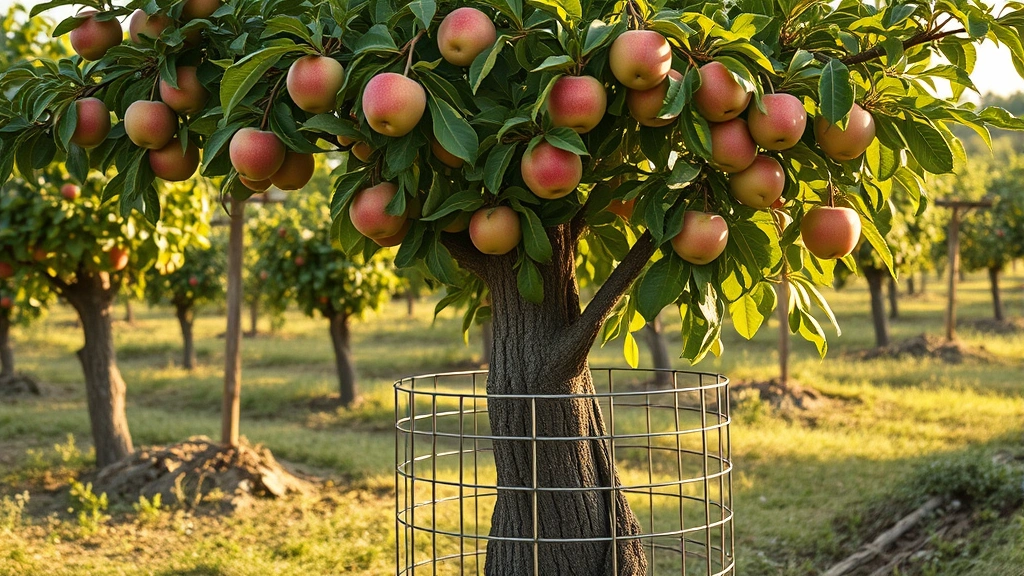
Tree guards protect individual fruit trees and nut trees from squirrel damage. Wrap smooth plastic or metal bands around the trunk at least five feet above ground. The smooth surface prevents squirrels from gaining purchase with their claws. Ensure the guard is at least four inches in diameter so squirrels can’t compress it to slip through. Remove any branches that hang within six feet of neighboring structures—squirrels will use them as launching pads to bypass your defenses.
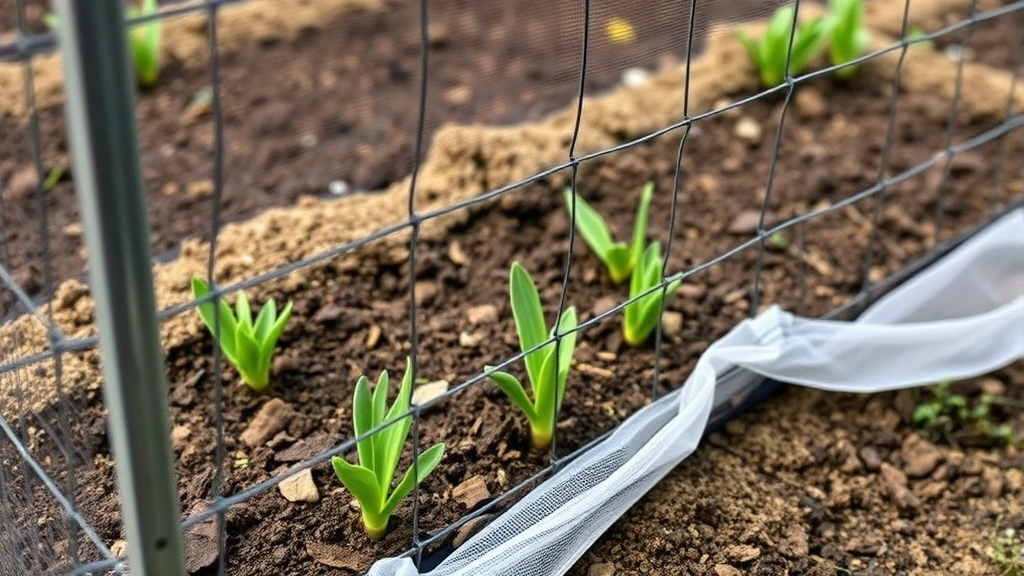
Cloches and row covers protect seedlings and young plants during vulnerable early growth stages. Floating row covers allow light and water penetration while excluding squirrels. Remove covers once plants are established and less palatable to rodents. For propagating plants indoors before transplanting, keep seedlings in protected environments until they’re larger and more resistant to damage.
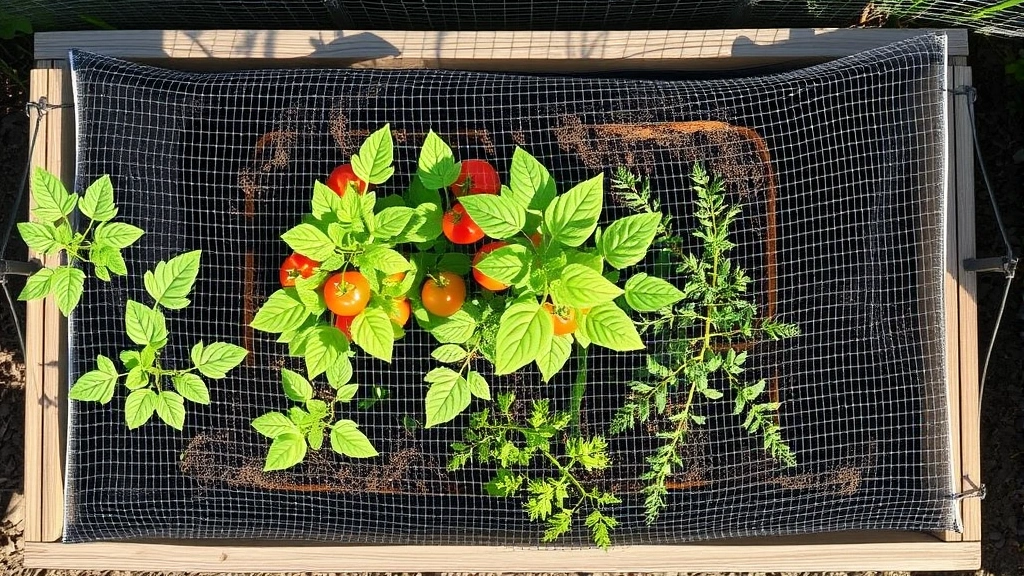
Netting provides another physical barrier option, particularly for vegetable crops and berry bushes. Use netting with half-inch mesh or smaller—larger openings allow squirrels to reach through and damage plants. Secure netting firmly to the ground and support structures so squirrels can’t burrow underneath or peel edges back.
Deterrent Strategies That Work
While physical barriers are most reliable, deterrents can supplement your protection strategy and discourage squirrels from targeting your garden in the first place. Successful deterrents work by making your garden less attractive or more difficult to access than alternative food sources.
Capsaicin-based sprays derived from hot peppers create an unpleasant sensation in squirrels’ mouths without causing injury. These sprays must be reapplied regularly, especially after rain, but many gardeners report significant success. The advantage of capsaicin is that it doesn’t harm squirrels—it simply makes them seek easier meals elsewhere. Apply sprays to both sides of leaves and directly on fruits and vegetables you want to protect.
Predator urine products exploit squirrels’ natural fear of predation. Coyote, bobcat, or fox urine can be applied around garden perimeters to create the impression that dangerous predators patrol the area. These products require frequent reapplication and work best when combined with other deterrent methods. The effectiveness varies depending on local squirrel populations and their previous exposure to predators.
Motion-activated sprinklers startle squirrels with sudden water jets, creating an unpleasant experience associated with your garden. These devices work particularly well when squirrels haven’t yet established strong feeding habits in your space. Once squirrels become accustomed to the sprinklers, they may learn the spray patterns and avoid triggering zones.
Noise deterrents including ultrasonic devices, radios, and wind chimes have mixed results. Squirrels are intelligent enough to recognize that most sounds don’t pose genuine threats. Some gardeners report temporary success with noise deterrents, but effectiveness typically diminishes over time as squirrels habituate to the sounds.
Taste deterrents applied to plants create negative associations with feeding in your garden. Products containing thiram or capsaicin coat plant foliage with flavors squirrels dislike. These work best on ornamental plants and less frequently on vegetables, where rain and growth dilute their effectiveness.
Habitat Modification Techniques
Making your property less hospitable to squirrels addresses the root cause of garden raids. When squirrels find abundant natural food sources elsewhere, they’re less motivated to damage your vegetables and fruits. Habitat modification involves removing attractions and creating conditions that discourage squirrel settlement.
Eliminate standing food sources by removing fallen nuts, seeds, and fruits promptly. Squirrels that find easy meals on the ground are more likely to establish territories in your yard. Store bird seed in squirrel-proof feeders or bring feeders inside at night. If you enjoy feeding birds, accept that some seed loss to squirrels is inevitable, or relocate feeders away from gardens.
Prune tree branches that overhang garden areas, roof structures, and fences. These branches serve as highways that squirrels use to access your garden. Remove dead trees and branches that might provide denning sites. Dense vegetation near your garden gives squirrels cover and nesting habitat—thin plantings to reduce these advantages.
Manage ground cover and understory vegetation that provides shelter. Squirrels prefer areas with clear sightlines to escape routes, but they also need cover from predators. Creating open areas around your garden while maintaining protective fencing makes your space less appealing as a base of operations.
When implementing gardening with native plants, choose species that produce food during different seasons than your vegetables and fruits. This distributes natural food availability throughout the year, reducing the concentrated attraction your garden represents during peak harvest seasons.
Consider installing chimney caps and screening on roof vents to prevent squirrels from establishing nests in your home’s structure. Squirrels that nest on your property are more likely to raid nearby gardens. Seal gaps in siding and trim trees away from roof lines to minimize access to these attractive denning sites.
Protecting Specific Crops
Different crops require tailored protection strategies based on their vulnerability and growth patterns. Understanding which plants squirrels target most aggressively helps you allocate protection resources efficiently.
Corn: Squirrels cause significant damage to corn at multiple growth stages. Protect young seedlings with row covers for the first three weeks. When corn reaches knee height, individual plant cages made from hardware cloth become impractical. Instead, fence the entire corn patch with hardware cloth extending six inches below ground and eighteen inches above. Remove the fence after silking to allow pollination, then reinstall it immediately after to protect developing ears.
Tree Fruits: Apple, peach, pear, and cherry trees require trunk guards and branch pruning. Install hardware cloth guards on trunks before squirrels establish feeding patterns. Harvest fruits promptly when ripe rather than allowing them to accumulate on trees. Remove fallen fruits immediately to eliminate ground-level food sources. Thin branches to reduce squirrel access to fruit-bearing limbs.
Nuts: Walnut, pecan, and hickory trees are difficult to protect once squirrels discover them. Install exclusion fencing around entire trees if you have space and resources. Alternatively, accept that squirrel populations will increase in response to abundant nut crops, and focus protection efforts on vegetable gardens. Some gardeners plant extra nut trees specifically as squirrel food, sacrificing a few trees to save the rest of the property.
Berries: Blueberries, raspberries, blackberries, and strawberries require netting during ripening season. Install netting over berry bushes before fruits begin coloring. Secure netting tightly to prevent squirrels from working underneath. Remove netting after harvest to allow access for beneficial insects and birds during the growing season.
Vegetables: Tomatoes, peppers, beans, and squash benefit from early-season protection with row covers. Once plants are established and producing, squirrels cause less damage to foliage. However, individual fruits may still be targeted. Apply capsaicin spray to ripening tomatoes and peppers if squirrel damage occurs. For beans and peas, protect seedlings with covers and young plants with fencing until they’re sturdy enough to withstand minor browsing.
Creating Squirrel-Resistant Garden Design
Strategic garden design can minimize squirrel damage by reducing access, limiting attractive crops, and creating natural barriers. Consider these principles when planning or redesigning your garden space.
Location matters significantly. Gardens positioned away from tree cover, fence lines, and structures that squirrels use as highways are less likely to be targeted. If possible, place vegetable gardens in open areas at least fifteen to twenty feet from trees and structures. This distance makes squirrels feel exposed and vulnerable, reducing their willingness to forage in your garden.
Vertical gardening reduces ground-level damage and makes plants less accessible to squirrels. When you implement vertical garden systems, squirrels must climb or jump to access plants. Trellised crops like beans and peas, hanging baskets for strawberries, and elevated beds all reduce vulnerability. Combine vertical gardening with physical barriers for maximum protection.
Raised beds offer advantages beyond improved soil and drainage. Beds elevated eighteen to twenty-four inches above ground are more difficult for squirrels to access than ground-level plantings. However, determined squirrels will still jump into raised beds, so combine elevation with netting or row covers for vulnerable crops. Use hardware cloth beneath raised beds to prevent squirrels from burrowing underneath.
Plant diversity can reduce squirrel impact by spreading damage across more crops. Instead of concentrating all your tomatoes in one area, distribute them throughout the garden. Squirrels are less likely to systematically damage scattered plants than to focus on concentrated plantings. This strategy doesn’t eliminate damage but makes it more manageable.
When applying garden fertilizer to boost plant growth and productivity, remember that healthier plants recover from minor squirrel damage more effectively. Well-fertilized plants that grow vigorously can tolerate some leaf browsing and fruit damage without significant yield reduction. Focus fertilizer applications on crops that recover well from damage rather than on those vulnerable to complete destruction.
Create buffer zones around your main garden with plants squirrels find less palatable. Herbs like rosemary, sage, and oregano are relatively squirrel-resistant. Garlic and onions deter many rodents. Marigolds and nasturtiums provide color while offering little nutritional value to squirrels. These plants can serve as perimeter crops that protect more valuable vegetables.
Seasonal timing influences garden vulnerability. Plant early spring crops before squirrels emerge from winter with high food demands. Time fall plantings so they mature after squirrels have finished their most aggressive foraging period. Some gardeners achieve success by planting cool-season crops like lettuce and peas in early spring and late fall, when squirrel pressure is lower.
FAQ
What is the most effective way to stop squirrels from digging in garden beds?
Physical exclusion using hardware cloth is most effective. Install quarter-inch hardware cloth six inches deep and twelve to eighteen inches above ground around vulnerable beds. Combine this with row covers for seedlings to prevent digging entirely. Motion-activated sprinklers provide supplementary deterrence but work best with other methods.
Can I use poison or lethal traps in my garden to eliminate squirrels?
While lethal control is possible, it’s rarely recommended for residential gardens. Squirrel populations quickly rebound as new animals move in from surrounding areas. Additionally, poisoned squirrels may die in inaccessible locations, creating odor problems. Most gardening experts recommend exclusion and deterrence as more humane and effective long-term solutions.
Do squirrel-proof bird feeders actually work?
Quality squirrel-proof feeders designed with weight-activated doors or spinning mechanisms are effective at preventing squirrels from accessing bird seed. However, determined squirrels may eventually figure out how to trigger or bypass these mechanisms. Combine feeders with strategic placement away from jumping structures and consider removing feeders during peak squirrel season.
Will removing all trees from my property eliminate squirrel problems?
No. Squirrels will travel from neighboring properties if your garden offers superior food sources. Instead of removing trees entirely, focus on pruning branches that provide access to gardens and removing dead wood that creates denning sites. Native trees provide ecological benefits that outweigh the squirrel management challenges they present.
How can I protect my garden during the transition from seedlings to mature plants?
The first three to four weeks after planting represent peak vulnerability. Use row covers, cloches, or hardware cloth cages during this period. Once plants develop true leaves and reach six to twelve inches tall, they’re more resistant to squirrel damage. After this transition period, you can reduce protection intensity while maintaining vigilance for damage.
Are there plants squirrels absolutely won’t eat?
Most vegetables and fruits are potentially attractive to hungry squirrels, but some plants are less preferred. Herbs like rosemary and sage, root vegetables like carrots and beets, and alliums like garlic and onions are less frequently damaged. However, during food shortages, squirrels will eat almost anything. No plant is completely squirrel-proof.
Can companion planting help deter squirrels from my garden?
Companion planting can reduce squirrel damage indirectly by promoting plant health and vigor. Plants growing in optimal conditions recover better from minor damage. Additionally, planting strongly scented herbs and flowers around garden perimeters may provide some deterrent effect. However, companion planting alone won’t prevent significant squirrel damage without supplementary protection methods.