How to Start a Sunflower Garden: Pro Tips Inside
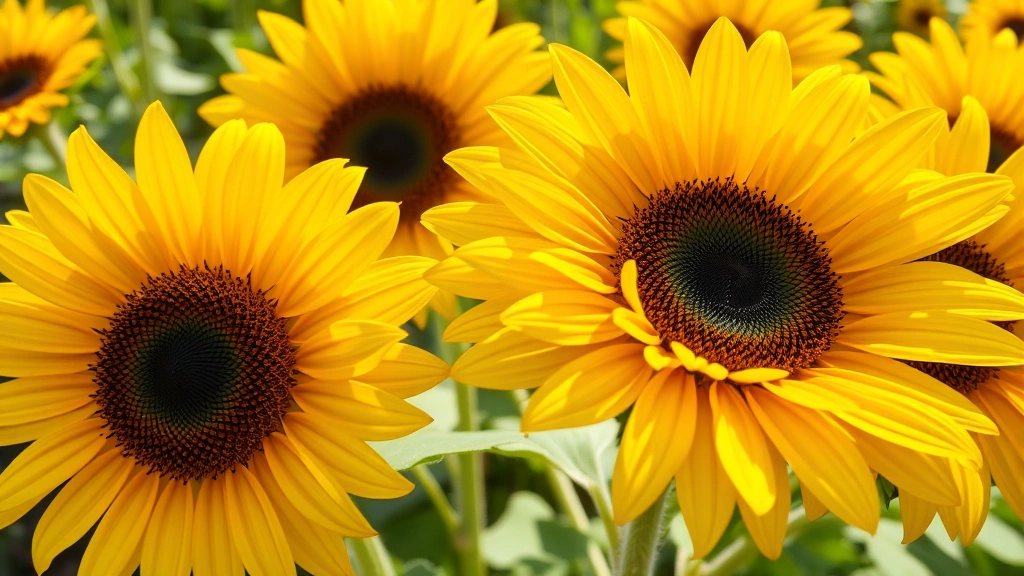
Sunflowers are among the most rewarding plants for both novice and experienced gardeners. Their towering stems, vibrant golden blooms, and cheerful demeanor make them a beloved choice for gardens worldwide. Whether you’re dreaming of creating a stunning cottage garden display or harvesting seeds for snacking, starting a sunflower garden is an achievable goal with the right guidance and preparation.
The beauty of growing sunflowers lies in their resilience and adaptability. These magnificent plants thrive in diverse climates and soil conditions, making them perfect for gardeners of all skill levels. With proper planning, attention to timing, and consistent care, you can cultivate a thriving sunflower garden that blooms magnificently throughout the growing season. This comprehensive guide will walk you through every step of the process, from selecting the right varieties to harvesting your golden treasures.
Choosing the Right Sunflower Varieties
The first step in establishing your sunflower garden involves selecting varieties that align with your goals and growing conditions. Sunflowers come in an astounding range of heights, colors, and bloom sizes. Understanding these differences helps you make informed decisions about which types to plant.
Tall varieties can reach heights of eight to twelve feet, making them ideal for creating dramatic focal points or natural screens. Popular tall cultivars include ‘Mammoth Russian’ and ‘Skyscraper,’ which produce massive flower heads up to one foot in diameter. These giants require sturdy support and ample space but deliver impressive yields of large seeds perfect for harvesting.
Medium-height sunflowers typically grow four to six feet tall and offer excellent versatility. Varieties like ‘Moulin Rouge’ and ‘Teddy Bear’ fit well into mixed borders and work beautifully in cut flower arrangements. These mid-sized plants often require less staking while still making a bold visual statement in your garden.
Dwarf varieties grow two to three feet tall and work wonderfully in containers, small spaces, or alongside other plants. ‘Sungold,’ ‘Teddy Bear,’ and ‘Sunburst’ are charming dwarf options that bring sunflower magic even to apartment balconies and compact lucky garden designs.
Color selection extends far beyond the classic yellow. Modern breeding has produced stunning varieties in deep red, burgundy, orange, cream, and bicolor combinations. Consider your landscape aesthetic when selecting—warm colors create vibrant focal points, while softer tones integrate seamlessly into existing plantings.

Site Selection and Soil Preparation
Sunflowers are sun-worshippers that demand at least six to eight hours of direct sunlight daily. Choose a location that receives maximum afternoon exposure, as this encourages robust growth and abundant flowering. While sunflowers tolerate partial shade, flowering may be reduced in shadier locations.
Wind exposure deserves consideration when selecting your site. Although sunflowers develop strong stems, excessively windy locations may necessitate additional support structures. A location with gentle air circulation but protection from harsh winds provides optimal growing conditions.
Soil requirements are relatively modest. Sunflowers prefer well-draining soil with a pH between 6.0 and 7.5. Before planting, conduct a soil test through your local extension service to determine nutrient levels and pH. Most gardeners benefit from incorporating two to three inches of compost or aged manure into the top six to eight inches of soil.
Sunflowers are not particularly fussy about soil fertility, but they appreciate organic matter for improved water retention and drainage. Avoid heavy clay soils that can lead to root rot—amend these with compost to create a lighter, more friable texture. Sandy soils benefit from organic matter to increase water-holding capacity.
Prepare your sunflower bed at least two weeks before planting to allow soil amendments time to integrate. This preparation period also gives you opportunity to remove weeds and debris that might compete with young seedlings.
Planting Your Sunflower Garden
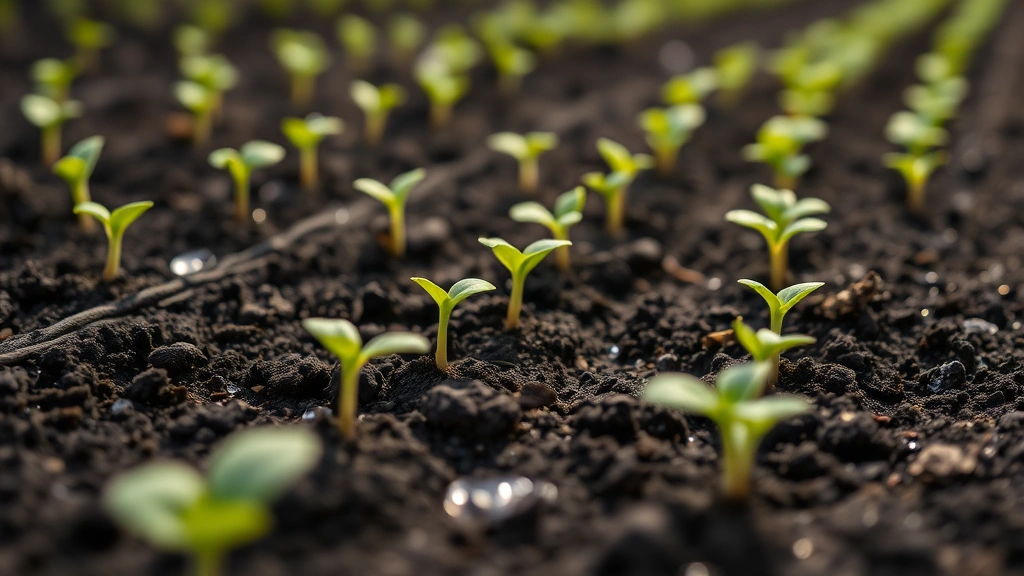
Timing is crucial for successful sunflower cultivation. Direct sow seeds into the garden after the last frost date when soil temperatures reach at least 50°F (preferably 60°F or warmer). In most regions, this occurs in late spring. Sunflower seeds germinate quickly in warm soil, typically sprouting within seven to ten days.
When planting, create furrows approximately one inch deep—sunflower seeds are relatively large and easy to handle. Space seeds according to variety: plant dwarf types eight to twelve inches apart, medium varieties fifteen to eighteen inches apart, and tall sunflowers eighteen to twenty-four inches apart. These spacings accommodate mature plant width and root systems.
For succession planting, sow new seeds every two weeks throughout late spring and early summer. This staggered approach ensures continuous flowering from midsummer through fall. However, stop planting six to eight weeks before your first expected frost to allow flowers time to develop before cold weather arrives.
Water newly planted seeds gently but thoroughly. Keep soil consistently moist (not waterlogged) until seedlings emerge and establish their first true leaves. Once sprouted, thin seedlings to appropriate spacing by snipping extras at soil level rather than pulling—this preserves roots of remaining plants.
Consider using garden tool options like dibbers or seed planters for precise planting depth and spacing. These tools streamline the process, especially when planting large quantities of seeds.
Some gardeners prefer starting seeds indoors four to six weeks before the last frost, then transplanting seedlings after hardening off. This method works well for succession plantings and allows you to start seeds under controlled conditions. However, direct sowing is often more successful since sunflowers dislike root disturbance.
Watering and Nutrient Management
Sunflowers are relatively drought-tolerant once established, but consistent moisture during the growing season produces healthier, more robust plants. Young seedlings require regular watering—aim for one to one and a half inches weekly through rainfall or irrigation. As plants mature, they develop deep root systems capable of accessing soil moisture.
Water deeply and less frequently rather than shallow, frequent watering. Deep irrigation encourages roots to penetrate further into the soil, creating drought-resistant plants. Water early in the morning to minimize disease pressure and allow foliage to dry quickly.
During flowering, maintain consistent moisture levels—stress during bloom can reduce flower size and seed production. However, avoid waterlogging, which promotes fungal diseases and root rot.
Fertilization should be moderate. Overfertilizing produces excessive foliage at the expense of flowers. Apply a balanced fertilizer (10-10-10) when seedlings have four to six leaves, then again when plants reach two feet tall. Alternatively, work a slow-release fertilizer into the soil at planting time for season-long nutrition.
Nitrogen-heavy fertilizers encourage vegetative growth; use balanced formulations instead. If your soil amendment included compost, additional fertilizing may be unnecessary. Observe plant performance—healthy, vigorous growth with appropriate green coloration indicates adequate nutrition.
Pest and Disease Control
Sunflower gardens occasionally face pest pressure, though established plants typically withstand minor damage. Common pests include sunflower beetles, which chew holes in leaves and flowers. Hand-pick beetles when populations are small, or use organic insecticides if infestations become severe. Birds, particularly finches, love sunflower seeds—protect ripening seed heads with netting if seed production is your goal.
Squirrels and other rodents may dig up freshly planted seeds. Protect new plantings with hardware cloth or row covers until seedlings are established and no longer vulnerable.
Disease management focuses on prevention. Powdery mildew occasionally affects sunflowers in humid conditions. Ensure adequate air circulation through proper spacing, and avoid overhead watering. Downy mildew and rust are less common but can occur—remove affected foliage promptly and destroy diseased plant material.
Sunflower head rot, caused by various fungi, affects developing flowers in very wet conditions. Improve drainage and avoid excessive overhead moisture to prevent this issue. Selecting disease-resistant varieties when available provides additional protection.
Integrated pest management principles emphasize cultural practices—proper spacing, sanitation, and variety selection—as your first line of defense against pests and diseases.
Supporting Tall Varieties
Tall sunflower varieties require sturdy support systems to prevent wind damage and stem breakage. Begin installing supports early, before plants reach full height, to avoid damaging roots or stems during installation.
Support options include individual bamboo stakes tied to stems with soft twine or fabric strips. For multiple plants, create a framework using sturdy stakes and horizontal cross-bracing. Tomato cages work for medium-height varieties. Some gardeners plant tall sunflowers in groups, allowing plants to support one another.
Position stakes on the windward side of prevailing breezes. Tie supports loosely to allow for stem movement—this actually strengthens plants by encouraging thicker, more resilient growth.
Proper spacing, as discussed earlier, also contributes to structural integrity. Plants spaced appropriately receive better air circulation and develop sturdier stems.
Harvesting and Seed Collection
Sunflowers typically bloom sixty to eighty days after planting, depending on variety and growing conditions. Enjoy cut flowers by harvesting blooms in early morning when they’re fully hydrated. Cut stems at a forty-five-degree angle using sharp pruners, and immediately place cut flowers in cool water. Sunflower arrangements last longer in cool locations away from direct heat.
For seed harvesting, allow flowers to mature fully on the plant. Flower heads will droop as seeds develop—this natural bending is normal and doesn’t indicate problems. Seeds are ready when the back of the flower head turns brown and the face dries to a papery texture, typically two to three weeks after blooming.
Seed collection process: Cut flower heads with six to twelve inches of stem attached. Hang heads upside down in a warm, dry location with good air circulation. Place a cloth or paper beneath to catch falling seeds. After one to two weeks, rub the dried flower head gently to release seeds. Store dried seeds in airtight containers in cool conditions for next season’s planting.
Some gardeners leave mature flower heads on plants for birds to enjoy, supporting local wildlife while reducing seed collection effort. This approach creates a beautiful late-season garden feature while providing crucial food for migrating birds.
Fresh sunflower seeds are delicious roasted for snacking. Rinse harvested seeds, spread on baking sheets, toss with oil and salt, and roast at 300°F for thirty to forty minutes, stirring occasionally, until golden and crispy.
Consider creating a garden salad featuring sunflower sprouts for a nutritious, garden-fresh addition to meals. Young sprouts offer delicate flavor and impressive nutritional content.
For detailed information about sunflower varieties and growing techniques, consult the USDA Agricultural Statistics database and your local cooperative extension office.
FAQ
When should I start sunflower seeds?
Direct sow sunflower seeds into the garden after the last frost date when soil temperatures reach 60°F or warmer. In most regions, this occurs in late spring. You can succession plant every two weeks through early summer for continuous blooms.
How much sunlight do sunflowers need?
Sunflowers require minimum six to eight hours of direct sunlight daily for optimal growth and flowering. More sunlight generally produces healthier, more robust plants with larger blooms.
What’s the best fertilizer for sunflowers?
Use balanced fertilizers (10-10-10) applied when seedlings have four to six leaves and again at two feet tall. Avoid nitrogen-heavy formulas that encourage foliage over flowers. Many gardeners find that soil enriched with compost provides sufficient nutrition.
How do I prevent birds from eating sunflower seeds?
Protect ripening seed heads with netting or bird netting once flowers fade and seeds begin developing. Alternatively, embrace bird visitation as a wildlife feature and simply replant more seeds for personal harvest.
Can I grow sunflowers in containers?
Yes! Dwarf varieties work beautifully in large containers with adequate drainage. Use quality potting soil and ensure containers receive six to eight hours of direct sunlight. Container plants may require more frequent watering than garden plantings.
How long do sunflower flowers last?
Cut sunflowers typically last one to two weeks in a vase with fresh water and regular stem trimming. Garden flowers bloom for two to three weeks before petals drop and seeds develop.
What causes sunflower heads to droop?
Drooping flower heads are normal during seed development—the heavy weight of developing seeds causes the natural droop. This isn’t a sign of disease or problems unless accompanied by wilting foliage or stem softness.