Create a Succulent Garden? Expert Tips Inside
A succulent garden is one of the most rewarding and low-maintenance gardening projects you can undertake. These resilient plants, with their thick, fleshy leaves and stunning variety of colors and shapes, have become increasingly popular among both beginner and experienced gardeners. Whether you’re looking to transform a sunny windowsill, create a focal point in your landscape, or start your first easy to grow garden project, succulents offer an excellent solution with minimal effort required.
Succulents thrive in conditions where many other plants struggle, making them perfect for busy gardeners, those with limited space, or anyone new to horticulture. Their ability to store water in their leaves means they can go extended periods without watering, and they require far less fertilizer than traditional ornamental plants. In this comprehensive guide, we’ll explore everything you need to know about creating and maintaining a thriving succulent garden.
From understanding the different types of succulents available to mastering the specific care requirements that keep them healthy and vibrant, you’ll discover that building a successful succulent garden is both accessible and deeply satisfying. Let’s dive into the expert tips that will help you create a stunning display.
Understanding Succulent Types and Varieties
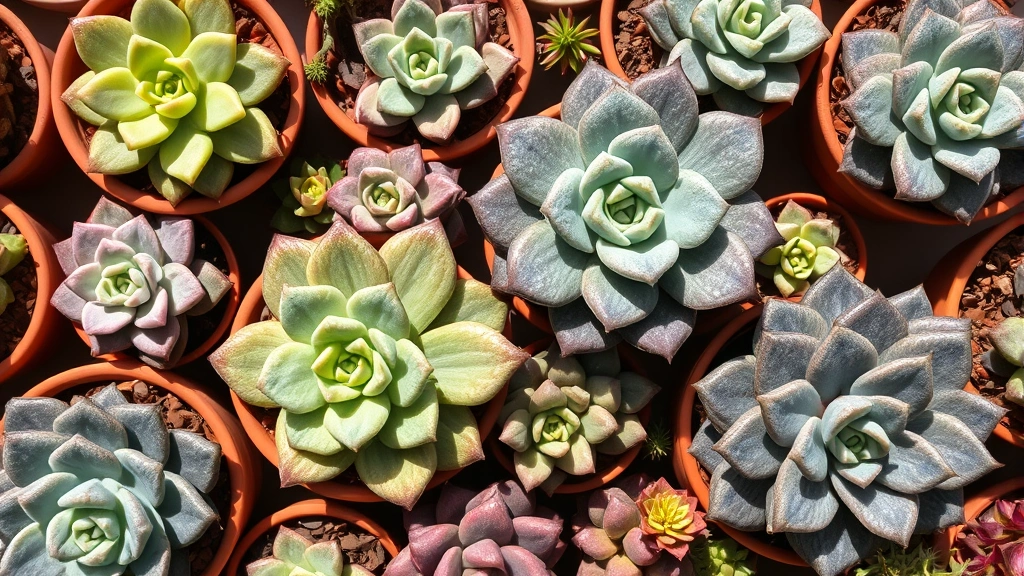
Before you start your succulent garden, it’s essential to familiarize yourself with the different types available. Succulents are incredibly diverse, ranging from tiny rosettes to tall columnar forms, each with unique characteristics and care requirements. The most popular succulent families include Echeveria, known for their beautiful geometric rosette formations and vibrant colors; Sedum, which offers remarkable variety and hardy outdoor options; and Aloe, famous for both aesthetic appeal and practical applications.
Jade plants represent another excellent choice, offering tree-like growth patterns and elegant foliage that can serve as focal points in your garden design. String of pearls and other trailing varieties work wonderfully in hanging containers or cascading arrangements. Aeonium varieties provide dramatic architectural interest with their dark burgundy to near-black coloring, while Crassula species offer unique textures and growth patterns.
Understanding the hardiness zones for different succulents is crucial, especially if you’re planning an outdoor succulent garden. Some varieties tolerate freezing temperatures and harsh winters, while others require protection or indoor cultivation in colder climates. Research your specific growing region and choose varieties that will thrive in your climate, or plan to move tender succulents indoors during winter months.
Selecting the Perfect Location and Light
Light is perhaps the most critical factor in creating a successful succulent garden. Most succulents require at least six hours of direct sunlight daily, with many preferring eight or more hours. Insufficient light causes a condition called “etiolation,” where plants become pale, weak, and stretched as they reach toward available light sources. This compromises both the plant’s health and its attractive appearance.
If you’re growing succulents indoors, place them near south-facing or west-facing windows where they’ll receive maximum sunlight. In particularly sunny climates, afternoon shade during the hottest months can prevent sun-scorching on sensitive varieties. For outdoor succulent gardens, position your plants where they receive morning sun and afternoon protection in extremely hot regions.
When establishing an outdoor succulent garden, consider the microclimate of your space. Areas near reflective surfaces like light-colored walls or patios receive additional heat and light. Conversely, locations under tree canopies or adjacent to north-facing walls receive less direct sun. If your ideal location doesn’t receive sufficient natural light, grow lights specifically designed for plants can supplement natural sunlight effectively, extending your growing season and improving plant vigor.
Temperature fluctuations also influence succulent health. Most varieties prefer warm days and cooler nights, with temperatures between 50-80°F being ideal. Protect your succulent garden from extreme temperature swings and frost if you’re in a colder climate. Consider your location’s wind exposure as well, since strong winds can dry out plants rapidly and damage delicate foliage.
Soil Preparation and Drainage Essentials
One of the most common mistakes in succulent gardening is using regular potting soil, which retains too much moisture and leads to root rot. Succulents have evolved in arid environments where water drains quickly, and your soil must replicate these conditions. Creating a well-draining succulent soil mix is fundamental to success.
The ideal succulent soil should be composed of roughly equal parts high-quality potting soil, coarse sand or perlite, and pumice or small gravel. This combination provides enough nutrients for growth while ensuring water moves through the soil quickly. Many gardeners prefer using specialized cactus and succulent potting mixes available from garden centers, which are formulated specifically for these plants’ needs.
If you’re creating a large succulent garden bed outdoors, amend existing soil thoroughly. Work the amendments into the top 8-12 inches of soil, improving drainage throughout the root zone. In areas with heavy clay soil, this step is especially critical. You might need to create raised beds filled with properly prepared succulent soil mixture if native soil drainage is particularly poor.
Drainage holes in containers are absolutely non-negotiable. Every pot should have at least one drainage hole to prevent water accumulation. Even with perfect soil, standing water leads to root rot and fungal diseases. When creating raised garden beds, ensure the bottom allows water passage rather than trapping moisture beneath your succulents.
Consider adding a layer of gravel or broken pottery at the bottom of containers before filling with soil. This additional drainage layer helps water move away from the root zone quickly. Over time, even well-draining soil can become compacted, so plan to refresh or replace soil annually in containers, or every two to three years for outdoor beds.
Watering Techniques for Healthy Succulents
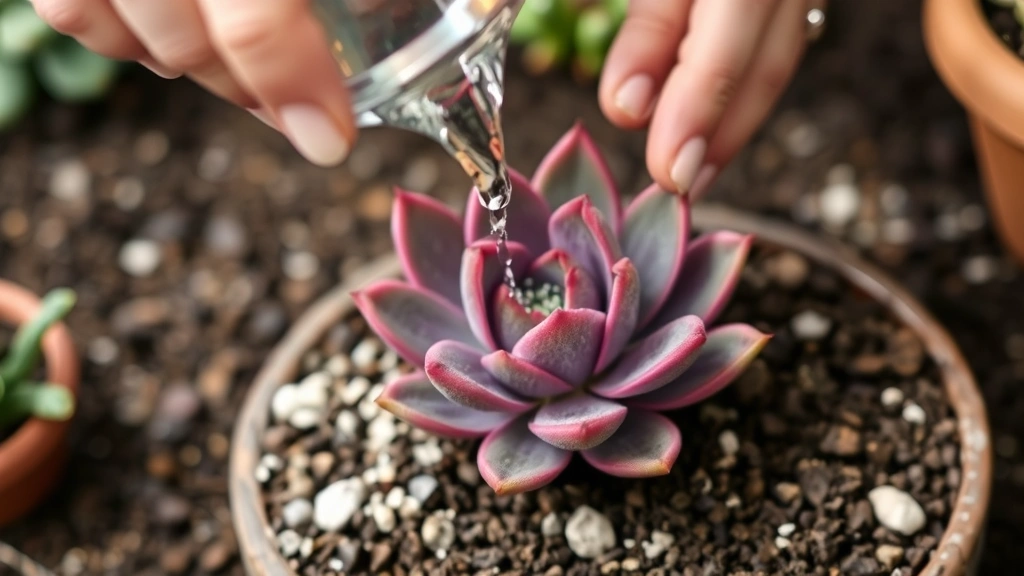
Proper watering is the most critical aspect of succulent care, and it requires a different mindset than traditional gardening. The golden rule is to water thoroughly but infrequently. This means soaking the soil completely when you water, allowing water to drain from the bottom, then waiting until the soil is completely dry before watering again.
During the growing season (spring and early summer), water your succulents approximately every two to three weeks, adjusting based on your climate and soil moisture. Stick your finger about an inch into the soil; if it feels dry, water thoroughly. If it still feels moist, wait several more days. In winter, when most succulents enter dormancy, reduce watering dramatically—sometimes to once monthly or even less frequently.
Environmental factors significantly affect watering frequency. High humidity, cool temperatures, and recent rainfall all extend the time between waterings. Conversely, hot, dry conditions, strong sun exposure, and sandy soils increase water needs. The key is observing your plants and adjusting accordingly rather than following a rigid schedule.
Water quality matters too. If your tap water is heavily chlorinated or contains high levels of minerals, consider collecting rainwater for your succulent garden. Rainwater is free of chemicals and provides beneficial minerals in small quantities. For indoor plants, allow tap water to sit for 24 hours before using, allowing chlorine to evaporate.
Never allow water to sit in the rosette centers of plants like Echeveria or Aeonium, as this promotes fungal and bacterial rot. Instead, water at the base of plants, directing water toward the soil rather than the foliage. Drip irrigation systems work exceptionally well for larger succulent gardens, delivering water directly to soil while keeping foliage dry.
Container Selection and Garden Design
Choosing appropriate containers for your succulent garden significantly impacts both plant health and aesthetic appeal. Containers must have drainage holes, but material matters too. Terracotta and clay pots are excellent choices because they’re porous, allowing soil to dry faster—perfect for succulents. Ceramic, plastic, and metal containers work too, but they retain moisture longer, requiring more careful watering management.
Container size should be appropriate to plant size. Overly large containers hold excessive soil and moisture, creating conditions favoring root rot. A container should be just slightly larger than the plant’s root ball, with perhaps an inch of space around the sides. Small succulents thrive in shallow containers, while larger varieties benefit from slightly deeper pots.
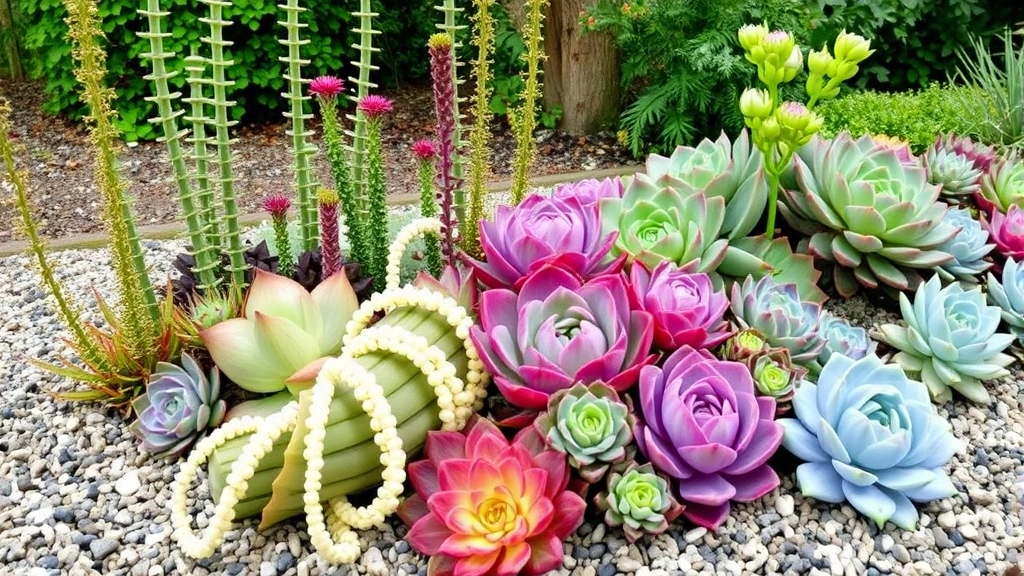
When designing your succulent garden layout, consider color combinations, texture contrasts, and growth patterns. Pair rosette-forming varieties with trailing types, combine plants with different foliage colors—perhaps silvery-blue Echeveria with deep burgundy Aeonium—and create visual interest through varied heights and shapes. Tall varieties work as focal points, while smaller succulents fill spaces and create cohesive arrangements.
Grouped plantings create more visual impact than scattered individual containers. Arrange several pots together, varying heights by using plant stands or stacked materials. Mixed containers with multiple succulent varieties create stunning displays; just ensure all plants in a single container have similar watering and light needs.
If creating an outdoor succulent garden bed, plan your layout before planting. Consider mature sizes, leaving adequate space between plants for growth. Arrange taller varieties toward the back or center, graduating to shorter plants toward the edges. This tiered approach ensures all plants receive adequate light and creates professional-looking garden designs.
Seasonal Care and Maintenance
Succulent gardens require minimal maintenance, but seasonal adjustments ensure optimal health year-round. Spring is the ideal time to refresh your succulent garden. Repot plants that have outgrown their containers, refresh soil in established beds, and propagate varieties you’d like to expand. Spring is also the primary growing season for most succulents, so they respond well to careful watering and occasional light fertilization.
During summer, focus on protection from extreme heat in very hot climates. While succulents love sun, temperatures above 90°F combined with intense direct sun can cause sunburn on some varieties. Afternoon shade during peak summer heat prevents damage while maintaining adequate light exposure. Continue regular watering schedules, adjusting for increased evaporation in hot weather.
Fall brings cooler temperatures and reduced watering needs. Many succulents develop their most vibrant colors during cool autumn months, so this is an excellent time to enjoy your garden’s beauty. Begin reducing watering frequency as growth slows. Bring tender succulents indoors before the first frost if you’re in a cold climate, or provide frost protection with row covers or cold frames for hardy varieties.
Winter is the dormant season for most succulents. Reduce watering significantly, perhaps to once monthly or less. Move indoor succulents away from heating vents and cold windows to moderate temperature fluctuations. Stop fertilizing entirely, as dormant plants don’t require nutrients. This period is ideal for planning next season’s garden changes and propagating plants from winter cuttings.
Pest management is rarely necessary in succulent gardens, but watch for mealybugs and scale insects, particularly on indoor plants. These pests thrive in warm, dry conditions where succulents live. Inspect plants regularly, and treat infestations with insecticidal soap or neem oil. Ensure good air circulation around plants to prevent fungal issues and discourage pests.
Propagation and Expansion
One of the most rewarding aspects of succulent gardening is propagation—the ability to create new plants from existing ones. Most succulents propagate readily from leaves or stem cuttings, allowing you to expand your garden almost indefinitely. This is also an excellent way to share plants with friends and family.
Leaf propagation works for many varieties, particularly Echeveria, Sedum, and Crassula species. Gently remove healthy leaves from the parent plant, allowing the cut to dry for a few days. Place dried leaves on well-draining succulent soil, misting lightly every few days. Tiny rosettes develop from the leaf base within weeks. Once established, treat these babies like mature succulents.
Stem cuttings offer faster results than leaf propagation. Cut healthy stems 2-3 inches long, allow the cut end to dry for several days, then place in succulent soil. Water lightly and maintain moderate moisture until roots establish, which typically takes 1-2 weeks. Once rooted, reduce watering to normal succulent schedules.
Division works well for clumping varieties that produce multiple rosettes. Carefully separate individual rosettes with roots attached, pot them separately, and water lightly until established. This method creates mature-looking plants much faster than propagating from single leaves or small cuttings.
Timing affects propagation success. Spring and early summer, when plants are actively growing, offer the best results. However, succulents propagate reasonably well year-round if provided appropriate conditions. Keep propagating medium slightly moist but never soggy, provide bright indirect light, and maintain temperatures between 60-75°F for optimal rooting.
Starting from seed offers another propagation method, though it’s slower and requires more attention. Succulent seeds are tiny and need light to germinate, so scatter them on moist soil surface without covering. Maintain high humidity and bright indirect light. Seedlings develop slowly, requiring several months to reach transplant size, but seed propagation allows you to grow numerous plants economically.
As your succulent collection grows through propagation, you might consider expanding beyond container gardening. Creating larger garden bed projects allows you to display extensive collections while creating impressive landscape features. Alternatively, you might explore container gardening techniques to combine succulents with other plant types for diverse garden displays.
FAQ
How often should I water my succulent garden?
Water your succulents thoroughly every 2-3 weeks during the growing season, adjusting based on soil moisture. The soil should be completely dry before watering again. In winter, reduce watering to once monthly or less. Always check soil moisture before watering rather than following a fixed schedule.
Can succulents survive indoors?
Yes, many succulents thrive indoors, but they require bright light. Place them near south or west-facing windows receiving at least 6 hours of direct sunlight daily. If natural light is insufficient, supplement with grow lights. Indoor succulents may need slightly more frequent watering than outdoor plants due to lower humidity and more stable temperatures.
What’s the best soil for succulents?
Use a well-draining mix composed of potting soil, coarse sand, and perlite or pumice in roughly equal proportions. Specialized succulent and cactus potting mixes are convenient alternatives. The key is ensuring water drains quickly and doesn’t remain in the root zone.
How do I know if my succulent is overwatered?
Overwatered succulents develop soft, translucent leaves and may smell musty. Roots become mushy and black. If caught early, remove the plant from soil, trim away rotted roots, and repot in fresh, dry succulent soil. Hold off watering for several weeks to allow recovery.
Can I grow succulents outdoors year-round?
This depends on your climate. Hardy succulents like Sedum and Sempervivum survive freezing temperatures and outdoor winters in cold climates. Tender varieties like Echeveria and Jade plants require indoor protection or must be grown as annuals in cold regions. Check hardiness zones for specific varieties.
Why are my succulents turning brown or pale?
Pale, weak growth indicates insufficient light. Move plants to brighter locations or supplement with grow lights. Brown, papery leaves suggest overwatering or poor drainage. Adjust your watering schedule and ensure soil drains properly. Some color changes are normal seasonal responses, particularly in cool months.
How do I create a succulent wreath or living wall?
Succulent wreaths and living walls require specially designed frames with integrated soil pockets and excellent drainage. Use shallow-rooted varieties like Sempervivum and small Sedum species. Keep these vertical gardens in bright light and water carefully, as gravity causes water to drain quickly. These projects work best in mild climates or indoors.


