
How to Start a Rice Garden: Expert Advice
Growing rice at home might seem like an ambitious undertaking, but it’s entirely achievable for gardeners willing to learn the unique requirements of this staple crop. Rice cultivation has been perfected over thousands of years, and modern home gardeners can tap into this ancient knowledge to produce their own supply. Whether you have a sprawling backyard or limited space, understanding the fundamentals of rice gardening will set you up for success.
Rice is a semi-aquatic crop that thrives in warm, wet conditions with plenty of sunlight. Unlike many vegetables you might grow in a traditional herb garden, rice demands specific environmental conditions and patience through its growing season. The good news is that once you understand these requirements, maintaining a rice garden becomes a rewarding and relatively straightforward process that yields substantial harvests.
Understanding Rice Varieties for Home Growing
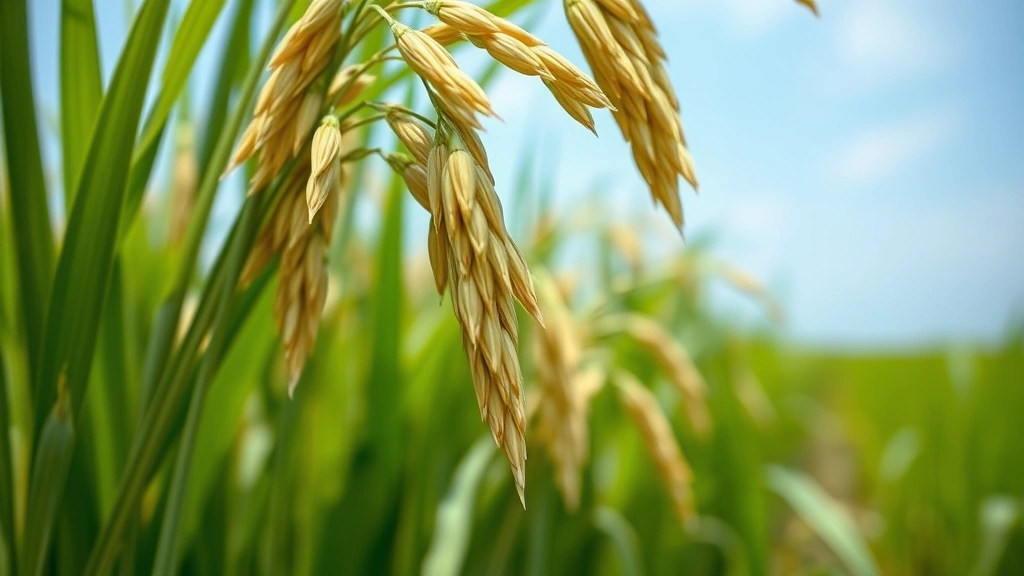
Selecting the right rice variety is your first critical decision when establishing a rice garden. The three main categories of rice—long-grain, medium-grain, and short-grain—each have different growing characteristics and culinary properties. Long-grain varieties like Jasmine and Basmati produce slender, separate grains when cooked, while short-grain varieties create creamier textures ideal for risotto or sushi.
For home gardeners, arborio and sushi rice varieties often perform well because they’re more forgiving of minor environmental fluctuations. Consider your local climate zone when choosing varieties; some rice types are specifically bred for cooler climates and shorter growing seasons. Consult resources from your local cooperative extension service to identify varieties that have proven success in your region.
Heritage and heirloom rice varieties are increasingly available to home gardeners and can provide unique flavors and interesting growing challenges. However, beginners should start with proven varieties before experimenting with more exotic options. The investment in quality seeds specifically bred for home cultivation will pay dividends in yield and ease of growing.
Climate and Location Requirements
Rice thrives in warm climates with growing season temperatures consistently between 70-85°F (21-29°C). Your rice garden needs a location that receives at least six to eight hours of direct sunlight daily, with more sunlight being beneficial for optimal growth and grain development. Full sun exposure ensures vigorous plant growth and helps prevent fungal diseases that thrive in shaded, humid conditions.
The growing season for rice typically spans 120-150 days from planting to harvest, depending on the variety and local climate. If you live in cooler regions, starting seeds indoors 4-6 weeks before your last frost date will extend your growing window. Gardeners in tropical or subtropical climates can often grow rice year-round, while those in temperate zones should plan for spring planting to take advantage of warm summer months.
Humidity levels should ideally remain moderate during the growing season. While rice needs consistent moisture, excessive humidity can promote fungal infections like blast disease. Good air circulation around your rice plants, achieved through proper spacing and strategic placement away from structures, helps maintain plant health throughout the season.
Preparing Your Rice Garden Site
Rice gardens require either naturally flooded areas or constructed paddies that can hold standing water. Traditional rice paddies are terraced or leveled fields surrounded by raised berms that contain water. For home gardeners, you can create simplified versions using raised beds, containers, or naturally low-lying areas of your landscape.
The ideal soil for rice cultivation is clay-rich loam that retains water effectively. Before establishing your rice garden, conduct a soil test through your SARE (Sustainable Agriculture Research and Education) program to understand your soil’s composition, pH, and nutrient levels. Rice prefers slightly acidic to neutral soil with a pH between 6.0-7.0.
Prepare your site by removing perennial weeds and incorporating organic matter into the soil. Unlike traditional container gardening, rice gardens benefit from deeper soil preparation. Aim for 12-18 inches of prepared bed depth to accommodate the rice root system and ensure adequate water retention. Level your growing area carefully to ensure even water distribution across all plants.
Starting Rice from Seed
Rice seeds can be started directly in your prepared paddy or germinated indoors before transplanting. The direct seeding method is simpler for most home gardeners: scatter soaked seeds across your prepared, flooded soil and allow them to germinate naturally. Soak seeds in water for 24-48 hours before planting to improve germination rates and speed up sprouting.
If starting indoors, plant seeds in seed trays filled with moist seed-starting mix and maintain temperatures around 75-80°F (24-27°C). Seeds typically germinate within 7-10 days under proper conditions. Keep seedlings under grow lights and maintain consistent moisture without waterlogging the soil. Seedlings are ready to transplant when they reach 4-6 inches tall and have developed 2-3 true leaves.
Transplanting rice seedlings requires careful handling to minimize root damage. Space transplants 6-8 inches apart in all directions within your flooded paddy. The water level should be 2-3 inches deep during transplanting, allowing seedlings to establish roots while maintaining adequate moisture. Transplanting during early morning or late afternoon reduces transplant shock and improves survival rates.
Water Management and Irrigation
Water management is the cornerstone of successful rice gardening. Rice requires consistent flooding throughout most of its growing season, with water levels typically maintained at 2-4 inches above the soil surface. This standing water serves multiple purposes: it provides moisture for growth, helps regulate soil temperature, suppresses weed germination, and creates the unique environment rice plants have evolved to exploit.
Establish a reliable irrigation system before planting begins. Drip irrigation with flooded paddy configuration works well for home gardens, or you can manually manage water levels using soaker hoses and careful monitoring. Check water levels daily during hot weather when evaporation rates increase. Your local water resources management office or USDA Natural Resources Conservation Service can provide guidance on sustainable irrigation practices.
During the critical booting and flowering stages (roughly 60-90 days after planting), maintain consistent water levels to prevent stress that reduces grain set. Begin gradually reducing water levels 2-3 weeks before harvest to allow soil to dry and facilitate mechanical harvesting or hand-cutting. However, avoid completely drying the field until grain moisture reaches approximately 20-25%.
Fertilizing Your Rice Plants
Rice is a heavy feeder that requires adequate nitrogen, phosphorus, and potassium throughout its growing season. Begin with a soil test to establish baseline nutrient levels, then apply amendments accordingly. Most rice gardens benefit from an initial application of balanced fertilizer (10-10-10 or similar) worked into the soil before flooding and planting.
Apply nitrogen in split applications: roughly 50% at planting and the remainder at the tillering stage (around 30-45 days after planting). Phosphorus and potassium can typically be applied as single applications at planting time. Organic gardeners can use compost, aged manure, fish emulsion, and seaweed-based fertilizers to meet rice’s nutritional needs while building soil health.
Monitor plant appearance throughout the season for signs of nutrient deficiency. Yellowing leaves may indicate nitrogen deficiency, while purplish discoloration can suggest phosphorus problems. Adjust supplemental feeding based on plant condition and your soil test results. Excessive nitrogen promotes vegetative growth at the expense of grain production, so balance is essential.
Managing Pests and Diseases
Common rice pests include armyworms, leaf-eating insects, and aquatic weevils. The standing water in your rice paddy actually helps suppress some terrestrial pests while creating habitat for beneficial aquatic insects. Encourage natural predators like dragonflies and aquatic beetles that feed on rice pests. Avoid broad-spectrum pesticides that kill beneficial organisms along with pests.
Fungal diseases like blast and sheath blight thrive in humid conditions with poor air circulation. Prevent these diseases through proper spacing, adequate sunlight exposure, and avoiding overhead irrigation that wets foliage. Remove infected plant material promptly and dispose of it away from your rice garden. Resistant varieties provide the best long-term disease management strategy.
Weeds compete aggressively with rice for nutrients and water. The flooded conditions in your rice paddy suppress many terrestrial weeds, but aquatic weeds can become problematic. Hand-weeding during early growth stages prevents weed seed production. Maintaining proper water levels and shading the soil surface with dense rice foliage as plants mature naturally suppresses weed growth.
Harvesting and Processing Rice
Rice is ready to harvest when grain moisture drops to 20-25% and plants transition from green to golden-brown. Test grain readiness by bending a panicle sharply; if kernels shatter easily, harvest timing is correct. Begin by draining your paddy 2-3 weeks before harvest to allow soil to firm up and facilitate movement through the field.
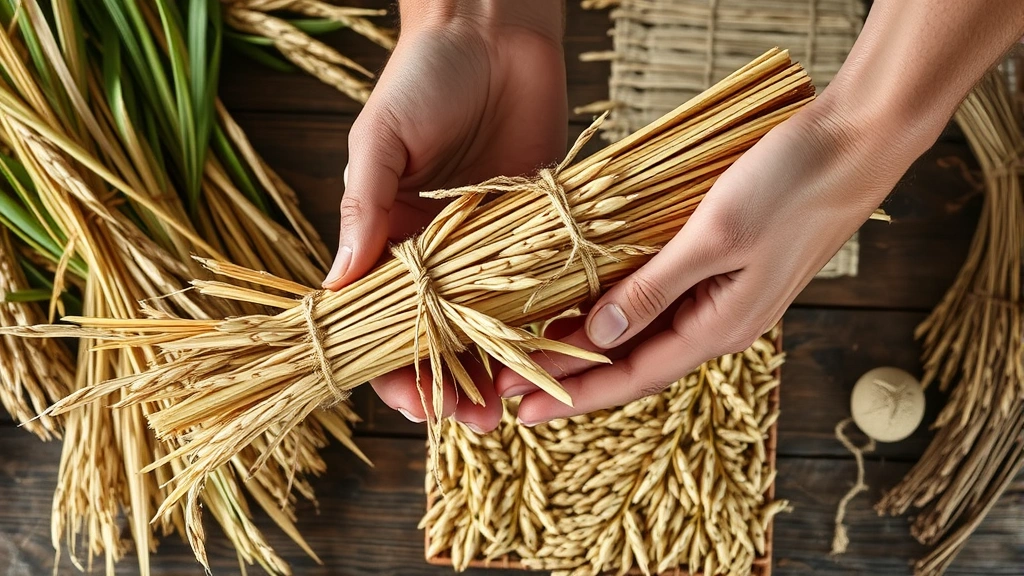
Hand harvesting involves cutting rice panicles with a sickle or knife, bundling them into sheaves, and allowing them to dry completely. Mechanical harvesters can be rented for larger gardens, though the expense may not justify the cost for small home operations. Spread harvested rice in a single layer on clean tarps in a warm, breezy location to cure for 1-2 weeks until moisture drops below 15%.
Processing involves separating grain from chaff through threshing and winnowing. Small-scale threshing can be accomplished by beating dried bundles with a flail or running them through a grain mill set to minimal crushing. Winnowing (separating chaff from grain) is traditionally done by pouring grain from one container to another in a breeze that blows away the lighter chaff. This final step requires patience but transforms your harvest into usable rice.
Store dried rice in airtight containers in a cool, dry location. Properly dried and stored rice remains viable for 6-12 months, with some varieties lasting longer. Keep storage areas free from moisture, pests, and temperature fluctuations to maintain grain quality throughout the year.
FAQ
Can I grow rice in containers or raised beds?
Yes, rice grows well in containers or raised beds as long as you can maintain consistent standing water. Use containers at least 12 inches deep and wide enough to accommodate 4-6 plants. Ensure containers have drainage holes that you can control to maintain desired water levels. This approach works particularly well for gardeners with limited space or those wanting to grow rice alongside other crops in a vertical garden arrangement.
How much rice will a home rice garden produce?
A well-managed 100-square-foot rice paddy typically yields 20-30 pounds of milled rice, depending on variety and growing conditions. Yields vary based on soil fertility, water management, sunlight exposure, and pest pressure. Starting with a smaller test area allows you to refine your techniques before expanding your rice garden.
What’s the difference between white and brown rice?
Both grow identically in your rice garden; the difference emerges during processing. Brown rice retains the bran layer, requiring only removal of the outer hull. White rice involves additional milling to remove the bran layer. Home gardeners can store rice as paddy, brown rice, or white rice depending on desired shelf life and culinary preferences.
Is organic rice gardening possible?
Absolutely. Rice responds well to organic growing practices including compost amendments, green manure crops, and natural pest management. The flooded paddy environment naturally suppresses many weeds and pests, making organic rice production more feasible than many other crops. Consult USDA organic standards if you plan to certify your rice production.
Can I grow rice in cold climates?
Rice can grow in cooler climates using short-season varieties and season extension techniques. Starting seeds indoors 6-8 weeks early, using black plastic to warm the soil, and selecting varieties bred for cool climates extends rice cultivation northward. Some gardeners in zone 5 successfully grow rice using these methods, though yields may be lower than in ideal climates.
How does rice gardening fit with other garden activities?
Rice gardens integrate well with diverse gardening approaches. The water feature created by your rice paddy can serve ornamental purposes similar to garden decor elements. Rice paddies provide habitat for beneficial insects and aquatic life, supporting broader garden ecosystem health. Some gardeners integrate rice cultivation with aquaculture or companion plantings that utilize the unique microclimate.
What resources help beginning rice gardeners?
Contact your local Agricultural and Applied Economics Association or master gardener program for region-specific rice growing information. University extension services publish detailed growing guides for rice varieties suited to your climate. Online gardening communities dedicated to grain production offer peer support and troubleshooting assistance from experienced rice gardeners.


