Can Moon Melons Thrive? Gardener Insights on Growing This Unique Fruit
Moon melons, also known as honeydew or casaba melons, have captured the imagination of home gardeners seeking something beyond traditional cantaloupe varieties. These pale, netted-skin melons offer a delicate sweetness and impressive size that make them worth the growing effort. But can they truly thrive in a home garden? The answer is a resounding yes—if you understand their specific needs and provide the right conditions.
Growing moon melons requires patience, proper spacing, and consistent care throughout the warm season. Unlike some quick-growing vegetables, these melons demand 70-90 days of warm weather, well-draining soil, and strategic watering. Many gardeners discover that moon melons are surprisingly rewarding once they crack the code on temperature management, soil preparation, and pest prevention. This comprehensive guide will walk you through everything you need to know to successfully cultivate these impressive fruits in your garden.
Understanding Moon Melon Varieties and Requirements
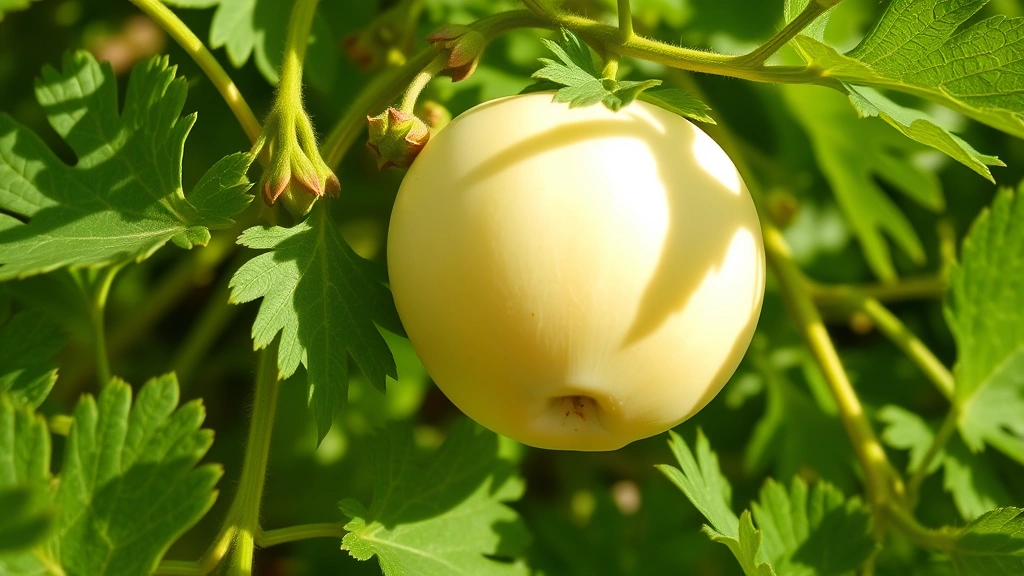
Moon melons encompass several varieties, each with distinct characteristics that influence growing success. The most common types include honeydew, with its smooth pale green flesh and delicate flavor; casaba melons, featuring deep yellow skin and firmer texture; and Charentais melons, prized for their aromatic sweetness. Understanding which variety suits your climate and preferences is the first step toward thriving plants.
These melons are heat-loving plants that thrive in USDA hardiness zones 3-11, depending on the specific variety. They require full sun exposure—at least 6-8 hours daily, though 8-10 hours is optimal. Temperature consistency matters tremendously; moon melons struggle when nighttime temperatures drop below 50°F. This makes them ideal for summer gardens in most regions, or extended-season growing in warmer climates.
Moon melons are technically cucurbits, making them distant relatives to cucumbers grown in containers. However, they require significantly more space and longer growing seasons than their cucumber cousins. The vines can spread 6-10 feet in all directions, and individual fruits can weigh 3-6 pounds at maturity.
Soil requirements are critical for moon melon success. These plants prefer slightly acidic to neutral soil with a pH between 6.0-7.0. Rich, organic matter is essential—melons are heavy feeders that deplete soil nutrients quickly. Consider building a raised garden bed specifically for melons, which allows you to control soil composition precisely and improve drainage.
Preparing Your Garden Soil and Location
Success with moon melons begins weeks before planting, with thorough soil preparation. These vines demand fertile, well-draining soil rich in organic matter. Begin by testing your soil’s nutrient levels and pH. Most county extension services offer affordable soil testing that identifies nitrogen, phosphorus, and potassium levels—the three macronutrients melons consume heavily.
Work 3-4 inches of compost, aged manure, or other organic matter into your planting area. This improves water retention while maintaining excellent drainage—a delicate balance essential for melon success. Poor drainage leads to root rot and fungal diseases, while overly sandy soil drains too quickly and prevents nutrient uptake.
Location selection profoundly impacts moon melon performance. Choose a spot with unobstructed southern or western exposure that receives intense afternoon sun. Morning sun dries dew from foliage, reducing fungal disease pressure. Avoid planting where other melons, cucumbers, or squash grew in the previous 2-3 years, as soil-borne pathogens accumulate with repeated planting of cucurbit family members.
Consider wind exposure carefully. While melons appreciate air circulation for disease prevention, strong winds can damage delicate vines and stress developing fruits. A location with gentle air movement but some windbreak protection—such as a fence or taller plants positioned to the north—provides ideal conditions.
Planting and Spacing Strategies
Moon melons are typically started from seeds rather than transplants, though transplants can work if started indoors 3-4 weeks before your last spring frost. Direct seeding is often more successful because melon roots dislike transplanting. Plant seeds once soil temperatures consistently reach 70°F or warmer—usually 1-2 weeks after your region’s last frost date.
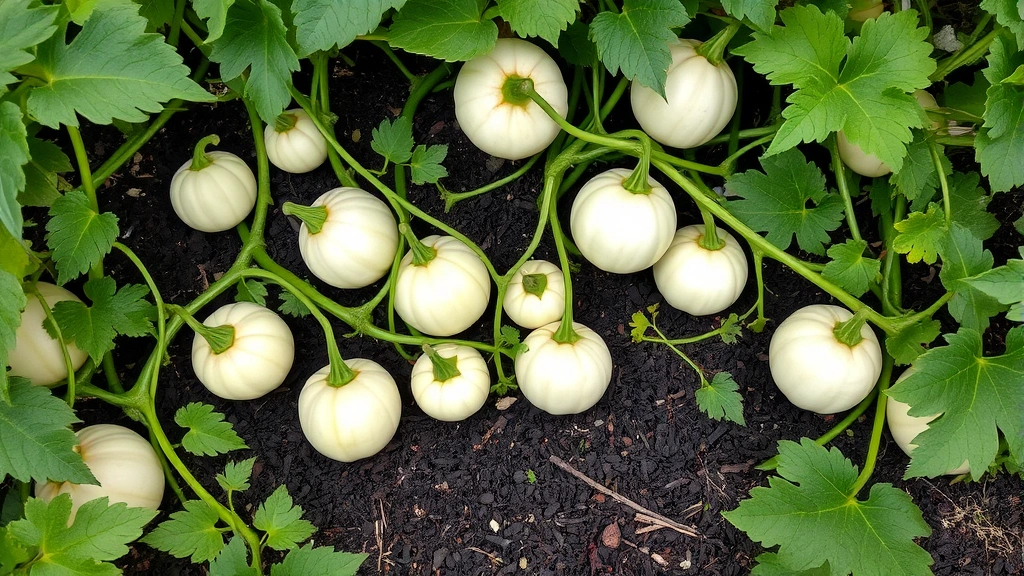
Sow seeds ½ to 1 inch deep in hills or rows, spacing seeds 12 inches apart initially. Thin seedlings to 24-36 inches apart once they develop true leaves. This generous spacing accommodates the vigorous vine growth and allows air circulation crucial for disease prevention. Crowded plants create humid microclimates that encourage powdery mildew and other fungal infections.
If you’re limited on space, moon melons can be trained vertically using sturdy trellises or stakes. Vertical growing requires individual fruit support with slings made from old t-shirts or pantyhose, but it dramatically reduces the footprint needed. This approach also improves air circulation and makes harvesting easier.
Mulching around plants with 2-3 inches of organic mulch provides multiple benefits. Mulch regulates soil temperature, conserves moisture, suppresses weeds, and gradually breaks down to add organic matter. Avoid placing mulch directly against the vine stems, which can promote rot. Leave a 6-inch buffer zone around each plant.
Watering and Fertilization Schedule
Consistent moisture is fundamental to moon melon success, but overwatering is equally problematic. These plants require deep, thorough watering 1-2 times weekly, depending on temperature and rainfall. The goal is consistently moist (not waterlogged) soil extending 12 inches deep where roots actively grow.
Water deeply and infrequently rather than light daily sprinkles. Deep watering encourages robust root development and drought resilience. Morning watering is ideal—it allows foliage to dry before evening, reducing fungal disease risk. Drip irrigation or soaker hoses are superior to overhead sprinklers for melons, as they deliver water directly to roots while keeping foliage dry.
Fertilization requirements intensify as vines grow and flowering begins. Start with a balanced fertilizer (10-10-10) applied at planting, incorporating it into the top few inches of soil. Once vines establish runners (typically 4-6 weeks after planting), switch to a lower-nitrogen, higher-potassium formula (5-10-10) to encourage fruiting rather than excessive vine growth.
Side-dress plants with compost every 3-4 weeks during the growing season, or apply diluted fish emulsion or seaweed extract every two weeks. Moon melons respond well to supplemental calcium and magnesium; consider adding crushed eggshells around plants or applying Epsom salt (1 tablespoon per plant monthly). These micronutrients prevent disorders like blossom-end rot and improve fruit quality.
Avoid high-nitrogen fertilizers once flowering begins, as excessive nitrogen diverts energy from fruit production into foliage. This is a common mistake that results in abundant leaves but few fruits. Monitor plants for nutrient deficiency signs: yellowing leaves often indicate nitrogen deficiency, while purple-tinged leaves suggest phosphorus shortage.
Managing Pests and Diseases
Moon melons attract several significant pests that can devastate unmanaged plants. Cucumber beetles (both striped and spotted varieties) feed on foliage and transmit bacterial wilt disease. Early detection and removal are critical—handpick beetles when populations are small, or use row covers over young plants before beetles emerge in spring.
Squash vine borers tunnel into stems, causing sudden plant collapse. These large moth larvae are difficult to control once inside vines. Prevention is most effective: wrap vine bases with aluminum foil, use pheromone traps to monitor populations, or plant succession crops every 2-3 weeks to ensure some mature plants even if borers damage others.
Powdery mildew is the most common fungal disease affecting moon melons, appearing as white powder on foliage. Improve air circulation through proper spacing and pruning lower leaves. Apply sulfur dust or neem oil at the first sign of infection. Avoid wetting foliage during irrigation, and remove heavily infected leaves promptly.
Downy mildew and angular leaf spot thrive in cool, wet conditions. These fungal diseases cause yellowing and necrosis on leaves, eventually killing affected plants. Ensure adequate spacing, water at soil level only, and remove infected foliage immediately. Copper fungicides can help prevent spread if applied early.
Beneficial insects like bees are essential for moon melon pollination. Avoid broad-spectrum insecticides that kill pollinators. Instead, encourage native bees by planting flowering herbs nearby that attract them throughout the season.
Supporting Vine Growth and Fruit Development
As moon melon vines mature, strategic pruning and support enhance productivity and fruit quality. Once vines develop multiple runners, pinch back growing tips to encourage branching and more flowering sites. Remove any diseased or damaged growth immediately to prevent spread.
When fruits begin developing, thin them ruthlessly. Allow only one fruit per main vine section, removing excess small fruits. This concentrates plant energy into fewer, larger, sweeter melons rather than spreading resources across many mediocre fruits. Smaller fruits are removed when they’re marble-sized—easy to snap off by hand.
Provide sturdy support for developing fruits if growing vertically. Fashion slings from old pantyhose, t-shirt strips, or specialized fruit hammocks that cradle fruits as they grow. Tie slings securely to the trellis structure, checking regularly as fruits expand. Proper support prevents fruits from breaking stems or dropping prematurely.
Moon melons benefit from consistent environmental conditions during fruit development. Fluctuating temperatures, irregular watering, or sudden stress can cause fruit splitting, poor flavor development, or premature ripening. Maintain even soil moisture and shield plants from extreme heat with shade cloth during intense heatwaves (above 95°F).
Harvesting at Peak Ripeness
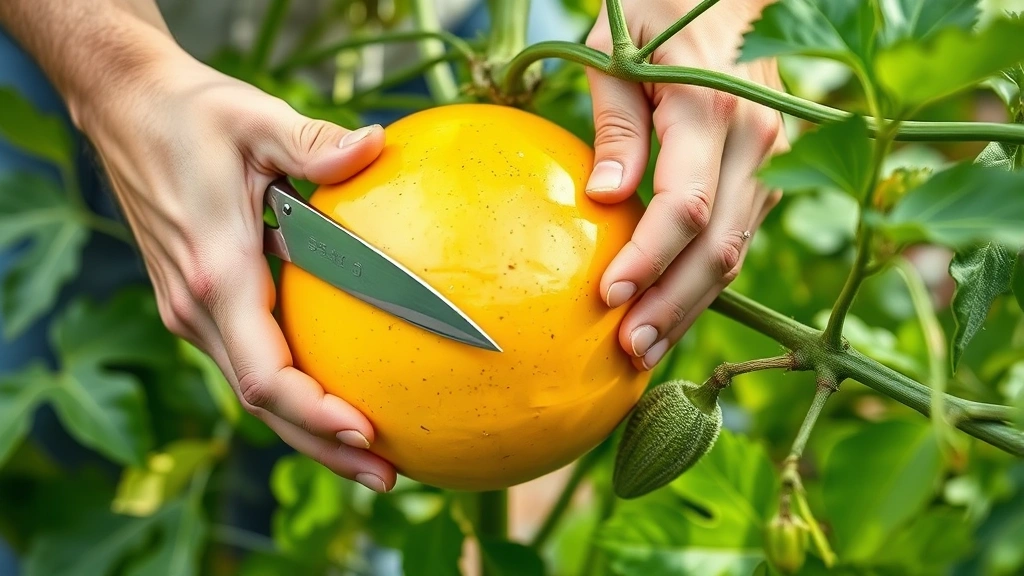
Determining moon melon ripeness is an art that improves with experience. Unlike cantaloupe, honeydew and casaba melons don’t slip from vines when ripe—they must be harvested by cutting the stem with pruning shears. Ripe melons develop a subtle fragrance at the blossom end and yield slightly to gentle pressure.
Check skin color and ground spot development. Honeydew melons should be creamy yellow or white when ripe, while casaba melons develop deep golden tones. The bottom where the melon rested on soil (ground spot) transitions from green to pale yellow as ripeness approaches. These color changes are subtle but reliable indicators.
The most reliable ripeness test is the small hole method: carefully cut a small hole in the melon’s end opposite the stem. Ripe flesh should be thick (½ to ¾ inch minimum), with a sweet aroma. If flesh is thin or watery, the melon isn’t fully ripe yet.
Harvest moon melons in early morning when temperatures are cool. Handle fruits gently to avoid bruising, which darkens and spoils the flesh. Ripe melons store 1-2 weeks at room temperature or up to 3 weeks refrigerated. Unripe melons continue ripening at room temperature but won’t develop additional sweetness—pick only truly ripe fruits.
Keep detailed notes on planting dates, variety performance, and harvest times. This information becomes invaluable for planning next season’s moon melon crop and refining your techniques. Many experienced gardeners maintain garden journals specifically tracking melon performance across years.
FAQ
How long does it take for moon melons to mature?
Most moon melon varieties require 70-90 days from planting to harvest maturity. Honeydew typically takes 80-90 days, while some casaba varieties mature in 70-80 days. Warm soil temperatures accelerate development, while cool springs extend the timeline significantly.
Can I grow moon melons in containers?
While moon melons prefer in-ground gardens, they can grow in large containers (20+ gallons) with excellent drainage. Container-grown melons require more frequent watering and fertilizing but offer advantages for gardeners with limited space. Similar principles to growing cucumbers in pots apply, though melons need larger containers and longer growing seasons.
What’s the difference between moon melons, honeydew, and casaba melons?
Moon melon is a general term encompassing honeydew and casaba varieties. Honeydew melons have smooth, pale green skin and sweet, green flesh. Casaba melons feature deeply ridged, golden-yellow skin and firmer, whiter flesh. Charentais melons (another moon melon type) have netted orange skin and aromatic, orange flesh. All thrive under similar growing conditions.
Why are my moon melons not flowering?
Excessive nitrogen fertilizer diverts energy into foliage at flowering’s expense. Switch to lower-nitrogen formulas once vines establish. Insufficient sunlight, cool nighttime temperatures below 60°F, or water stress also inhibit flowering. Ensure plants receive 8+ hours of direct sun, maintain consistent moisture, and use balanced or phosphorus-rich fertilizers.
How do I prevent powdery mildew on moon melons?
Space plants generously for air circulation, water at soil level only (never overhead), and remove lower leaves as plants mature. Apply sulfur dust or neem oil at the first sign of white powder on foliage. Mulch plants to regulate soil moisture and prevent stress that makes plants susceptible to infection.
Can I save seeds from my moon melons?
Yes, but only from open-pollinated or heirloom varieties. Hybrid varieties won’t produce seeds that grow true to the parent plant. To save seeds, allow a ripe melon to fully mature, scoop out seeds, ferment them in water for 2-3 days to remove germination inhibitors, rinse thoroughly, and dry completely before storing in cool, dry conditions. Detailed seed-saving techniques are covered in our guide to plant propagation methods.
What should I plant after harvesting moon melons?
Avoid planting other cucurbits in that location for 2-3 years. Instead, plant unrelated crops like legumes (beans, peas), brassicas (broccoli, cabbage), or alliums (garlic, onions). Legumes actually improve soil nitrogen levels, benefiting subsequent plantings. Rotating crop families prevents soil-borne pathogen accumulation and maintains soil health.
Are moon melons worth the effort?
Absolutely, for gardeners willing to provide consistent care. The reward of harvesting a perfectly ripe, homegrown moon melon—far superior in flavor to supermarket versions—justifies the effort. Many gardeners find the 90-day timeline manageable, especially when integrated into broader garden planning. Success improves dramatically with experience and detailed record-keeping.