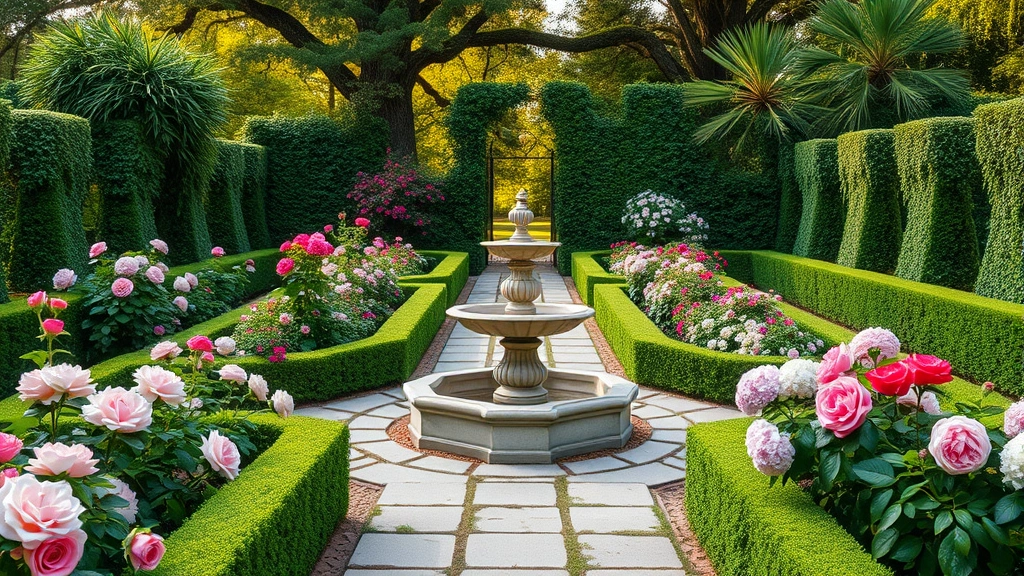
Le Beau Paradise Garden: A Gardener’s Dream Guide
Le Beau Paradise Garden represents the pinnacle of horticultural design, blending French elegance with practical gardening principles. This comprehensive guide explores how to transform your outdoor space into a stunning paradise that balances aesthetic beauty with functional plant growth. Whether you’re a seasoned gardener or just beginning your journey, understanding the elements that make a paradise garden successful will help you create an enchanting outdoor sanctuary that brings joy throughout every season.
The concept of a paradise garden draws inspiration from historical French formal gardens, Persian garden traditions, and contemporary landscape design. These gardens emphasize symmetry, water features, flowering plants, and carefully curated spaces that invite exploration and relaxation. By incorporating these principles into your own garden, you can achieve that coveted paradise aesthetic while growing healthy, thriving plants.
Understanding Paradise Garden Design
A paradise garden is fundamentally about creating an idealized outdoor environment that serves multiple purposes: aesthetic enjoyment, plant cultivation, and personal sanctuary. The term “paradise” comes from the Persian word “pairidaeza,” originally meaning an enclosed garden or orchard. This historical context reveals that paradise gardens were designed as protected spaces where diverse plants could flourish while providing beauty and sustenance.
Modern paradise gardens incorporate several key design principles. Symmetry creates visual harmony and a sense of order that appeals to the human eye. Curved pathways encourage exploration and create a sense of discovery. Layering different plant heights—from ground covers to tall trees—adds dimension and visual interest. Color coordination, whether through complementary or monochromatic schemes, establishes mood and atmosphere throughout the space.
The philosophy behind a paradise garden extends beyond mere aesthetics. It encompasses the wellness benefits of spending time in nature, the satisfaction of growing your own plants, and the environmental benefits of creating a habitat for pollinators and beneficial insects. When you design your paradise garden thoughtfully, you’re creating a multifunctional space that enriches your life in numerous ways.
Choosing the Right Location and Layout
The foundation of any successful paradise garden begins with selecting an appropriate location. Assess your property for sunlight patterns throughout the day, noting which areas receive full sun (6+ hours), partial shade (3-6 hours), or full shade (less than 3 hours). This sunlight assessment will determine which plants thrive in each zone. Most flowering plants and vegetables prefer full sun, while shade-tolerant plants like hostas and hellebores excel in shadier locations.
Soil quality is equally important. Test your soil’s pH level and nutrient composition before planting. Paradise gardens typically feature rich, well-draining soil amended with organic matter. If your soil is poor, you might consider raised bed gardening to create optimal growing conditions for your plants.
Layout planning should account for traffic patterns, viewing angles from your home, and accessibility for maintenance. Create a rough sketch of your space, marking existing trees, structures, and utilities. Consider how water will drain during heavy rainfall and whether you’ll need irrigation systems. The best paradise gardens feature logical zones: an entry area, main display areas, seating spaces, and utility zones for tools and composting.
When organizing your layout, think about creating different “rooms” within your garden space. A cottage garden style approach can work beautifully within a paradise garden framework, offering informal charm alongside structured design elements. Use hedges, trellises, or pergolas to define these spaces and create visual separation.
Essential Plants for Your Paradise Garden
Selecting the right plants is crucial for achieving that paradise garden aesthetic. Begin with a backbone of structural plants—trees and shrubs that provide year-round form and framework. Evergreens like boxwoods, hollies, and conifers maintain visual interest during winter months. These plants serve as anchors for your design and create the “bones” of your garden.
Flowering plants add the color and romance that define paradise gardens. Consider a succession of bloomers throughout the seasons. Spring brings tulips, hyacinths, and cherry blossoms. Summer showcases roses, peonies, lavender, and hydrangeas. Fall features asters, sedum, and ornamental grasses. Winter interest comes from hellebores, winter-blooming heathers, and colorful bark specimens.
Incorporate a diverse plant palette to support pollinators and beneficial insects. Native plants adapted to your region require less maintenance while providing ecological benefits. Include plants with varying textures—from delicate ferns to bold-leaved bergenia—to create visual interest even when plants aren’t in bloom.
An herb garden fits beautifully within a paradise garden design. Culinary herbs like basil, thyme, rosemary, and oregano offer practical value while providing fragrance and ornamental appeal. Mediterranean herbs tolerate poor soil and drought conditions, making them excellent choices for low-maintenance paradise gardens.
Water Features and Focal Points
Water features elevate paradise gardens from pleasant to truly enchanting. A central fountain creates a focal point that draws the eye and provides soothing ambient sound. Water features also increase humidity around plants, benefit wildlife, and create reflective surfaces that amplify light and sense of space.
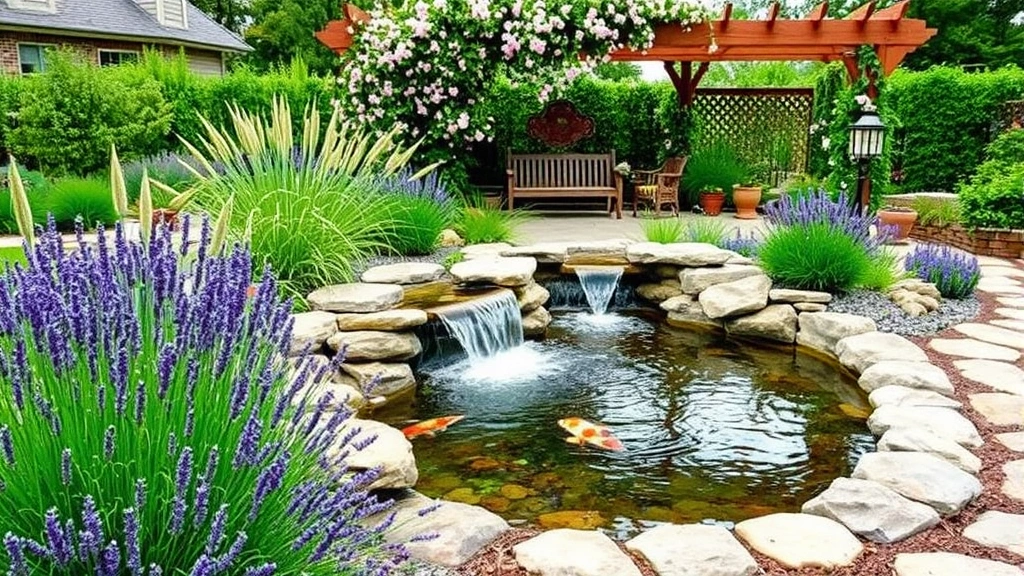
If a full fountain seems impractical, consider smaller alternatives: a birdbath, a simple bubbler, or a shallow reflecting pool. Even a small water feature attracts birds and beneficial insects while adding visual interest. Place water features where they’re visible from your main viewing areas, typically from windows or seating spaces.
Beyond water, create focal points using sculpture, architectural elements, or specimen plants. A striking specimen tree—perhaps a Japanese maple or ornamental cherry—draws attention and provides seasonal interest. Garden statuary, arbors, or pergolas create destinations that encourage exploration through your paradise garden. These focal points should align with your design principles and complement your plant selections.
Seating areas function as both practical elements and focal points. A bench nestled among flowering plants creates an inviting vignette while providing a place to pause and appreciate your garden’s beauty. Position seating to capture views of your most attractive plantings and water features.
Creating Vertical Elements
Vertical gardening adds dimension and maximizes space in paradise gardens. A vertical garden approach utilizes trellises, arbors, wall-mounted planters, and climbing vines to create living walls and overhead structures. Climbing roses, clematis, and honeysuckle transform plain fences and arbors into flowering focal points.
Pergolas create partial shade while supporting climbing plants and providing structure to your garden spaces. They define pathways, frame views, and offer respite from intense sun during hot months. Install pergolas over seating areas or along main pathways to create intimate garden “rooms” within your larger paradise garden.
Wall-mounted planters and hanging baskets bring plants to eye level, making them more visible and easier to maintain. These vertical elements work particularly well in smaller spaces where ground area is limited. Trailing plants like ivy, trailing petunias, and creeping fig soften architectural lines while adding greenery throughout your garden.
Consider the structural requirements when planning vertical elements. Ensure trellises and arbors are securely anchored and constructed from weather-resistant materials. Climbing plants need sturdy supports and may require pruning to maintain desired shapes and prevent overgrowth.
Seasonal Maintenance and Care
Paradise gardens require consistent care to maintain their beauty and plant health. Develop a seasonal maintenance schedule that addresses pruning, deadheading, fertilizing, and pest management. Spring involves preparing beds, amending soil, and planting warm-season annuals. Summer focuses on watering, deadheading spent flowers, and monitoring for pests and diseases.
Fall brings leaf cleanup, planting spring bulbs, and preparing perennials for dormancy. Winter maintenance includes protecting tender plants, cleaning garden tools, and planning next season’s design changes. Regular maintenance prevents problems from becoming severe and ensures your paradise garden remains healthy and attractive.
Watering practices significantly impact plant health. Most paradise garden plants need approximately one inch of water per week, either from rainfall or irrigation. Deep, infrequent watering encourages deep root growth and drought tolerance. Water early morning to reduce disease pressure and minimize evaporation.
Mulching conserves moisture, regulates soil temperature, and suppresses weeds. Apply 2-3 inches of organic mulch around plants, keeping it away from stems to prevent rot. As mulch decomposes, it improves soil structure and adds organic matter—essential for long-term garden health.
Integrating Herbs and Edibles
A true paradise garden combines beauty with functionality by incorporating edible plants. Growing vegetables in containers allows you to integrate productive plants into ornamental designs. Vegetable plants like tomatoes, peppers, and beans produce beautiful flowers and colorful fruits that enhance garden aesthetics.
Culinary herbs deserve prominent placement in paradise gardens. Create a dedicated herb zone near your kitchen for convenient access to fresh basil, parsley, chives, and oregano. Herbs like lavender and sage offer ornamental value while providing culinary and medicinal uses. Many herbs attract pollinators and beneficial insects, supporting garden ecosystem health.
Fruit-bearing plants add another dimension to paradise gardens. Dwarf fruit trees, berry bushes, and grapevines provide spring blossoms, summer fruit, and autumn color. Blueberries, raspberries, and blackberries thrive in most climates while offering delicious harvests. These plants combine productive value with ornamental appeal.
When integrating edibles, consider their cultural requirements and how they fit your overall design. Group plants with similar water and nutrient needs. Ensure adequate sunlight for productive harvests—most vegetables and fruits need at least 6-8 hours of direct sun daily. Rotate crop locations annually to prevent soil depletion and disease buildup.
FAQ
What is a paradise garden and how does it differ from other garden styles?
A paradise garden is an idealized outdoor space combining aesthetic beauty with functional plant cultivation. It draws inspiration from historical Persian gardens and French formal designs, emphasizing symmetry, water features, diverse plantings, and multiple “rooms” within the garden. Unlike strictly formal gardens, paradise gardens balance structure with informal charm, making them more accessible and personalized to individual preferences.
Can I create a paradise garden in a small space?
Absolutely. Paradise gardens scale beautifully to any size. Small spaces benefit from vertical gardening techniques, container planting, and careful plant selection. Focus on quality over quantity, choosing specimen plants that provide year-round interest. A small water feature, strategic focal point, and thoughtful layering create the paradise garden feel in limited square footage.
How much time does maintaining a paradise garden require?
Maintenance time varies based on garden size, plant selection, and desired appearance. A well-designed paradise garden with appropriate plant choices and mulching requires 2-4 hours weekly during growing season. Choose low-maintenance plants, group plants by water needs, and implement efficient irrigation to reduce maintenance demands. Start small and expand as you develop expertise.
What plants are best for beginners in paradise gardens?
Beginner-friendly plants include perennials like coneflowers, black-eyed Susans, and daylilies. Shrubs such as hydrangeas, viburnums, and forsythia provide structure with minimal fuss. Herbs like rosemary, thyme, and lavender tolerate variable conditions. Choose native plants suited to your climate zone—they naturally thrive with less intervention. Start with a small selection and expand as you gain confidence.
Do paradise gardens attract wildlife?
Yes, paradise gardens naturally attract pollinators, birds, and beneficial insects when designed with diverse plantings. Native plants, flowering herbs, water features, and shelter (trees, shrubs, brush piles) create ideal wildlife habitat. This ecological dimension adds another rewarding aspect to your paradise garden, supporting local ecosystems while enjoying nature’s visitors.
Can I incorporate technology into my paradise garden?
Modern paradise gardens often include automated irrigation systems, outdoor lighting, and smart watering timers. These technologies reduce maintenance burden while ensuring consistent plant care. Low-voltage landscape lighting creates ambiance and extends enjoyment into evening hours. Choose technologies that enhance rather than dominate your garden’s aesthetic.


