Grow a Thriving Garden: Pro Gardener Insights for Success
Creating a thriving garden transforms your outdoor space into a productive, beautiful sanctuary. Whether you’re a complete beginner or returning to gardening after years away, the fundamentals remain consistent: proper planning, quality soil, appropriate plant selection, and consistent care. Professional gardeners understand that success isn’t about having a magical green thumb—it’s about understanding your plants’ needs and responding to them systematically throughout the growing season.
The difference between a mediocre garden and a thriving one often comes down to knowledge and intentional effort. By learning from experienced gardeners and understanding the science behind plant growth, you’ll avoid costly mistakes and create an environment where your plants flourish naturally. This comprehensive guide shares professional insights that will elevate your gardening game, regardless of your current skill level or available space.
Start with Soil Quality
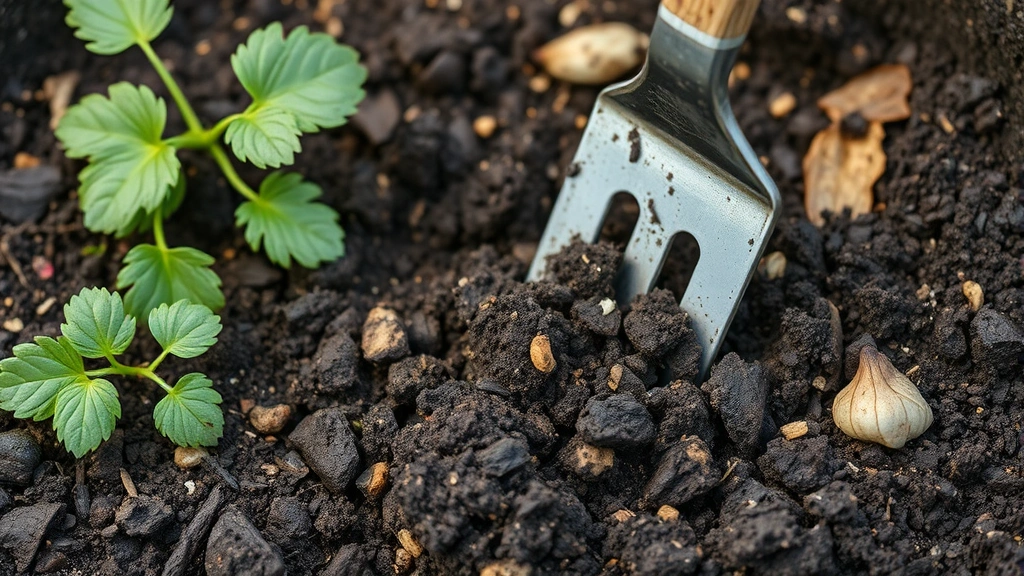
Professional gardeners consistently emphasize that healthy soil is the foundation of a thriving garden. Your soil isn’t just dirt—it’s a living ecosystem containing billions of microorganisms, minerals, and organic matter working together to nourish your plants. Before planting anything, invest time in understanding and improving your soil composition.
Conduct a soil test through your local USDA Natural Resources Conservation Service or county extension office. This test reveals your soil’s pH level, nutrient content, and texture. Most vegetables thrive in slightly acidic soil with a pH between 6.0 and 7.0. The test results guide you toward specific amendments that address your soil’s actual deficiencies rather than guessing.
Incorporate organic matter generously—aim for 2-4 inches of compost or aged manure worked into the top 8-12 inches of soil. Organic matter improves drainage in clay soils, increases water retention in sandy soils, and feeds beneficial microorganisms. If you’re starting a new bed, consider building raised beds with quality garden soil and compost blend, which gives you complete control over soil conditions from day one.
Mulching is equally important. A 2-3 inch layer of organic mulch (wood chips, straw, or shredded leaves) regulates soil temperature, suppresses weeds, retains moisture, and gradually breaks down to improve soil structure. Keep mulch a few inches away from plant stems to prevent rot and pest issues.
Choose Plants for Your Climate
One of the most common gardening mistakes is selecting plants that don’t match your growing conditions. Professional gardeners always consider hardiness zones, microclimates, and specific plant requirements before purchasing anything. The USDA Plant Hardiness Zone Map shows which perennials survive winter in your region, but this is just the starting point.
Research your local frost dates—the average last spring frost and first fall frost in your area. These dates determine when you can safely plant warm-season crops outdoors. Starting seeds indoors 6-8 weeks before your last frost date gives you a head start on the season. Cool-season crops like how to grow peas in your garden can be planted directly in early spring and again in late summer for fall harvest.
Assess your garden’s light conditions honestly. Most vegetables need 6-8 hours of direct sunlight daily, while leafy greens tolerate partial shade. Shade-loving plants like hostas and ferns won’t thrive in full sun, regardless of other conditions. Observe your space throughout the day before deciding what to plant where.
Consider water availability and humidity levels. Drought-tolerant plants like sedums and lavender struggle in humid, wet climates, while moisture-loving plants like hydrangeas decline in dry conditions. Matching plants to your natural climate conditions reduces maintenance and increases success rates dramatically.
When starting out, focus on proven performers in your region. Ask local gardeners, visit nearby botanical gardens, or contact your county extension office for recommendations. Reliable plants build confidence and provide quick wins that motivate continued gardening efforts.
Master Watering Techniques
Improper watering causes more plant problems than any other factor. Many gardeners either overwater (causing root rot) or underwater (creating stress). Professional gardeners develop a feel for soil moisture by regularly checking with their fingers—soil should feel moist but not soggy.
Water deeply but less frequently rather than shallow daily sprinkling. Deep watering encourages roots to grow deeper into the soil where they access more nutrients and water reserves. Shallow watering creates weak, shallow root systems vulnerable to drought stress. When you water, aim for the soil, not the foliage. Wet leaves invite fungal diseases like powdery mildew and leaf spot.
The best time to water is early morning, allowing foliage to dry quickly as temperatures rise. This timing minimizes disease pressure and gives plants water when they need it most for the day ahead. If morning watering isn’t possible, evening watering is acceptable—avoid watering at midday when much water evaporates without benefiting plants.
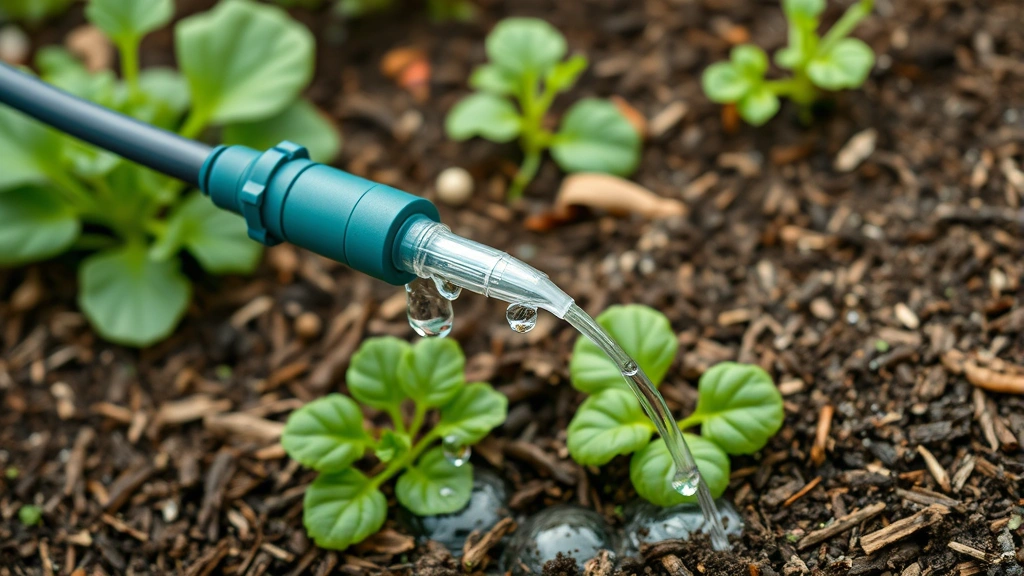
Invest in a soaker hose or drip irrigation system. These deliver water slowly and directly to soil, minimizing evaporation and waste while reducing disease issues. Soaker hoses are affordable and simple to install—just lay them on soil and cover with mulch. Set them on a timer for consistent, worry-free watering.
Container plants need more frequent watering than in-ground gardens since pots dry out quickly. Check containers daily during hot weather. Growing mint in pots requires consistently moist (but not waterlogged) soil. Use containers with drainage holes and quality potting mix to ensure proper water management.
Plan Your Garden Layout
Thoughtful garden planning prevents crowding, disease, and inefficient use of space. Professional gardeners sketch layouts considering mature plant sizes, sun exposure, and companion planting benefits. A detailed plan becomes invaluable for crop rotation, which prevents soil-borne diseases and pest buildup.
Group plants with similar water and nutrient needs together. Drought-tolerant plants shouldn’t share beds with moisture-lovers. Heavy feeders like tomatoes and corn deplete soil quickly, so follow them with nitrogen-fixing legumes or nutrient-conserving root crops the next season. This rotation strategy maintains soil health without constant fertilizer applications.
Consider vertical growing using trellises and garden arch structures to maximize space. Beans, peas, cucumbers, and squash grow beautifully on vertical supports, improving air circulation and reducing disease while saving ground space. Vertical gardens also make harvesting easier and create visual interest in your landscape.
Plan pathways wide enough for comfortable access. You’ll need to reach plants for weeding, harvesting, and pest monitoring. Narrow pathways become muddy in wet weather and make maintenance frustrating. Permanent pathways lined with mulch or gravel improve function and aesthetics.
Group together plants you harvest frequently—herbs, salad greens, and cherry tomatoes near your kitchen door for convenient access. This proximity encourages regular harvesting, which promotes plant productivity. Herbs like herb garden sage are especially convenient when steps away from cooking areas.
Implement Pest Management Naturally
Professional gardeners recognize that pests are inevitable but manageable without synthetic pesticides. Integrated pest management (IPM) combines prevention, monitoring, and targeted intervention to keep pest populations below damaging levels while protecting beneficial insects.
Prevention starts with plant selection and cultural practices. Growing disease-resistant varieties, providing appropriate spacing for air circulation, and removing diseased plant material prevent many problems before they start. Healthy, well-watered plants resist pests better than stressed plants, so proper care is your first defense.
Monitor your garden regularly—at least twice weekly during growing season. Check undersides of leaves where pests hide, inspect stems for damage, and note any yellowing or wilting. Early detection allows intervention before populations explode. Hand-picking larger pests like caterpillars and beetles is often sufficient.
Encourage beneficial insects that prey on pests. Ladybugs, lacewings, parasitic wasps, and ground beetles consume aphids, mites, and other harmful insects. Attract these allies by planting diverse flowers, providing water sources, and avoiding broad-spectrum pesticides that kill indiscriminately.
Use targeted organic solutions when necessary: neem oil for mites and soft-bodied insects, insecticidal soap for aphids, spinosad for caterpillars, and diatomaceous earth for beetles. These products work best on small infestations and require repeated applications. Always follow label directions carefully and apply in early morning or evening when beneficial insects are less active.
Companion planting helps too. Marigolds, nasturtiums, and herbs like basil repel certain pests while attracting beneficials. Rotating crops annually prevents pest and disease buildup in soil.
Seasonal Garden Care Calendar
Professional gardeners follow seasonal rhythms, adjusting their activities to align with natural cycles. This approach simplifies planning and ensures you address critical tasks at optimal times.
Spring
Spring is preparation season. As soil warms and becomes workable, amend beds with compost and aged manure. Direct sow cool-season crops like peas, lettuce, spinach, and kale as soon as soil can be worked. Start warm-season crop seeds indoors 6-8 weeks before your last frost date. Harden off seedlings gradually by exposing them to outdoor conditions for increasing periods before transplanting. Set up irrigation systems and refresh mulch as needed.
Summer
Summer demands consistent watering and vigilant pest monitoring. Water deeply in early morning, mulch heavily to conserve moisture, and deadhead spent flowers to encourage continued blooming. Harvest vegetables regularly at peak ripeness to promote plant productivity. Provide shade cloth for heat-sensitive crops during extreme temperatures. Plant succession crops of fast-growing vegetables every 2-3 weeks for continuous harvest.
Fall
Fall transitions gardens toward dormancy. Plant cool-season crops for fall and winter harvest. Reduce fertilizer applications to avoid stimulating tender new growth vulnerable to frost damage. Continue watering until the first hard freeze. Clean up diseased plant material promptly to prevent overwintering pest and disease problems. Collect fallen leaves for composting.
Winter
Winter is planning and maintenance season. Review the past year’s successes and failures, plan next year’s layout, and order seeds early for best selection. Maintain garden tools, drain and store irrigation equipment, and protect sensitive perennials with mulch. Start composting leaves and kitchen scraps for spring soil amendment.
Container Gardening Success
Container gardening offers flexibility for apartment dwellers, small spaces, and those wanting to grow specialty plants. Professional container gardeners follow specific principles for maximum productivity.
Use containers with adequate drainage holes and quality potting mix formulated for containers (not garden soil, which compacts and drains poorly). Container sizes matter—larger containers hold more moisture and nutrients, reducing maintenance. Most vegetables need 5-gallon minimum containers, while herbs tolerate smaller pots.
Container plants need more frequent feeding than in-ground gardens since nutrients leach away with watering. Apply balanced fertilizer every 2-4 weeks, or use slow-release fertilizer pellets mixed into potting mix. Water containers when the top inch of soil feels dry—usually daily during hot weather.
Group containers together to create a microclimate with higher humidity and reduced water loss. Elevate containers on pot feet or stands to improve drainage and prevent waterlogging. Rotate containers periodically so all sides receive equal light exposure for balanced growth.
Combine plants strategically in large containers using the “thriller, filler, spiller” method: tall focal plant (thriller), surrounding medium plants (filler), and trailing plants cascading over edges (spiller). This creates visually appealing, productive containers. Propagating plants from cuttings lets you create free specimens for container combinations throughout the season.
Overwinter tender perennials indoors in cool, bright locations. Reduce watering dramatically during dormancy. Many herbs and unusual vegetables can be maintained indoors under grow lights through winter, providing fresh harvests year-round.
FAQ
How often should I water my garden?
Watering frequency depends on weather, soil type, and plants grown. Generally, water deeply 1-2 times weekly when rainfall is absent. Check soil moisture by inserting your finger 2-3 inches deep—water if it feels dry. Container plants need daily checking and often require daily watering during hot weather.
What’s the best time to plant vegetables?
Cool-season crops (lettuce, peas, spinach) plant in early spring and again in late summer. Warm-season crops (tomatoes, peppers, squash) plant after your last frost date when soil has warmed. Check your local frost dates through your county extension office.
How can I improve poor soil quickly?
Incorporate 2-4 inches of quality compost or aged manure into the top 8-12 inches of existing soil. Add organic mulch on top. For immediate results, build raised beds filled with quality garden soil and compost blend. Soil improvement is ongoing—add compost annually to maintain fertility.
Do I need fertilizer if I use compost?
Compost provides slow-release nutrients but may not supply enough for heavy feeders like tomatoes and corn. Conduct a soil test to determine nutrient levels. Supplement with balanced fertilizer during growing season if needed, or use organic options like fish emulsion and seaweed extract.
What should I do about garden pests?
Start with prevention: choose resistant varieties, provide proper spacing, and maintain healthy plants. Monitor regularly for early detection. Hand-pick larger pests and encourage beneficial insects. Use organic solutions like neem oil or insecticidal soap only when pest populations warrant treatment. Rotate crops annually to disrupt pest cycles.
Can I garden in shade?
Yes, many plants thrive in shade. Leafy greens, herbs like mint and parsley, and shade-loving perennials grow well with 3-4 hours of indirect light. Most vegetables need 6-8 hours of direct sun. Assess your light conditions honestly before selecting plants.
How do I start seeds indoors?
Use sterile seed-starting mix, keep it consistently moist, and provide 14-16 hours of bright light daily from grow lights or sunny windows. Maintain temperatures around 70°F. Thin seedlings to prevent crowding. Harden off by gradually exposing seedlings to outdoor conditions over 7-10 days before transplanting outside.