Grow Fresh Ingredients: Your Complete Smoothie Garden Guide
Creating a dedicated smoothie garden transforms your backyard into a fresh ingredient factory, delivering nutrient-dense produce directly to your blender. Whether you’re a busy professional seeking convenient nutrition or a health enthusiast wanting complete control over your ingredients, growing your own smoothie plants eliminates pesticides, reduces grocery costs, and guarantees peak freshness. This comprehensive guide walks you through selecting, planting, and harvesting the best smoothie garden crops year-round.
A smoothie garden differs from traditional vegetable patches because it prioritizes leafy greens, soft fruits, and nutrient-packed plants that blend seamlessly into beverages. The beauty lies in its flexibility—you can start with containers on a sunny balcony, expand into raised garden beds, or integrate smoothie crops into existing landscape designs. Most smoothie ingredients thrive in partial shade, tolerate container growing, and produce continuously with minimal maintenance, making this an ideal project for beginners starting their gardening journey.
Essential Smoothie Garden Plants
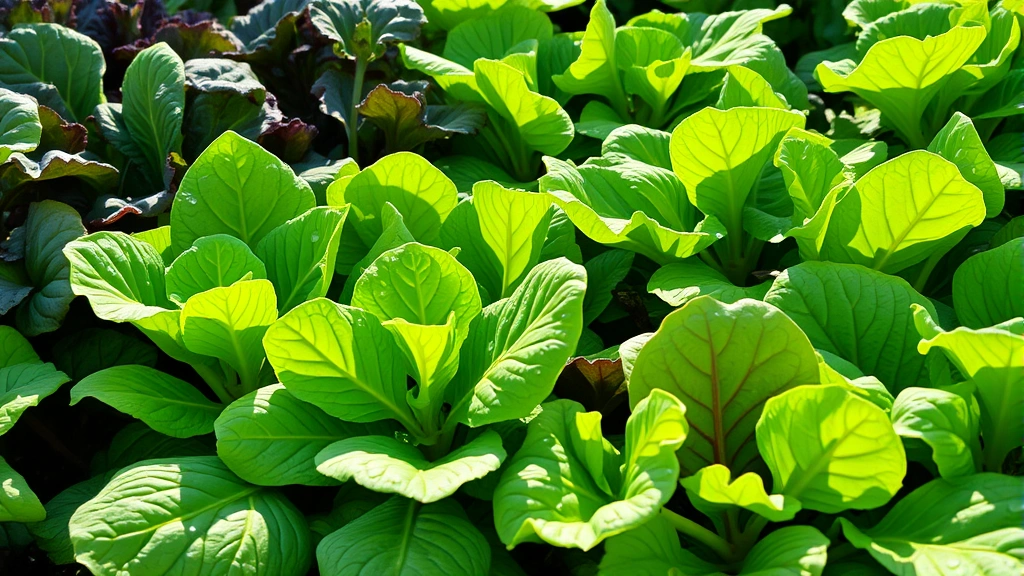
The foundation of any successful smoothie garden rests on selecting plants that deliver nutrition, flavor, and reliable harvests. Leafy greens dominate smoothie gardens because they’re calorie-light, mineral-rich, and blend invisibly into fruit-forward beverages. Spinach stands as the smoothie garden MVP—it grows quickly, tolerates shade, produces continuously, and contains iron, magnesium, and vitamins A, C, and K. Plant spinach in spring and fall for best results, spacing seeds two inches apart and harvesting outer leaves when they reach four inches long.
Kale offers heartier texture and deeper nutrient profiles than spinach, with varieties like lacinato and curly kale thriving in cool seasons. Kale plants produce for months once established, and you can harvest leaves continuously without killing the plant. Chard provides stunning visual appeal with rainbow-colored stems while delivering substantial mineral content. Unlike spinach and kale, chard tolerates heat better and extends your harvest into summer months.
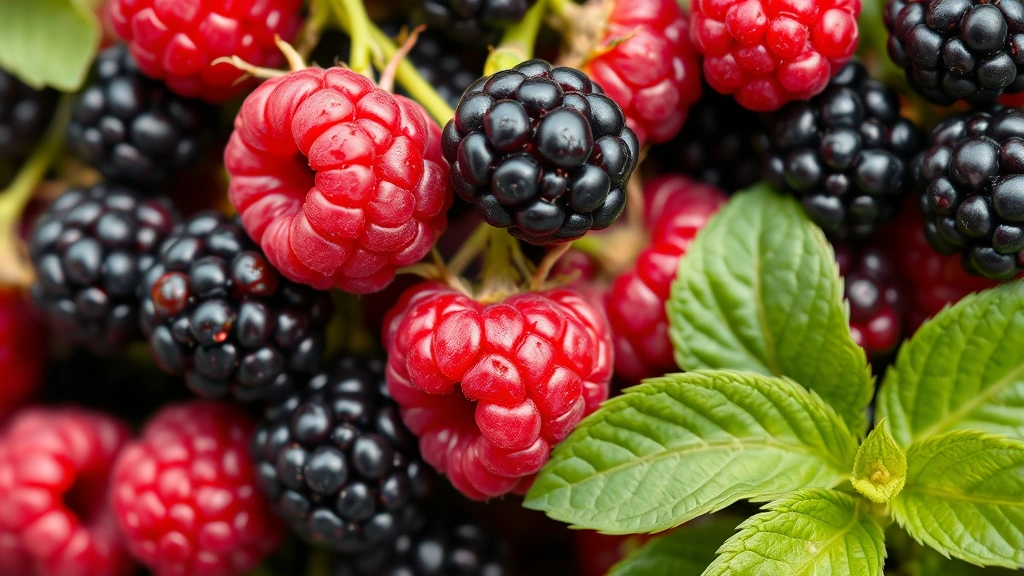
Beyond greens, berries form the sweet foundation of most smoothies. Blueberries rank among the highest in antioxidants and grow prolifically in acidic soil with consistent moisture. Raspberry and blackberry bushes produce abundantly and tolerate partial shade, making them perfect for smoothie gardens receiving only four to six hours of direct sunlight. Strawberries work beautifully in containers and hanging baskets, producing sweet berries throughout spring and early summer.
Fresh herbs elevate smoothie complexity and add medicinal benefits. Growing mint in pots prevents aggressive spreading while providing fresh leaves for fruit smoothies. Ginger, turmeric, and basil contribute anti-inflammatory properties and distinctive flavors. Banana plants (in warmer climates) provide creamy texture and potassium, while avocado trees offer healthy fats and silky consistency.
Additional smoothie superstars include cucumber (hydrating and refreshing), mango (tropical sweetness and vitamin C), pineapple (bromelain enzyme aids digestion), and citrus trees (lemon, lime, orange for brightness and vitamin C). Beets provide earthiness and nitrates for improved blood flow, while carrots deliver beta-carotene and natural sweetness. Consider celery for its mineral density and parsley for detoxification properties.
Site Selection and Soil Preparation
Location determines smoothie garden success more than any other factor. Most smoothie plants prefer partial shade to filtered sunlight—approximately four to six hours daily. This preference stems from the fact that leafy greens bolt and become bitter in intense afternoon heat, while berries develop sweeter flavors with slightly reduced sun exposure. Identify areas receiving morning sun with afternoon shade, or plant beneath deciduous trees that provide dappled light.
Soil quality directly impacts nutrient density in your smoothie ingredients. Rich, well-draining soil containing abundant organic matter produces superior crops. Begin by testing your soil’s pH and nutrient levels through your local USDA cooperative extension service. Most smoothie plants prefer slightly acidic to neutral soil (pH 6.0-7.0), though berries appreciate more acidic conditions (pH 4.5-5.5).
Amend existing soil by incorporating three to four inches of high-quality compost, aged manure, or peat moss. This increases water retention, improves drainage, adds beneficial microorganisms, and provides slow-release nutrients. If your native soil is poor quality, consider building raised garden beds filled with premium growing medium—a strategy that also improves accessibility and prevents contamination from surrounding soil.
Ensure consistent water access near your smoothie garden location. Many gardeners position gardens within reach of soaker hose systems or drip irrigation, reducing daily watering labor. Proximity to kitchen areas encourages frequent harvesting and increases your likelihood of using fresh ingredients immediately after picking, maximizing nutritional value and flavor.
Container vs. Ground Planting
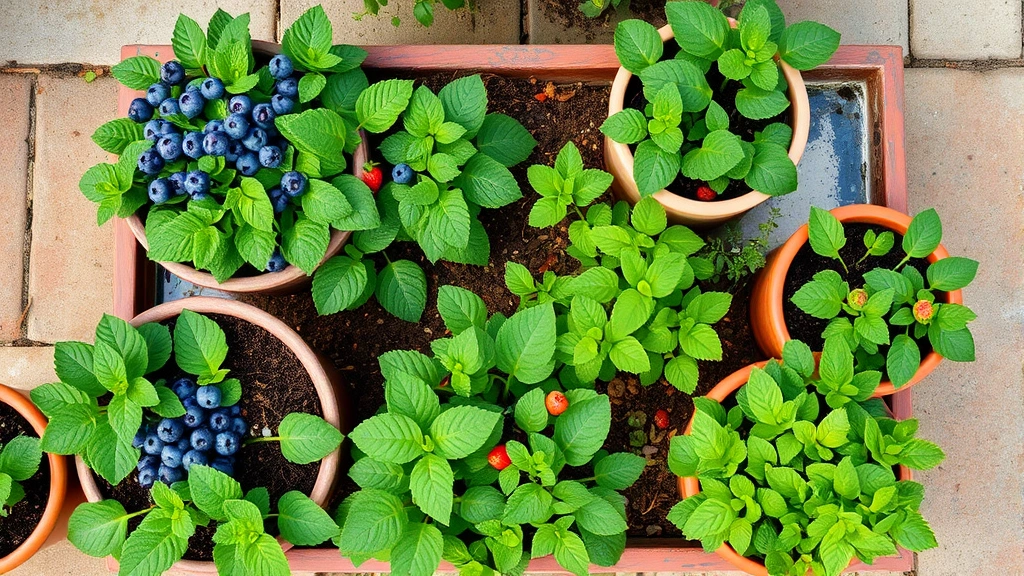
Smoothie gardens thrive in both container and in-ground configurations, each offering distinct advantages. Container growing suits apartment dwellers, those with limited space, and gardeners seeking maximum control over soil composition. Containers also simplify seasonal transitions—you can move cold-sensitive plants indoors during winter or relocate them to shadier spots during scorching summers.
Select containers with drainage holes and minimum depths of twelve inches for leafy greens, eighteen inches for herbs and shallow-rooted berries, and twenty-four inches for deeper-rooting plants like blueberries and fruit trees. Terracotta provides excellent breathability but dries quickly, while plastic retains moisture longer. Fabric pots offer the best of both worlds with superior drainage and aeration.
Fill containers with premium potting mix (not garden soil, which compacts in containers) combined with compost for nutrient density. Container plants require more frequent watering than ground-planted specimens because soil dries faster, especially in warm weather or windy locations. Plan to water containers daily during peak growing season, checking soil moisture by inserting your finger one inch deep.
Ground planting suits gardeners with adequate space and desire for lower maintenance. In-ground plants develop deeper root systems, access more soil nutrients, and require less frequent watering. Ground gardens accommodate larger plants like fruit trees and berry bushes more economically than containers. However, ground gardens demand more initial site preparation and offer less flexibility for seasonal adjustments.
Many smoothie gardeners employ hybrid approaches, using containers for seasonal greens and herbs while establishing permanent berry bushes and fruit trees in ground beds. This strategy maximizes productivity across different plant types and growing seasons.
Seasonal Planting Schedule
Successful smoothie gardens operate year-round by staggering plantings seasonally. Spring marks the prime planting season for most regions. Direct seed spinach, chard, and kale as soon as soil becomes workable. Transplant berry bushes and fruit trees once frost danger passes. Start mint and herb transplants indoors four weeks before your last spring frost, then move outdoors when nighttime temperatures exceed 50°F.
Summer focuses on maintenance and harvesting rather than new plantings in most climates. However, if you live in cooler regions, continue succession planting spinach and leafy greens every two weeks for continuous harvests. Provide afternoon shade for heat-sensitive crops using shade cloth. Summer is peak berry and fruit season—harvest ripe berries daily to encourage continued production.
Fall offers a second planting window for cool-season crops. Plant kale, spinach, chard, and arugula in late summer for fall and early winter harvests. These crops actually develop sweeter flavors after light frosts, as plants convert starches to sugars. Fall planting extends your growing season into winter in mild climates.
Winter gardening depends entirely on your climate zone. In cold regions, grow cold-hardy greens in cold frames or under row covers. Many gardeners transition to indoor sprouting, microgreens, or growing herbs on sunny windowsills. In mild climates, winter is prime season for leafy greens and citrus harvests. Check your local USDA hardiness zone to understand your region’s frost dates and growing seasons.
Watering and Nutrient Management
Consistent moisture proves critical for smoothie gardens. Leafy greens require steady hydration to maintain tender leaves and prevent bolting. Berries demand even moisture, especially during fruiting, though they dislike waterlogged soil. Implement drip irrigation or soaker hoses that deliver water directly to soil, reducing disease and evaporation losses. Water early morning to allow foliage to dry quickly and minimize fungal issues.
Check soil moisture by inserting your finger two inches into soil—water when it feels dry at this depth. Most smoothie gardens require daily watering during warm seasons, every two to three days in cooler periods. Container plants need more frequent watering than ground plantings. During heavy rain, skip scheduled watering to prevent waterlogging.
Nutrient management sustains continuous harvests. Heavy-feeding crops like leafy greens and berries exhaust soil nutrients rapidly, especially in containers. Apply balanced organic fertilizer (10-10-10 NPK) monthly during growing season, or use compost tea every two weeks for gentler nutrient supplementation. Cooperative Extension Services provide soil testing and fertilizer recommendations tailored to your region and specific plants.
Incorporate compost into garden beds annually to replenish organic matter and nutrients. Mulch around plants with two to three inches of wood chips or straw to retain moisture, regulate soil temperature, and suppress weeds. As mulch decomposes, it adds organic matter and nutrients to soil.
Harvesting for Maximum Nutrition
Harvest timing dramatically impacts nutritional content and flavor. Pick greens early morning after dew dries but before afternoon heat stresses plants. Morning-harvested leaves contain peak moisture, minerals, and vitamins. Harvest outer leaves from leafy greens first, allowing inner leaves to continue growing. This encourages bushier growth and extends harvest periods for months.
For continuous harvests, never remove more than one-third of plant material at once. This allows rapid regrowth and sustained productivity. Pinch off flowering stems on leafy greens immediately—once plants bolt, leaves become bitter and nutritional quality declines. Regular harvesting actually encourages more productive growth by preventing seed-setting energy expenditure.
Harvest berries at peak ripeness when they come off plants easily with gentle pressure. Fully ripe berries contain maximum antioxidants and sugars. Blueberries peak in antioxidants when deep blue and slightly soft. Raspberries and blackberries are sweetest when deeply colored. Strawberries reach optimal flavor one to two days after turning completely red.
Herbs reach peak flavor just before flowering. Harvest mint, basil, and parsley in morning, pinching off stem tips to encourage bushier growth. Leafy herbs can be harvested multiple times per season if properly maintained. Store fresh herbs in water like flowers, or freeze them in ice cube trays with water for smoothies.
Use harvested ingredients immediately for maximum nutritional benefit. Fresh, uncooked smoothie ingredients retain all enzymes, vitamins, and phytonutrients. If you can’t use ingredients immediately, store in refrigerator’s coldest section (32-35°F) where most greens stay fresh for five to seven days, and berries last three to five days.
Pest and Disease Prevention
Healthy smoothie gardens require proactive pest and disease management. Organic growing methods eliminate pesticide residues—the primary advantage of home growing. Inspect plants regularly for pest presence, checking undersides of leaves where many pests hide. Early detection allows removal by hand or with gentle water spray before populations explode.
Common smoothie garden pests include aphids (soft-bodied insects clustering on new growth), spider mites (causing stippled, yellowing leaves), and slugs (leaving irregular holes in leaves). Combat these organically by spraying affected plants with strong water stream, applying neem oil or insecticidal soap, or introducing beneficial insects like ladybugs and lacewings.
Powdery mildew and fungal diseases thrive in humid conditions with poor air circulation. Prevent these by spacing plants adequately, watering soil rather than foliage, and ensuring morning sun exposure to dry dew quickly. If fungal issues emerge, remove affected leaves and improve air circulation. Sulfur dust or potassium bicarbonate provide organic fungal control.
Companion planting deters pests naturally. Plant marigolds, nasturtiums, and garlic throughout smoothie gardens to repel aphids and other insects. These companion plants also attract beneficial insects and add visual appeal. Avoid planting fennel near most vegetables, as it inhibits growth, but plant it separately for smoothie use.
Healthy soil produces robust plants with superior pest resistance. Well-fed plants in balanced conditions naturally resist pests and diseases better than stressed specimens. Focus on soil health through compost amendments and organic matter incorporation rather than reactive pest spraying.
FAQ
How much space do I need for a productive smoothie garden?
A four-by-eight-foot raised bed or six large containers (eighteen inches diameter) provide sufficient space for continuous smoothie ingredients for one person. Smaller spaces work if you prioritize high-yield crops like berries and herbs. Vertical growing on trellises maximizes productivity in limited spaces.
Can I grow a smoothie garden indoors?
Yes, though with limitations. Leafy greens and herbs grow successfully under grow lights indoors, requiring twelve to sixteen hours of light daily. Berries and fruit trees need more light intensity than typical indoor setups provide. Many gardeners maintain indoor herb gardens supplemented with seasonal outdoor growing.
What’s the cheapest way to start a smoothie garden?
Start from seed rather than transplants to reduce costs significantly. Use containers you already own or repurpose five-gallon buckets. Collect rainwater for irrigation. Make your own compost from kitchen scraps. Begin small and expand as your confidence grows and budget allows.
Do smoothie garden plants need full sun?
Most smoothie plants prefer partial shade (four to six hours sun daily). Leafy greens actually prefer shade in warm climates, preventing bolting. Berries produce sweeter fruits with slightly reduced sun. This preference makes smoothie gardens ideal for partially shaded yards where many vegetables struggle.
When should I harvest herbs and greens?
Harvest in early morning after dew dries for maximum freshness and nutrition. Pick outer leaves of greens first, allowing inner leaves to mature. Harvest herbs before flowering for peak flavor. Regular harvesting encourages bushier growth and extends productivity throughout growing season.
How do I prevent my spinach and kale from bolting?
Plant cool-season crops in spring and fall when temperatures remain moderate. Provide afternoon shade during warm months. Water consistently—stress from drought triggers bolting. Harvest frequently to remove flowering stems before they develop. Choose bolt-resistant varieties suited to your climate.
Can I grow tropical fruits in cold climates?
Mango, pineapple, and banana require warm climates (zones 9-11) for outdoor growing. In colder regions, grow these in containers indoors near sunny windows or under grow lights. Citrus trees are more cold-tolerant than tropical fruits, with many varieties surviving zone 8 winters.
What’s the best fertilizer for smoothie gardens?
Organic, balanced fertilizers (10-10-10 NPK) work well for most smoothie crops. Fish emulsion and compost tea provide gentle nutrient boosts. Incorporate compost annually to build long-term soil fertility. Avoid synthetic fertilizers that can accumulate residues in edible crops.


