Keep Squirrels Out of Your Garden: Proven Gardener Techniques
Squirrels can transform a thriving garden into a disaster zone in mere weeks. These persistent rodents dig up bulbs, strip vegetables, damage tree bark, and create unsightly holes throughout garden beds. Whether you’re cultivating vegetables, protecting ornamental plants, or maintaining fruit trees, squirrel damage represents one of the most frustrating challenges gardeners face. The good news is that proven, humane techniques exist to reclaim your garden space and enjoy a squirrel-free growing season.
Unlike many pest problems that require expensive professional intervention, squirrel management relies on understanding animal behavior and implementing strategic barriers. From physical exclusion methods to sensory deterrents and habitat modification, gardeners have multiple effective tools at their disposal. This comprehensive guide reveals the most successful strategies used by experienced gardeners across different climates and garden types.
Understanding Squirrel Behavior and Motivation
Before implementing any squirrel control strategy, understanding why these animals target gardens is essential. Squirrels are motivated by three primary needs: food sources, nesting materials, and suitable habitat. During fall months, squirrels enter a frantic phase called hyperphagia, where they consume up to 50 percent more food to build fat reserves for winter. This behavior intensifies garden raids on nuts, seeds, and bulbs.
Squirrels possess exceptional memory and problem-solving abilities. Once they identify your garden as a reliable food source, they return repeatedly and teach other squirrels about the location. They dig in soft soil to bury acorns and nuts, inadvertently uprooting seedlings and damaging young plants. Understanding this behavior explains why simple solutions often fail—squirrels quickly adapt and overcome basic obstacles.
The key to successful squirrel management involves combining multiple techniques rather than relying on single solutions. Experts at USDA Wildlife Services recommend integrated pest management approaches that address motivation, access, and habitat factors simultaneously.
Physical Barriers and Exclusion Methods
Physical barriers represent the most reliable method for protecting garden areas from squirrel damage. These solutions create permanent obstacles that squirrels cannot overcome through adaptation or intelligence. Hardware cloth fencing, installed properly, prevents squirrels from accessing raised beds and garden plots entirely.
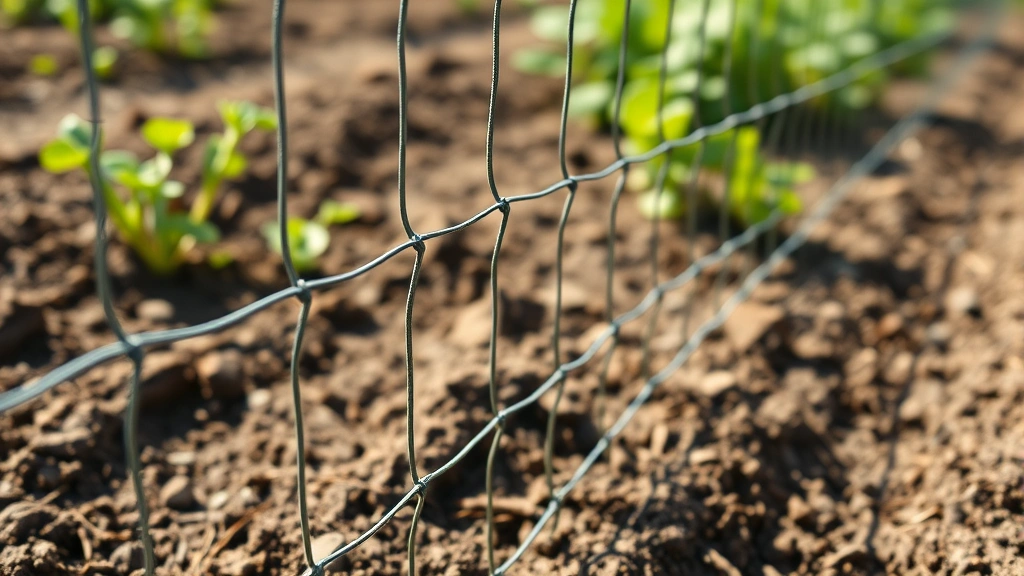
Installing Effective Fencing: Use quarter-inch hardware cloth or sturdy chicken wire buried at least 12 inches underground and extending 24-36 inches above ground level. Squirrels are excellent climbers, so vertical height matters significantly. Bury fencing at an angle, bending it outward at ground level to prevent tunneling. Overlap fence sections by at least 6 inches and secure with heavy-duty staples or wire.
Protecting Individual Plants: For valuable specimens, construct individual protective cages using PVC pipe frames covered with hardware cloth. These cages allow sunlight and water penetration while completely excluding squirrels. This method works exceptionally well for protecting newly planted bulbs and tender seedlings during vulnerable growth stages.
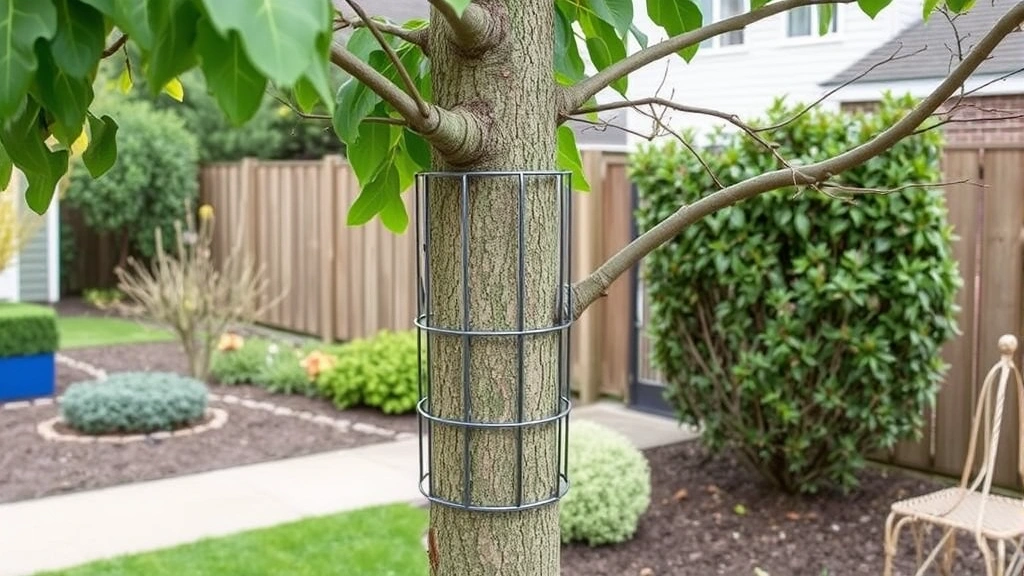
Tree Protection Techniques: Install metal tree guards or smooth plastic sleeves around tree trunks, extending at least 6 feet up the trunk. Squirrels cannot grip smooth surfaces, preventing them from climbing to access fruit or damaging bark. Trim branches that hang within 6-8 feet of fences, roofs, or other structures that squirrels could use as launching points.
For bonsai trees and container specimens, move containers away from structures and onto open ground away from jumping-off points. Squirrels are less likely to attempt exposed crossings where predators might spot them.
Sensory Deterrents That Work
While not as reliable as physical barriers, sensory deterrents can effectively supplement exclusion methods by making your garden less appealing. These deterrents exploit squirrels’ sensitivity to taste, smell, and tactile sensations.
Capsaicin-Based Products: Squirrels hate capsaicin, the compound that makes peppers hot. Commercial capsaicin sprays applied to plants and soil create an unpleasant sensory experience without harming animals. Reapply after rain and weekly during growing season. This method works particularly well for protecting vegetables and ornamental plants throughout the season.
Predator Urine and Scent Markers: Products containing coyote or fox urine signal predator presence, triggering avoidance behavior. Apply around garden perimeters and refresh monthly. While results vary, many gardeners report success combining predator scents with other methods. The psychological impact of perceived predators often proves more effective than physical presence alone.
Noise and Motion Deterrents: Squirrels are skittish animals that dislike unexpected sounds and movements. Motion-activated sprinklers, wind chimes, and ultrasonic devices provide temporary deterrence. However, squirrels adapt quickly to consistent noise patterns. Varying deterrent methods and rotating their placement maintains effectiveness throughout the season.
Taste Aversion Products: Commercial taste deterrents containing bittering agents like capsaicin or thiram coat seeds and bulbs, creating unpleasant taste experiences. Apply before planting and reapply to newly exposed soil. These products work best for preventing digging rather than stopping consumption of established plants.
Plant-Based Strategies and Resistant Varieties
Certain plants naturally repel squirrels through taste, smell, or texture. Incorporating these species throughout your garden creates an inhospitable environment while maintaining aesthetic appeal.
Squirrel-Resistant Plants: Alliums (onions, garlic, chives), marigolds, daffodils, and fritillaria bulbs are rarely damaged by squirrels. These plants contain compounds that squirrels find unpalatable. Consider replacing vulnerable tulips and crocus with daffodils for spring color. Incorporate allium varieties into vegetable gardens for dual purpose as food and deterrent.
Protecting Vegetables with Strategic Placement: Position susceptible crops like corn, beans, and root vegetables near small evergreen garden plants that squirrels avoid. The presence of deterrent plants discourages exploration of nearby vulnerable crops. This intercropping technique maximizes garden space while providing natural protection.
Using Herbs as Boundary Plants: Plant mint, rosemary, and lavender around garden perimeters. These fragrant herbs repel squirrels while providing culinary and ornamental benefits. Dense herb plantings create physical and sensory barriers that discourage squirrel entry. Establishing indoor herb gardens ensures you maintain these protective species year-round for seasonal planting.
Sacrificial Planting Strategy: Plant extra vegetables specifically intended for squirrels away from your main garden. Providing abundant food sources in designated areas reduces pressure on protected plants. This counterintuitive approach acknowledges that complete exclusion is often impossible and directs damage to acceptable locations.
Habitat Modification and Prevention
Creating an environment unsuitable for squirrels prevents problems before they start. Habitat modification addresses the underlying conditions that attract squirrels and support their populations.
Removing Food Sources: Clean up fallen nuts, seeds, and fruit promptly. Squirrels cache acorns and nuts in soil, creating problems and establishing territory markers. Remove seed heads from plants before squirrels can harvest them. Secure bird feeders in protected structures or remove them entirely during fall months when squirrel pressure peaks.
Eliminating Shelter Options: Dense brush piles, wood stacks, and overgrown vegetation provide ideal squirrel habitat. Maintain clear space under trees and shrubs. Remove dead branches and thin dense foliage. Store firewood away from garden areas in elevated racks. Squirrels need shelter and security—eliminating these features encourages them to relocate to more suitable habitat.
Water Management: Reduce standing water and fountain features that attract squirrels. Use drip irrigation or soaker hoses instead of overhead watering. Squirrels drink from puddles and containers; eliminating easy water access in garden areas discourages occupation. This approach also conserves water, benefiting your best garden hose efficiency and overall garden health.
Reducing Nesting Materials: Squirrels gather soft materials for nest construction. Minimize loose straw, leaves, and fibrous plants in garden areas. Compost piles should be enclosed and inaccessible. This removal of nesting resources combined with habitat modification makes your garden less attractive for establishing squirrel territories.
Protecting Specific Garden Areas
Different garden types require tailored protection strategies. Customizing approaches to your specific growing situation maximizes effectiveness and minimizes effort.
Raised Bed Protection: Raised beds offer natural advantages for squirrel protection. Install hardware cloth bottoms before filling with soil, creating complete exclusion. For existing beds, install vertical fencing around perimeters and extend 12 inches underground. Top the bed with protective netting during vulnerable seasons. This method particularly benefits garden tower systems and vertical growing arrangements.
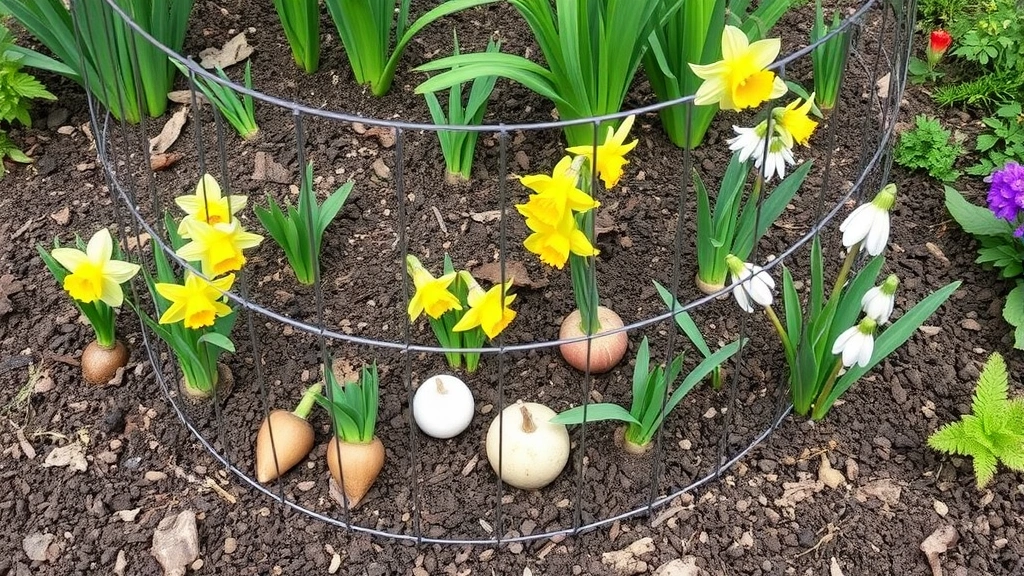
Bulb Protection: Plant bulbs in protective cages constructed from hardware cloth. Create bulb-sized compartments that exclude squirrels while allowing plants to emerge. Alternatively, apply capsaicin spray directly to bulbs before planting. Some gardeners use individual plastic netting cages around each bulb group, providing excellent protection without affecting growth.
Container Garden Security: Move pots to elevated positions on shelves or stands away from jumping-off points. Group containers together and surround with deterrent plants. Apply adhesive bird spikes to pot rims to prevent squirrels from gripping edges. Squirrels struggle to access plants in isolated containers, making this method highly effective for valuable specimens.
Fruit Tree and Nut Tree Management: Prune branches to eliminate squirrel highways between structures and trees. Install metal tree guards extending 6 feet up trunks. Remove fallen fruit and nuts promptly to eliminate food sources. Harvest ripe fruit before squirrels can access it, accepting earlier harvests as necessary. For small trees, construct complete protective cages during fruiting season.
Seasonal Squirrel Management
Squirrel pressure varies seasonally, requiring adjusted strategies throughout the year. Seasonal awareness maximizes protection efficiency and reduces unnecessary effort during low-pressure periods.
Spring (March-May): Spring presents moderate squirrel pressure as they emerge from winter and seek fresh food sources. Newly planted seeds and seedlings are particularly vulnerable. Install protective barriers before planting and apply taste deterrents to seed rows. Monitor for digging in freshly turned soil and apply capsaicin spray to vulnerable areas. This period is ideal for installing permanent fencing and tree guards.
Summer (June-August): Summer squirrel pressure decreases as natural food sources become abundant in woodlands. Maintain vigilance with deterrents and barriers but expect fewer digging incidents. Focus efforts on protecting ripening vegetables and fruit. Continue applying taste deterrents as they wash off from rain and watering. Summer is ideal for habitat modification and removing shelter options.
Fall (September-November): Fall represents peak squirrel pressure when hyperphagia drives intense foraging behavior. Squirrels desperately seek nuts, seeds, and bulbs to cache for winter. Strengthen all barriers and increase deterrent applications. Harvest ripe fruit immediately and remove fallen nuts daily. This critical period demands maximum vigilance and effort. Consider temporary protective netting over vulnerable plantings.
Winter (December-February): Winter pressure varies by region. In mild climates, squirrels remain active and continue damaging plants. In cold regions, they rely on cached food and reduce garden activity. Even in cold climates, occasional warm days trigger feeding forays. Maintain barriers and deterrents year-round, as inconsistent protection teaches squirrels to return during vulnerable periods.
Soil Preparation Timing: When amending soil with garden fertilizer and organic matter, time applications carefully. Fresh compost and disturbed soil attract squirrel digging. Apply soil amendments in spring before planting rather than fall when squirrels are most active. Keep amended areas covered with hardware cloth or netting until planting occurs.
FAQ
What is the most effective squirrel deterrent?
Physical barriers like hardware cloth fencing provide the most reliable, long-term protection. However, combining physical exclusion with sensory deterrents and habitat modification delivers superior results. No single method works universally; integrated approaches addressing multiple factors prove most successful.
Are there humane ways to handle persistent squirrels?
Yes. Physical exclusion, deterrents, and habitat modification are all humane methods that don’t harm animals. Trapping and relocation should be considered only as last resort after other methods fail, and must comply with local wildlife regulations. Contact your local extension service for guidance on humane squirrel management in your region.
Can squirrels climb hardware cloth?
Squirrels cannot climb smooth, properly installed hardware cloth. However, they can chew through plastic mesh and weak materials. Use sturdy quarter-inch hardware cloth secured with heavy-duty staples. Regularly inspect for damage and reinforce weak areas immediately.
How do I protect bulbs from squirrels?
Individual protective cages, capsaicin spray on bulbs, and planting squirrel-resistant varieties like daffodils all work effectively. Combining methods provides maximum protection. Plant vulnerable bulbs in protective hardware cloth containers that allow growth while excluding squirrels.
Will removing squirrels solve the problem permanently?
Trapping and removing squirrels provides temporary relief, but new squirrels eventually discover your garden. Without addressing habitat factors and food sources, removed squirrels are simply replaced by others. Permanent solutions require environmental modification combined with ongoing protection measures.
What’s the best time to install protective barriers?
Install barriers before problems occur. Spring is ideal for permanent installations like tree guards and fencing, allowing time for proper installation before peak pressure. Before fall planting, ensure all bulb protection is in place. Reactive installation after damage occurs wastes time and resources.
Can plants naturally repel all squirrels?
While certain plants are less attractive to squirrels, no plant completely deters determined animals. Hungry squirrels in fall will sample normally resistant plants. Combining resistant plants with other protection methods provides better results than relying on plants alone.


