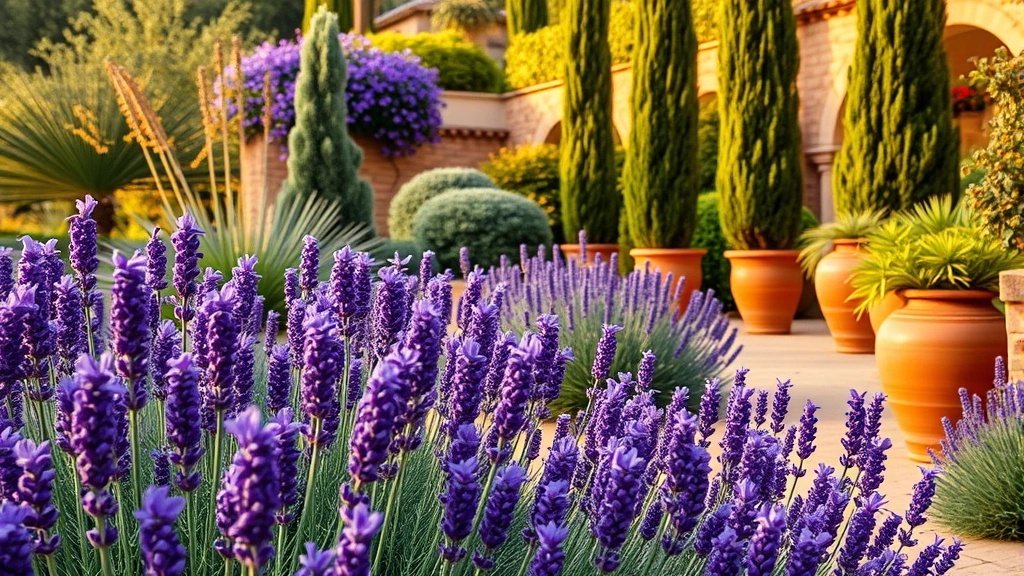
Best Flowers for Italian Gardens: Gardener’s Choice
Italian gardens represent centuries of horticultural tradition, blending Mediterranean climate wisdom with artistic vision. The flowers that thrive in Italian landscapes aren’t merely decorative—they’re part of a living heritage that connects soil, season, and culture. Whether you’re designing a garden inspired by the rolling Tuscan hills, the coastal charm of Lake Garda (near destinations like Hotel Europa a Desenzano del Garda), or the classical formality of Renaissance villa gardens, selecting the right flowers creates authenticity and ensures success.
Creating an Italian garden requires understanding both the Mediterranean climate and the specific aesthetic principles that define this style. Italian gardens celebrate color, fragrance, and the harmonious relationship between cultivated plants and natural landscape. The flowers you choose should reflect this philosophy while thriving in your local conditions.
Classic Mediterranean Flowers for Italian Gardens
The foundation of authentic Italian gardens rests on flowers that have flourished around the Mediterranean for generations. Lavender stands as perhaps the most iconic choice, with its purple spikes and intoxicating fragrance defining the sensory experience of Italian landscapes. English lavender (Lavandula angustifolia) and French lavender (Lavandula stoechas) both perform excellently, though French varieties tolerate heat better in southern regions.
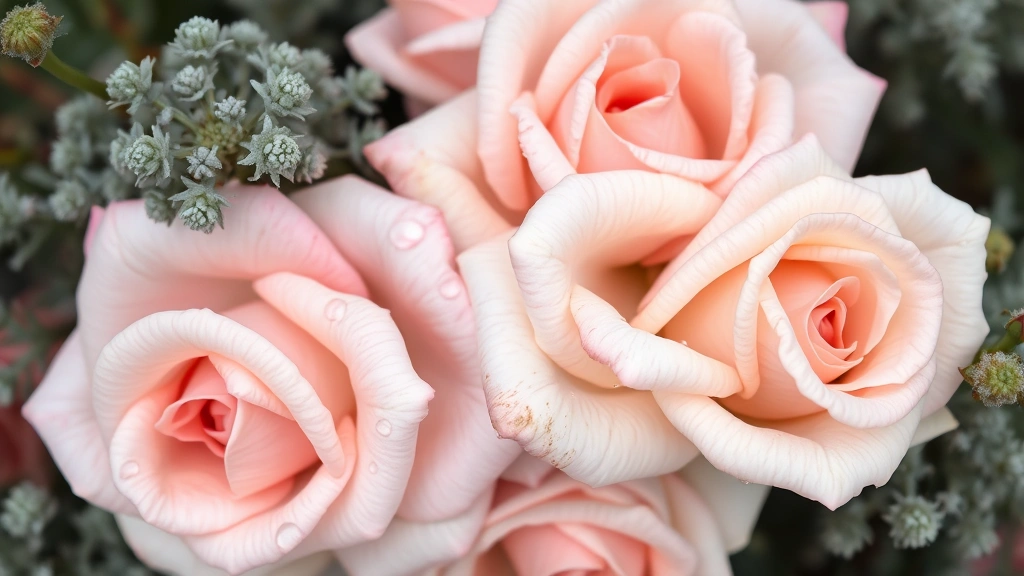
Roses hold a special place in Italian garden tradition, particularly old European varieties that have been cultivated since the Renaissance. Damask roses, Gallica roses, and Alba roses bring historical authenticity while offering superior fragrance compared to modern hybrids. These heirloom varieties often require less chemical intervention and develop stronger root systems over time.
Bougainvillea brings explosive color to Italian gardens, particularly in warmer zones (USDA 9-11). These tropical-origin plants produce stunning magenta, pink, orange, and purple bracts that can cover entire walls or arbors. While demanding full sun and excellent drainage, established bougainvillea plants become remarkably drought-tolerant and long-lived.
Oleander (Nerium oleander) represents the Mediterranean’s heat and drought tolerance perfectly. Available in white, pink, red, and yellow varieties, oleander flowers bloom prolifically from summer through fall. All parts of the plant are toxic, so position carefully away from children and pets, but the reward is a nearly indestructible flowering shrub.
Iris varieties, particularly bearded iris and Iris germanica, connect to Italian garden history through centuries of cultivation. These architectural plants provide structure and early-season color before many other flowers emerge. Their sword-like foliage adds textural interest even after blooming ends.
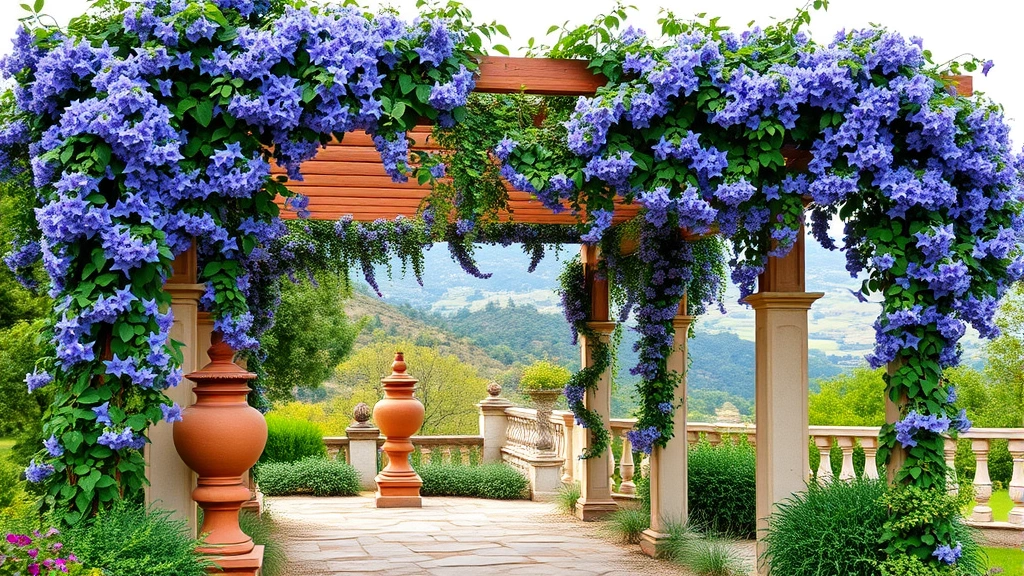
Clematis vines offer vertical dimension and romantic charm when trained over pergolas or arbors. Italian gardens frequently feature clematis varieties like ‘Jackmanii’ and ‘Henryi,’ which provide abundant flowering and elegant draping habits that soften architectural elements.
When you’re preparing garden soil for a thriving garden, Mediterranean flowers generally prefer well-draining conditions that replicate their native hillside habitats. Most classic Italian garden flowers despise waterlogged roots, making proper soil amendment essential for success.
Seasonal Bloomers for Year-Round Color
Italian gardens achieve visual interest throughout the year by strategically combining early, mid-season, and late bloomers. Spring announces itself with tulips, anemones, and ranunculus—flowers that bridge the winter dormancy and set the stage for warmer months. Tulips, while not native to Italy, have been grown there since the 16th century and feel entirely at home in Italian gardens.
Summer brings the peak of garden activity with roses, lavender, delphiniums, and zinnias creating abundant color. Zinnias deserve special mention as heat-loving annuals that flourish in Mediterranean conditions and provide cut flowers all season. Their vibrant colors—crimson, coral, gold, and purple—align perfectly with Italian garden aesthetics.
Dahlias extend the season into fall with their sophisticated geometric blooms. These tubers require digging in cold climates but thrive in warm Mediterranean regions where they can remain in the ground year-round. Dahlia varieties range from dinner-plate sized flowers to delicate pompoms, offering tremendous design flexibility.
Autumn relies on salvias, asters, and chrysanthemums to maintain color as summer flowers fade. Russian sage (Salvia yangii, formerly Perovskia) produces ethereal blue-purple flowers on airy stems that complement the garden’s waning light beautifully.
Winter in mild Mediterranean climates allows hellebores, winter-blooming jasmine, and early narcissus to shine. While colder climates experience dormancy, even brief winter blooms from these hardy flowers provide hope and visual interest during gray months.
Understanding your local native plants and how they grow helps you select seasonal bloomers that align with your region’s natural rhythms. This approach creates gardens that feel integrated with their environment rather than fighting against local conditions.
Fragrant Flowers Essential to Italian Design
Italian gardens engage all senses, with fragrance playing an equally important role as visual beauty. Gardenias produce creamy white flowers with intoxicating sweetness that epitomizes Southern and Mediterranean elegance. These evergreen shrubs bloom prolifically in warm climates and deserve prominent placement where their fragrance can be fully appreciated.
Jasmine varieties—particularly common jasmine (Jasminum officinale) and Carolina jasmine—create fragrant screens and arbor coverings. Evening-blooming jasmine releases its strongest fragrance after sunset, making it perfect for areas where you spend time during cooler evening hours.
Peonies deliver spectacular spring fragrance alongside their voluptuous blooms. While preferring cooler climates than pure Mediterranean zones, peonies succeed in northern Italian gardens and deserve inclusion for their old-world charm and intoxicating scent.
Sweet peas (Lathyrus odoratus) provide delicate fragrance and romantic climbing vines. These cool-season annuals bloom prolifically in spring and fall, offering cut flowers that bring Italian garden beauty indoors.
Lilacs (Syringa) perform excellently in cooler Italian regions and mountain areas, producing purple, white, or pink flower clusters with unmistakable fragrance. Late spring lilac blooms signal the transition to warmer months throughout Mediterranean Europe.
Tuberose (Polianthes tuberosa) brings exotic, intensely fragrant white flowers to warm Mediterranean gardens. These tropical bulbs require planting after soil warms completely but reward patient gardeners with unforgettable evening fragrance.
Position fragrant flowers strategically near seating areas, along pathways, and near windows where their scent can drift indoors. This intentional placement transforms fragrance from pleasant accident into essential garden design element.
Growing Conditions and Soil Preparation
Mediterranean flowers evolved in specific environmental conditions that gardeners must replicate for success. Sunlight represents the first crucial factor—most Italian garden flowers demand six to eight hours of direct daily sun. This full-sun requirement isn’t negotiable; insufficient light produces weak growth, reduced flowering, and disease susceptibility.
Drainage supersedes all other soil considerations. Mediterranean flowers come from regions with seasonal rainfall patterns and naturally well-draining soils. Heavy clay soils require amendment with coarse sand, perlite, and organic matter to create the fast-draining conditions these plants demand. Constructing a raised garden bed provides an excellent solution for problematic native soils, allowing you to control soil composition completely.
pH levels should remain neutral to slightly alkaline (7.0-7.5) for most Mediterranean flowers. Lavender, in particular, thrives in alkaline soils and may develop yellowing leaves in acidic conditions. Test your soil before planting and amend accordingly with lime if needed.
Fertility should be moderate rather than rich. Over-fertilization produces excessive foliage at the expense of flowers and increases disease susceptibility. Annual mulching with well-aged compost provides adequate nutrients without excessive feeding. Avoid fresh manure, which can burn tender plants and encourage fungal diseases.
Mulching protects soil moisture and moderates temperature fluctuations, but maintain a 3-4 inch clearance around plant stems to prevent rot. Use coarse mulch materials like wood chips or gravel rather than dense materials that trap moisture against plant crowns.
Garden Design Principles
Italian gardens follow specific aesthetic principles that distinguish them from other garden styles. Structure comes first—Italian gardens typically feature geometric layouts with clear lines, defined beds, and architectural elements like pergolas, arbors, and formal hedges. Flowers fill these structured spaces rather than dominating the overall design.
Color harmony in Italian gardens often follows the Tuscan palette: soft yellows, terracotta, warm reds, purples, and whites against silvery-green foliage. This restrained color scheme creates sophistication and allows individual flowers to shine rather than creating visual chaos.
Vertical elements define Italian garden style. Climbing roses on pergolas, clematis on arbors, and bougainvillea on walls create the layered, three-dimensional spaces characteristic of Mediterranean design. This vertical interest also maximizes planting area in smaller spaces.
Water features complement Italian gardens, from simple fountains to reflecting pools. The sound and visual presence of water connects to Mediterranean heritage while providing practical cooling and humidity benefits in hot climates.
Focal points guide the viewer’s eye through the garden. These might be specimen plants, sculptures, seating areas, or water features. Flowers support focal points without overwhelming them—a classic approach that prevents gardens from feeling chaotic.
Incorporate garden stones to create pathways, borders, and structural elements that anchor your Italian garden design. Stone materials—travertine, limestone, or terracotta—evoke Mediterranean authenticity while providing practical garden infrastructure.
Companion Planting Strategies
Italian gardens succeed when flowers are combined thoughtfully with complementary plants. Herbs integrate seamlessly into Italian gardens, with lavender, rosemary, santolina, and oregano providing flowers, foliage interest, and practical culinary value. These Mediterranean natives thrive in the same conditions as ornamental flowers and create harmonious plantings.
Silver-foliaged plants like dusty miller, artemisia, and senecio provide visual contrast while reducing water needs. Their pale foliage makes adjacent flower colors appear more vibrant and creates a sophisticated, cohesive appearance throughout the garden.
Ornamental grasses add movement and texture without competing with flowers for visual attention. Mediterranean fan palm, blue fescue, and fountain grass provide architectural interest and help transition between flower beds and hardscape.
Evergreen shrubs provide year-round structure and backbone for Italian gardens. Boxwood, holly, and privet create formal hedges and defined spaces while requiring minimal supplemental watering once established.
When selecting garden tools for planting combinations, invest in quality implements that make close spacing and careful placement possible. Italian gardens often feature dense plantings that reward precise positioning and thoughtful design.
Underplanting beneath flowering shrubs and roses creates depth and extends blooming periods. Low-growing annuals like violas, pansies, and alyssum fill spaces around base plantings while adding color and texture.
Create fairy garden-like intimate spaces within larger Italian gardens by grouping containers, combining complementary flowers, and adding small seating areas. These micro-gardens provide refuge and encourage closer observation of individual blooms and fragrances.
FAQ
What flowers grow best in Italian climate conditions?
Lavender, roses, bougainvillea, oleander, iris, clematis, and jasmine thrive in Mediterranean climates with hot, dry summers and mild winters. These plants evolved in these exact conditions and require minimal supplemental care once established. Mediterranean fan palm and Italian cypress provide structural backbone for authentic gardens.
Can I grow Italian garden flowers in colder climates?
Many Italian garden flowers succeed in colder zones with appropriate selection. Roses, peonies, clematis, lilacs, and iris varieties hardy to zone 4 or 5 provide authentic Italian garden aesthetics. In colder regions, grow tender plants like bougainvillea and oleander in containers, moving them indoors during winter months.
How often should I water Italian garden flowers?
Once established, Mediterranean flowers require minimal supplemental water beyond natural rainfall. During initial establishment (first season), water regularly until roots develop deeply. Mature plants typically need water only during extended dry periods. Over-watering causes root rot and fungal disease, so err toward dryness rather than excess moisture.
What’s the best time to plant Italian garden flowers?
Spring and fall represent ideal planting times in most climates. Spring planting allows plants to establish roots before summer heat, while fall planting gives roots time to develop before spring growth begins. Avoid planting during summer heat stress or winter dormancy when plants cannot recover from transplant shock effectively.
Do Italian garden flowers need fertilizing?
Most Mediterranean flowers require minimal fertilization. Moderate fertility supports blooming without excessive foliage growth that reduces flowering. Annual mulching with compost provides adequate nutrients. Avoid high-nitrogen fertilizers that encourage leafy growth at the expense of flowers.
How do I prevent pests and diseases in Italian gardens?
Proper cultural practices prevent most pest and disease problems. Ensure excellent drainage to prevent fungal diseases, provide adequate air circulation through careful spacing, and remove dead foliage regularly. Mediterranean flowers are generally pest-resistant when grown in appropriate conditions; problems typically indicate environmental stress rather than inherent plant weakness.


