Save Money Gardening: Expert Tips & Tricks to Grow More for Less
Gardening doesn’t have to drain your bank account. Whether you’re dreaming of a thriving vegetable patch, a vibrant flower garden, or a productive indoor herb garden, strategic planning and smart purchasing decisions can significantly reduce your costs while maximizing your harvest. Many gardeners spend hundreds of dollars annually on seeds, tools, and supplies without realizing that proven money-saving techniques exist that experienced growers have used for decades.
The key to budget-friendly gardening lies in understanding where your money typically goes and identifying alternatives that don’t compromise quality or results. From starting seeds indoors to building your own compost system and making smart tool investments, this comprehensive guide reveals practical strategies that will help you cultivate abundance without breaking the bank. These expert-tested methods work whether you’re maintaining a small container garden or managing several raised beds.
Start Seeds Indoors to Maximize Your Budget
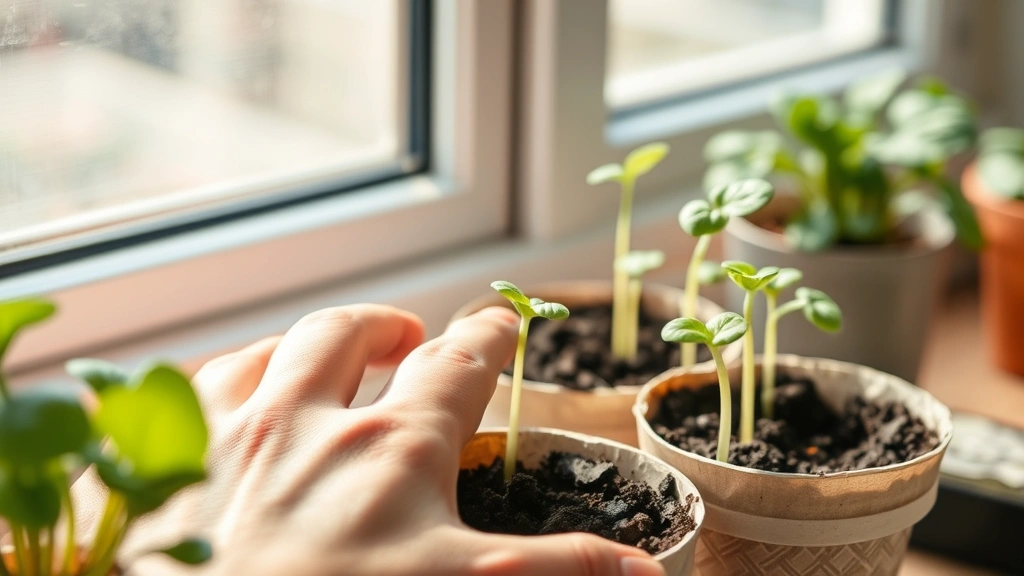
One of the most effective ways to save money gardening is starting seeds indoors rather than purchasing nursery-grown seedlings. A single seed packet typically costs $2-4 and contains 50-300 seeds, while buying the same number of established plants from a garden center could cost $50-150 or more. This single strategy can save hundreds of dollars annually.
Starting seeds indoors requires minimal investment: seed trays (reusable for years), a grow light or sunny windowsill, and quality seed-starting mix. You’ll find that many successful gardeners repurpose household items like yogurt containers, egg cartons, and newspaper pots instead of purchasing expensive seed-starting kits. Begin your seeds 6-8 weeks before your last spring frost date, following the specific instructions on each packet for optimal germination rates.
The financial advantage extends beyond the initial purchase. Homegrown seedlings are often healthier and more robust than nursery plants, leading to better transplant success and higher yields. Additionally, you control exactly what varieties you grow, allowing you to select heirloom and specialty plants unavailable at local garden centers. When you start a flower garden from seed, you’ll discover rare cultivars that would otherwise cost premium prices.
Build Your Own Compost System
Purchasing bagged compost and soil amendments represents a significant ongoing expense for most gardeners. A single bag of quality compost costs $3-8, and filling raised beds or garden plots requires dozens of bags annually. Creating your own compost system eliminates this expense almost entirely while improving soil health and sustainability.
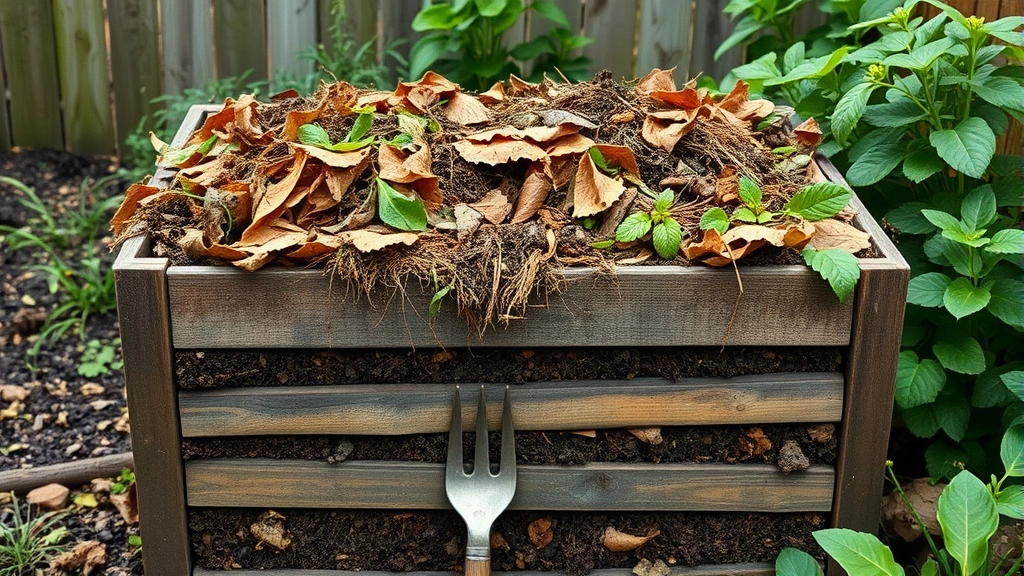
Composting requires no special equipment to start. A simple pile in a corner of your yard works perfectly, though a three-bin system or tumbler provides better organization and faster decomposition. Collect brown materials (dried leaves, shredded paper, straw) and green materials (grass clippings, vegetable scraps, coffee grounds) in roughly equal proportions, maintaining proper moisture and turning occasionally. Within 3-6 months, you’ll have rich, dark compost ready for garden beds.
The long-term savings are substantial. A household producing two yards of finished compost annually saves $100-200 compared to purchasing bagged products. Beyond financial savings, homemade compost enhances soil structure, water retention, and microbial life more effectively than commercial alternatives. Your garden’s productivity increases while your expenses decrease—a rare win-win scenario that justifies the minimal effort required.
Invest in Quality Garden Tools Once
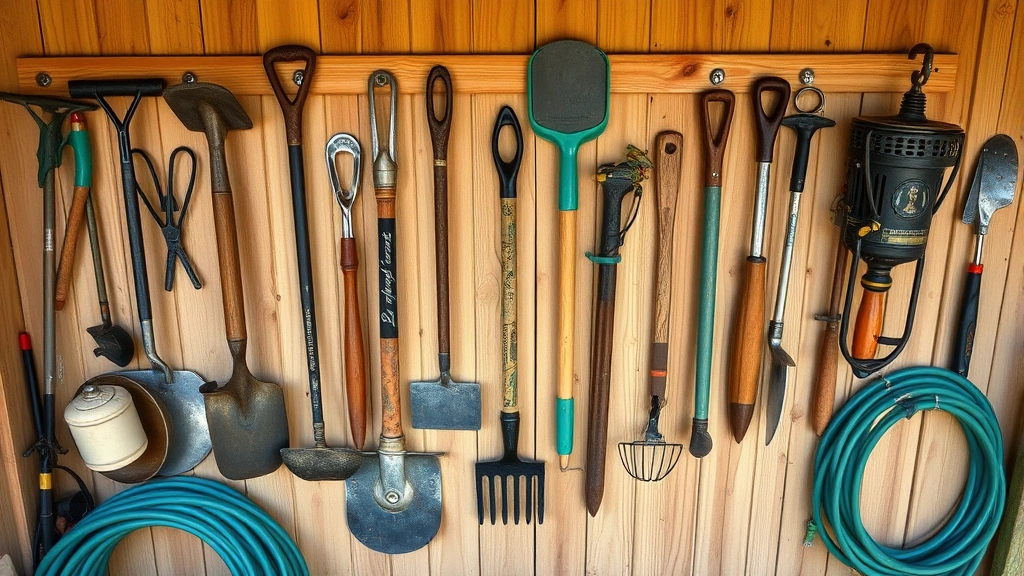
While purchasing inexpensive tools might seem economical initially, cheap implements wear out quickly, requiring frequent replacement and ultimately costing more. Smart gardeners invest in quality garden tools that last decades with proper care. A well-made spade, hoe, and fork cost more upfront but provide years of reliable service, making them genuinely cost-effective.
Look for tools with solid construction: forged metal (not stamped), hardwood or fiberglass handles, and secure fastening. Brands with lifetime warranties often represent excellent value, as replacements are covered if handles break or components fail. Vintage and antique tools frequently offer superior quality at reasonable prices through estate sales, flea markets, and online marketplaces.
Proper maintenance extends tool life indefinitely. Clean tools after each use, dry them thoroughly, oil wooden handles periodically, and sharpen blades annually. Store tools in a dry location protected from moisture and weather. A gardener with well-maintained quality tools from 20 years ago will outperform someone constantly replacing bargain implements. This principle applies to choosing the best garden hose—investing in durable, kink-resistant hoses saves money and frustration over time.
Collect and Save Seeds from Your Plants
Seed saving transforms your most successful plants into renewable resources. Once you’ve grown exceptional tomatoes, beans, flowers, or herbs, collecting seeds from these plants costs nothing while ensuring you’ll have identical plants next season. This practice also connects you to gardening traditions spanning thousands of years.
Different plants require different collection methods. Tomatoes require fermentation to remove germination inhibitors, while beans and peas simply need drying in their pods. Flowers like zinnias, marigolds, and sunflowers produce abundant seeds easily collected when seedheads dry. Herbs like basil, cilantro, and dill self-seed readily if allowed to flower and mature.
Store seeds in cool, dry conditions (ideally 32-41°F with low humidity) in airtight containers. Properly stored seeds remain viable for 2-5 years or longer, depending on species. A gardener saving seeds from just five plants annually eliminates the need to purchase those seeds ever again, creating permanent savings. This practice also develops deeper knowledge of plant lifecycles and growing conditions.
Water Wisely with Smart Irrigation
Water represents both a precious resource and a significant expense for many gardeners. Efficient watering practices reduce utility bills while supporting plant health and environmental sustainability. Rather than overhead sprinklers that waste water through evaporation, drip irrigation systems deliver water directly to plant roots where it’s needed.
Drip irrigation components—soaker hoses, drip lines, and timers—cost $30-100 for a small garden, but water savings often recoup this investment within a season. These systems reduce water consumption by 40-60% compared to conventional watering methods while improving plant health through consistent moisture. Mulching around plants further reduces evaporation and decreases watering frequency.
Water in early morning or evening when temperatures are cool, minimizing evaporation losses. Adjust watering frequency based on rainfall and seasonal conditions rather than maintaining rigid schedules. Most established plants need 1-2 inches of water weekly, accounting for natural precipitation. Container plants and newly planted specimens require more frequent attention. Installing rain barrels captures free water for drought periods, providing additional savings.
Join Local Gardening Communities
Gardening communities offer invaluable resources for budget-conscious growers. Local gardening clubs, master gardener programs, and online forums connect you with experienced gardeners who share knowledge, seeds, and plants freely. Many communities organize plant swaps where gardeners exchange divisions, seedlings, and seeds—obtaining plants that would otherwise cost significant money.
Master gardener programs, often affiliated with university extension services, provide free training in plant care, pest management, and gardening techniques. These programs frequently operate demonstration gardens where you can observe proper practices and learn from experienced volunteers. University cooperative extension offices offer free or low-cost resources including expert gardening advice and research-based guides.
Networking within gardening communities often leads to shared resources like tool libraries, bulk seed purchasing cooperatives, and group purchases of mulch or compost. These connections transform gardening from an individual pursuit into a collaborative endeavor where everyone benefits from shared knowledge and resources. Building relationships with experienced gardeners accelerates your learning curve while reducing costly mistakes.
Choose Perennials Over Annuals
While annual flowers provide seasonal color, perennials offer superior long-term value. Perennials return year after year, requiring only initial planting investment, while annuals must be replanted annually at recurring cost. A perennial bed established over 2-3 years requires minimal future spending beyond occasional division and maintenance.
Popular budget-friendly perennials include coneflowers, black-eyed Susans, daylilies, salvia, and ornamental grasses. These hardy plants thrive with minimal care, tolerate various soil conditions, and often self-seed, providing additional free plants. Many perennials can be divided every 3-4 years, creating new plants for expanding your garden or sharing with fellow gardeners.
Perennials also support pollinators and beneficial insects more effectively than annuals, creating self-sustaining garden ecosystems that require less pest management intervention. This ecological benefit reduces the need for purchased pesticides and fertilizers. Over a decade, a well-planned perennial garden costs a fraction of what annuals would require while providing increasing beauty and functionality.
Make Your Own Fertilizers and Pest Solutions
Commercial fertilizers and pest control products represent ongoing expenses that quickly accumulate. Creating your own solutions from household materials costs pennies while providing effective results. Kitchen scraps, grass clippings, and yard waste contain nutrients your plants need for vigorous growth.
Compost tea—made by steeping finished compost in water—provides balanced nutrition for vegetables and flowers. Coffee grounds contain nitrogen, eggshells provide calcium, and wood ash supplies potassium. Banana peels, rich in potassium, can be dried and ground into a powder for flowering plants. These free materials replace expensive commercial fertilizers while improving soil biology.
For pest management, neem oil spray, insecticidal soap, and diatomaceous earth solutions effectively control common garden pests at minimal cost. Companion planting—growing beneficial plants together—naturally deters pests and reduces or eliminates the need for purchased controls. Marigolds repel aphids, basil deters flies, and nasturtiums attract beneficial insects while protecting vegetables. This integrated approach saves money while supporting garden health.
Encourage natural predators like ladybugs, lacewings, and parasitic wasps by providing habitat through diverse plantings. These beneficial insects control pest populations naturally, reducing your workload and expenses. Many gardeners find that healthy, well-balanced gardens self-regulate pest populations without intervention, eliminating pest control expenses entirely.
FAQ
How much money can I save by starting seeds indoors?
Gardeners typically save $100-400 annually by starting seeds indoors versus purchasing nursery plants. The savings increase with garden size and the number of plants grown. Initial investment in seed trays and grow lights ($20-50) is recouped within the first season.
What’s the best time to start building compost?
Begin composting immediately, as compost systems work year-round. Spring and fall, when yard waste is abundant, provide ideal starting points. Even winter composting works in many climates, though decomposition slows. Starting now means finished compost will be available when you need it most.
Can I save seeds from hybrid plants?
Seeds from hybrid plants won’t produce identical plants to their parents. Save seeds from heirloom and open-pollinated varieties instead. These plants will reliably reproduce true-to-type, ensuring consistent results year after year.
How long do properly stored seeds remain viable?
Most vegetable seeds remain viable 2-4 years when stored in cool, dry conditions. Flower seeds often last 3-5 years or longer. Some seeds, like parsnip and onion, decline faster. Store seeds in airtight containers with desiccant packets in a cool location for maximum longevity.
Are perennials truly more economical than annuals?
Yes, perennials provide superior long-term value. While initial establishment costs more, perennials return annually without replanting. After 3-4 years, perennial gardens cost significantly less to maintain than annual gardens while often providing greater visual impact and ecological benefits.
What are the most cost-effective garden improvements?
Prioritize soil building through composting, invest in quality tools, and implement efficient watering systems. These foundational improvements reduce ongoing expenses while dramatically improving garden productivity. A USDA guide to soil health provides research-based recommendations for building productive growing environments.
Can I really grow vegetables for less than grocery store prices?
Absolutely. After initial investment in seeds and tools, homegrown vegetables cost 75-90% less than purchased produce. A single tomato plant producing 20-30 pounds of fruit saves $30-50 compared to store-bought tomatoes. Over a full season, vegetable gardens typically produce $300-800 worth of food from minimal investment.
Where can I find free gardening resources?
University cooperative extension services offer free expertise and guides. The American Horticultural Society provides research-based gardening information. Master gardener programs offer training and community connections. Local botanical gardens frequently host workshops and demonstrations. These resources provide expert guidance without expensive fees.


