
Can You Garden in the Woods? Expert Insights
Gardening in the woods presents a unique challenge that many property owners face when they want to cultivate plants on heavily forested land. The answer is a resounding yes—you absolutely can garden in the woods, but it requires understanding the specific environmental conditions and making strategic adjustments to traditional gardening practices. Woodland gardening is not only possible; it can be incredibly rewarding, offering opportunities to grow shade-tolerant plants, create naturalistic landscapes, and work with your environment rather than against it.
The key to successful woodland gardening lies in recognizing that forests create distinct microclimates with their own advantages and challenges. Limited sunlight, dense root systems, acidic soil, and high humidity are all factors you’ll encounter. However, these conditions are perfect for growing a wide variety of shade-loving plants that thrive in forest environments. With the right knowledge and approach, you can transform your wooded area into a thriving garden that complements the natural ecosystem.

Understanding Woodland Growing Conditions
Before you begin any woodland gardening project, you need to thoroughly assess the specific conditions of your wooded area. Forests are not uniform environments—they contain various light levels, soil types, moisture conditions, and microclimates that will significantly impact what you can grow. The first step is to spend time observing your woodland space throughout different seasons and times of day.
Light penetration is perhaps the most critical factor in woodland gardening. Most forests have a canopy that blocks 70-90% of direct sunlight, leaving only dappled or filtered light on the forest floor. This is considerably different from the 6-8 hours of direct sunlight that traditional gardens require. However, many plants actually prefer these shadier conditions. The amount of light your woodland space receives depends on several factors: the density of the canopy, the height and spread of mature trees, seasonal variations, and the direction your property faces.
Temperature stability is another advantage of woodland gardening. The dense tree canopy provides natural insulation, moderating temperature extremes. This means your woodland garden will stay warmer in winter and cooler in summer compared to open garden areas. This natural temperature regulation can be beneficial for extending growing seasons and protecting tender plants.
Humidity levels in forests are typically higher than in open gardens due to reduced air circulation and moisture trapped by the canopy. While this creates an ideal environment for many shade-loving plants, it can also increase the risk of fungal diseases and pest problems if proper air circulation isn’t maintained.
Preparing Your Wooded Space for Gardening
Preparing a woodland area for gardening requires careful planning and selective clearing. The goal is to create garden spaces while maintaining the forest’s integrity and natural beauty. Start by identifying which trees you want to keep and which you’re willing to remove or thin out. Large, healthy trees with good structure should typically be preserved, while younger trees, dead wood, and trees with poor form can be candidates for removal.
Selective thinning of the canopy is often necessary to increase light penetration. Rather than clear-cutting a large area, remove individual trees or branches strategically to create dappled light conditions. This approach preserves the woodland character while improving growing conditions for your plants. Work with a professional arborist if you’re dealing with large trees to ensure proper safety and tree health.
Once you’ve addressed the canopy, focus on clearing the understory—the layer of shrubs, saplings, and smaller vegetation beneath the main trees. Remove invasive species, dead branches, and excessive brush. This clearing improves air circulation, reduces disease pressure, and makes space for your intentional plantings. Be selective, though; some native understory plants may be worth keeping if they provide ecological value or aesthetic appeal.
Creating pathways through your woodland garden not only makes the space more navigable but also helps define distinct planting areas. Use mulch, gravel, or stepping stones to create clear walking routes. This prevents soil compaction in your planting areas and makes maintenance easier.
Best Plants for Woodland Gardens
The beauty of woodland gardening is the incredible variety of plants that thrive in shade. Many of the most elegant and sophisticated plants actually prefer woodland conditions. Shade-loving perennials form the backbone of any successful woodland garden and provide year-round structure and interest.
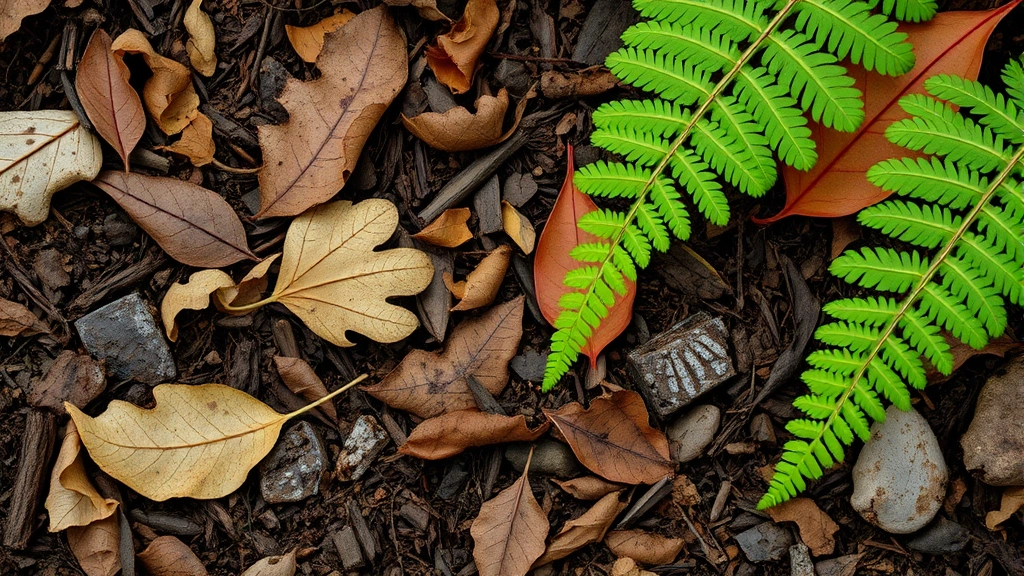
Hostas are among the most versatile woodland plants, offering numerous cultivars with varied leaf colors, sizes, and patterns. They’re nearly indestructible and provide excellent foliage texture. Ferns are equally valuable, adding delicate, feathery texture to shaded areas. Species like Christmas fern, autumn fern, and lady fern thrive in woodland conditions and require minimal maintenance.
Hellebores (Christmas roses) bloom in late winter and early spring when few other plants are flowering, making them invaluable for woodland gardens. Astilbes produce feathery plumes of flowers in pink, red, or white and add height and movement to shade gardens. Coral bells (Heuchera) offer stunning foliage in shades of purple, bronze, and burgundy, while bleeding heart (Dicentra) produces delicate, heart-shaped flowers.
For woodland areas with slightly more light, consider hydrangeas, which produce spectacular flower displays in blue, pink, or white depending on soil pH and cultivar. Rhododendrons and azaleas are classic woodland plants that thrive in acidic soil and dappled light. These flowering shrubs can transform your woodland garden into a spectacular display in spring.
Native woodland plants deserve special consideration in your planting plan. Species like trilliums, jack-in-the-pulpit, wild ginger, and woodland phlox are adapted to forest conditions and support local wildlife. Incorporating native plants creates a more sustainable garden that requires less maintenance and provides ecological benefits.
Groundcovers are essential for woodland gardens, helping to suppress weeds and create visual continuity. Ajuga, creeping phlox, liriope, and ivy varieties all perform well in shade. For a more naturalistic look, consider shade-tolerant moss, which creates a soft, inviting forest floor aesthetic.
Shade-Tolerant Vegetables and Herbs
If you want to grow vegetables and herbs in your woodland garden, you’ll need to focus on shade-tolerant varieties and create specific conditions to maximize their success. While most vegetables prefer full sun, some can produce reasonably well with 3-4 hours of dappled sunlight daily.
Leafy greens are your best bet for woodland vegetable gardening. Lettuce, spinach, kale, arugula, and Swiss chard can all tolerate partial shade and may actually prefer it during hot summers, as shade helps prevent bolting. These cool-season crops thrive in the mild temperatures of woodland environments and can extend your growing season significantly.
Peas are another excellent woodland crop. Growing peas in shade works particularly well for spring and fall crops. They don’t require intense heat and actually produce better quality pods in cooler, shadier conditions. The nitrogen-fixing properties of peas also improve your woodland soil over time.
For herbs, focus on shade-tolerant species like mint, parsley, chives, sorrel, and lemon balm. These culinary herbs perform admirably in woodland conditions and actually appreciate the protection from intense afternoon sun. You can create a dedicated herb garden section in a slightly brighter area of your woodland property for best results.
Other vegetables worth trying include peas, beans (in lighter shade areas), beets, carrots, and radishes. Root vegetables can tolerate more shade than fruiting vegetables. However, for crops like tomatoes, peppers, squash, and cucumbers that require substantial sunlight, you’ll need to create a clearing or use a raised garden bed in the sunniest part of your property.
If you’re interested in growing blueberries, you’re in luck. These acid-loving berries are native to woodland areas and can thrive in dappled shade, making them an excellent choice for integrated woodland gardens. They provide edible fruit while adding ornamental value with their delicate flowers and fall color.
Soil Management in Forested Areas
Woodland soil presents unique characteristics that require understanding and management. Forest soil is typically acidic, rich in organic matter, and teeming with biological life. While these characteristics are generally positive, they may need adjustment depending on what you want to grow.
The constant leaf drop from trees creates an ever-renewing layer of organic matter. This is excellent for building soil structure and providing slow-release nutrients. Rather than removing all fallen leaves, incorporate them into your planting beds as mulch. They’ll break down over time, improving soil quality and creating ideal conditions for shade-loving plants.
Test your woodland soil to determine its pH, nutrient content, and structure. Most woodland soils are acidic (pH 4.5-6.0), which is perfect for acid-loving plants like rhododendrons, azaleas, and blueberries. If you want to grow plants that prefer neutral soil, you’ll need to amend with lime to raise the pH. However, rather than fighting your natural soil conditions, embrace them by selecting plants suited to acidic woodland soils.
Compacted soil is a common problem in woodlands, especially near existing tree roots. Avoid working soil when it’s wet, as this can damage soil structure. Instead, add organic matter to the surface and allow natural processes to incorporate it. Building raised beds or mounding soil over existing ground can help when dealing with severely compacted areas.
The dense root systems of established trees compete with your garden plants for water and nutrients. When planting in woodland settings, amend planting holes generously with compost and organic matter. This creates a nutrient-rich environment that gives your new plants the best chance of establishing successfully despite competition from tree roots.
Avoid using heavy fertilizers in woodland gardens. The natural nutrient cycling and organic matter from fallen leaves usually provide sufficient nutrients. If needed, use balanced, slow-release organic fertilizers that won’t leach away in the moist woodland environment.
Creating Light Clearings and Microclimates
Strategic light management is crucial for successful woodland gardening. Different areas of your property will have varying light levels, and understanding these variations allows you to position plants optimally. Spend time observing light patterns throughout the day and across seasons. Areas that receive morning sun with afternoon shade are ideal for many plants, offering the best of both worlds.
Creating intentional clearings can dramatically expand your planting options. By selectively removing canopy trees, you can create small sunny pockets perfect for sun-loving plants. These clearings don’t need to be large; even a 10-by-10-foot clearing can accommodate substantial plantings. Use a vertical garden approach to maximize production in limited sunny space.
Edge microclimates—the transition zones between open areas and dense forest—are particularly valuable. These areas receive dappled light and are often the most versatile for plant selection. They’re also naturally beautiful, providing a gradual transition between your cultivated garden and the surrounding forest.
North-facing slopes and areas near large trees will be the shadiest. Reserve these for the most shade-tolerant plants. South and west-facing slopes receive more light and heat, making them suitable for less shade-tolerant species. East-facing areas get gentle morning sun, which is ideal for plants that appreciate some light but prefer protection from intense afternoon heat.
Consider the future growth of your trees when planning clearings. A clearing that’s adequate today might become shadier as trees mature. Plant accordingly, and be prepared to make adjustments as your woodland evolves.
Water Management and Drainage
Woodland environments often have unique water management characteristics that differ significantly from traditional gardens. Understanding these patterns is essential for successful woodland gardening. Many forests have naturally good drainage due to the porous nature of forest soil rich in organic matter. However, some wooded areas, particularly those in low-lying locations, can be surprisingly wet.
Observe your woodland during heavy rains and in spring when snowmelt occurs. Look for areas where water collects, pools, or drains quickly. These observations will guide your plant selections and help you avoid planting moisture-sensitive species in perpetually wet areas.
The canopy intercepts a significant portion of rainfall before it reaches the ground, so areas directly beneath dense tree coverage receive less water than open areas. This means you may need to supplement water during dry periods, particularly for newly planted specimens. Drip irrigation or soaker hoses work well in woodland settings, delivering water directly to plant roots while minimizing waste.
For wet woodland areas, focus on moisture-loving plants like astilbes, ferns, hostas, and native woodland species that thrive in boggy conditions. For drier woodland areas, select drought-tolerant shade plants like epimedium, hellebores, and creeping phlox.
Mulching helps regulate soil moisture in woodland gardens. A 2-3 inch layer of organic mulch (shredded bark, compost, or fallen leaves) helps retain moisture during dry periods and prevents rapid temperature fluctuations. Avoid piling mulch against tree trunks, as this can promote disease and pest problems.
Pest and Disease Considerations
Woodland gardens face unique pest and disease pressures that differ from traditional open gardens. The high humidity, reduced air circulation, and proximity to wild animal populations all influence pest management strategies. However, woodland gardens also have natural advantages—diverse plant communities support beneficial insects and predators that help control pests.
Fungal diseases are the primary concern in woodland gardens due to high humidity and limited air circulation. Powdery mildew, leaf spot, and rust can affect shade plants, particularly in dense, poorly ventilated areas. Improve air circulation by spacing plants appropriately, removing dead leaves and debris, and thinning the canopy if necessary. Avoid overhead watering, which promotes fungal growth; instead, water at soil level.
Slugs and snails thrive in moist, shady woodland environments and can devastate tender foliage. Manage these pests by removing debris where they hide, encouraging ground beetles and other predators, and using organic controls like beer traps or diatomaceous earth. Some gardeners successfully use copper barriers around vulnerable plants.
Deer and other wildlife are attracted to woodland gardens, particularly in rural areas. If deer are a problem, select naturally deer-resistant plants like ferns, hellebores, and plants with strong scents. Alternatively, install fencing or use repellents if you’re growing particularly vulnerable plants.
Insects like aphids, spider mites, and scale insects can still appear in woodland gardens. Maintain healthy plants through proper watering and care—stressed plants are more susceptible to pest damage. Encourage beneficial insects by planting flowering shade plants that provide nectar and pollen. In most cases, natural predators will keep pest populations in check.
Avoid broad-spectrum pesticides in woodland gardens. These disrupt the natural balance that keeps pest populations in check. Instead, rely on cultural practices, encouraging beneficial insects, and targeted organic treatments when necessary.
FAQ
Can you grow vegetables in a woodland garden?
Yes, but with limitations. Shade-tolerant vegetables like leafy greens, peas, and root vegetables can thrive in woodland settings. Most fruiting vegetables require more sunlight, so you’ll need to create a clearing or use sunny pockets of your property for tomatoes, peppers, and squash.
What’s the minimum light requirement for woodland gardening?
Most shade-tolerant plants need at least 2-3 hours of dappled or indirect light daily. Some plants, like ferns and hostas, can survive in deeper shade with as little as 1-2 hours of light. Full sun plants require 6-8 hours of direct sunlight, which is difficult to achieve in most woodland settings.
How do I improve light in my woodland garden?
Selective thinning of the canopy is the most effective approach. Remove individual trees or branches strategically to increase light penetration without destroying the woodland character. Work with an arborist for large trees to ensure safety and proper technique.
Is woodland soil good for gardening?
Woodland soil is typically excellent for gardening. It’s usually rich in organic matter, has good structure, and supports abundant microbial life. The main challenge is that it’s usually acidic, so you may need to amend if you want to grow plants preferring neutral soil. However, embracing acidic soil opens up wonderful plant possibilities.
What are the best native plants for woodland gardens?
Native woodland plants vary by region, but generally include trilliums, jack-in-the-pulpit, wild ginger, woodland phlox, native ferns, and shade-tolerant wildflowers. Contact your local extension service for specific recommendations for your area.
How do I control weeds in a woodland garden?
Mulching with organic materials suppresses weeds while improving soil. Dense planting with groundcovers and shade plants also helps outcompete weeds. Hand-pulling is often the most effective method in woodland gardens, as the moist soil makes this relatively easy.
Can I create a fairy garden in the woods?
Absolutely! Woodland settings provide the perfect backdrop for whimsical garden features. The natural shade, moisture, and miniature plants suited to woodland conditions create ideal fairy garden environments. Combine shade-loving groundcovers, ferns, and small plants with decorative elements for enchanting results.
How often should I water a woodland garden?
This depends on your specific woodland conditions. Areas beneath dense canopy receive less rainfall and may need supplemental watering during dry periods. Observe your soil moisture and water when the top inch of soil feels dry. Newly planted specimens need more frequent watering until established.
What’s the best time to plant in a woodland garden?
Spring and fall are ideal for planting in woodland gardens. These seasons provide cool temperatures and adequate moisture for root establishment. Avoid planting in summer heat or winter dormancy when conditions are less favorable for establishment.
Can I have a flower garden in the woods?
Yes, many beautiful flowering plants thrive in woodland conditions. Shade-loving flowering plants include hydrangeas, rhododendrons, astilbes, hellebores, bleeding heart, coral bells, and numerous native woodland wildflowers. These provide color and interest throughout the growing season.


