Forking Garden Tips: Expert Insights Await!
Garden forking is one of the most underrated yet transformative techniques in modern gardening. Whether you’re preparing soil for a new growing season, aerating compacted earth, or harvesting root vegetables with precision, understanding proper forking techniques can dramatically improve your garden’s health and productivity. A garden fork is far more versatile than many gardeners realize, serving purposes that extend well beyond simple digging.
In this comprehensive guide, we’ll explore the nuanced art of garden forking, from selecting the right tool to mastering techniques that professional gardeners have perfected over decades. You’ll discover how strategic forking can enhance soil structure, improve drainage, and create the ideal environment for your plants to thrive. Whether you’re working with a small raised garden bed or managing a sprawling vegetable patch, these expert insights will elevate your gardening game.
Choosing the Right Garden Fork
The foundation of successful garden forking begins with selecting the appropriate tool for your specific needs. Garden forks come in several distinct varieties, each designed for particular tasks and soil conditions. Understanding these differences ensures you’re working efficiently and protecting both your back and your soil structure.
Digging Forks feature four sturdy, flat or slightly curved tines and are ideal for turning over soil, breaking up compacted earth, and moving compost. These heavy-duty tools typically weigh between 4-6 pounds and provide excellent leverage for deep soil work. The flat tines allow you to slide beneath root systems without severing them, making digging forks perfect for harvesting root crops like potatoes and carrots.
Border Forks are lighter, shorter-handled versions of digging forks, perfect for detailed work in smaller spaces or for gardeners with limited upper body strength. They’re excellent for working in herb gardens and around delicate perennials where precision is paramount. These forks typically feature three or four tines and weigh around 2-3 pounds.
Spading Forks differ from digging forks with their curved or angled tines, which excel at breaking up hard, clay-heavy soil. The design allows soil to fall through the tines more easily, making them superior for aerating compacted areas. These are particularly valuable if you’re working with poor-quality soil that requires significant amendment.
When selecting your fork, consider the handle length carefully. Longer handles (typically 48 inches) provide greater leverage for turning soil but require more space to maneuver. Shorter handles (36 inches) offer better control in confined spaces. The material matters too—wooden handles offer traditional comfort and flexibility, while fiberglass and metal handles provide durability and reduced vibration.
Understanding Soil Aeration Through Forking
Soil aeration is the lifeblood of a healthy garden ecosystem. When soil becomes compacted—whether from foot traffic, heavy machinery, or years of neglect—it restricts root penetration, reduces water infiltration, and limits nutrient availability. Garden forking addresses these issues directly by creating channels through which air, water, and nutrients can penetrate deeper into the soil profile.
Compacted soil creates an environment where plant roots struggle to expand, often resulting in stunted growth and reduced yields. Additionally, poor aeration leads to waterlogging during heavy rains and drought stress during dry periods, as water cannot drain or be retained appropriately. By forking your garden beds, you’re essentially giving your soil a rejuvenating treatment that mimics the natural aeration processes that occur in undisturbed wild landscapes.
The science behind forking’s effectiveness lies in the creation of macropores—larger air spaces within the soil matrix. These spaces allow for better gas exchange, encouraging beneficial microbial activity and creating ideal conditions for earthworm populations. Earthworms are nature’s soil engineers, and they thrive in well-aerated environments where they can burrow and feed freely. In return, they further improve soil structure through their tunneling and their nutrient-rich castings.
Research from Cooperative Extension Services demonstrates that forked beds show measurable improvements in drainage rates and root penetration within just one growing season. The benefits compound over time as organic matter decomposes and soil structure continues to improve with consistent forking practices.
Proper Forking Techniques for Maximum Efficiency
Mastering forking technique is essential for both effectiveness and injury prevention. Poor form can lead to back strain, wrist injuries, and inefficient work that leaves you exhausted and your soil underaerated. Professional gardeners have refined these techniques over years of practice, and learning them now will serve you well throughout your gardening journey.
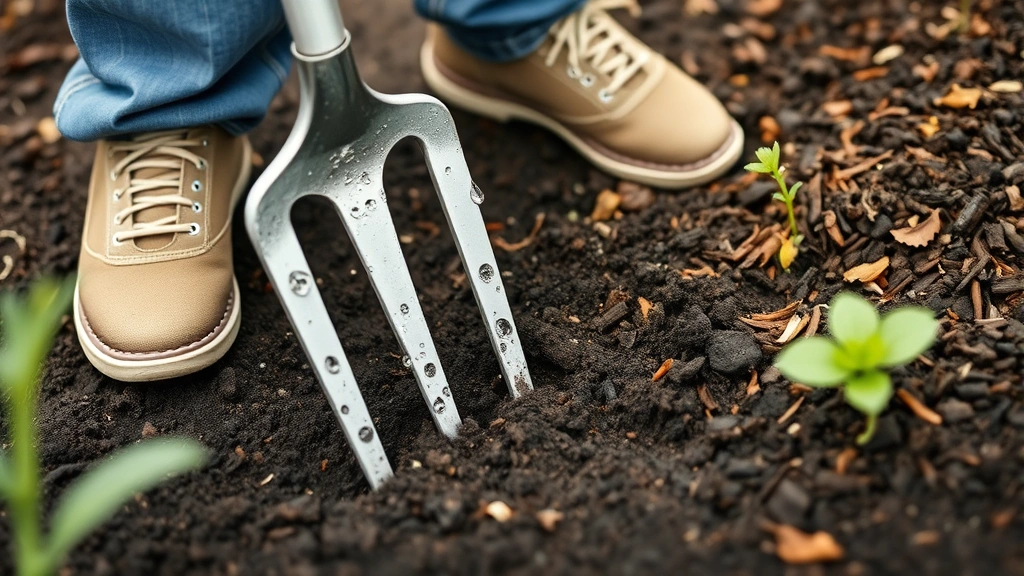
The Basic Forking Motion begins with proper stance. Stand with your feet shoulder-width apart, with one foot slightly forward. Position the fork at a 45-degree angle to the ground, then drive the tines into the soil using your leg muscles rather than your back. This is crucial—your legs are far stronger and more resilient than your back muscles. Press down on the handle with your hands while pushing back with your legs, creating a smooth, controlled motion that lifts and breaks apart the soil without jerking.
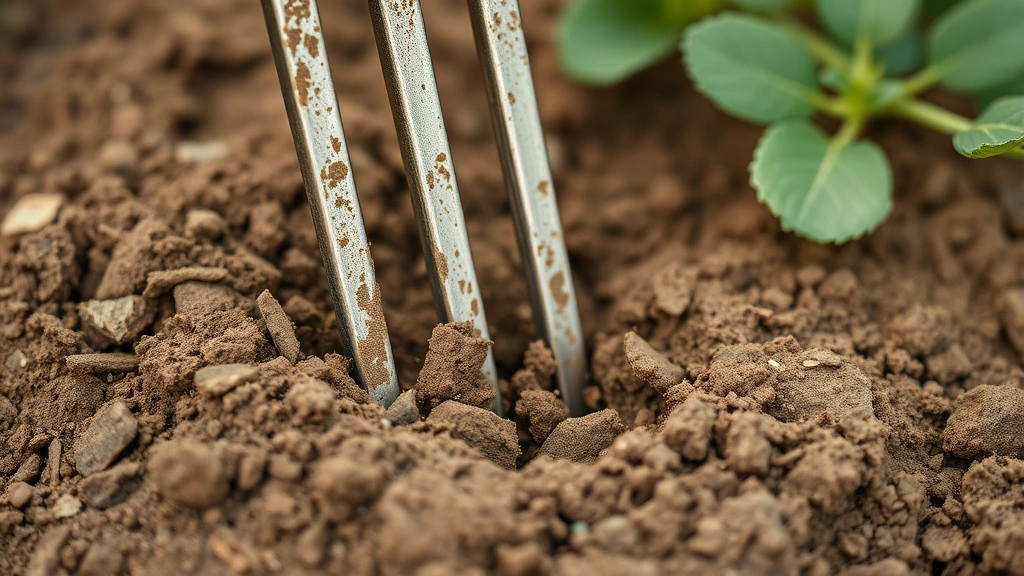
The Pitch and Turn is where the real work happens. Once the tines are fully inserted, twist the handle backward slightly to lever the soil upward. You’re not necessarily removing the soil from the bed; instead, you’re breaking it apart in place. This technique is particularly effective for improving existing beds without completely turning them over. Work in rows, overlapping slightly to ensure comprehensive coverage.
Depth Control matters significantly. For general aeration, penetrate 8-10 inches deep. For severe compaction, aim for 12-14 inches. However, be cautious not to excessively disturb soil layers, as this can bring up weed seeds from deeper levels and disrupt established soil structure. The goal is to loosen without completely inverting.
Pacing and Rhythm are often overlooked but crucial for sustained effort. Rather than working frantically, establish a steady rhythm that you can maintain for extended periods. Many experienced gardeners find that forking with a meditative, rhythmic approach is less tiring than sporadic, intense effort. Rest when needed—there’s no shame in taking breaks, and pushing through fatigue leads to poor technique and injury risk.
Seasonal Forking Strategies
Different seasons present optimal windows for forking, each with distinct advantages for your garden. Understanding these seasonal considerations helps you time your forking efforts for maximum impact on plant growth and soil health.
Spring Forking is perhaps the most critical seasonal application. As the soil begins to warm and dry out slightly after winter, it reaches an ideal moisture content for forking—moist enough to work but not so wet that you’re compacting it further. Spring forking prepares beds for planting season, incorporates winter amendments like compost and aged manure, and awakens soil biology after the dormant season. This is the perfect time to fork in preparation for growing cucumbers and other warm-season crops.
Summer Forking should be approached cautiously. While you can fork around established plants to improve soil aeration near their root zones, avoid heavy forking of compacted areas during hot, dry periods. Forking exposes moist soil to sun and air, accelerating moisture loss. However, strategic summer forking around perennials and shrubs, combined with mulching afterward, can improve their growing conditions without detrimental effects.
Fall Forking is an excellent time for deep soil work. The cooler temperatures make physical labor more comfortable, and forking in fall allows amendments time to integrate into the soil structure before spring planting. This is also the ideal season for incorporating cover crops—fork in legume or grain crops that will decompose over winter, enriching your soil with nitrogen and organic matter. Fall forking also helps prepare beds for winter vegetables like peas.
Winter Forking should generally be avoided when soil is frozen or waterlogged. However, in milder climates with well-draining soil, winter forking can be beneficial. The freeze-thaw cycles that follow winter forking naturally break apart soil clumps further, improving structure through a process called frost action.
Common Forking Mistakes to Avoid
Even well-intentioned gardeners can make forking mistakes that undermine their efforts or damage their soil structure. Learning to recognize and avoid these pitfalls ensures your forking efforts pay dividends rather than setbacks.
Forking Wet Soil is perhaps the most common and damaging mistake. When soil contains too much moisture, forking compacts it further rather than aerating it. The weight of wet soil destroys soil structure and can take years to recover. Test soil moisture by squeezing a handful; if it forms a tight ball that doesn’t break apart easily, it’s too wet to fork. Wait until it crumbles slightly in your hand.
Over-Forking can also be problematic. Excessive forking disrupts beneficial fungi and mycorrhizal networks that plants depend on for nutrient uptake. Annual forking is generally sufficient for most garden beds. Only fork more frequently if you’re dealing with severely compacted soil or specific crop requirements.
Forking Too Shallow provides minimal benefits. If you’re only penetrating 3-4 inches, you’re not reaching the depth where real compaction problems exist. Commit to proper depth for meaningful aeration improvements.
Improper Tool Selection leads to inefficient work and increased injury risk. Using a spade when you need a fork, or vice versa, makes the job unnecessarily difficult. Match your tool to your task for optimal results.
Ignoring Soil Amendments after forking misses a critical opportunity. Forking alone improves structure temporarily, but incorporating organic matter during forking creates lasting improvements. Always combine forking with compost, aged manure, or other amendments.
Forking for Specific Garden Crops
Different crops benefit from forking at different times and with different intensities. Understanding these crop-specific strategies maximizes yields and plant health. When preparing to grow root vegetables, strategic forking becomes essential. Crops like potatoes, carrots, and beets require deep, loose soil free of compaction and stones. Fork your beds 12-14 inches deep several weeks before planting, removing stones and breaking up hard clumps. This creates the ideal environment for straight, well-developed roots rather than forked or stunted specimens.
For herb gardens, lighter forking with border forks works best. Herbs often prefer well-draining soil, and gentle aeration combined with sand or perlite incorporation improves drainage without excessive disruption. Fork herb beds in early spring before new growth begins.
Perennial plantings benefit from careful forking around established plants without disturbing their root zones. Use a border fork to gently aerate the top 6-8 inches of soil around perennials, which improves water penetration and root zone aeration without damaging the plants themselves.
Vegetable gardens with high crop rotation benefit from annual forking before each planting season. This disrupts pest and disease cycles while refreshing soil structure. Fork between crop rotations, incorporating amendments specific to the next crop’s needs.
Maintaining Your Garden Fork
Proper tool maintenance extends your fork’s lifespan and ensures it remains effective season after season. A well-maintained fork is a pleasure to use, while a neglected one becomes increasingly frustrating and inefficient.
Cleaning After Use is the most important maintenance task. Remove soil immediately after forking while it’s still moist, using a stiff brush or by knocking the fork against a hard surface. Dried, caked-on soil is difficult to remove and can corrode metal surfaces. A quick rinse with a hose after each use prevents soil buildup.
Sharpening Tines keeps your fork cutting effectively through tough soil. Use a file to maintain sharp edges on flat tines, particularly on digging forks used for harvesting. Sharp tines penetrate compacted soil more easily and require less physical effort.
Rust Prevention is essential for metal forks. Dry your fork completely before storage, and store it in a dry location. For forks stored in damp environments, periodic oiling of metal parts prevents rust formation. Food-grade mineral oil works well for this purpose.
Handle Care varies by material. Wooden handles benefit from occasional linseed oil treatment, which preserves the wood and prevents splitting. Fiberglass and metal handles require only periodic cleaning and inspection for damage.
Storage Solutions protect your fork and your workspace. Wall-mounted racks or pegboards keep forks organized and accessible while preventing damage to the tines. Never leave forks lying on the ground where they’re tripping hazards or exposed to moisture damage.
FAQ
When is the best time to fork my garden?
Spring is ideal for most gardeners, as soil moisture is optimal and you’re preparing for the growing season. Fall is also excellent, allowing amendments time to integrate before spring planting. Avoid forking when soil is frozen, waterlogged, or extremely dry.
How often should I fork my garden beds?
Annual forking is sufficient for most gardens. If you’re dealing with severely compacted soil, you might fork twice annually for the first year or two, then transition to annual maintenance. Over-forking can disrupt beneficial soil biology.
Can I fork around growing plants?
Yes, but carefully. Use a border fork and work gently to avoid damaging roots. Fork only the top 6-8 inches around established plants. For active growing season work, avoid forking near the root zones of vegetables and perennials unless absolutely necessary.
What’s the difference between forking and tilling?
Forking is a manual, controlled process that loosens soil while maintaining structure. Tilling uses machines to turn soil deeply and can damage soil structure if overused. Forking is gentler on soil biology and more suitable for established beds with perennials or delicate root systems.
Should I fork clay soil differently than sandy soil?
Yes. Clay soil benefits from more vigorous forking combined with organic matter incorporation to improve drainage and structure. Sandy soil requires lighter forking focused on maintaining moisture-holding capacity rather than breaking compaction. Amend sandy soil with compost or aged manure during forking.
How do I know if my soil needs forking?
Signs include poor water infiltration, stunted plant growth, difficulty inserting a spade, and visible surface crusting. Perform a simple test: try to push an 8-inch wire into the soil. If it meets significant resistance before reaching 8 inches, your soil needs forking.