How to Edge a Garden: Pro Landscaper Advice
A well-defined garden edge is the hallmark of a professionally maintained landscape. Whether you’re working with flower beds, vegetable gardens, or ornamental plantings, proper edging creates clean lines, prevents grass encroachment, and gives your entire garden a polished appearance. Garden edging serves both aesthetic and functional purposes—it defines spaces, contains mulch and soil, and reduces maintenance by creating a clear boundary between lawn and planting areas.
Professional landscapers understand that edging isn’t just about appearance; it’s about creating sustainable garden infrastructure that lasts for years. The right edging technique can save you countless hours of weeding and trimming while transforming your garden’s visual impact. In this comprehensive guide, we’ll explore proven methods, materials, and techniques that professionals use to create stunning garden edges that enhance any landscape.
Understanding Garden Edging Basics
Before diving into specific techniques, it’s essential to understand what makes effective garden edging. Professional landscapers recognize two primary categories: hard edging and soft edging. Hard edging uses permanent materials like stone, metal, or plastic to create a defined boundary. Soft edging relies on plants and natural materials to transition between garden beds and lawn areas.
The choice between hard and soft edging depends on several factors: your garden’s style, maintenance preferences, budget, and climate. A formal garden might benefit from crisp stone or metal edging, while a cottage garden style could embrace soft, flowing plant-based borders. Understanding your garden’s purpose helps determine the best edging approach. If you’re planning a DIY raised garden bed, edging becomes even more critical for structural integrity.
The depth of your edging line matters significantly. Most professionals recommend creating an edge that penetrates at least 4-6 inches into the soil, which prevents grass roots from creeping into planting areas. The height should be subtle enough not to create tripping hazards yet visible enough to define the space clearly. For lawn areas, a 2-3 inch height above ground level works well, while sunken edges can create a more naturalistic appearance.
Hard Edging Materials and Installation
Hard edging provides the most durable, low-maintenance option for garden boundaries. Professional landscapers frequently use several materials, each with distinct advantages and aesthetic qualities.
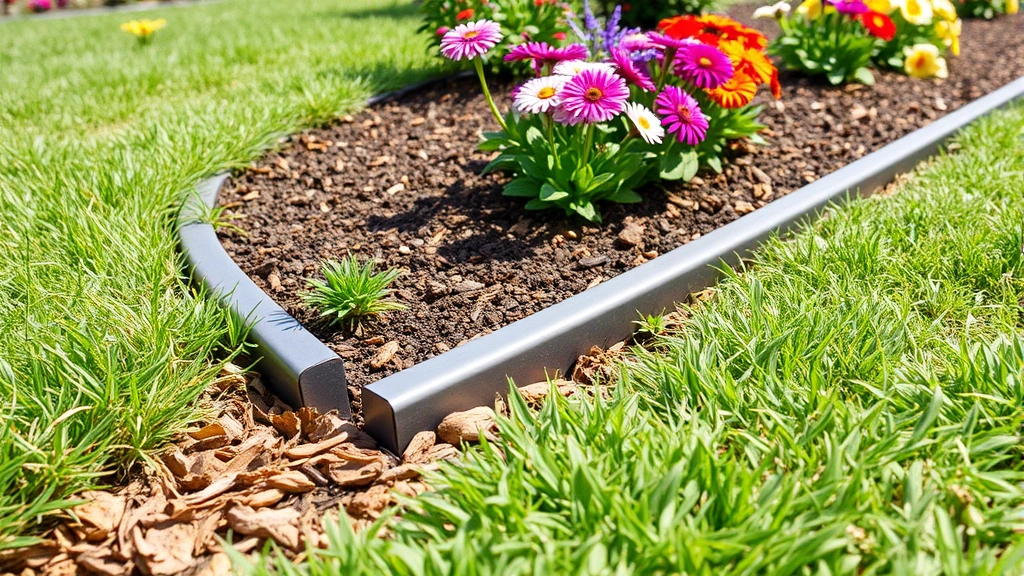
Metal Edging has become increasingly popular among landscape professionals. Cor-ten steel and aluminum edging create clean, modern lines while requiring minimal maintenance. Steel edging develops an attractive rust patina over time, adding character to the landscape. Installation involves driving the metal strip into the soil along your garden’s perimeter. The key to success is ensuring the metal sits flush with your lawn surface, preventing mower damage while maintaining visibility. Metal edging works exceptionally well for contemporary gardens and geometric planting schemes.
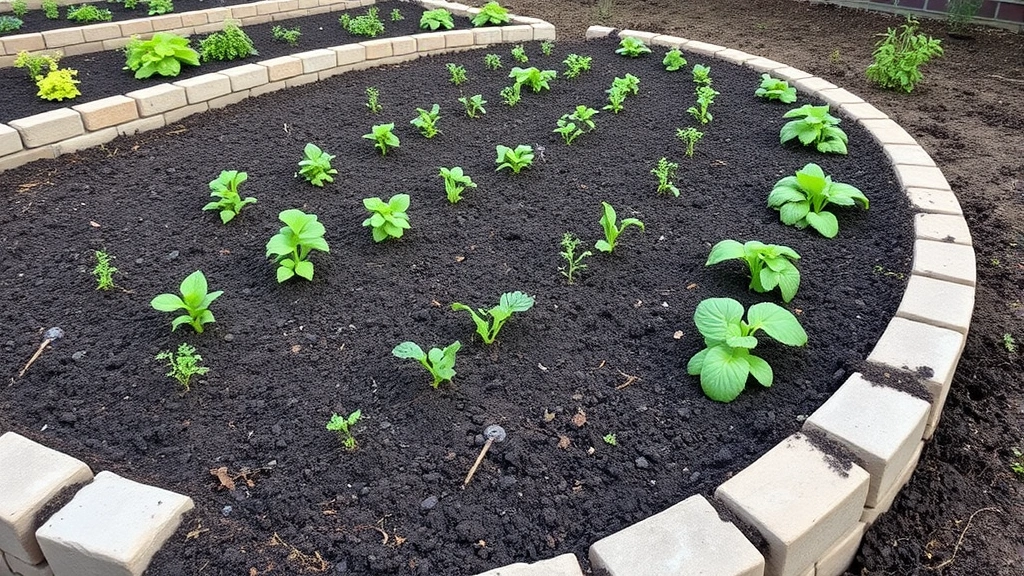
Stone and Brick Edging offer timeless elegance and excellent durability. Natural stone creates a sophisticated appearance, while brick provides warmth and traditional character. Installation requires careful planning and proper base preparation. Professional landscapers typically excavate a shallow trench, add a sand base for proper drainage and settling, and carefully position each stone or brick. Dry-laid stone edges (without mortar) allow for flexibility and easier maintenance, though mortared edges provide superior permanence. When edging vegetable gardens or areas where you’ll be growing vegetables, ensure your edging material is food-safe and won’t leach harmful substances.
Plastic and Composite Edging offers budget-friendly solutions with varying durability. Quality plastic edging can last 5-10 years with proper installation, making it cost-effective for temporary or experimental garden layouts. These materials come in various colors and heights, allowing customization to match your landscape aesthetic. However, plastic edging can become brittle in extreme cold and may warp in intense heat, so consider your climate when choosing this option.
Concrete Edging provides permanent, economical solutions for larger projects. Precast concrete pavers or custom poured edges create clean lines and excellent durability. While concrete can appear utilitarian, textured finishes or subtle coloring can enhance its aesthetic appeal. Professional installation ensures proper slope for drainage, preventing water accumulation that could damage adjacent plantings.
Installation best practices for hard edging include: marking your line with spray paint or string before excavation, using a sharp spade to create clean, straight edges, maintaining consistent depth throughout the project, and compacting soil firmly around installed materials. Taking time during installation prevents settling and maintains your edge’s appearance for years.
Soft Edging Techniques
Soft edging creates transitions between garden beds and lawn using plants, groundcovers, or natural materials. This approach integrates seamlessly with cottage gardens and naturalistic landscapes while providing habitat for beneficial insects and pollinators.
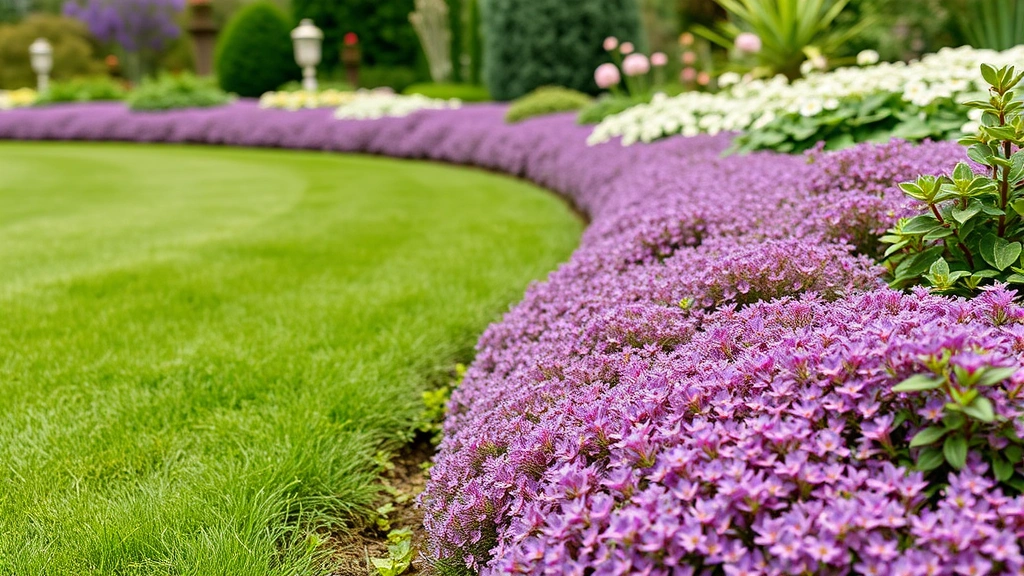
Groundcover Edging uses low-growing plants to define garden boundaries. Plants like creeping thyme, ajuga, or catmint create soft borders while suppressing weeds and reducing maintenance. These plants typically reach 6-12 inches in height, providing gentle definition without harsh lines. When establishing groundcover edges, space plants appropriately for mature size and water consistently during establishment. Groundcover edges work beautifully for informal gardens and complement gardening with native plants, creating cohesive, ecologically beneficial landscapes.
Perennial Edging Plants like lavender, catmint, and ornamental grasses create attractive borders that evolve throughout the seasons. These plants offer multi-season interest through flowers, foliage, and structural presence. Professional landscapers often select edging plants that complement their garden’s color scheme and bloom time. Spacing these plants 12-18 inches apart creates a full border within one growing season. Regular deadheading and seasonal pruning maintain neat appearance while promoting vigorous growth.
Mulch Edging uses organic or inorganic materials to define spaces. Shredded bark, wood chips, gravel, and decorative stone create clear visual boundaries while protecting soil and suppressing weeds. When applying mulch edging, maintain a 2-3 inch depth and refresh annually as material breaks down. This approach pairs well with hard edging materials, creating layered definition that enhances landscape depth.
Knife-Edge Technique represents the most minimalist approach, using a sharp spade to maintain a clean cut between lawn and planting bed. This technique requires regular maintenance (typically monthly during growing season) but costs nothing. Professional landscapers use specialized edging tools with long handles and sharp blades to create crisp lines efficiently. This method works best for smaller gardens where regular maintenance is feasible.
Seasonal Maintenance and Care
Proper edge maintenance preserves your garden’s appearance and prevents problems throughout the year. Seasonal approaches address specific challenges each climate presents.
Spring Maintenance focuses on refreshing edges after winter’s toll. Inspect hard edging for frost heave or settling, making adjustments as needed. Clean debris from edges and refresh mulch applications. For soft edges, cut back winter-damaged foliage and divide overcrowded groundcovers. This is an ideal time to add or replace edging materials before the active growing season begins.
Summer Care emphasizes weed prevention and material preservation. Maintain consistent mulch depth to suppress weeds and retain soil moisture. Edge regularly if using the knife-edge technique, as vigorous grass growth during warm months requires frequent attention. Monitor hard edging materials for shifting or damage from heavy equipment or traffic.
Fall Preparation involves cleaning edges and preparing for winter. Remove fallen leaves and debris that could harbor pests or create drainage problems. Cut back perennial edging plants and apply fresh mulch. This timing allows materials to settle before frost arrives. Consider whether your edging materials need winterization in cold climates.
Winter Considerations vary dramatically by climate. In cold regions, frost heave can displace edging materials significantly. Avoid using salt near delicate edging plants. In milder climates, winter is an excellent time to install new edging or repair existing installations, as dormant plants are less susceptible to transplant shock.
Design Considerations for Different Garden Types
Different garden styles benefit from distinct edging approaches that enhance their unique character and function.
Vegetable Garden Edging prioritizes functionality alongside aesthetics. Raised beds benefit from sturdy edging that contains soil effectively—consider creating raised garden beds with 12-18 inch depth for optimal root development. Metal or untreated wood edging works well, avoiding pressure-treated materials that may leach chemicals into growing soil. Ensure edging allows easy access for harvesting and maintenance. Some gardeners prefer slightly wider beds (3-4 feet) with hard edging that also functions as seating edges.
Flower Bed Edging offers opportunities for creative expression. Formal gardens benefit from geometric, hard edging in stone or metal. Mixed borders use soft edging plants to create flowing, natural transitions. Consider bloom height when selecting edging plants—shorter varieties (under 12 inches) prevent taller flowers from appearing cluttered. For garden decor integration, edging can frame sculptures or focal points, creating intentional visual emphasis.
Herb Garden Edging combines aesthetics with practicality. Culinary herb gardens benefit from accessible edging that allows easy harvesting. Low-growing herbs like thyme or oregano double as edging plants while providing harvest material. Hard edging prevents herb roots from spreading into lawn areas, which is particularly important for aggressive spreaders like mint. Ensure edging allows adequate space for mature plant size.
Ornamental Garden Edging emphasizes visual impact. Stone edging complements shade gardens with hostas and ferns, creating elegant contrast. Decorative metal edging suits contemporary designs with ornamental grasses and sculptural plants. Soft edging with flowering groundcovers adds color and texture to ornamental landscapes. Consider seasonal changes when selecting edging styles—materials that complement spring bulbs should also work with summer perennials and fall foliage.
Container Garden Edging creates definition for potted plant arrangements. Hard edging materials delineate container groupings while protecting surrounding lawn from foot traffic. Mulch edging prevents soil splash from frequent watering. For vertical gardening, vertical garden installations benefit from defined ground-level edging that anchors the entire design.
Professional landscapers recognize that successful edging requires matching materials and techniques to specific garden types. A formal rose garden demands precision edging, while a native plant garden embraces softer, more naturalistic approaches.
FAQ
What’s the best material for a beginner gardener to use when edging?
Plastic edging or the knife-edge technique offer beginner-friendly options. Plastic edging requires minimal installation expertise and costs less than stone or metal. The knife-edge technique requires only a sharp spade and regular maintenance. Both approaches allow you to experiment before committing to permanent installations.
How deep should garden edging go?
Professional landscapers recommend 4-6 inches deep to prevent grass roots from creeping into planting beds. The visible height should be 2-3 inches above ground level for lawn areas, creating clear definition without creating hazards.
Can I edge a garden without removing turf?
Yes, though removing turf first creates cleaner lines. You can install hard edging by cutting through existing grass and driving material into soil. However, removing turf allows you to create a clean base and prevents grass regrowth along edges. The extra effort during installation saves maintenance time later.
How often should I maintain my garden edges?
Hard edging requires minimal maintenance—inspect annually for settling or damage. Soft edging with plants needs seasonal pruning and occasional division. The knife-edge technique requires monthly maintenance during growing season. Most gardeners spend 30-60 minutes monthly maintaining edges, depending on garden size and edging type.
What’s the most cost-effective edging option?
The knife-edge technique costs nothing beyond initial tool investment. Plastic edging offers affordable permanent options (typically $0.50-$1.00 per linear foot). Mulch edging provides economical definition, though it requires annual refreshing. Stone and metal edging represent higher initial investments but offer decades of durability, making them cost-effective long-term.
Can I combine different edging materials in one garden?
Absolutely. Professional landscapes often combine materials strategically—stone edging might define formal planting areas while soft edging transitions to naturalistic zones. Mixing materials creates visual interest and allows matching edging to specific garden sections’ purposes and aesthetics.


