Coffee grounds are one of the most debated amendments in gardening circles, and for good reason. Every morning, millions of gardeners face the question: should I toss those used coffee grounds into my compost bin or directly onto my garden beds? The answer is more nuanced than a simple yes or no. While coffee grounds offer genuine benefits to soil structure and plant nutrition, they also come with important caveats that can determine whether they become a gardening asset or a costly mistake. This comprehensive guide explores what research and experienced gardeners actually know about using coffee grounds in the garden.
Understanding how to properly incorporate coffee grounds in garden spaces requires knowledge of soil chemistry, plant preferences, and application methods. Whether you’re composting them, using them as mulch, or brewing them into a liquid fertilizer, the technique matters significantly. Let’s dive into the expert insights that will help you make informed decisions about this abundant household waste product.
What Are Coffee Grounds and Their Composition
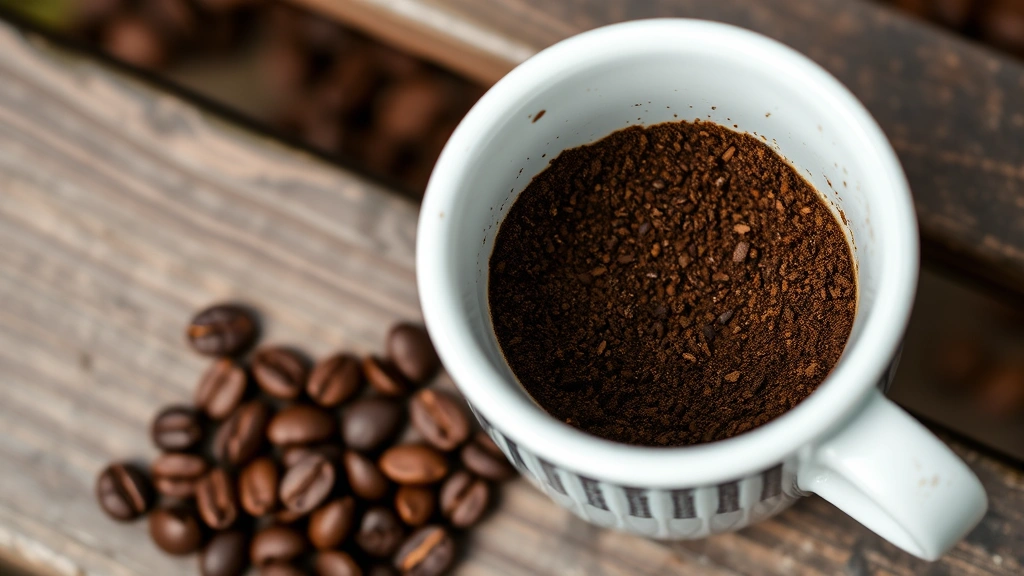
Used coffee grounds are the solid residue left after brewing coffee, containing valuable organic matter and minerals. The composition varies slightly depending on the coffee bean origin and brewing method, but typically includes nitrogen (1-2%), potassium (0.2%), phosphorus (0.3%), and various trace minerals. Fresh coffee grounds are acidic with a pH around 5.0-5.5, though this changes as they decompose and age.
When you brew coffee, the hot water extracts soluble compounds, leaving behind the cellular material of the bean. This remaining material is rich in carbon and nitrogen compounds, making it valuable for soil amendment. The grounds also contain bioactive compounds like polyphenols and caffeine, which have antimicrobial properties. Understanding this composition helps explain both the benefits and limitations of using coffee grounds in your garden.
The type of coffee grounds matters too. Espresso grounds are finer and more densely packed than drip coffee grounds, affecting how they break down in soil. Decaffeinated grounds have slightly different nutrient profiles but remain beneficial. Instant coffee residue is less common but can also be used. Always use grounds from black coffee only—avoid grounds mixed with cream, sugar, or other additives that could harm your plants.
Benefits of Coffee Grounds for Garden Soil
One of the primary advantages of incorporating coffee grounds lies in improving soil structure. The organic matter helps increase water retention in sandy soils while improving drainage in clay-heavy soils. This creates a more balanced, friable texture that roots can penetrate easily. Over time, as the grounds decompose, they contribute to humus formation, the dark, nutrient-rich component of healthy soil that feeds beneficial microorganisms.
The nitrogen content in coffee grounds makes them valuable for plants that need regular nitrogen supplementation. When added to soil preparation, they release nitrogen slowly as they break down, providing a steady nutrient supply throughout the growing season. This slow-release mechanism is preferable to synthetic fertilizers, which can cause nutrient leaching and salt buildup.
Coffee grounds also promote beneficial microbial activity in soil. The organic compounds stimulate the growth of bacteria and fungi that form symbiotic relationships with plant roots, improving nutrient uptake and disease resistance. Gardeners using coffee grounds often report healthier, more vigorous plants over multiple seasons. Additionally, the grounds act as a natural pest deterrent—the caffeine and other alkaloids can repel slugs, snails, and certain insects, though this effect diminishes as the grounds decompose.
For gardeners interested in growing blueberries, coffee grounds offer specific advantages. These acid-loving plants thrive in the slightly acidic environment that decomposing grounds create, while the slow nitrogen release supports their nutrient demands without encouraging excessive vegetative growth at the expense of fruiting.
Potential Problems and Drawbacks
Despite their benefits, coffee grounds come with significant caveats that many gardeners overlook. The primary concern is that fresh, wet grounds can form a hydrophobic layer when applied directly to soil, repelling water rather than absorbing it. This happens because the grounds contain oils that don’t readily mix with water, particularly problematic in wet climates or during rainy seasons. To prevent this, grounds must be dried before application or mixed thoroughly into soil rather than layered on top.
The acidity of fresh coffee grounds can also be problematic in already-acidic soils. While acid-loving plants appreciate this, many vegetables and herbs prefer neutral to slightly alkaline conditions. Adding too many grounds to a vegetable garden can lower soil pH to levels where nutrient availability decreases, even if nutrients are technically present. Soil testing before application is essential to avoid this mistake.
Another often-overlooked issue is the caffeine content. While beneficial for pest control, excessive caffeine can inhibit seed germination and root growth in some plants, particularly in seedlings. Using coffee grounds near newly planted seeds or transplants requires caution. Wait until plants are established before heavy applications, and avoid grounds in seed-starting mixes entirely.
The carbon-to-nitrogen ratio in coffee grounds is roughly 20:1, which is acceptable but not ideal for all composting systems. In large quantities without sufficient carbon materials, grounds can create a nitrogen-rich, compacted mass that decomposes anaerobically, producing odors and potentially harmful compounds. Proper balance with brown materials is critical for successful composting.
Best Plants for Coffee Grounds
Certain plants respond exceptionally well to coffee ground amendments. Acid-loving plants like blueberries, azaleas, rhododendrons, camellias, and heathers thrive when coffee grounds are incorporated into their growing media. The slow nitrogen release combined with the acidity creates ideal conditions for these plants to flourish.
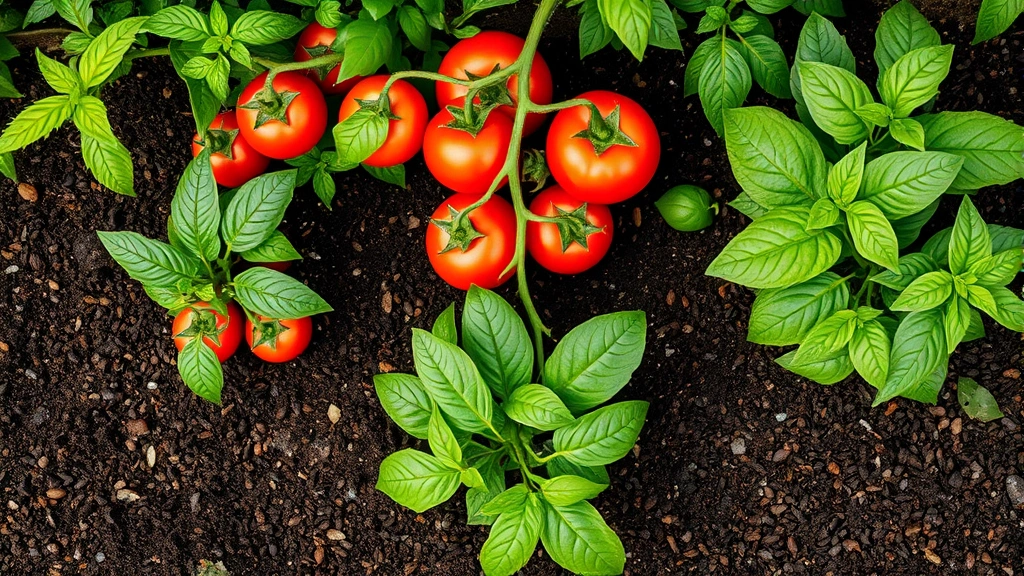
Many easy-to-grow vegetables for beginners respond positively to moderate coffee ground applications. Tomatoes, peppers, and carrots benefit from the nutrient content, though these plants prefer neutral soil pH. Broccoli, cabbage, and other brassicas also respond well, particularly when grounds are composted first. Root vegetables like beets and radishes appreciate the improved soil structure that grounds provide.
Herbs represent another excellent category for coffee ground use. Cilantro, parsley, chives, and mint all benefit from the nitrogen boost and improved soil structure. Mint, in particular, grows so vigorously that the slight acidity from coffee grounds won’t negatively impact it. Coffee plants themselves, if you’re growing them as houseplants, show interesting responses to grounds from their relatives, though this remains largely anecdotal.
Roses and other ornamental flowering plants often show improved vigor and bloom production when grown in soil amended with composted coffee grounds. The nutrient profile supports flower development while the improved soil structure ensures better root establishment. Perennials and shrubs, being long-term residents of garden beds, benefit particularly from the slow nutrient release that grounds provide.
Application Methods and Techniques
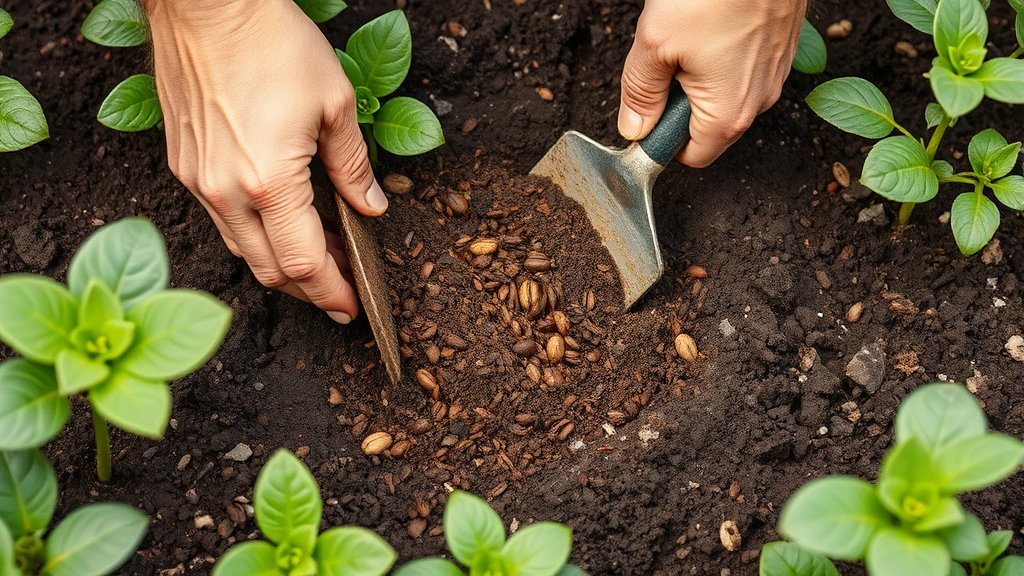
The method of application determines much of coffee grounds’ effectiveness in your garden. Direct application involves spreading dried grounds directly onto soil around plants, then working them into the top inch or two with a cultivator. This method works best for established plants in beds where you can ensure thorough mixing. Avoid piling grounds directly against plant stems, as this can promote rot and fungal issues.
Composting grounds before garden use is often the safest approach, particularly for vegetable gardens and sensitive plants. Layer grounds with brown materials like shredded leaves or straw in a 1:2 ratio (grounds to brown materials). This balanced mix decomposes efficiently, creating finished compost in 2-3 months that’s safe for all plants. The composting process also neutralizes the acidity and caffeine concerns, making composted grounds universally applicable.
Creating a coffee ground tea or liquid fertilizer offers another application method. Soak grounds in water for 24 hours, then strain and apply the liquid directly to plant roots. This method delivers nutrients quickly and avoids any hydrophobic layer issues. The resulting grounds can still be composted after steeping. This technique works particularly well for container plants and vertical garden systems where direct soil incorporation isn’t practical.
Mulching with coffee grounds requires careful technique. Spread a thin layer (no more than half an inch) over soil, keeping it several inches away from plant stems. Layer it with other mulch materials like wood chips or straw to prevent water-repellency issues and maintain aesthetics. This combination mulch approach provides pest control benefits while avoiding the problems of grounds-only mulching.
Coffee Grounds in Composting Systems
Incorporating coffee grounds into compost represents perhaps the most reliable way to harness their benefits while mitigating potential problems. In traditional pile composting, grounds function as a nitrogen source, accelerating decomposition when balanced with adequate carbon materials. The ideal ratio is approximately one part grounds to two parts carbon materials by volume.
In vermicomposting systems, coffee grounds are particularly valuable. Worms readily consume grounds and thrive in the slightly acidic environment they create. However, avoid adding excessive quantities at once—introduce grounds gradually over time, mixing them thoroughly into the bedding. Excessive grounds can create anaerobic pockets that harm the worm population. A handful of grounds per square foot of worm bin per week is a reasonable guideline.
Bokashi composting, an anaerobic fermentation method, handles coffee grounds excellently. The grounds ferment along with other kitchen waste, creating a nutrient-dense material ready for garden incorporation in 2-3 weeks. This method is particularly useful for gardeners with limited space, as bokashi bins are compact and odor-controlled.
For hot composting, where temperatures exceed 140°F, coffee grounds contribute to the nitrogen content that drives thermophilic decomposition. Layer them with leaves and grass clippings, turning the pile every 3-4 days. The high-temperature process eliminates any caffeine concerns and creates finished compost suitable for all plants within 4-6 weeks. Always ensure your pile reaches 140°F for at least three days to kill any potential pathogens.
Seasonal Considerations for Garden Use
Spring application of coffee grounds should focus on incorporating them into beds before planting. Winter rains and freeze-thaw cycles help grounds integrate into soil, so spring finds them partially decomposed and ready to release nutrients as plants emerge from dormancy. Fresh grounds applied in spring should be composted first or thoroughly worked into soil to avoid water-repellency issues during spring rains.
Summer use requires extra caution, as the heat accelerates decomposition, potentially creating nitrogen availability spikes. For summer vegetable gardens, composted grounds are preferable to fresh grounds. Mulching with grounds in summer, when combined with other mulch materials, helps retain soil moisture during hot, dry periods—a benefit that outweighs the slight water-repellency concern if grounds are properly mixed.
Fall represents an ideal time for incorporating fresh coffee grounds into garden beds. Cool temperatures slow the hydrophobic layer formation while allowing several months for decomposition before spring planting. Adding grounds to fall-planted perennials and shrubs gives them winter to integrate into the soil, creating ideal conditions for spring growth. This timing also works well for preparing beds for spring vegetables.
Winter application in mild climates can be productive, as dormant plants won’t be harmed by the slight acidity or caffeine content. In cold climates, winter-applied grounds freeze and thaw repeatedly, aiding their breakdown. However, avoid applying fresh grounds to areas with winter frost heave, as the incomplete integration could expose roots. For decorative garden decor areas, winter application has minimal impact on plant health.
Year-round composting of coffee grounds provides a steady supply of finished compost for all seasons. Maintaining a continuous composting system ensures you always have properly processed grounds available when garden conditions are optimal for application. This approach eliminates seasonal timing concerns and maximizes the benefits while eliminating potential drawbacks.
Frequently Asked Questions
Are coffee grounds safe to use in vegetable gardens?
Yes, coffee grounds are safe in vegetable gardens when applied properly. Use composted grounds or thoroughly mix fresh grounds into soil rather than layering them on top. Avoid excessive quantities that could lower soil pH below 6.0, and test your soil before application. Most vegetable crops tolerate coffee grounds well when properly integrated, with benefits including improved soil structure and slow nitrogen release.
How much coffee grounds can I safely add to my garden?
As a general guideline, use no more than 10-15% of your garden’s total soil volume as coffee grounds. For a typical garden bed, this translates to roughly one to two inches of grounds worked into the top six inches of soil. If composting, maintain a 1:2 ratio of grounds to carbon materials. Start with smaller quantities and observe plant responses before increasing amounts.
Will coffee grounds kill my plants?
Coffee grounds won’t kill plants when used appropriately, but improper application can stress them. Fresh grounds layered too thickly can repel water, and excessive acidity can inhibit nutrient uptake in neutral-soil plants. Caffeine can inhibit seed germination and young root growth. These issues are entirely preventable through proper application methods—composting first, thorough mixing, and appropriate quantities.
Can I use coffee grounds on indoor houseplants?
Yes, but with caution. For acid-loving houseplants like azaleas and African violets, composted coffee grounds mixed into potting soil at 10-15% by volume work well. For other houseplants, use sparingly and monitor for signs of stress. Avoid fresh grounds in indoor containers, as the limited air circulation can cause anaerobic decomposition and odors. Coffee ground tea applied monthly at diluted strength is safer for houseplants.
Do coffee grounds really repel pests?
Coffee grounds do have genuine pest-repelling properties, particularly for slugs and snails. The caffeine and other alkaloids create an inhospitable environment for these soft-bodied pests. However, this effect diminishes as grounds decompose and caffeine breaks down. Fresh grounds applied regularly offer better pest control than old, decomposed grounds. The repellent effect also varies by pest species and climate conditions.
Should I use decaffeinated coffee grounds?
Decaffeinated grounds work fine for gardening and may be preferable if you’re concerned about caffeine effects on seeds or young plants. The nutrient content and soil-improving properties remain largely the same. The decaffeination process removes caffeine but leaves other beneficial compounds intact. Many gardeners use whatever grounds they have available, whether caffeinated or decaffeinated, with excellent results.
Can I use grounds from coffee shops and cafes?
Yes, and many gardeners do. Coffee shops often give away used grounds freely, making them an excellent free resource. However, verify that no additives like flavorings, syrups, or milk have been added. Grounds from commercial espresso machines work well, though they’re finer and more densely packed than home-brewed grounds, requiring more careful mixing to avoid compaction. Always ask about the coffee’s origin and any additives before accepting large quantities.
How do coffee grounds compare to other soil amendments?
Coffee grounds offer unique advantages compared to other amendments. Unlike peat moss, they’re renewable and free or inexpensive. Compared to synthetic fertilizers, they provide slow nutrient release with less leaching. They’re comparable to compost in benefits but more specifically acid-promoting. For cost-effectiveness and sustainability, coffee grounds are superior to many commercial amendments, though they work best in combination with other materials rather than as a sole amendment.


