Vida Garden: Expert Tips for Thriving Green Spaces
A vida garden represents more than just a collection of plants—it embodies a living, breathing ecosystem that transforms your outdoor space into a sanctuary of growth and natural beauty. Whether you’re a seasoned gardener or someone just beginning to explore the joys of cultivating plants, understanding the principles of creating a thriving green space is essential for long-term success.
The concept of vida, meaning “life” in Spanish, perfectly captures what a well-maintained garden should be: a vibrant, dynamic environment where plants flourish, pollinators thrive, and gardeners find peace and purpose. This comprehensive guide will walk you through expert strategies, seasonal considerations, and practical techniques to help your garden reach its full potential.
Understanding Your Garden Foundation
Before you plant a single seed, understanding your garden’s foundation is critical. This means assessing your climate zone, sunlight patterns, and existing soil conditions. Your garden’s success depends on matching plants to their ideal growing conditions rather than fighting against nature.
Start by determining your USDA hardiness zone, which indicates the average minimum winter temperatures in your area. This information guides which perennials, shrubs, and trees will survive winter in your region. Next, observe your garden space throughout the day to map sunlight patterns. Most vegetables and flowering plants need 6-8 hours of direct sunlight daily, while shade-tolerant plants can thrive in areas receiving dappled light or afternoon shade.
Consider your garden’s exposure to wind, proximity to structures, and natural water drainage patterns. These microclimatic factors significantly influence plant health and water management. A vida garden respects these natural conditions rather than fighting against them, creating a more sustainable and lower-maintenance landscape.
Soil Health and Preparation
Exceptional gardens begin with exceptional soil. Healthy soil is the foundation of a thriving vida garden, providing essential nutrients, proper drainage, and beneficial microbial activity that supports plant growth. Before planting, conduct a soil test through your local extension service to understand your soil’s pH, nutrient content, and texture.
Most garden plants prefer slightly acidic to neutral soil with a pH between 6.0 and 7.0. The soil should have a balanced texture—neither too sandy (drains too quickly) nor too clay-heavy (retains too much water). Ideal garden soil is often described as having a “crumbly” texture that holds moisture while still allowing proper drainage.
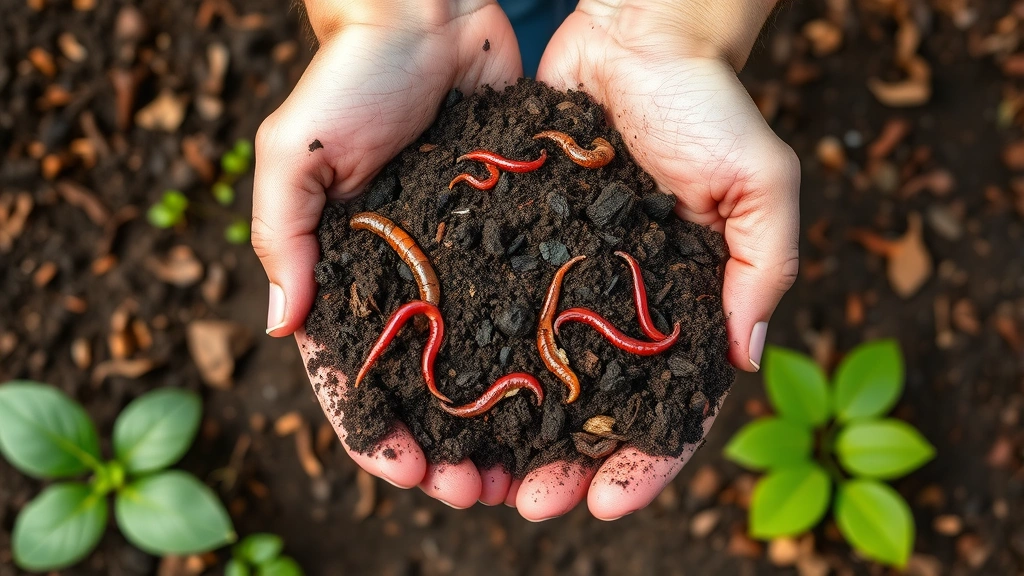
Incorporate organic matter generously into your beds. Compost, aged manure, and leaf mold improve soil structure, increase water retention, and feed beneficial organisms. When building raised garden beds, use a mix of topsoil, compost, and other organic amendments to create an ideal growing medium from the start. Work organic matter into existing beds annually, mimicking nature’s leaf-fall cycle that continuously enriches forest soils.
Consider implementing a composting system to create your own nutrient-rich amendment. Kitchen scraps and garden waste transform into black gold that feeds your plants while reducing landfill waste. Mulching beds with 2-3 inches of organic mulch conserves moisture, moderates soil temperature, and gradually breaks down to improve soil structure.
Plant Selection and Layout
Choosing the right plants is essential for creating a vida garden that thrives with minimal intervention. Rather than selecting plants based solely on appearance, consider their mature size, growth habits, water needs, and ecological value. Gardening with native plants offers tremendous advantages: they’re adapted to local climate and soil conditions, require less water and maintenance, and support native pollinators and wildlife.
Layer your garden with plants of varying heights and textures. Tall specimens create vertical interest and provide shade for shade-loving plants, while groundcovers suppress weeds and stabilize soil. Arrange plants according to their mature size, placing shorter varieties in front and taller ones in back for maximum visibility and light access.
Plan for continuous blooms throughout the growing season by selecting plants with staggered flowering times. Spring bulbs transition to summer perennials, which give way to fall asters and mums, creating visual interest and supporting pollinators across all seasons. Include plants with attractive foliage, interesting bark, or persistent seed heads to maintain garden appeal even in dormant months.
Incorporate a diversity of plant types: perennials that return year after year, annuals for seasonal color, shrubs for structure, and trees for long-term framework. This diversity creates a more resilient garden ecosystem less susceptible to pest outbreaks and environmental stress.
Watering and Irrigation Strategies
Proper watering is one of the most critical yet misunderstood aspects of garden care. Most gardeners either overwater or underwater, both of which stress plants and create problems. The goal is to provide consistent moisture that matches each plant’s needs while encouraging deep root development.
Water deeply and less frequently rather than frequent shallow watering. Deep watering encourages roots to grow deeper into the soil, creating more drought-resistant plants. Most gardens need about one inch of water per week, including rainfall. Water early in the morning to reduce disease pressure and allow foliage to dry quickly.
Drip irrigation and soaker hoses deliver water directly to soil, minimizing waste and reducing foliar diseases. These systems are far more efficient than overhead sprinklers, delivering 90% of water to plant roots rather than evaporating into the air. Install timers to automate watering, ensuring consistent moisture even when you’re away.
Mulching is your secret weapon for water conservation. A 2-3 inch layer of organic mulch reduces evaporation by up to 70%, moderates soil temperature, and suppresses weeds. As mulch breaks down, it improves soil structure and water-holding capacity, creating a beneficial cycle.
Monitor soil moisture regularly by checking 2-3 inches below the surface. Soil should feel moist but not waterlogged. During establishment, newly planted specimens need more frequent watering until their root systems develop. Mature plants are more drought-tolerant and may need supplemental water only during extended dry periods.
Seasonal Garden Management
A vida garden evolves through seasons, with each bringing unique opportunities and challenges. Understanding seasonal rhythms helps you work with nature rather than against it, creating a more sustainable and enjoyable gardening experience.
Spring is the season of renewal and rapid growth. As soil warms, apply fresh mulch, divide overcrowded perennials, and plant warm-season annuals and vegetables after the last frost date. Begin fertilizing established plants as new growth emerges. Spring is ideal for starting a flower garden or expanding existing beds.
Summer requires vigilant watering as heat increases evaporation. Monitor for pests and diseases, which thrive in warm, humid conditions. Deadhead spent flowers to encourage continuous blooming. Provide shade cloth for heat-sensitive plants during extreme temperatures. This is peak growing season when you’ll see the fruits of your spring labor.
Fall is an excellent time for planting trees, shrubs, and perennials as they establish root systems before winter dormancy. Reduce watering as temperatures cool and growth slows. Plant spring-blooming bulbs before the first hard freeze. Cut back perennials after frost, leaving some standing stems for winter interest and wildlife habitat.
Winter is the season of rest and planning. Protect tender plants with mulch or cloches. Use this quiet time to assess your garden’s performance, plan improvements, and order seeds and supplies. Maintain evergreens and winter-interest plants that provide structure and wildlife food sources.
Creating Garden Structures
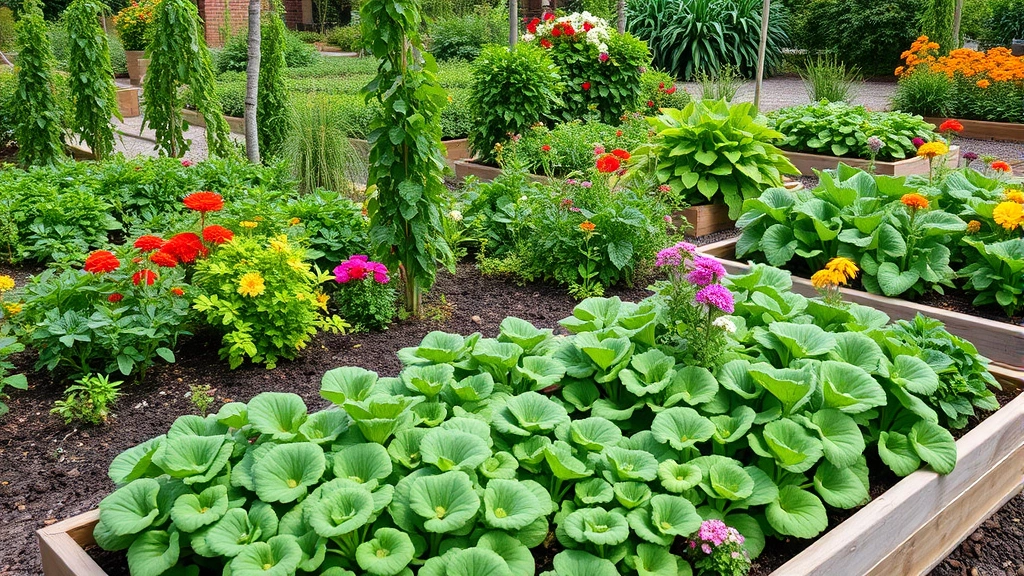
Physical structures add functionality and beauty to your vida garden. Raised garden beds provide excellent drainage, easier access, and defined planting areas. They’re particularly valuable for vegetable gardening, allowing you to control soil quality and reduce pest pressure from soil-borne pathogens.
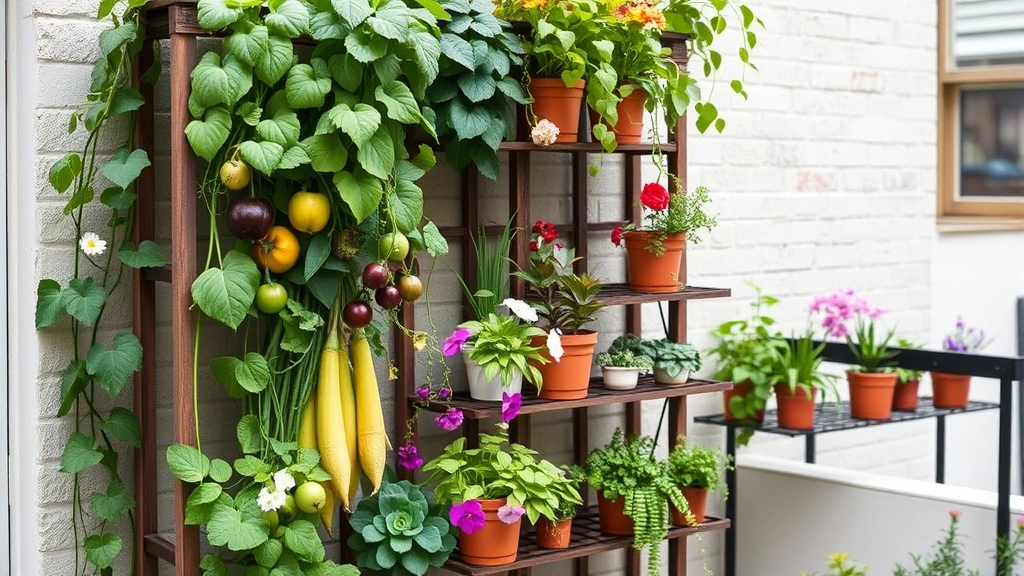
Vertical gardens maximize growing space in small yards, creating living walls of plants while reducing the footprint required. Trellises and arbors support climbing plants, creating shade, privacy, and vertical interest. These structures can support vegetables like beans and cucumbers or ornamental vines that attract pollinators.
Pathways organize garden spaces, provide access for maintenance, and create visual flow. Mulch paths are economical and blend naturally with garden beds, while gravel or stepping stones offer more formal definition. Water features—from simple birdbaths to small ponds—attract wildlife and create soothing focal points.
Consider adding a compost bin to manage garden waste and create your own soil amendment. Cold compost piles are simple and low-maintenance, while hot composting systems accelerate decomposition. Both transform kitchen scraps and garden debris into gardener’s gold.
Pest and Disease Prevention
Rather than battling pests and diseases reactively, prevention through cultural practices creates a healthier, more resilient vida garden. Healthy plants in optimal conditions are far less susceptible to problems than stressed plants.
Encourage beneficial insects by planting diverse flowering plants that provide nectar and pollen throughout the season. Ladybugs, lacewings, parasitic wasps, and other predatory insects control pest populations naturally. Avoid broad-spectrum pesticides that kill beneficial insects along with pests.
Practice good sanitation by removing diseased foliage promptly, disinfecting tools between plants, and avoiding working in wet foliage that spreads fungal diseases. Space plants appropriately to ensure good air circulation, which reduces fungal disease pressure. Water at soil level rather than overhead to keep foliage dry.
Crop rotation prevents soil-borne pest and disease buildup. Move vegetables and susceptible plants to different locations each year, breaking pest life cycles. Companion planting—growing certain plants together—can deter pests and improve overall garden health. For example, marigolds repel some insects while attracting beneficial pollinators.
Monitor plants regularly for early pest detection. Small infestations are easily managed with hand-picking, water spray, or organic controls like neem oil or insecticidal soap. Early intervention prevents minor problems from becoming major infestations.
Maximizing Limited Spaces
Not everyone has a large yard, but limited space shouldn’t prevent you from creating a thriving vida garden. Container gardening, vertical gardens, and intensive planting techniques allow apartment dwellers and small-yard gardeners to grow abundantly.
Containers offer flexibility and control. Choose pots with drainage holes and fill with quality potting soil specifically formulated for container growing. Container plants need more frequent watering and feeding than in-ground plants since water drains quickly and nutrients leach away. Grouping containers creates visual impact and allows you to optimize light exposure for each plant.
Wall-mounted planters, hanging baskets, and tiered shelving add planting space without consuming floor area. Propagating plants allows you to multiply your collection inexpensively, filling spaces with lush greenery. Microgreens and herbs grown on sunny windowsills provide fresh harvests from minimal space.
Cottage garden principles work beautifully in small spaces, densely planting complementary plants to create rich, layered compositions. Succession planting—growing different crops in the same space at different times—maximizes productivity in vegetable gardens.
Even balconies and patios can become vibrant green spaces with thoughtful plant selection and arrangement. Choose plants suited to container growing, ensure adequate drainage, and provide appropriate light for your location. A small garden is still a living ecosystem supporting your well-being and local wildlife.
FAQ
What is the best time to start a vida garden?
Spring is ideal for most regions, but fall is excellent for planting trees, shrubs, and perennials. You can garden year-round in mild climates. The best time is when you’re ready to commit to the process—gardening is continuous learning.
How often should I fertilize my garden?
This depends on your soil health and plants grown. Amending soil with compost annually often provides sufficient nutrients. Container plants and heavy feeders like vegetables benefit from monthly feeding during growing season. Conduct soil tests to determine specific nutrient needs rather than fertilizing on a fixed schedule.
Can I garden without chemicals?
Absolutely. Organic and chemical-free gardening relies on soil health, plant diversity, beneficial insects, and cultural practices. Most home gardeners find organic methods more economical and effective long-term than chemical interventions.
How do I know if my plants need water?
Check soil moisture 2-3 inches below the surface. Soil should feel moist but not waterlogged. Container plants dry faster than in-ground plants. During establishment, water more frequently; mature plants are more drought-tolerant.
What should I plant to attract pollinators?
Plant diverse flowering plants with varying bloom times, including native species adapted to your region. Bee balm, coneflowers, zinnias, lavender, and native wildflowers attract butterflies, bees, and other beneficial insects essential for garden productivity.
How can I improve poor soil?
Incorporate organic matter annually through composting, mulching, and adding aged manure or compost. Over time, this builds soil structure, improves drainage, and increases nutrient availability. Raised beds allow you to create ideal soil from scratch.
Is it too late to start a garden this season?
It’s rarely too late. If spring has passed, plant summer-tolerant varieties or fall crops. Fall gardening often produces excellent results with reduced pest pressure. In winter, grow cold-hardy greens or plan for spring planting.


