How to Start a Tasty Garden: Pro Tips Inside
Creating a tasty garden transforms your outdoor space into a productive food source that supplies fresh, flavorful ingredients for your kitchen. Whether you have a sprawling backyard or a modest balcony, growing your own edible plants offers unparalleled freshness, superior flavor, and the satisfaction of harvesting food you’ve nurtured from seed to table. A well-planned tasty garden combines practical growing techniques with thoughtful plant selection to ensure consistent yields of delicious vegetables, fruits, and herbs throughout the growing season.
The foundation of a successful tasty garden begins with understanding your climate zone, available sunlight, and soil conditions. Most edible plants thrive in locations receiving at least six to eight hours of direct sunlight daily, though some leafy greens tolerate partial shade. Beyond these basics, your dedication to soil health, proper watering, and pest management will determine whether your tasty garden flourishes or struggles. This comprehensive guide walks you through every step of establishing a productive edible garden that yields exceptional flavors and abundant harvests.
Assess Your Growing Space and Conditions
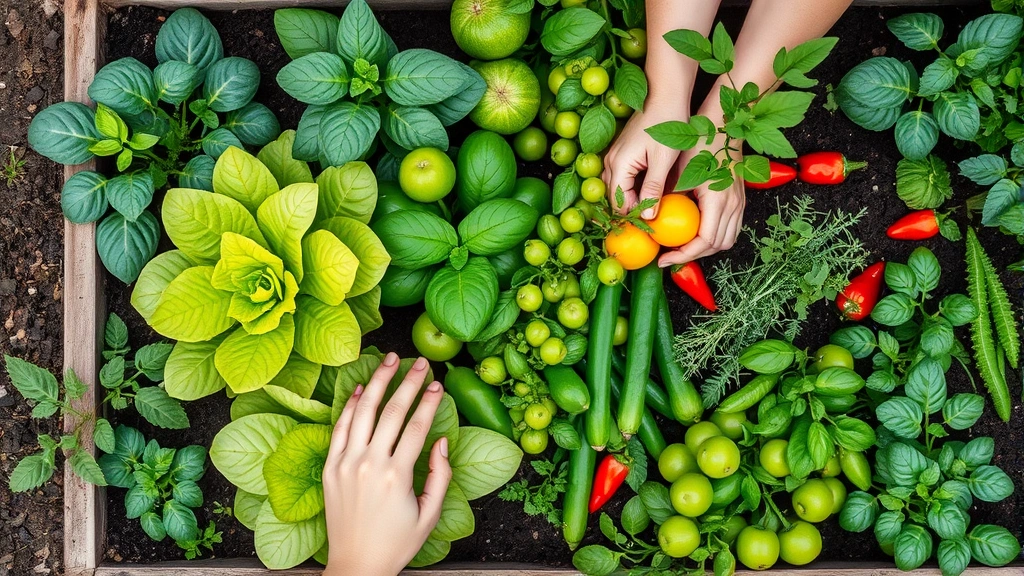
Before purchasing a single seed, conduct a thorough assessment of your available growing space. Observe how sunlight moves across your yard throughout the day, marking areas that receive full sun (six to eight hours minimum), partial sun (three to six hours), and shade (less than three hours). This simple observation dramatically influences which plants will thrive in your tasty garden. Tomatoes, peppers, eggplants, and basil demand full sun to develop their characteristic sweetness and robust flavors, while lettuce, spinach, and parsley tolerate partial shade better.
Evaluate your soil’s current condition by performing a simple texture test: grab a handful of moist soil and squeeze it. Sandy soil crumbles immediately, clay soil forms a tight ball, and loamy soil—the ideal texture—holds together loosely. Most vegetables prefer slightly acidic to neutral soil with a pH between 6.0 and 7.0. You can obtain an inexpensive soil test kit from your local Sustainable Agriculture Research and Education program or university extension service to determine your soil’s pH, nutrient levels, and organic matter content. This information proves invaluable when amending your tasty garden’s foundation.
Consider your climate zone and local frost dates, which determine your planting schedule and crop selection. Warm-season crops like tomatoes, peppers, and basil cannot tolerate frost, while cool-season crops like lettuce, broccoli, and kale thrive in spring and fall temperatures. Check your USDA Plant Hardiness Zone and average first and last frost dates to create a realistic planting calendar for your tasty garden.
Choose High-Flavor Vegetables and Herbs
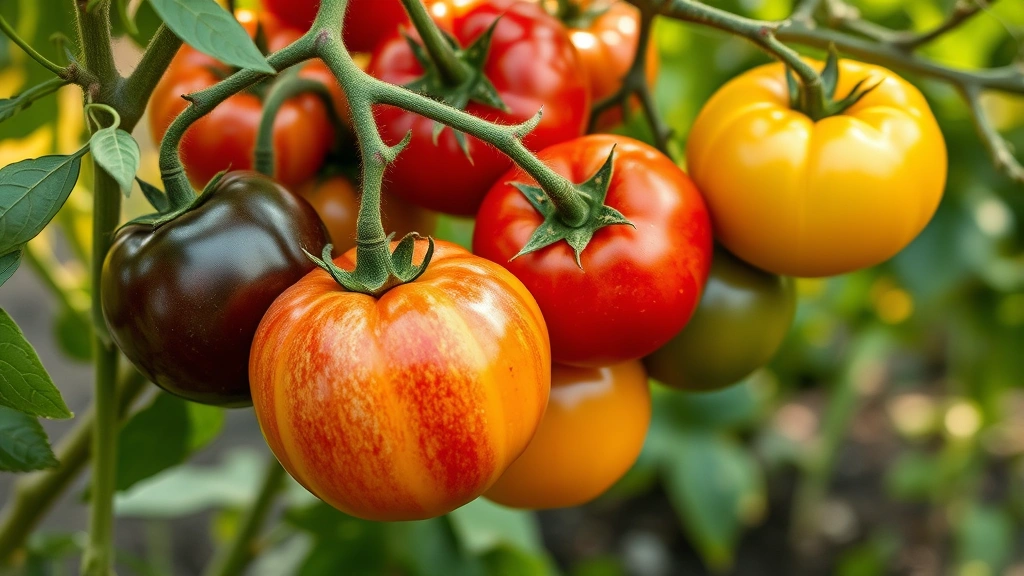
The secret to a truly tasty garden lies in selecting varieties bred for exceptional flavor rather than commercial shipping durability. Heirloom tomato varieties like ‘Brandywine,’ ‘Cherokee Purple,’ and ‘Sungold’ deliver incomparable sweetness and complexity compared to standard supermarket types. Similarly, ‘Buttercrunch’ lettuce offers tender leaves with delicate flavor, while ‘Lacinato’ kale provides nutty, mineral notes superior to curly varieties.
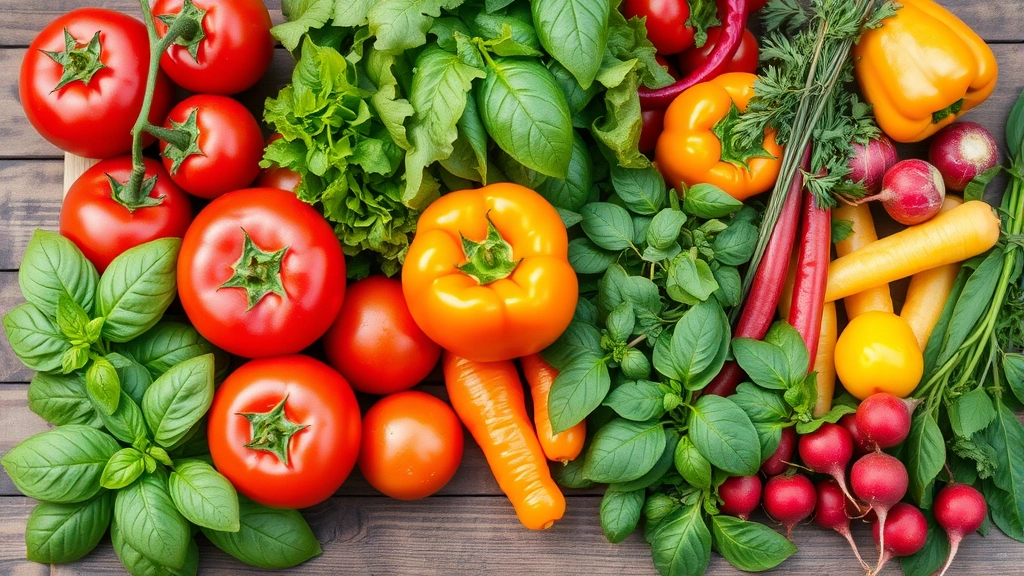
An herb garden forms the cornerstone of culinary excellence, providing fresh flavor that dried herbs cannot match. Basil, oregano, thyme, rosemary, parsley, and cilantro grow vigorously in containers or garden beds, offering immediate access to fresh seasonings. Mint, though aggressive, deserves dedicated space due to its versatility in beverages, desserts, and savory dishes. Include perennial herbs like chives and sage that return year after year, reducing replanting labor in your tasty garden.
For vegetable selection, prioritize crops that truly taste different when homegrown. Sweet peppers reach peak sweetness when allowed to ripen fully on the plant—something commercial growers cannot afford. ‘Sungold’ cherry tomatoes develop almost candy-like sweetness in warm conditions. Beans, both snap and shell varieties, offer tender texture and sweet flavor impossible to find in store-bought produce. Root vegetables like carrots and beets develop superior flavor in well-amended soil, while summer squash harvested at smaller sizes delivers tender texture and delicate taste.
Don’t overlook microgreens and sprouts, which concentrate flavors into tiny packages and grow in minimal space. Radish, mustard, and broccoli microgreens deliver peppery, complex flavors that elevate salads and sandwiches. These crops mature in just two to three weeks, providing quick wins that build confidence in your tasty garden journey.
Prepare Nutrient-Rich Soil
Exceptional flavor begins with exceptional soil. Vegetables require adequate nitrogen for leafy growth, phosphorus for root development and fruit production, and potassium for overall plant vigor and disease resistance. Beyond these primary nutrients, plants need calcium, magnesium, sulfur, and trace minerals like boron, copper, iron, manganese, molybdenum, and zinc. A tasty garden fed with nutrient-rich soil produces vegetables bursting with flavor and nutritional density.
Incorporate two to three inches of well-aged compost into your garden beds before planting. Compost enriches soil structure, improves water retention in sandy soils, and enhances drainage in clay soils while slowly releasing nutrients as organic matter decomposes. If you don’t have homemade compost, purchase high-quality compost from reputable suppliers, avoiding products containing synthetic additives or excessive filler materials. Alternatively, create a compost pile by layering kitchen scraps, grass clippings, and leaves, turning occasionally until the material becomes dark, crumbly, and earthy-smelling—typically within three to six months.
When building a raised garden bed, fill it with a mixture of topsoil, compost, and aged manure in roughly equal proportions. This blend provides immediate nutrient availability while organic matter decomposes, continuously improving soil structure and biology. For in-ground gardens, work compost into the top eight to twelve inches of existing soil, creating a rich environment for root penetration and nutrient uptake.
Consider adding organic amendments specific to your soil’s deficiencies. Bone meal supplies phosphorus for flowering and fruiting crops, blood meal provides nitrogen for leafy growth, kelp meal offers potassium and trace minerals, and rock dust provides slow-release minerals. These amendments work gradually, building long-term soil fertility rather than providing quick fixes like synthetic fertilizers. Your tasty garden benefits from this patient, biological approach to soil building.
Select the Right Garden Structure
Your choice of garden structure affects accessibility, drainage, pest management, and aesthetic appeal. A traditional in-ground garden offers maximum soil volume and minimal expense but demands more bending and requires excellent drainage. Raised garden beds provide superior drainage, warmer soil temperatures in spring, easier access for planting and harvesting, and simplified pest management. They require more initial investment but eliminate the need to amend poor native soil extensively.
For space-constrained situations, a vertical garden maximizes production in minimal footprint. Trellises support vining crops like tomatoes, beans, and cucumbers, improving air circulation to reduce disease while making harvesting easier. Wall-mounted planters and tiered shelving accommodate herbs, lettuce, and strawberries, transforming walls into productive growing space. A Garden Tower combines vertical growing with efficient irrigation, allowing you to cultivate thirty or more plants in a compact cylindrical structure ideal for patios, balconies, and small yards.
Container gardening offers ultimate flexibility, allowing you to move plants to optimize sunlight and protect them from extreme weather. Use containers at least twelve inches deep for most vegetables, eighteen to twenty-four inches for tomatoes and peppers. Ensure drainage holes prevent waterlogging, and use high-quality potting soil rather than garden soil, which compacts excessively in containers. Container gardens require more frequent watering since they dry faster than in-ground beds, but they allow you to create a tasty garden virtually anywhere with adequate sunlight.
Whichever structure you choose, ensure it provides at least six to eight inches of soil depth for shallow-rooted crops like lettuce and radishes, twelve inches for beans and carrots, and eighteen to twenty-four inches for tomatoes, peppers, and fruiting crops. Adequate soil volume directly correlates with plant vigor and flavor development in your tasty garden.
Plant and Maintain Your Tasty Garden
Successful planting begins with timing. Refer to your local frost date calendar to determine when to start cool-season crops in spring and fall, and when to transplant warm-season crops after all frost danger passes. Direct seed crops like beans, carrots, and radishes where they’ll grow, as they dislike transplanting. Start longer-season crops like tomatoes, peppers, and eggplants indoors under grow lights six to eight weeks before your last spring frost, then harden off seedlings by gradually exposing them to outdoor conditions before transplanting.
Space plants according to mature size, avoiding overcrowding that reduces air circulation and invites disease. Crowded plants compete for nutrients, water, and light, resulting in smaller, less flavorful produce. Follow seed packet instructions for spacing, or research specific varieties to understand their final dimensions. A tasty garden prioritizes plant health and vigor over maximizing plant count per square foot.
Water consistently, providing approximately one inch weekly through rain or irrigation. Most vegetables prefer deep, infrequent watering that encourages deep root development over shallow, frequent watering. Check soil moisture by inserting your finger two inches deep; if soil feels dry at that depth, water thoroughly until water drains from the bottom. Inconsistent watering stresses plants, reducing flavor and causing problems like blossom end rot in tomatoes and split roots in carrots. Mulch around plants with two to three inches of organic material like straw or shredded leaves, which conserves moisture, moderates soil temperature, and suppresses weeds.
Manage pests and diseases through integrated pest management rather than chemical applications. Monitor plants regularly, removing visible pests by hand or with water spray. Encourage beneficial insects like ladybugs, lacewings, and parasitic wasps by planting flowers nearby. Practice crop rotation, moving plant families to different locations yearly to break pest and disease cycles. Remove diseased leaves promptly, improve air circulation through pruning, and avoid overhead watering that promotes fungal diseases. When intervention becomes necessary, start with organic options like neem oil, insecticidal soap, or Bacillus thuringiensis, which target specific pests while minimizing harm to beneficial organisms.
Fertilize regularly to sustain plant vigor throughout the growing season. Side-dress plants with compost every three to four weeks, or apply balanced organic fertilizers like fish emulsion or seaweed extract according to product instructions. Heavy feeders like tomatoes, peppers, and squash benefit from additional nitrogen during establishment, then require phosphorus and potassium as they flower and fruit. Observe plant appearance—yellowing lower leaves indicate nitrogen deficiency, purple-tinged leaves suggest phosphorus deficiency, and weak stems or edges may indicate potassium deficiency. Adjust your feeding program based on these visual cues to maintain optimal nutrition in your tasty garden.
Harvest at Peak Ripeness
Timing harvests at peak ripeness ensures maximum flavor and nutritional value. Tomatoes develop full flavor only after ripening completely on the vine, developing rich color and yielding slightly to gentle pressure. Cherry tomatoes harvested when fully colored offer concentrated sweetness, while larger slicing varieties benefit from full maturity. Peppers can be harvested green or allowed to ripen to red, yellow, orange, or purple, each color developing progressively sweeter flavor as ripening progresses.
Leafy greens like lettuce, spinach, and kale taste best when harvested in cool morning hours when leaves contain maximum moisture and are crisp. Harvest outer leaves from maturing plants, allowing inner leaves to continue growing, or harvest entire young plants for tender texture. Basil and other herbs develop strongest flavor in morning after dew dries but before afternoon heat, and should be harvested regularly to encourage bushier growth. Pinch off flower buds on basil to redirect energy into leaf production, extending your harvest season.
Root vegetables like carrots, beets, and radishes develop optimal sweetness as they mature fully. Small radishes harvested within twenty-five days offer peppery crunch, while carrots improve in flavor after light frost, which converts starches to sugars. Beans should be harvested when pods snap easily and seeds haven’t fully enlarged, providing tender texture and delicate flavor. Regular harvesting encourages continued production, so visit your tasty garden frequently, removing ripe produce and spent plants to maintain productivity.
FAQ
What’s the best time to start a tasty garden?
Spring offers ideal conditions for most gardeners, allowing you to establish cool-season crops immediately and warm-season crops after frost danger passes. However, fall gardening works excellently in many climates, with cooler temperatures extending the season for leafy greens, root vegetables, and brassicas. Check your local frost dates and choose your starting season accordingly.
Can I grow a tasty garden in containers?
Absolutely. Container gardening works wonderfully for a tasty garden, particularly for herbs, lettuce, peppers, and determinate tomato varieties. Use containers at least twelve inches deep with drainage holes, fill with quality potting soil, and provide consistent watering since containers dry faster than ground beds.
How much sunlight does a tasty garden need?
Most vegetables require six to eight hours of direct sunlight daily for optimal flavor development. Leafy greens tolerate partial shade with three to six hours of sunlight, while fruiting crops like tomatoes and peppers demand full sun. Observe your space throughout the day to identify the best location for your tasty garden.
What vegetables taste best when homegrown?
Tomatoes, peppers, basil, lettuce, strawberries, and beans show dramatic flavor improvements when homegrown compared to store-bought options. These crops taste noticeably different when harvested at peak ripeness and consumed fresh, making them excellent choices for your first tasty garden.
How often should I water my tasty garden?
Most vegetables need approximately one inch of water weekly, delivered through deep watering rather than frequent shallow sprinkling. Check soil moisture by inserting your finger two inches deep; water when soil feels dry at that depth. Adjust frequency based on rainfall, temperature, and your specific soil type.
Can a cottage garden style work for edible plants?
Yes, cottage gardens blend ornamental and edible plants beautifully. Combine vegetables and herbs with flowering plants, creating a visually appealing space that attracts pollinators while producing food. This approach transforms your tasty garden into an aesthetic focal point while maintaining productivity.


