Luxury Gardening Tips: Expert Spa Resort Insights for Your Home Oasis
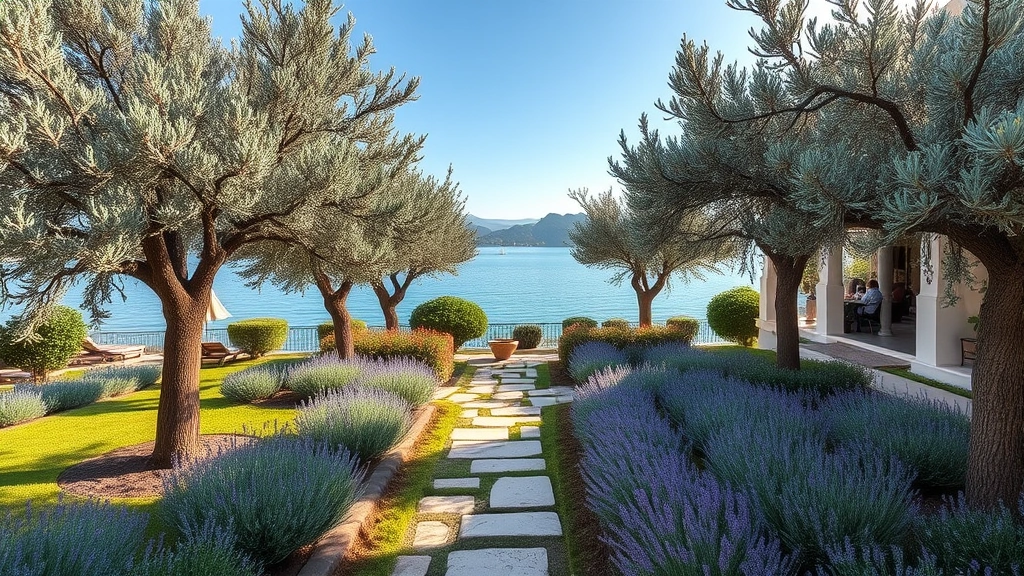
Creating a luxury garden experience doesn’t require ownership of a five-star resort—though the principles behind resort-quality landscapes can absolutely transform your outdoor space. Drawing inspiration from prestigious spa destinations like Splendido Bay on Lake Garda, we can incorporate the serenity, sophistication, and meticulous attention to detail that define luxury hospitality into our own gardens. These insights reveal how professional landscape designers create tranquil environments that engage all senses and provide genuine respite from daily stress.
The philosophy behind luxury resort gardening centers on intentional design, premium plant selection, and creating multiple sensory experiences. Whether you’re working with a sprawling estate or a modest urban balcony, understanding these principles helps you establish a personal sanctuary. This guide explores the expert techniques used by resort designers to craft gardens that feel both exclusive and authentically welcoming.
Understanding Luxury Garden Principles
Luxury gardens share fundamental characteristics regardless of size or location. Resort designers prioritize intentional spacing, ensuring plants have room to mature without crowding. This restraint in plant quantity, paired with careful selection of premium specimens, creates an atmosphere of exclusivity and refinement. Rather than filling every corner with vegetation, luxury gardens embrace strategic emptiness—negative space that allows focal points to command attention.
The concept of microclimates plays a crucial role in resort landscaping. Professional designers analyze sun exposure, wind patterns, humidity levels, and temperature variations to position plants where they’ll thrive. This scientific approach eliminates struggling specimens and reduces maintenance requirements. When you invest effort in understanding your garden’s unique environmental conditions, you’re adopting the same methodology used at world-class properties.
Cohesion through color palettes distinguishes luxury gardens from amateur efforts. Rather than celebrating every hue available, high-end landscapes typically employ sophisticated color schemes—perhaps focusing on whites, silvers, and soft greens, or exploring warm terracottas with deep purples. This restraint creates visual harmony and allows the eye to rest, essential for achieving that spa-like tranquility.
Selecting Premium Plant Materials
Resort gardens feature specimen plants selected for their architectural form, longevity, and year-round interest. Small evergreen garden plants form the foundation of luxury landscaping, providing structure during winter months when deciduous specimens rest. Plants like boxwood, Japanese holly, and dwarf conifers create living architecture that frames views and defines spaces.
Understanding how to prepare garden soil for a thriving garden is non-negotiable for luxury results. Resort landscapers amend soil extensively before planting, incorporating premium compost, aged bark, and specialized nutrients. This foundational investment ensures plants develop robust root systems and maintain vigor throughout their lifespan. Poor soil preparation undermines even the most carefully selected specimens.
Plant selection emphasizes multi-season interest. Luxury gardens look intentionally cultivated during every season. Spring bulbs transition to summer bloomers; fall foliage displays precede winter structure from evergreens and ornamental grasses. This requires planning and knowledge. Consider incorporating specimens offering:
- Spring flowers (hellebores, magnolias, early bulbs)
- Summer color (hydrangeas, roses, perennials)
- Autumn drama (Japanese maples, burning bush, ornamental grasses)
- Winter architecture (evergreens, contorted branches, persistent fruits)
Native plants deserve consideration even in luxury settings. Regional natives adapted to local conditions require less water, fewer inputs, and minimal pest management—a sophisticated approach that aligns with modern sustainability values. Research native plants suited to your USDA hardiness zone for reliable performance.
Creating Sensory Garden Experiences
Luxury spas engage multiple senses simultaneously, and gardens should follow suit. Fragrance provides immediate emotional impact. Jasmine, gardenias, lavender, and roses deliver sophisticated aromatics. Position fragrant plants near seating areas and pathways where their scent naturally diffuses. Evening-blooming plants like moonflowers and night-blooming jasmine extend the sensory experience into twilight hours.
Texture elevates garden sophistication considerably. Combine smooth, glossy foliage with soft, feathery textures and bold, architectural leaves. This tactile diversity rewards closer observation and invites touching—an essential element for creating immersive experiences. Encourage this interaction by positioning touchable plants like lamb’s ear, Japanese forest grass, and soft sedums along pathways where visitors naturally brush against them.
Sound design receives surprisingly little attention in residential gardens, yet it profoundly affects atmosphere. Water features provide gentle background soundscapes; rustling ornamental grasses respond to breezes; wind chimes add subtle melody. These auditory elements mask urban noise and reinforce the sense of escape. Choose sound elements that complement rather than compete with natural garden sounds.
Visual interest extends beyond flowers. Consider foliage color variations—chartreuse hostas against deep purple heucheras, silver artemisia contrasting with dark conifers. Structural elements like topiary, espalier, and living walls add sculptural interest. These features maintain visual appeal even during dormant seasons.
Water Features and Tranquility
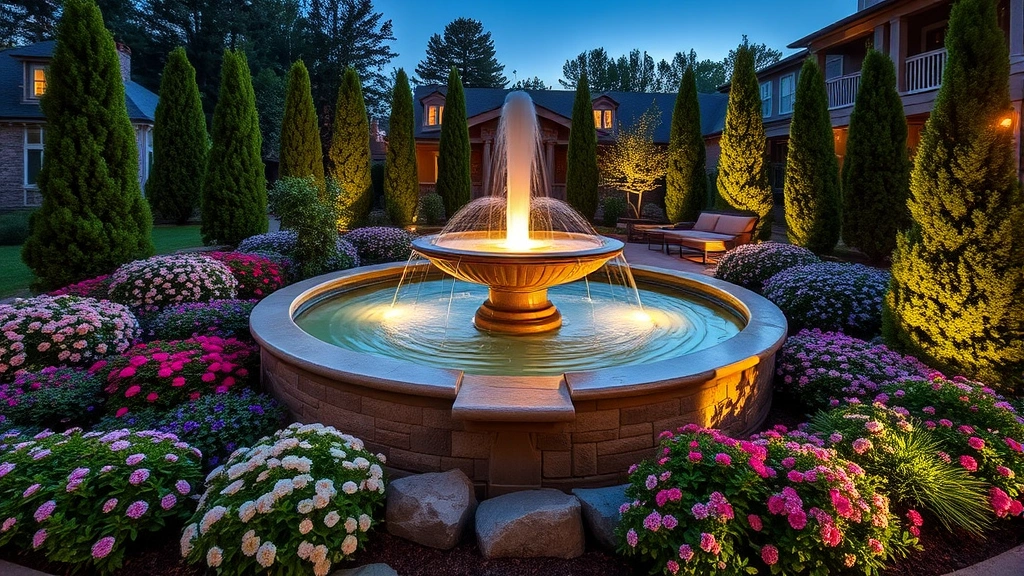
Water represents the cornerstone of spa-inspired design, and for good reason. The sight and sound of moving water immediately induces relaxation. Resort properties typically feature multiple water elements—fountains, pools, streams, and cascades—creating layers of visual and auditory interest.
Your water feature needn’t be elaborate. A simple recirculating fountain provides soothing sound and movement without requiring extensive plumbing. Position fountains where you can view them from primary seating areas. The gentle splashing masks unwanted noise and creates a focal point that draws the eye and calms the mind.
Larger properties can accommodate reflecting pools or small ponds. Still water creates mirror effects, doubling the visual impact of surrounding plantings. Aquatic plants add texture and support beneficial insects. If you have space and resources, consider incorporating water features into your landscape design—they represent investments that increase property value while dramatically enhancing daily experience.
Water feature maintenance requires attention. Regular cleaning prevents algae buildup; pump maintenance ensures proper function. This ongoing care represents part of the luxury garden commitment, similar to how professional spas maintain their facilities.
Hardscaping for Elegance
Premium hardscaping materials distinguish luxury gardens from ordinary landscapes. Rather than standard concrete or basic pavers, resort properties employ natural stone, high-quality brick, and sophisticated materials. Flagstone, slate, bluestone, and granite provide durability while conveying elegance.
Pathway design deserves careful consideration. Curved pathways feel more organic and invite exploration; width should accommodate two people walking comfortably side-by-side. Material transitions—perhaps shifting from stone to gravel to mulch—create visual interest and define different garden zones. Edging prevents materials from dispersing and maintains clean lines.
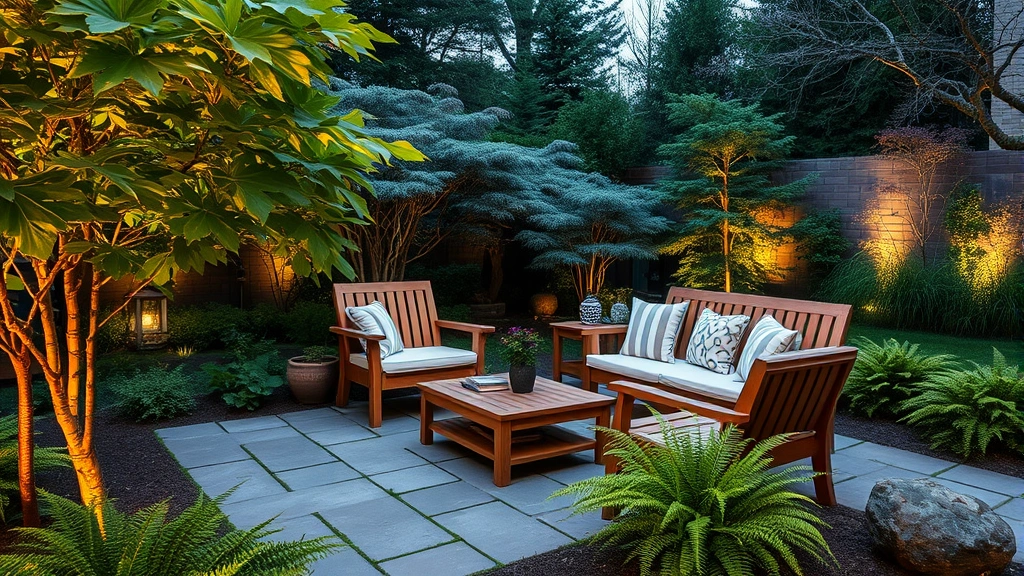
Seating areas represent critical design elements. Luxury gardens feature multiple comfortable seating zones positioned to capture views, morning sun, afternoon shade, or evening breezes. Material quality matters—teak, wrought iron, and high-end outdoor furniture withstand weather while maintaining sophistication. Ensure seating aligns with the garden’s visual axis and provides privacy.
Walls, fences, and screens require equal attention. Rather than utilitarian barriers, consider sophisticated solutions: living walls of ivy or clematis, slatted screens in harmonious colors, or stone walls that echo natural landscapes. These elements define boundaries while contributing to overall aesthetics.
Seasonal Maintenance Excellence
Luxury gardens demand consistent maintenance. This isn’t necessarily more intensive than ordinary gardens, but it’s more intentional. Deadheading spent blooms, removing fallen leaves promptly, pruning for shape, and maintaining clean edges all contribute to that polished appearance.
Develop seasonal maintenance schedules aligned with plant needs. Spring involves soil preparation, planting, and fertilizing. Summer requires regular watering, deadheading, and pest monitoring. Fall emphasizes cleanup and preparation for dormancy. Winter focuses on structural pruning and planning. This systematic approach prevents overwhelming maintenance bursts.
When growing easy to grow vegetables for beginners, luxury gardens still apply premium principles. Select heirloom varieties, employ raised beds with quality soil, and arrange plantings for visual appeal. Even utilitarian gardens benefit from thoughtful design.
Invest in quality tools—proper garden gloves, sharp pruners, and ergonomic equipment make maintenance more efficient and enjoyable. Luxury is partly about reducing unnecessary struggle; quality tools accomplish this.
Consider professional help for specialized tasks. Annual pruning, soil testing, and pest management benefit from expert attention. Landscape maintenance companies offer tiered service levels, allowing you to customize support based on your needs and budget.
Lighting Design Strategies
Exceptional lighting transforms gardens from day-only spaces into evening destinations. Resort properties employ sophisticated lighting design that reveals plants, creates ambiance, and ensures safety. Strategic placement of uplights, downlights, and accent lights extends the garden’s visual appeal into twilight and evening hours.
Consider these lighting approaches:
- Uplighting—Positioning lights at ground level shining upward creates dramatic shadows and emphasizes plant forms
- Downlighting—Overhead lights mimicking moonlight create natural-feeling illumination
- Accent lighting—Highlighting focal points like specimen plants, water features, or architectural elements
- Pathway lighting—Safety and wayfinding through subtle, low-level illumination
- Ambient lighting—Overall gentle illumination creating welcoming atmosphere
LED technology has revolutionized garden lighting, offering energy efficiency, longevity, and color flexibility. Modern systems allow programmable lighting that adjusts throughout evening hours, creating dynamic experiences. Professional installation ensures proper placement, wiring, and safety.
Lighting design coordinates with plant selection. Uplighting specimen plants showcases their form; downlighting creates softer effects on delicate flowers. Dark foliage creates dramatic contrast when backlit. Experiment with different approaches to discover what resonates with your aesthetic preferences.
Inspired by destinations like Splendido Bay on Lake Garda, luxury gardens often employ warm color temperature lighting (2700K-3000K) that feels inviting and sophisticated. Cooler temperatures feel clinical and should be avoided in intimate garden spaces.
Incorporating Luxury Garden Styles
Different aesthetic traditions offer luxury garden inspiration. Mediterranean styles, influenced by Tuscan and Amalfi Coast designs, emphasize warm colors, terracotta, olive trees, and aromatic herbs. Contemporary luxury embraces minimalism, clean lines, and carefully curated plant palettes. Cottage garden traditions, when executed with restraint and quality materials, deliver romantic luxury. Japanese-inspired gardens employ principles of balance, asymmetry, and contemplative design.
Whichever style resonates with you, maintain consistency. Mixing incompatible aesthetic traditions creates visual chaos. Your garden’s personality should feel intentional and coherent. Fairy garden ideas work beautifully as accent elements but shouldn’t dominate spaces intended for relaxation.
Visit public gardens, botanical institutions, and resort properties to gather inspiration. Take photographs, note plant combinations, observe spatial relationships, and understand what makes certain gardens feel luxurious. This research informs your design decisions.
FAQ
What’s the most important element of luxury garden design?
Intentionality surpasses any single element. Luxury gardens succeed because every plant, material, and feature serves a purpose. This thoughtful approach creates coherence and sophistication regardless of budget.
Can I create a luxury garden on a limited budget?
Absolutely. Focus on quality over quantity—invest in fewer, premium plants and materials rather than filling space with inexpensive options. Prioritize high-impact elements like lighting and focal water features. Patience allows gradual investment rather than requiring large initial expenditures.
How much time does luxury garden maintenance require?
This varies considerably based on garden complexity. A well-designed luxury garden with appropriate plant selections and hardscaping might require 4-6 hours weekly during growing season, comparable to ordinary gardens. The difference lies in maintenance quality rather than quantity.
What plants work best for luxury gardens in cooler climates?
Japanese maples, ornamental grasses, hydrangeas, dwarf conifers, and shade-tolerant perennials excel in northern regions. Focus on multi-season interest through foliage color, persistent fruits, and winter structure. Consult your regional horticultural society for climate-appropriate recommendations.
Should luxury gardens include vegetable production?
Absolutely. Raised vegetable beds with quality soil, organized layout, and aesthetic consideration integrate food production into luxury landscapes. Heritage varieties, proper spacing, and attractive edging elevate kitchen gardens beyond purely utilitarian spaces.
How do I start planning a luxury garden?
Begin by assessing your site’s conditions—sun exposure, soil quality, microclimates, and views. Define your aesthetic preferences and desired uses. Sketch preliminary layouts considering pathways, seating, focal points, and planting areas. Consult with landscape designers if budget allows—professional input prevents costly mistakes.
What’s the relationship between luxury gardens and sustainability?
Modern luxury increasingly emphasizes environmental responsibility. Using native plants, reducing water consumption, avoiding chemical inputs, and creating wildlife habitat all contribute to sustainable luxury. These practices reduce maintenance while improving ecological value.


