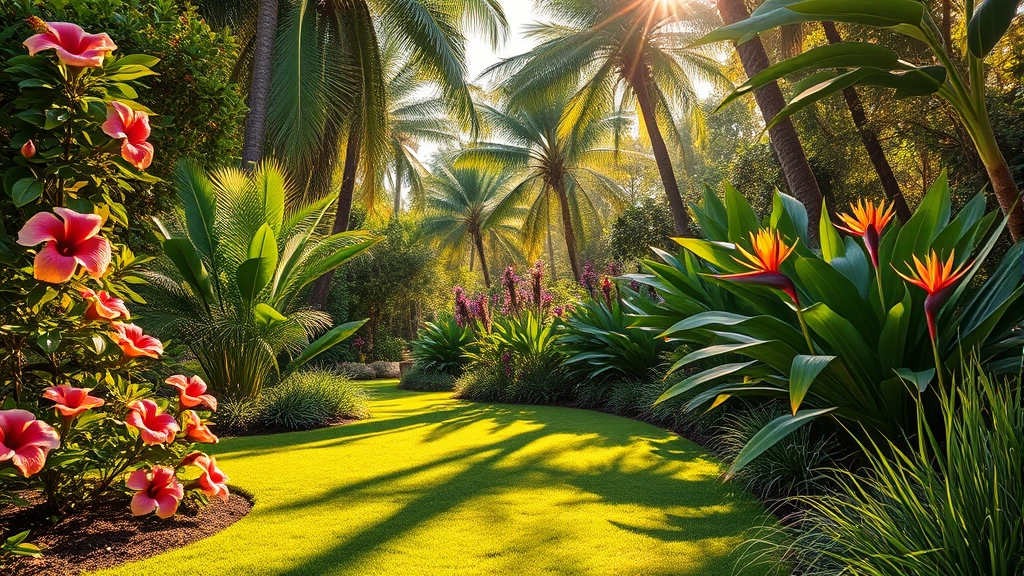
The Smith Family Garden Luau represents a delightful fusion of Hawaiian hospitality and horticultural passion, transforming a residential garden into a vibrant celebration of tropical elegance and island-inspired entertaining. This unique event showcases how a well-designed garden space can serve as the perfect backdrop for memorable gatherings, blending lush plantings with authentic luau traditions. From the moment guests arrive, they’re transported to a paradise created through thoughtful landscaping, strategic plant placement, and an appreciation for both aesthetic beauty and functional outdoor living.
What makes the Smith Family Garden Luau particularly special is its grounding in genuine gardening expertise and local knowledge. Rather than relying solely on decorative elements, the hosts have cultivated an actual thriving garden that provides both visual splendor and practical harvests. This approach transforms the luau from a simple party into an educational experience where guests can appreciate the marriage of cultivation and celebration. Whether you’re a seasoned gardener looking to create an event space or a beginner interested in designing a more functional outdoor area, the Smith Family Garden Luau offers valuable insights into creating spaces that are both beautiful and purposeful.
Creating the Perfect Tropical Garden Foundation
The foundation of any successful garden luau begins with understanding your local climate and soil conditions. The Smith family approach starts with soil assessment and amendment, ensuring that tropical and semi-tropical plants have the nutrient-rich foundation they need to thrive. Before planting anything ornamental, they conducted a thorough soil test to determine pH levels, nutrient content, and drainage capabilities. This practical step separates casual gardeners from those serious about long-term plant health.
When planning a garden specifically designed for entertaining, consider starting with a flower garden foundation that includes both year-round interest and seasonal highlights. The Smith family incorporated a mix of permanent plantings with areas reserved for seasonal additions, allowing flexibility for different events throughout the year. Their strategy involved creating distinct zones within the garden—a welcoming entry area, an intimate gathering space, and a more secluded relaxation zone.
Drainage is particularly critical in tropical-inspired gardens where watering is frequent. Many gardeners in humid climates struggle with waterlogged soil, which can lead to root rot and fungal diseases. Installing proper drainage infrastructure, such as French drains or slightly raised planting beds, prevents these common problems. The Smith family integrated raised garden beds into their design, which not only improved drainage but also created natural height variation that makes the garden more visually interesting and easier to navigate during events.
Microclimates within your garden can be leveraged for plant success. South-facing areas might be perfect for heat-loving tropical plants, while shaded corners under large trees provide ideal conditions for shade-tolerant species. The Smith family mapped their garden’s sun exposure throughout the day and seasons, then selected plants accordingly. This thoughtful approach means their garden looks lush and healthy year-round, rather than featuring struggling plants in inappropriate locations.
Plant Selection and Seasonal Considerations
Tropical plant selection for a garden designed to host events requires balancing aesthetic appeal with practical growing requirements. The Smith family prioritized plants that offer visual interest while being relatively low-maintenance during the busy entertaining season. Their core plantings include hibiscus varieties in multiple colors, which provide reliable blooms and can be pruned to maintain shape and size. Plumeria species offer stunning fragrant flowers, while bird of paradise plants create dramatic focal points with their distinctive orange and blue blooms.
Foliage plants play an equally important role in garden design, providing texture and structure when flowers aren’t blooming. Large-leafed plants like elephant ears and monstera create a lush, tropical atmosphere while requiring minimal fuss. Ornamental grasses add movement and height variation without demanding intensive care. The Smith family integrated these foliage elements throughout their garden, ensuring visual interest even during off-seasons when some flowering plants are dormant.
Consider incorporating easy to grow vegetables for beginners if you want to add functional elements to your entertaining space. Many vegetables have attractive foliage and can be integrated into ornamental gardens. Tomatoes with their delicate yellow flowers, herbs like basil with fragrant leaves, and even some pepper varieties offer both beauty and utility. The Smith family grows culinary herbs in decorative containers throughout their garden, providing fresh ingredients for luau refreshments while adding aromatic elements guests appreciate.
Seasonal timing is crucial for maintaining a garden that looks spectacular during your planned events. If your main entertaining happens in summer, prioritize plants that peak during warm months. Spring-blooming plants like azaleas and camellias might be secondary to summer bloomers in your planning. The Smith family maintains a planting calendar, noting when each plant reaches peak bloom, allowing them to schedule events when their garden looks its absolute best.
Water requirements vary dramatically between plant species, and grouping plants with similar needs—a practice called hydrozoning—makes garden maintenance far more efficient. Tropical plants generally prefer consistent moisture, while some ornamental grasses and Mediterranean plants tolerate drier conditions. By creating zones of plants with similar water needs, the Smith family simplified their irrigation system and reduced overall water waste while keeping everything thriving.
Designing for Entertaining and Gatherings
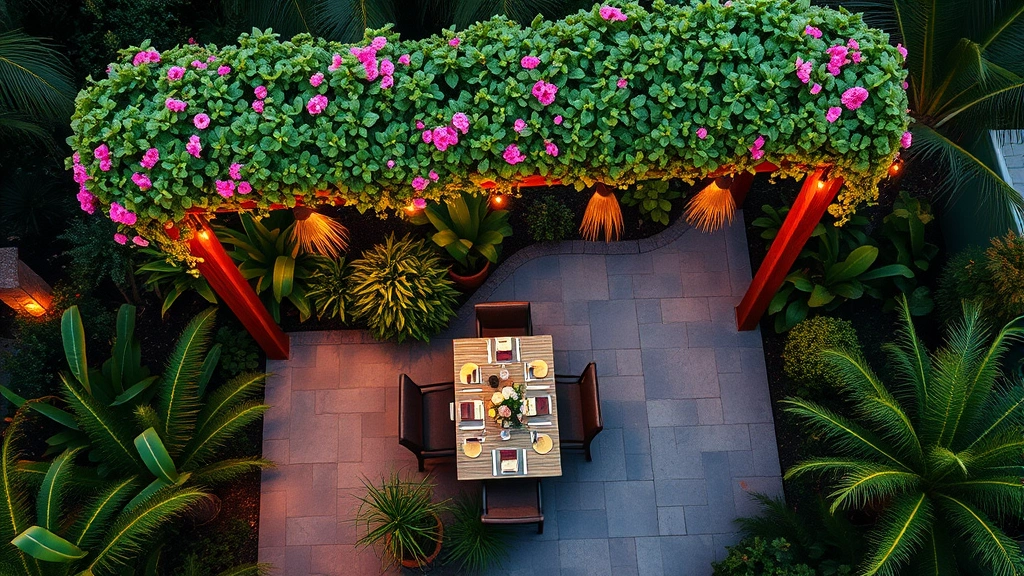
A garden designed for luaus and entertaining requires thoughtful spatial planning that encourages guest flow and creates comfortable gathering areas. The Smith family approach divides their garden into functional zones: a reception area near the entrance, a dining zone with adequate space for tables and serving stations, a dancing or entertainment area with clear sightlines, and quieter corners for conversation and relaxation.
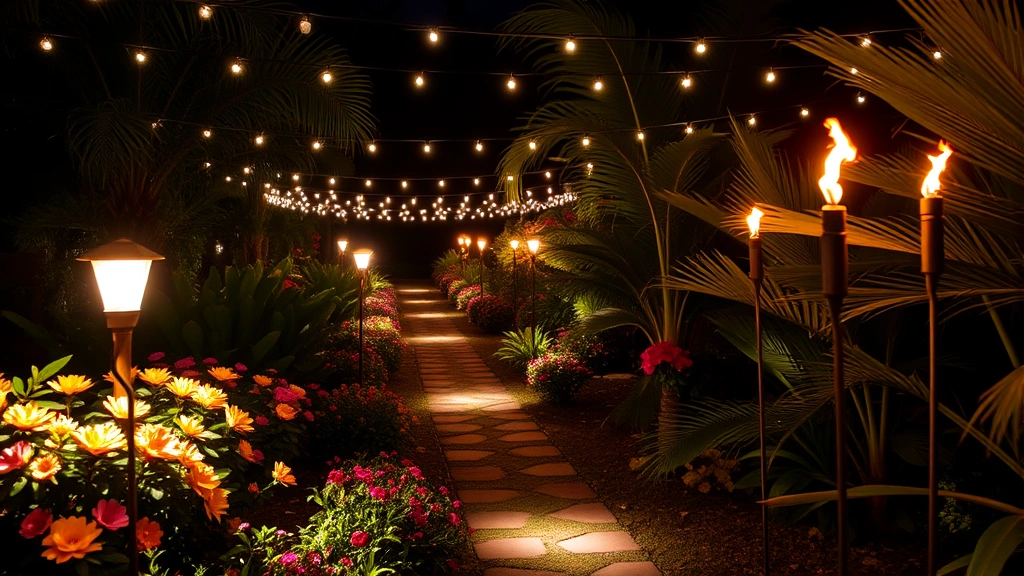
Pathways connecting these zones should be wide enough for guests to move comfortably, ideally at least three to four feet wide for two people to walk side by side. The Smith family used mulch pathways with subtle lighting for a tropical feel that still provides safe navigation. These pathways curve gently through the garden rather than running in straight lines, creating a sense of discovery as guests move through different spaces.
Sightlines matter tremendously in event spaces. You want to ensure that from any vantage point in your garden, there’s something beautiful to look at—whether that’s a flowering plant, a water feature, or a carefully positioned garden statue. The Smith family positioned their largest specimen plants to frame views and create visual anchors. A mature hibiscus tree serves as the focal point from the main gathering area, while smaller plantings create depth and layers throughout the space.
Vertical elements add drama and visual interest to garden spaces. Arbors, trellises, and climbing plants like clematis or passion vine create height variation and can define different zones. The Smith family installed a pergola over their dining area, which provides partial shade for comfort while supporting flowering vines that create a natural canopy. This element transforms a flat, exposed garden into an intimate, sheltered space perfect for dining.
Seating areas should feel intentionally designed rather than randomly placed. Built-in benches, strategically positioned chairs, or designated lounging zones encourage guests to settle into different areas of the garden. The Smith family incorporated both active zones where guests mingle and move, plus quiet rest areas with comfortable seating where people can enjoy conversations and take breaks from dancing or mingling.
Hardscaping and Structural Elements
Hardscaping—the non-plant elements of your garden design—provides the structural framework that makes entertaining possible. The Smith family invested in quality materials that complement their tropical aesthetic while providing durability and functionality. Their patio area uses natural stone in warm, earthy tones that echo tropical beach environments while providing a stable, level surface for tables and dancing.
Water features add tremendous appeal to tropical gardens while providing cooling effects and soothing sounds. A small fountain or pond creates a focal point and offers the sensory experience of moving water. The Smith family incorporated a shallow reflecting pool surrounded by moisture-loving plants, which serves as both a visual centerpiece and a habitat for beneficial insects and birds that visitors enjoy observing.
Edging and borders define planting areas and keep gardens looking neat and organized. The Smith family used low stone borders to separate planting beds from pathways, creating clean lines that make the space feel intentional and well-maintained. These borders also prevent mulch from migrating onto pathways and protect plants from foot traffic.
Consider creating a rain garden as both a functional and beautiful hardscape element. Rain gardens manage stormwater runoff while creating a dynamic space where water-loving plants thrive. During heavy rains, they temporarily collect water before it infiltrates into the soil, reducing runoff and preventing flooding. The Smith family incorporated a rain garden into their design, which serves as an attractive feature most of the time while providing practical water management benefits.
Shade structures are essential for guest comfort during daytime events. Beyond the pergola mentioned earlier, the Smith family installed a large shade sail over their secondary gathering area, providing UV protection while maintaining an open, airy feel. These structures can be adjusted or removed depending on the season and specific event needs.
Lighting and Ambiance Techniques
Evening entertaining requires thoughtful lighting design that balances safety with ambiance. The Smith family uses a combination of pathway lighting for safe navigation, accent lighting to highlight specimen plants, and ambient lighting to create a warm, welcoming atmosphere. Solar-powered lights offer sustainable options for pathways, while low-voltage LED lights can be strategically positioned to uplighting dramatic plants or architectural features.
String lights and lanterns create the authentic luau atmosphere that guests expect and enjoy. The Smith family drapes warm white string lights overhead in their gathering areas, creating a magical canopy effect that transforms the garden after dark. Tiki torches around the perimeter add traditional Hawaiian elements while providing both lighting and insect control through citronella options.
Uplighting specimen plants creates dramatic focal points and adds depth to nighttime garden views. A mature hibiscus tree illuminated from below becomes a glowing centerpiece, while accent lights on flowering plants create points of visual interest throughout the space. The Smith family uses warm color temperatures (2700K-3000K) for accent lighting, which creates an inviting atmosphere without appearing harsh or artificial.
Avoid over-lighting your space. While safety is important, excessive brightness diminishes the magical quality of an evening garden event. The Smith family uses dimmers and strategically positioned lights rather than blanket illumination, allowing different moods for different parts of the evening. As guests arrive, brighter lighting ensures safety and welcomes them warmly. As the evening progresses, dimming lights creates a more intimate, romantic atmosphere.
Candles and fire elements add warmth and charm to tropical entertaining spaces. The Smith family uses hurricane candles on tables to provide soft light while protecting flames from wind. Outdoor fireplaces or fire pits can become gathering points, though these require careful placement away from plantings and overhead structures for safety.
Maintaining Your Event Garden
A garden designed for entertaining requires more consistent maintenance than casual landscape plantings. The Smith family maintains a regular schedule of deadheading spent flowers, pruning to maintain shape and size, and inspecting for pests or diseases. This proactive approach keeps their garden looking spectacular and prevents small problems from becoming major issues.
Pest management in tropical gardens can be challenging, as warm climates support year-round insect activity. Rather than relying solely on chemical pesticides, the Smith family uses integrated pest management (IPM) strategies. This includes regular inspection for pest damage, encouraging beneficial insects through diverse plantings, and using targeted treatments only when necessary. Companion planting with herbs and flowers that repel pests naturally reduces the need for chemical interventions.
Fertilization needs vary by plant type and season. The Smith family uses slow-release fertilizers that provide consistent nutrition without the spikes that can cause excessive soft growth vulnerable to pests and diseases. They apply fertilizer at the beginning of growing season and adjust based on plant response. Organic matter amendments like compost improve soil structure and provide nutrients over time.
Watering systems should be efficient and reliable, especially for a garden designed to look its best during specific events. The Smith family installed a drip irrigation system with timers, ensuring consistent moisture during dry periods without wasting water. Mulching around plants conserves soil moisture and regulates soil temperature, reducing stress on plants during hot seasons.
Regular grooming keeps plants healthy and attractive. Pruning removes dead wood, improves air circulation, and encourages bushier growth. The Smith family prunes their flowering plants after blooming periods, shaping them for the next season while removing any diseased or damaged growth. For a cottage garden aesthetic, less formal pruning creates a more relaxed, abundant appearance while still maintaining plant health.
Seasonal cleanup prevents pest and disease issues while keeping the garden looking neat. The Smith family removes fallen leaves and debris from planting beds, which can harbor pests and pathogens. In fall, they prepare tropical plants for cooler weather by adjusting watering and fertilization. In spring, they refresh mulch, divide overgrown plants, and add new plantings as needed.
FAQ
What plants are best for a tropical-themed garden in temperate climates?
Many tropical plants can be grown in containers and brought indoors during winter in temperate regions. Hibiscus, bougainvillea, and plumeria thrive in pots and can be moved to protected locations. Alternatively, choose tropical-looking hardy plants like ornamental grasses, Japanese maples, and tropical-looking perennials that survive cold winters. The Smith family uses a combination of permanent plantings with seasonal tropical additions for maximum flexibility.
How much space do I need for an entertaining garden?
Even small gardens can be designed for entertaining with thoughtful planning. The Smith family started with a modest suburban lot and created distinct zones through strategic plant placement and hardscaping. A minimum of 300-400 square feet allows for pathways, a gathering area, and some planting beds. Vertical elements like trellises and overhead structures maximize usable space in smaller gardens.
What’s the best time of year to host a garden luau?
Timing depends on your climate and which plants peak in your garden. The Smith family typically hosts events in late spring through early fall when tropical plants are actively blooming and weather is warm. However, with careful plant selection, you can create beautiful events in nearly any season. Consider your guests’ comfort, your plants’ peak bloom times, and any seasonal challenges like extreme heat or heavy rains.
Can I create a tropical garden in a shady location?
Absolutely. While many tropical plants prefer sun, numerous shade-tolerant species create lush, tropical atmospheres. Hostas, ferns, shade-tolerant caladiums, and foliage plants like philodendrons work beautifully in partial shade. The Smith family uses shaded areas beneath mature trees for shade gardens, creating intimate spaces perfect for quiet conversations during events.
What budget should I plan for creating an entertaining garden?
Creating an entertaining garden can be accomplished at various budget levels. Start with soil preparation and basic hardscaping, then add plants gradually. The Smith family built their garden over several years, adding elements as budget allowed. You can create beautiful spaces with modest budgets through DIY projects like raised beds and creative use of mulch and stone, or invest more in professional installation and premium materials.
How do I keep my garden looking good between events?
Regular maintenance is key. The Smith family follows a consistent schedule of watering, pruning, deadheading, and inspecting for pests. Monthly maintenance tasks keep the garden healthy, while deeper work like soil amendment and major pruning happen seasonally. With proper systems in place—like drip irrigation and mulching—maintenance becomes manageable even for busy gardeners.
Can I grow food in an ornamental entertaining garden?
Yes, many edible plants are attractive enough for ornamental gardens. Herbs in containers, vegetable plants with decorative foliage, and fruit trees integrated into the landscape add functionality without sacrificing aesthetics. The Smith family grows herbs and some vegetables in their entertaining space, providing fresh ingredients for events while adding textural variety to plantings.


