Exploring New Orleans Botanical Garden: A Visitor’s Guide
The New Orleans Botanical Garden stands as one of the most enchanting destinations in City Park, offering visitors a lush escape into diverse plant collections and meticulously landscaped gardens. Whether you’re a passionate gardener seeking inspiration, a nature lover looking for tranquility, or a tourist exploring New Orleans’ cultural attractions, this 12-acre botanical haven provides an unforgettable experience year-round. The garden showcases thousands of plant species arranged in themed gardens that reflect both the region’s natural heritage and horticultural excellence.
Established in 1936, the New Orleans Botanical Garden has evolved into a premier destination that combines education, conservation, and beauty. The garden’s location within City Park makes it easily accessible and worth dedicating several hours to fully appreciate its diverse collections. From the vibrant rose gardens blooming with color to the serene water features and specialty plant collections, every corner offers something remarkable for visitors of all ages and gardening experience levels.
This comprehensive guide will help you navigate the New Orleans Botanical Garden, discover its most impressive sections, understand the best times to visit, and gain practical tips for making the most of your experience. Whether you’re planning your first visit or returning for another exploration, you’ll find valuable insights to enhance your botanical garden adventure.
Garden Layout and Main Sections
The New Orleans Botanical Garden is thoughtfully organized into distinct themed areas, each showcasing different plant collections and design philosophies. Understanding the layout helps you prioritize your visit and locate sections that align with your interests. The garden’s pathways wind through diverse landscapes, from formal gardens to naturalistic plantings that reflect Louisiana’s unique ecological character.
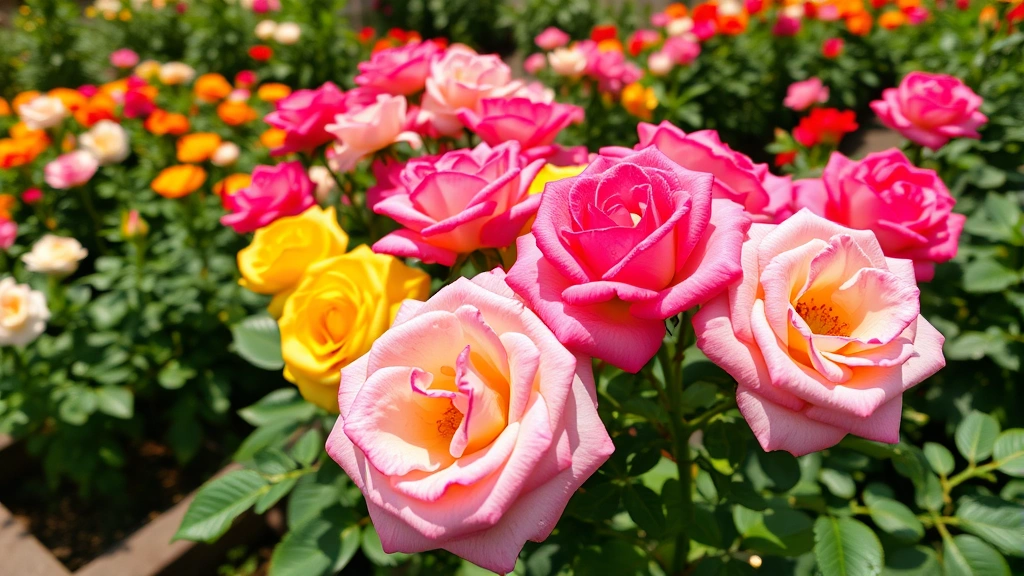
The Rose Garden represents one of the most photographed areas, featuring hundreds of rose varieties planted in elegant beds. During peak bloom season, the fragrance and color are absolutely spectacular. The roses are arranged by color and variety, making it an excellent resource if you’re considering gardening tips for beginners wanting to grow their own roses. The garden staff maintains these plants meticulously, providing a masterclass in rose cultivation and care.
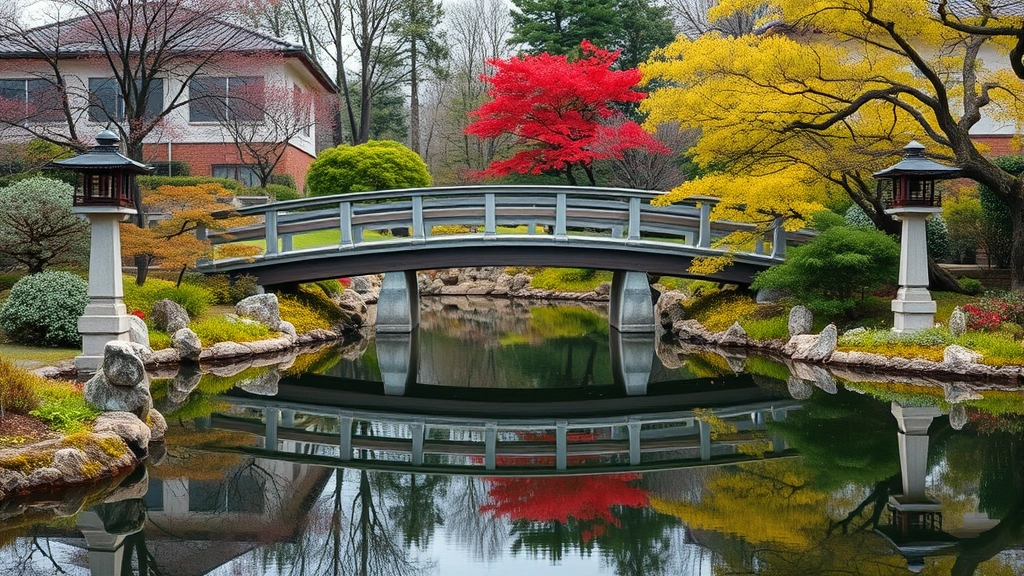
The Japanese Garden offers a completely different aesthetic, with carefully composed landscapes featuring water features, stone lanterns, and native Japanese plants adapted to Louisiana’s climate. This section embodies principles of balance, simplicity, and harmony with nature. The bridge and viewing areas create multiple perspectives, encouraging visitors to slow down and appreciate subtle design elements.
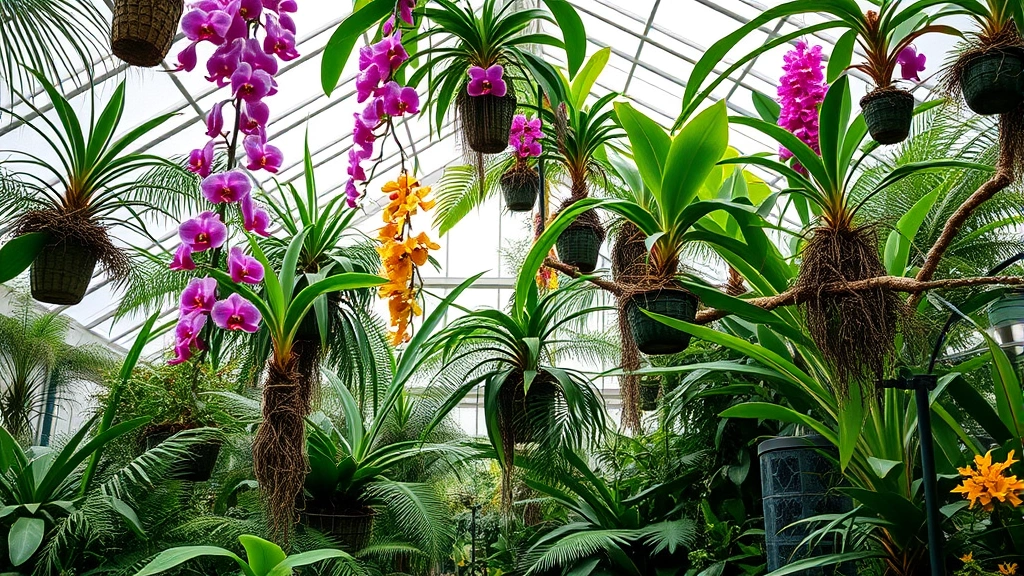
The Conservatory houses tropical and tender plants that cannot survive outdoors year-round in Louisiana. Inside, you’ll discover orchids, bromeliads, ferns, and exotic flowering plants from around the world. The humid environment and carefully controlled conditions create a miniature tropical ecosystem that’s particularly appealing during cooler months when outdoor gardens are less vibrant.
The Native Plant Garden showcases Louisiana’s rich botanical heritage, featuring species naturally occurring in the state. This section is invaluable for anyone interested in gardening with native plants, demonstrating how to create beautiful landscapes while supporting local wildlife and ecosystems. Native plants require less maintenance once established and provide food and habitat for birds, butterflies, and pollinators.
The Shade Garden demonstrates how to create beauty in areas receiving limited sunlight. This collection features hostas, ferns, shade-tolerant flowering plants, and groundcovers arranged in aesthetically pleasing combinations. If you have shaded areas in your own landscape, this section provides abundant inspiration and practical examples of what thrives in these conditions.
Additional sections include the Sunken Garden, the Fragrant Garden designed for visitors with visual impairments, the Herb Garden, and seasonal plantings that change throughout the year. Each area contributes to the garden’s overall narrative about plant diversity, cultivation techniques, and landscape design principles.
Seasonal Highlights and Best Times to Visit
The New Orleans Botanical Garden transforms dramatically throughout the year, with each season bringing different plants into peak bloom and unique visual experiences. Understanding these seasonal changes helps you plan your visit to see specific collections at their finest.
Spring (March-May) is arguably the most popular season, with temperatures in the 70s-80s Fahrenheit providing comfortable walking conditions. Roses reach their peak bloom during April and early May, creating explosive color throughout the garden. Azaleas, camellias, and spring bulbs add additional layers of color and fragrance. The weather is typically pleasant, though afternoon thunderstorms are common in late spring.
Summer (June-August) brings heat and humidity, with temperatures often exceeding 90°F and high moisture levels. While many outdoor plants enter a quiet period, the conservatory becomes a refreshing retreat. Tropical plants in outdoor beds continue flowering, and the garden offers early morning visits as an excellent strategy for avoiding peak heat. Summer is ideal for photographing the garden’s water features and exploring shaded pathways.
Fall (September-November) gradually brings relief from summer heat as temperatures moderate into the 70s by November. Many plants experience a second flush of blooms as conditions cool. The rose garden becomes active again in October and November, and the garden’s foliage takes on richer tones. Fall weather is generally more stable than summer, making it excellent for extended visits.
Winter (December-February) is the coolest season, with temperatures typically ranging from 50-65°F. While deciduous trees lose their leaves, evergreen plants and winter-blooming selections provide color and structure. Camellias and winter-blooming ornamental cherries become focal points. The conservatory is particularly inviting during winter months, and the reduced plant activity allows for clearer sightlines and photography opportunities.
The garden typically hosts special events and exhibitions throughout the year. Holiday light displays transform the garden during December, while spring festivals celebrate the rose season. Check the official website for event schedules when planning your visit.
Planning Your Visit: Practical Information
Successful visits to the New Orleans Botanical Garden require some practical planning to ensure comfort and maximize your experience. The garden spans 12 acres, so appropriate footwear and planning for walking distance is essential.
Hours and Admission: The garden is typically open daily from 10 AM to dusk, though hours vary seasonally. Admission fees are reasonable, with discounts available for seniors, students, and children. Annual memberships provide excellent value if you plan multiple visits.
What to Bring: Comfortable walking shoes are absolutely essential, as pathways vary in surface and elevation. Sunscreen, a hat, and sunglasses protect against Louisiana’s intense sun. Bring plenty of water, especially during warm months. A camera or smartphone for photography captures memorable moments and plant references for your own garden projects.
Accessibility: The garden offers wheelchair-accessible pathways throughout most sections, though some areas may present challenges. The main pathways are paved and relatively level, though there are some gentle inclines. The fragrant garden is specifically designed for visitors with visual impairments, featuring tactile elements and aromatic plants.
Duration of Visit: Plan for 2-4 hours depending on your pace and interests. Leisurely exploration of all sections typically requires 3-4 hours. If you’re focused on specific gardens, 1.5-2 hours suffices. Early morning visits are ideal for photography and avoiding crowds.
Parking and Location: The garden is located within City Park, with designated parking areas nearby. Public transportation options are available for visitors without personal vehicles. The location near other City Park attractions allows for combined visits to maximize your time.
Educational Opportunities and Programs
Beyond its role as a beautiful destination, the New Orleans Botanical Garden serves as an educational institution offering numerous programs for gardeners and plant enthusiasts. These educational opportunities help visitors develop their gardening knowledge and skills.
The garden hosts guided tours led by knowledgeable horticulturists who explain plant selections, cultivation techniques, and design principles. These tours provide context for what you’re seeing and answer specific questions about individual plants and garden sections. Tours are typically available on weekends and can be arranged for groups.
Seasonal workshops and classes cover topics ranging from container gardening to DIY raised garden bed construction. Expert instructors share practical knowledge applicable to home gardens. Topics vary by season and align with current gardening needs and opportunities.
The garden’s demonstration gardens showcase practical applications of horticultural principles. The native plant garden demonstrates sustainable landscaping, while the shade garden shows solutions for challenging light conditions. These demonstrations translate botanical knowledge into actionable home garden applications.
Plant sales occur periodically, offering visitors the opportunity to purchase specimens seen in the garden for their own landscapes. These sales feature plants that have proven successful in New Orleans’ climate, making them excellent choices for local gardeners.
The garden also participates in American Horticultural Society programs and maintains connections with regional botanical institutions, ensuring access to current horticultural research and best practices.
Tips for Garden Enthusiasts
Visitors with gardening experience will find the New Orleans Botanical Garden particularly valuable as a living reference library. Here are specific tips for maximizing your visit as a gardening enthusiast.
Study Plant Labels Carefully: Most plants throughout the garden are labeled with common names, scientific names, and sometimes cultivation notes. Reading labels provides exact plant identifications for species you want to grow at home. Take photos of interesting plants and their labels for future reference.
Observe Growing Conditions: Pay attention to where plants are positioned—sun exposure, soil conditions, proximity to water features, and companion plantings. This observational approach teaches site-specific growing requirements and design principles applicable to your own garden.
Examine Specimen Quality: The garden’s plants represent mature, well-maintained specimens. Observe plant structure, branching patterns, and growth habits. Notice how the garden handles common issues like pruning, deadheading, and seasonal care. These observations inform your own maintenance practices.
Note Succession Plantings: The garden uses multiple plants to provide continuous color throughout seasons. Observe how spring bulbs transition to summer annuals and fall bloomers cycle into winter interest plants. This succession approach prevents seasonal gaps in home gardens.
Document Companion Plantings: Notice which plants are grouped together and why. The garden demonstrates successful color combinations, texture contrasts, and complementary growth habits. These combinations provide templates for your own planting schemes.
Explore Specialty Collections: If you’re interested in specific plants like growing peas or other vegetables, the herb garden and seasonal plantings demonstrate cultivation techniques. The conservatory shows how tender plants are grown in controlled environments, valuable knowledge for gardeners expanding their growing seasons.
Connect with Staff: Garden staff and volunteers are knowledgeable resources. Don’t hesitate to ask questions about specific plants, cultivation techniques, or regional growing challenges. Their practical experience with Louisiana’s unique climate is invaluable.
Photography and Instagram Spots
The New Orleans Botanical Garden offers countless photography opportunities, from intimate plant details to sweeping landscape views. Whether you’re documenting your visit or seeking inspiration for garden decor and design, these spots are particularly photogenic.
The Japanese Garden bridge provides an iconic focal point, especially with water reflections and surrounding plantings in the frame. Early morning light creates particularly striking images with soft shadows and dewdrops on plants.
The rose garden pathways offer abundant color and fragrance during peak bloom. Shooting from ground level emphasizes the roses’ scale and presence, while elevated angles show the overall design and color combinations.
The conservatory interior provides tropical atmosphere with orchids and exotic plants creating dramatic compositions. The humidity often creates interesting atmospheric effects and water droplets on foliage.
The water features throughout the garden—fountains, ponds, and streams—create reflective surfaces and soothing focal points. Long exposure photography during flowing water captures movement and creates artistic effects.
The shade garden canopy offers dappled light creating natural softening effects for macro photography of ferns and small flowering plants. The layered plantings create depth and visual interest in compositions.
Evening light during golden hour (the hour before sunset) transforms the entire garden, creating warm tones and dramatic shadows. This is an excellent time for landscape photography, though the garden’s hours typically close before optimal golden hour timing.
FAQ
What is the best time to visit the New Orleans Botanical Garden?
Spring (March-May) offers the most abundant blooms and comfortable temperatures, making it the most popular season. However, fall (September-November) provides pleasant weather with fewer crowds. Winter visits offer holiday displays and cooler temperatures ideal for walking, while summer suits early morning visits to avoid heat.
How long should I plan to spend at the garden?
Most visitors spend 2-4 hours exploring the entire 12-acre garden. If you’re interested in specific sections or photography, plan 3-4 hours. Quick visits focusing on main attractions can be accomplished in 1.5-2 hours.
Are dogs allowed in the New Orleans Botanical Garden?
Pet policies vary, so check the official website or call ahead. Service animals are typically permitted, but restrictions may apply to other pets. The garden environment benefits from minimizing disturbances to plants and wildlife.
Can I bring a picnic to the garden?
Outside food policies vary seasonally and by area. Some gardens permit picnicking in designated areas, while others restrict food to specific venues. Check current policies before planning a picnic visit. The garden often has food vendors or nearby dining options.
Is the garden suitable for children?
Yes, the New Orleans Botanical Garden welcomes families. Children enjoy discovering plants, exploring pathways, and learning about nature. Some sections like the water gardens are particularly engaging for young visitors. The relatively flat main pathways accommodate strollers.
What should I wear when visiting?
Comfortable walking shoes are essential for navigating pathways. Dress for the season—light, breathable clothing for warm months and layers for cooler seasons. Sunscreen, hats, and sunglasses protect against Louisiana’s intense sun year-round.
Can I collect seeds or propagate plants from the garden?
Collecting plant material from the garden is typically prohibited to protect collections and maintain plant health. However, the garden often sells seeds and plants through plant sales, allowing you to legally obtain specimens for home cultivation.
Are there facilities like restrooms and water fountains?
Yes, the garden provides restroom facilities, water fountains, and seating areas throughout the grounds. These amenities make extended visits comfortable, particularly during warm months when hydration is important.
How does the garden relate to local horticultural education?
The New Orleans Botanical Garden partners with LSU AgCenter Extension and local master gardener programs to provide community education. These partnerships ensure that garden demonstrations reflect current horticultural research and regional best practices for Louisiana gardeners.
What makes the New Orleans Botanical Garden unique compared to other botanical gardens?
The garden’s focus on plants thriving in Louisiana’s subtropical climate distinguishes it from many northern botanical institutions. The native plant collections showcase regional biodiversity, while the conservatory demonstrates tropical cultivation. The integration within City Park and proximity to other cultural attractions creates a unique visitor experience combining botanical education with broader cultural exploration.


